
“The Camera Was On… and My Husband Had No Clue”
It was an ordinary evening. The kind where routines flow almost unnoticed.
Dinner was finished, our daughter was playing quietly in the living room, and my husband was scrolling through his phone, the soft hum of notifications filling the background.
I settled on the couch with my own device, half-watching a show while half-distracted by the faint giggles of our child.
Everything seemed perfectly normal, almost comforting in its predictability. Little did I know, in that seemingly mundane moment, everything I thought I knew about my husband and our home would be called into question.
At first, it started subtly. I noticed a flicker in his expression—a shadow that didn’t belong there. One moment, he was smiling at a message on his phone, scrolling absentmindedly, and the next, his face hardened in a way I hadn’t seen before.
His eyes narrowed slightly, his jaw tightened, and he set the phone down on the table with a quiet, deliberate thud. I sensed, immediately, that something had shifted. My stomach churned with unease.
Our daughter, engrossed in her coloring book, didn’t notice at first. But then, she looked up, sensing the change in his tone before I even heard a word.
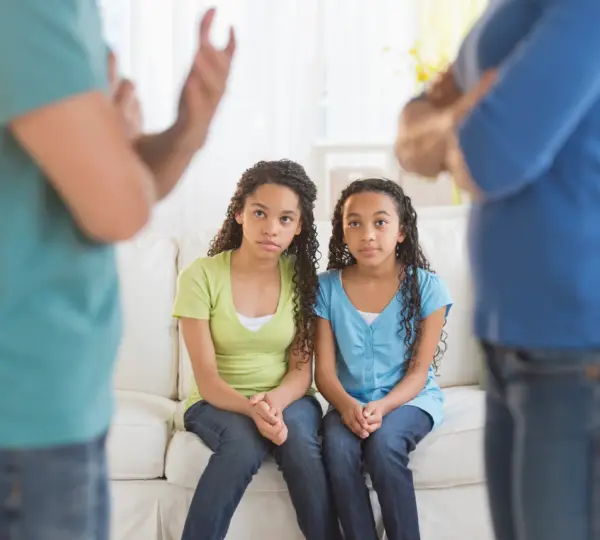
He approached her slowly, but there was an edge to his movement—a tension that made my heart race. When he spoke, it wasn’t the gentle, guiding voice I had grown to trust.
It was sharp, almost harsh, and it carried a weight that was completely foreign in our home. His words were clipped, demanding, almost like he expected obedience through fear rather than understanding.
Watching him from across the room, I felt a chill run down my spine. My daughter froze, her little hands clutching her coloring pencils as if they could shield her from whatever was coming. Confusion clouded her face.
She looked up at him with wide, innocent eyes, trying desperately to understand what she might have done to deserve such a sudden change in his demeanor.
Her small body trembled slightly, a subtle but unmistakable reaction that tightened my chest and made it hard to breathe.
Even without hearing every word, I could see the emotional impact unfolding in real time. His gestures were sharp and impatient, his hands moving in ways that seemed to underscore his frustration rather than offer comfort or explanation.
He wasn’t shouting yet—but the tension in the air made every second feel heavier, every movement charged with a potential that was frighteningly unknown. I remember thinking, “This isn’t the man I married. This isn’t the father I know.”
And then it escalated. In one swift, alarming movement, he grabbed her arm and pulled her closer. She whimpered softly, trying to step back, but his grip was firm.
Tears welled up in her eyes, spilling down her cheeks as she shook her head, silently pleading for him to stop. My heart ached, and I felt a surge of panic and helplessness that made it hard to move.
I wanted to intervene, to pull her into my arms and shield her from the sudden storm of anger that had erupted in our living room, but something held me back—part disbelief, part shock, part a lingering hope that he would regain his senses.
In that moment, I realized the emotional weight of what was happening was almost unbearable. He didn’t strike her—thankfully—but his voice, his gestures, the sheer intensity of his frustration was enough to leave a lasting mark.
The fear in her eyes, the way her small body recoiled from his anger, made my stomach churn with a mix of sorrow and outrage. I could see him struggling internally, too.

At times, he would loosen his grip slightly, step back, and glance at her with a flicker of guilt or confusion—but it was fleeting. Almost immediately, the storm would return, and he would continue his tirade.
Those brief, fragile moments of hesitation gave me a small, almost cruel sense of hope, like maybe the man I knew was still somewhere inside, trying to find his way back.
I kept asking myself questions, though I knew the answers wouldn’t come easily. Why had he changed so suddenly? Was he under pressure that he hadn’t shared with me, or was this side of him always there, just hidden beneath layers I hadn’t noticed before?
I thought about all the times I had made excuses for his irritability, all the moments I had told myself it was stress, work, or fatigue. Was I blind to something more serious all along? Each thought collided with another, leaving me overwhelmed and emotionally exhausted.
I remember vividly the sound—or rather, the absence of sound. The room seemed heavy, as though every second was stretched taut with tension. Our daughter’s soft whimpers contrasted painfully with the rigid lines of my husband’s face.
I watched, frozen, as he continued to berate her, his words slicing through the calm of our living room like sharp knives. And yet, amid all this chaos, I could see glimpses of regret in his eyes.
He would pause, take a breath, and for a brief instant, meet her gaze as if questioning his own actions. Then, almost as quickly, the anger would return, and the cycle would start over.
In that moment, I knew something had to change. I could not allow this pattern, however temporary, to continue.
My daughter’s well-being was paramount, and though fear and uncertainty gripped me, I understood that protecting her had to come first. I didn’t have all the answers, but I knew action was necessary.
The days that followed were difficult. I found myself replaying the scene over and over in my mind, analyzing every movement, every word, every fleeting expression of remorse.

I spoke with friends and family cautiously, choosing my words carefully, weighing the risk of judgment against the need for support. And eventually, after nights of sleepless worry, I reached out to a family counselor.
I needed guidance—not only to protect my child but also to understand the deeper roots of my husband’s behavior.
Seeking professional help was a turning point. It allowed me to process my emotions, to confront the painful reality that the man I loved and trusted could behave in ways that were frightening and harmful.
The counselor helped me see patterns and triggers that I might not have recognized on my own, offering strategies to create a safer environment for our daughter while also encouraging communication and accountability within our family.
It was not an easy path. There were setbacks, moments of doubt, and feelings of guilt—questions about whether I could have done more, whether I had failed to notice the signs earlier.
But through counseling, honest reflection, and careful observation, we began to take steps toward healing. My husband, too, had to confront aspects of himself he had long ignored, learning to recognize his triggers and developing healthier ways to manage stress and frustration.
One of the most challenging aspects was rebuilding trust. My daughter had experienced fear in a space that should have been safe. I had to reassure her constantly, using words, gestures, and routines to reinforce that she was protected, valued, and loved.
And in parallel, I had to rebuild trust with myself—trust that I could act decisively to protect her, trust that I could navigate the complexities of my family’s dynamics, and trust that healing was possible.
Over time, we began to notice small but significant changes. Conversations grew calmer, responses more measured, and the sharp edges of anger less frequent.
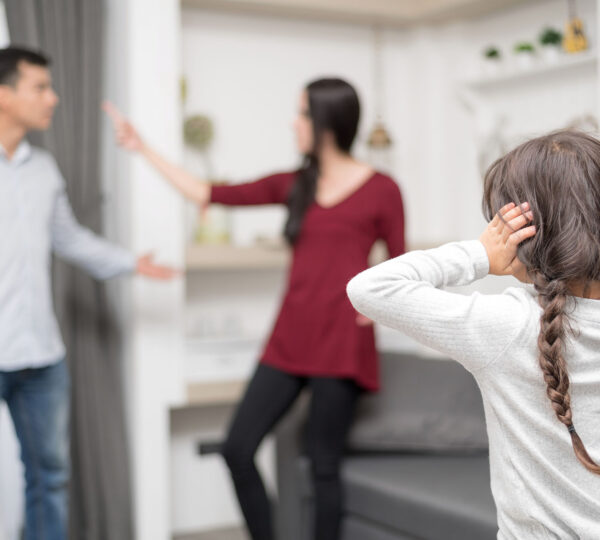
My husband learned to pause, reflect, and choose words that encouraged understanding rather than fear. Our daughter, too, began to relax, her laughter returning in small, tentative bursts that gradually became more frequent and carefree.
It was not a perfect process, but each positive step felt monumental, a sign that progress was possible even after moments that had once felt irreparable.
Looking back, that evening remains etched in my memory—a stark, painful reminder of how quickly life can shift and how vulnerable the people we love can be.
But it is also a testament to resilience, the importance of seeking help, and the power of addressing difficult truths rather than ignoring them. It taught me that love alone is sometimes not enough; awareness, intervention, and accountability are essential to protect those who depend on us most.
The man I married is not gone, but he is different now. He is learning, struggling, and striving to be better—not just for himself, but for our daughter and for our family. And I, too, have grown stronger, more vigilant, and more compassionate, determined to ensure that our home is a place of safety, trust, and love.
This experience shattered me, yes, but it also awakened a resolve I did not know I possessed. It forced me to confront uncomfortable truths, navigate complex emotions, and act decisively in the best interest of my child.
Most importantly, it reinforced an unshakable principle: no one deserves fear in their own home, and no parent should hesitate to protect their child, even when it means facing painful realities.
Our journey toward healing continues, one step at a time, and though scars remain, so does hope—a fragile, precious hope that our family can move forward, stronger and more connected than before.
And while the memory of that day will never fully fade, it has become a catalyst for growth, understanding, and a renewed commitment to love and safety within our home.
It was an ordinary evening. The kind where routines flow almost unnoticed.
Dinner was finished, our daughter was playing quietly in the living room, and my husband was scrolling through his phone, the soft hum of notifications filling the background.
I settled on the couch with my own device, half-watching a show while half-distracted by the faint giggles of our child.
Everything seemed perfectly normal, almost comforting in its predictability. Little did I know, in that seemingly mundane moment, everything I thought I knew about my husband and our home would be called into question.
At first, it started subtly. I noticed a flicker in his expression—a shadow that didn’t belong there. One moment, he was smiling at a message on his phone, scrolling absentmindedly, and the next, his face hardened in a way I hadn’t seen before.
His eyes narrowed slightly, his jaw tightened, and he set the phone down on the table with a quiet, deliberate thud. I sensed, immediately, that something had shifted. My stomach churned with unease.
Our daughter, engrossed in her coloring book, didn’t notice at first. But then, she looked up, sensing the change in his tone before I even heard a word.
He approached her slowly, but there was an edge to his movement—a tension that made my heart race. When he spoke, it wasn’t the gentle, guiding voice I had grown to trust.
It was sharp, almost harsh, and it carried a weight that was completely foreign in our home. His words were clipped, demanding, almost like he expected obedience through fear rather than understanding.
Watching him from across the room, I felt a chill run down my spine. My daughter froze, her little hands clutching her coloring pencils as if they could shield her from whatever was coming. Confusion clouded her face.
She looked up at him with wide, innocent eyes, trying desperately to understand what she might have done to deserve such a sudden change in his demeanor.
Her small body trembled slightly, a subtle but unmistakable reaction that tightened my chest and made it hard to breathe.
Even without hearing every word, I could see the emotional impact unfolding in real time. His gestures were sharp and impatient, his hands moving in ways that seemed to underscore his frustration rather than offer comfort or explanation.
He wasn’t shouting yet—but the tension in the air made every second feel heavier, every movement charged with a potential that was frighteningly unknown. I remember thinking, “This isn’t the man I married. This isn’t the father I know.”
And then it escalated. In one swift, alarming movement, he grabbed her arm and pulled her closer. She whimpered softly, trying to step back, but his grip was firm.
Tears welled up in her eyes, spilling down her cheeks as she shook her head, silently pleading for him to stop. My heart ached, and I felt a surge of panic and helplessness that made it hard to move.
I wanted to intervene, to pull her into my arms and shield her from the sudden storm of anger that had erupted in our living room, but something held me back—part disbelief, part shock, part a lingering hope that he would regain his senses.
In that moment, I realized the emotional weight of what was happening was almost unbearable. He didn’t strike her—thankfully—but his voice, his gestures, the sheer intensity of his frustration was enough to leave a lasting mark.
The fear in her eyes, the way her small body recoiled from his anger, made my stomach churn with a mix of sorrow and outrage. I could see him struggling internally, too.
At times, he would loosen his grip slightly, step back, and glance at her with a flicker of guilt or confusion—but it was fleeting. Almost immediately, the storm would return, and he would continue his tirade.
Those brief, fragile moments of hesitation gave me a small, almost cruel sense of hope, like maybe the man I knew was still somewhere inside, trying to find his way back.
I kept asking myself questions, though I knew the answers wouldn’t come easily. Why had he changed so suddenly? Was he under pressure that he hadn’t shared with me, or was this side of him always there, just hidden beneath layers I hadn’t noticed before?
I thought about all the times I had made excuses for his irritability, all the moments I had told myself it was stress, work, or fatigue. Was I blind to something more serious all along? Each thought collided with another, leaving me overwhelmed and emotionally exhausted.
I remember vividly the sound—or rather, the absence of sound. The room seemed heavy, as though every second was stretched taut with tension. Our daughter’s soft whimpers contrasted painfully with the rigid lines of my husband’s face.
I watched, frozen, as he continued to berate her, his words slicing through the calm of our living room like sharp knives. And yet, amid all this chaos, I could see glimpses of regret in his eyes.
He would pause, take a breath, and for a brief instant, meet her gaze as if questioning his own actions. Then, almost as quickly, the anger would return, and the cycle would start over.
In that moment, I knew something had to change. I could not allow this pattern, however temporary, to continue.
My daughter’s well-being was paramount, and though fear and uncertainty gripped me, I understood that protecting her had to come first. I didn’t have all the answers, but I knew action was necessary.
The days that followed were difficult. I found myself replaying the scene over and over in my mind, analyzing every movement, every word, every fleeting expression of remorse.
I spoke with friends and family cautiously, choosing my words carefully, weighing the risk of judgment against the need for support. And eventually, after nights of sleepless worry, I reached out to a family counselor.
I needed guidance—not only to protect my child but also to understand the deeper roots of my husband’s behavior.
Seeking professional help was a turning point. It allowed me to process my emotions, to confront the painful reality that the man I loved and trusted could behave in ways that were frightening and harmful.
The counselor helped me see patterns and triggers that I might not have recognized on my own, offering strategies to create a safer environment for our daughter while also encouraging communication and accountability within our family.
It was not an easy path. There were setbacks, moments of doubt, and feelings of guilt—questions about whether I could have done more, whether I had failed to notice the signs earlier.
But through counseling, honest reflection, and careful observation, we began to take steps toward healing. My husband, too, had to confront aspects of himself he had long ignored, learning to recognize his triggers and developing healthier ways to manage stress and frustration.
One of the most challenging aspects was rebuilding trust. My daughter had experienced fear in a space that should have been safe. I had to reassure her constantly, using words, gestures, and routines to reinforce that she was protected, valued, and loved.
And in parallel, I had to rebuild trust with myself—trust that I could act decisively to protect her, trust that I could navigate the complexities of my family’s dynamics, and trust that healing was possible.
Over time, we began to notice small but significant changes. Conversations grew calmer, responses more measured, and the sharp edges of anger less frequent.
My husband learned to pause, reflect, and choose words that encouraged understanding rather than fear. Our daughter, too, began to relax, her laughter returning in small, tentative bursts that gradually became more frequent and carefree.
It was not a perfect process, but each positive step felt monumental, a sign that progress was possible even after moments that had once felt irreparable.
Looking back, that evening remains etched in my memory—a stark, painful reminder of how quickly life can shift and how vulnerable the people we love can be.
But it is also a testament to resilience, the importance of seeking help, and the power of addressing difficult truths rather than ignoring them. It taught me that love alone is sometimes not enough; awareness, intervention, and accountability are essential to protect those who depend on us most.
The man I married is not gone, but he is different now. He is learning, struggling, and striving to be better—not just for himself, but for our daughter and for our family. And I, too, have grown stronger, more vigilant, and more compassionate, determined to ensure that our home is a place of safety, trust, and love.
This experience shattered me, yes, but it also awakened a resolve I did not know I possessed. It forced me to confront uncomfortable truths, navigate complex emotions, and act decisively in the best interest of my child.
Most importantly, it reinforced an unshakable principle: no one deserves fear in their own home, and no parent should hesitate to protect their child, even when it means facing painful realities.
Our journey toward healing continues, one step at a time, and though scars remain, so does hope—a fragile, precious hope that our family can move forward, stronger and more connected than before.
And while the memory of that day will never fully fade, it has become a catalyst for growth, understanding, and a renewed commitment to love and safety within our home.


