
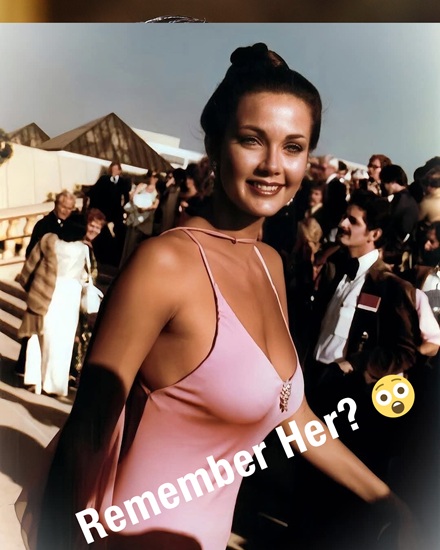
Lynda Carter rose to fame in 1975 when she starred as Wonder Woman, a groundbreaking female superhero at a time when female action heroes were rare. Her role became an enduring cultural icon across generations.
As a child, many girls admired Carter. They would don makeshift capes and crowns at home, pretending to fight evil and emulate Wonder Woman. Lynda’s charisma and grace made her a role model beyond mere fantasy.
Born in 1951 in Phoenix, Arizona, Lynda showed early signs of talent. At five years old, she appeared on Lew King’s Talent Show, marking the beginning of a lifelong connection to performance and public attention.
During her teenage years, Carter developed a love for music. At fifteen, she sang at a local pizza parlor for extra money, earning $25 per weekend, while also participating in school bands and local performances.
Lynda’s early life included challenges beyond performance. Her parents’ divorce and her height made her self-conscious during childhood. Yet she worked to overcome her insecurities, eventually embracing her stature as an advantage in modeling and acting.
Reflecting later, Carter said her tall frame initially made her feel awkward. “I felt like crumbling jelly inside,” she told reporters in 1979. But her sense of humor and resilience helped her turn challenges into confidence.
Despite early struggles, Lynda praised her upbringing. She enjoyed family picnics, church every Sunday, and playful moments with her sister, growing up in a middle-class, moral, and supportive environment that shaped her values and work ethic.
Carter briefly attended Arizona State University but left to pursue a music career. She had been voted “Most Talented,” yet her ambition shifted toward modeling and performance, opening doors she had not originally anticipated.
In 1972, Lynda won a local Arizona beauty contest, leading her to represent the state in Miss USA and then compete internationally in Miss World, finishing in the top 15, which began her journey into national recognition.
Although she achieved success in pageantry, Carter later described the experience as “painful,” citing the cruelty of beauty contests. Her comments reflect her awareness of the objectification often faced by women in such competitions.
Lynda soon began formal acting training in New York, determined to transition from modeling and pageantry into television and film. She landed small roles in popular shows like Starsky and Hutch, gaining experience in front of the camera.
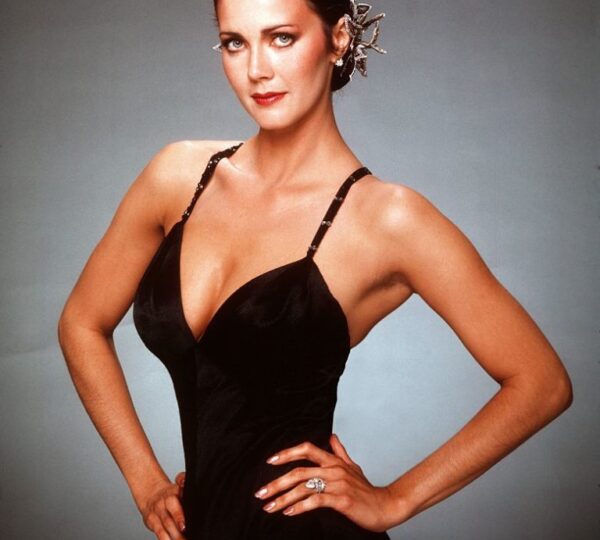
Hollywood was competitive and financially challenging. At one point, Carter had nearly exhausted her savings while pursuing acting in Los Angeles. She even considered leaving the industry for a “normal” job before destiny intervened.
Her big break arrived in 1975 with the role of Diana Prince, Wonder Woman. Just before returning to Arizona, she learned she had been selected after Joanna Cassidy was passed over, launching her career into international stardom.
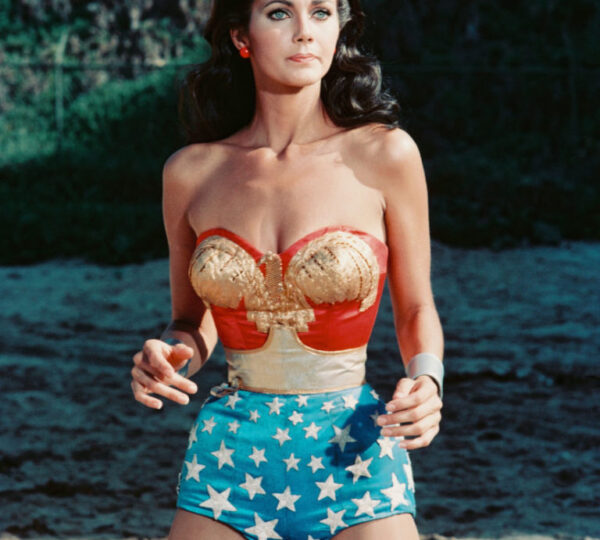
The Wonder Woman series showcased a 6-foot-tall Carter as the first major female superhero on television. The role challenged gender norms and inspired a generation of girls to believe in female strength and independence.
Wonder Woman was created by William Moulton Marston in 1941 with the goal of providing a superheroine who could empower girls. The TV series reinforced themes of equality, justice, and female empowerment during the women’s liberation era.
Carter faced challenges during production. Producers initially wanted a male stunt double, which she opposed. She insisted on authenticity, performing dangerous stunts herself to prove women could handle action sequences as competently as men.
Her portrayal extended beyond appearance. Carter’s Diana Prince combined beauty, intelligence, and compassion, challenging stereotypes and demonstrating that a female superhero could be both powerful and relatable to viewers of all ages.
Despite popularity, some criticized her costume as revealing. Carter defended the design, emphasizing that Wonder Woman’s outfit symbolized strength and patriotism rather than objectification, striving to ensure the character remained empowering for female fans.
During her Wonder Woman run, Carter became a cultural icon. She earned the title of “Most Beautiful Woman in the World” in 1978, while her image in posters became a defining representation of 1970s female empowerment and Hollywood glamour.
After Wonder Woman, Lynda’s career expanded into music, television specials, and guest appearances, including on The Muppet Show. She also earned a substantial salary for the series, allowing her to invest in real estate and luxury vehicles.
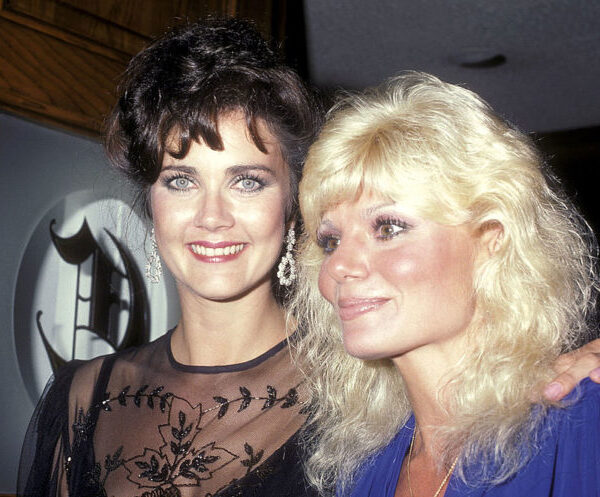
Her next major acting role was as Carole Stanwyck on Partners in Crime, where she acted alongside Loni Anderson. She continued to diversify her career, showing range beyond superhero action and beauty-focused roles.
In the 1990s, Carter founded Potomac Productions, producing television content while continuing to act in TV movies. She also undertook voice-over work, demonstrating versatility across multiple entertainment mediums and maintaining a steady career.
In 2005, she appeared in The Dukes of Hazzard remake, appealing to a younger generation. Carter also embraced theater, performing in productions like Chicago at London’s West End, showing her commitment to the craft of acting.
Her Wonder Woman legacy endured. DC Comics honored her contributions, and she was invited to participate in events around the 2017 Wonder Woman film. Although she could not cameo, she maintained a connection with the character and its fans.
In 2016, Carter attended the United Nations event marking Wonder Woman’s 75th anniversary, celebrating female empowerment. She emphasized that portraying the superhero provided a platform to inspire women and advocate for gender equality worldwide.
Lynda’s personal life included relationships prior to Wonder Woman, including with French singer Michel Polnareff. She later married talent agent Ron Samuels in 1977, though their marriage faced challenges and ended in divorce in 1982.
During her first marriage, Carter struggled with personal and professional stress, including disagreements over family planning. Despite financial success and public attention, she described this period as “unfortunate” and emotionally challenging.
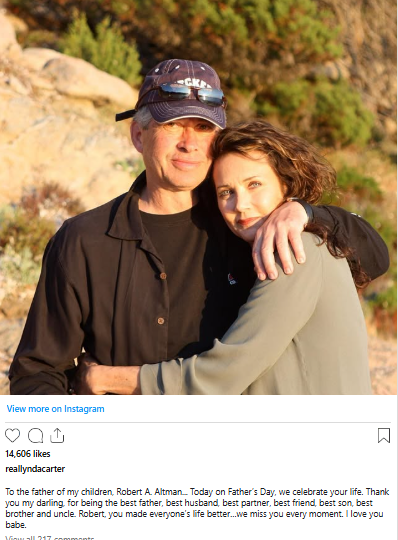
Afterward, Lynda found love with attorney Robert Altman in 1984. Their connection was immediate and supportive. Together, they prioritized family, moving to Potomac, Maryland, and raising two children, James and Jessica, away from Hollywood’s intense spotlight.
Motherhood became Carter’s greatest joy. She often shared reflections on raising her children, emphasizing that parenting offered fulfillment beyond fame, awards, or professional achievements, reinforcing her role as both a public figure and a dedicated parent.

Carter’s later years included personal challenges, such as her husband Robert’s death in 2021 from leukemia. She publicly mourned him, sharing tributes that highlighted his love, support, and influence on her life and recovery.
Carter also overcame personal struggles, including alcohol dependency. She has celebrated over 20 years of sobriety, attributing her recovery to Robert’s support and her commitment to personal growth and well-being.
Even in her seventies, Lynda remains active in entertainment and public life. She shares throwback photos on social media, celebrating her career, family, and enduring beauty, inspiring fans with her timeless presence and dedication.
Her impact on pop culture continues. Wonder Woman remains a symbol of female empowerment, while Carter’s portrayal set a benchmark for future generations of female superheroes in television, film, and literature.
Lynda Carter’s life reflects resilience, talent, and advocacy. From overcoming childhood insecurities to defining a superhero icon, she has inspired countless fans while balancing family, personal challenges, and a lifelong commitment to her craft.
