
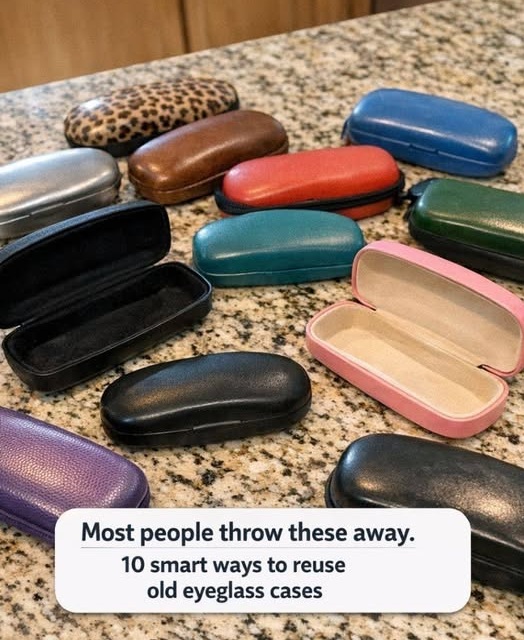
In a modern world increasingly focused on sustainability, waste reduction, and mindful consumption, it is surprising how many everyday objects are discarded without consideration for their long-term usefulness or potential for creative reuse in practical life.
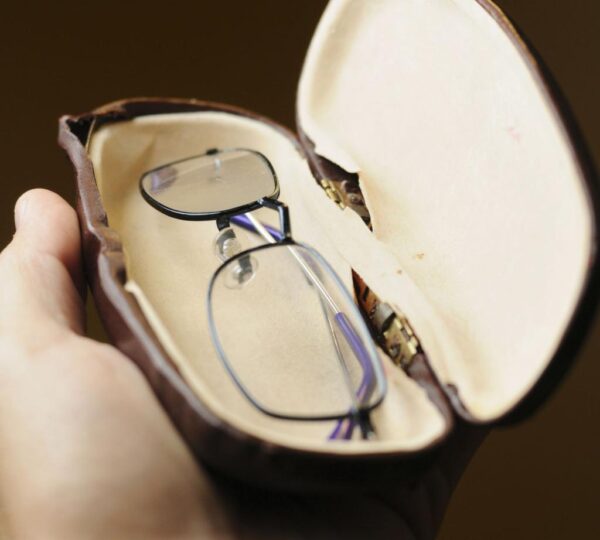
One of the most overlooked items in this category is the old eyeglass case. Once a new pair of glasses replaces the old prescription, the protective case is often thrown away or forgotten in a drawer without further thought or purpose.
However, eyeglass cases are actually designed with durability and protection in mind. Their rigid structure, secure closure, and compact size make them far more versatile than most people realize in everyday household organization and travel situations.
These cases are built to withstand pressure, prevent scratches, and shield delicate items from damage. Whether made of hard plastic, metal, or fabric-covered materials, they offer a strong foundation for repurposing into long-lasting storage solutions.
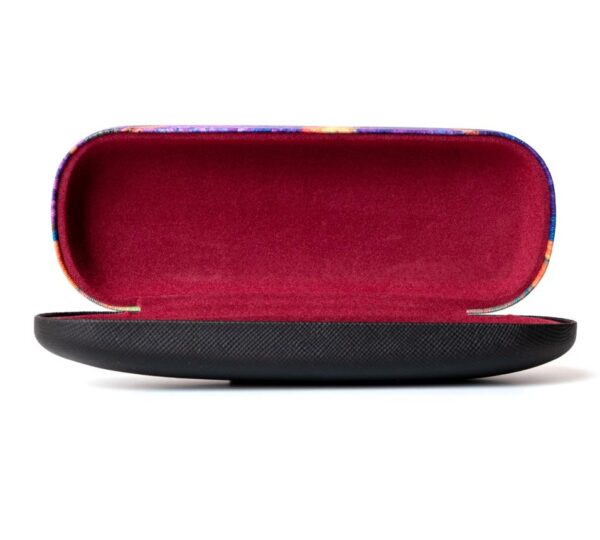
Because of their practical design, eyeglass cases can be transformed into highly functional tools for organizing small but important items. With a bit of creativity, they can replace multiple single-use containers that often clutter drawers and bags.
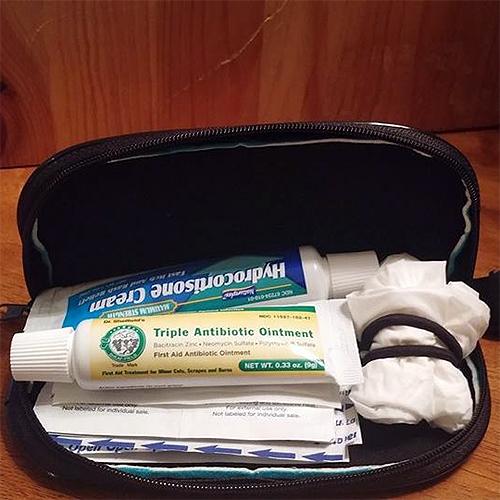
One of the most practical uses for an old eyeglass case is converting it into a compact first aid kit. Its sturdy shell protects essential medical supplies from crushing, contamination, or moisture during travel or daily transportation.
Inside such a kit, you can store adhesive bandages, antiseptic wipes, alcohol pads, small gauze pieces, and basic over-the-counter pain relief tablets. This makes it ideal for handling minor injuries or discomfort while away from home.
The portability of an eyeglass case makes it especially useful for cars, backpacks, or office drawers. Unlike bulky kits, it provides quick access to essential items without taking up unnecessary space or adding significant weight.
Another highly effective repurposing idea is creating a mini sewing and repair kit. Small household emergencies like loose buttons, torn seams, or broken hems can be handled more easily when basic sewing tools are kept within reach.
A compact case can hold needles, thread spools, safety pins, and small scissors. When organized properly, it becomes a reliable travel companion that helps solve wardrobe issues without needing expensive or time-consuming repairs.
In today’s digital world, cable management has become a common challenge. Charging cords, earbuds, and USB cables often become tangled, damaged, or lost inside bags, creating frustration and unnecessary replacement costs over time.
An eyeglass case provides an ideal solution for this problem. By neatly coiling cables and storing them inside, you prevent bending, fraying, and knotting, which helps extend the lifespan of essential electronic accessories.
For added organization, multiple cases can be labeled according to cable type or device. This simple system turns a chaotic collection of wires into a structured, portable tech organization setup suitable for travel or daily commuting.
Eyeglass cases can also be repurposed into portable creative kits for drawing, writing, or artistic expression. Their compact size makes them ideal for carrying essential art tools without the bulk of a full pencil case or art bag.
Inside, you can store shortened pencils, small erasers, sharpeners, or even fine-tip pens. This makes them useful for students, travelers, or professionals who enjoy sketching ideas or making notes on the go.
Some slightly larger cases can even accommodate small notepads or sticky note stacks. This transforms them into mobile brainstorming kits, useful during meetings, travel breaks, or spontaneous creative moments in daily life.
Another practical use involves organizing personal health items. Eyeglass cases are well-suited for storing vitamins, daily medication, or small supplement containers, keeping them protected from damage, heat, or accidental spillage.
This method also adds privacy and discretion, especially when carrying medication in public spaces or travel environments. The secure closure ensures that items remain safe and separated from other belongings inside bags or purses.
Hygiene kits are another excellent application. Small grooming tools such as nail clippers, tweezers, and nail files can be safely stored in a case, preventing them from scratching other items or becoming lost in larger storage spaces.
Some people also use them for compact oral care kits, including travel toothbrushes, mini toothpaste tubes, and floss containers. This ensures better hygiene management while traveling or spending long hours outside the home.
For DIY enthusiasts and hobbyists, eyeglass cases can be transformed into miniature tool organizers. Small precision tools like screwdrivers, drill bits, or Allen keys can be stored securely and accessed quickly when needed.
They are also useful for organizing spare hardware such as screws, bolts, and wall anchors. Labeling each case allows users to keep different project materials separated, reducing confusion during home repair or assembly tasks.
Crafters can benefit significantly from this form of organization. Beads, threads, buttons, and other small materials can easily be sorted and stored inside multiple cases, preventing spills and maintaining a clean workspace.
Because eyeglass cases are uniform in shape and size, they can be stacked or arranged systematically in drawers. This creates an efficient modular storage system that supports both creativity and order in craft environments.
Beyond practical storage, eyeglass cases can also be used for gifting purposes. A decorated or fabric-lined case can serve as a unique and reusable gift box for jewelry, small keepsakes, or personalized handmade items.
This approach reduces waste compared to traditional disposable packaging while adding a creative and thoughtful presentation element. It also allows the recipient to reuse the case long after the gift is received.
In financial organization, eyeglass cases can be adapted into cash or budgeting envelopes. They provide a more durable alternative to paper systems, keeping money secure and neatly categorized for different spending purposes.
At home, these cases can help reduce clutter on desks, shelves, or entryway tables. They can store small everyday items such as paper clips, coins, keys, or memory cards, ensuring that frequently used objects are always accessible.
This simple organization method contributes to a cleaner and more structured living space. By assigning specific items to designated cases, you reduce visual clutter and improve overall efficiency in daily routines.
Ultimately, the eyeglass case represents an excellent example of practical upcycling in everyday life. What is often considered waste can instead become a valuable tool for organization, creativity, and sustainable living practices.
Choosing to reuse such items supports environmental responsibility by reducing unnecessary consumption and minimizing household waste. It also encourages a mindset of creativity and resourcefulness in everyday problem-solving.
Rather than discarding eyeglass cases after upgrading eyewear, individuals can reimagine their purpose and integrate them into various aspects of life. From travel to home organization, their potential remains both practical and surprisingly versatile.
In conclusion, the humble eyeglass case demonstrates how small, overlooked objects can provide meaningful solutions when viewed through a sustainable and imaginative lens, proving that usefulness often extends far beyond original intent.
