
Summer is often associated with longer days, warmer nights, and more time spent outdoors. It is a season that encourages gardening, hiking, camping, and social gatherings outside the home.
However, along with these pleasures comes an increase in insect activity. Mosquitoes, ticks, and other biting pests thrive in warm weather, and most people are already familiar with the risks they pose.
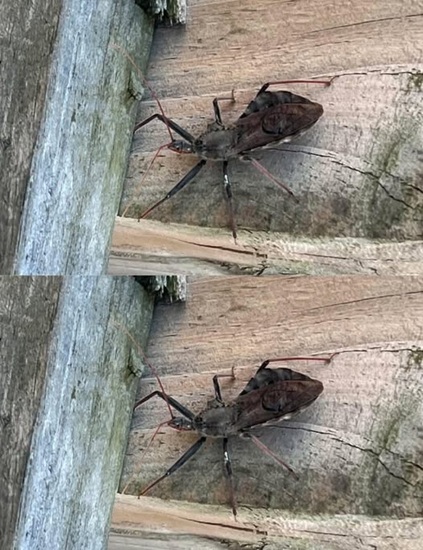
In recent years, however, another insect has begun to receive growing attention in parts of the United States: the assassin bug.
Many people have never heard of assassin bugs, and even fewer are aware of the potential health risks associated with them. While encounters remain relatively uncommon compared to mosquito or tick bites, awareness is increasing as researchers and public health officials continue to monitor their presence.
Understanding what assassin bugs are, where they live, and how they behave can help people reduce risk and respond appropriately if exposure occurs.
What Are Assassin Bugs?
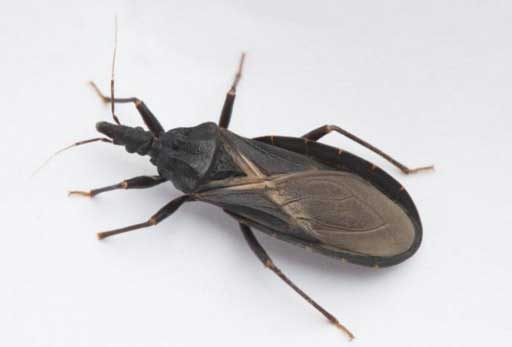
Assassin bugs belong to a large group of insects known scientifically as Reduviidae. This family includes many species, most of which are predators that feed on other insects and are not harmful to humans.
A specific subgroup, commonly called kissing bugs, is the primary concern for human health. The term “kissing bug” comes from their tendency to bite people around the face, particularly near the lips or eyes, while they sleep.
These insects feed on blood, similar to mosquitoes or ticks. Their bites are usually painless at the time, which allows them to feed without waking the person.
Not all assassin bugs transmit disease, and not every bite results in infection. However, certain species are capable of spreading Trypanosoma cruzi, a parasite that causes Chagas disease.
Why Assassin Bugs Are a Health Concern
The primary health risk associated with kissing bugs is not the bite itself, but what happens afterward. When these insects feed, they often defecate close to the bite site. If their feces contain the parasite Trypanosoma cruzi, the parasite can enter the body through broken skin, the bite wound, or mucous membranes such as the eyes or mouth.
Scratching the bite increases the risk of infection, as it can push contaminated material into the skin. Infection can also occur if contaminated feces come into contact with the eyes or mouth, which is why facial bites are particularly concerning.
It is important to note that Chagas disease is not transmitted directly through saliva, and a person is not infected simply because they were bitten. Transmission depends on contact with infected feces, which makes awareness and proper hygiene critical.
Understanding Chagas Disease
Chagas disease is a parasitic infection that can affect the heart, digestive system, and nervous system. While it is more common in parts of Latin America, cases have been identified in the United States, primarily in southern states.
Early (Acute) Phase
In the early stages, symptoms may appear within weeks or months of infection, though many people experience none at all. When symptoms do occur, they are often mild and nonspecific, which makes diagnosis difficult. Possible early symptoms include:
Fever
Fatigue
Headache
Muscle aches
Skin rashes
Loss of appetite
Swelling near the bite site
Swelling around the eye if infection enters through the eye
Because these symptoms resemble many other common illnesses, Chagas disease can easily go unrecognized in its early phase.
Chronic Phase
If untreated, the infection can persist silently in the body for years or even decades. During this chronic phase, many people feel healthy and may not realize they are infected. However, over time, the parasite can damage vital organs.
The most serious complications involve the heart and may include:
Irregular heart rhythms
Enlarged heart
Heart failure
Increased risk of stroke
Digestive complications, though less common in the United States, can also occur. These long-term effects can be life-threatening and may develop many years after the initial infection.
Early detection and treatment significantly improve outcomes, which is why prompt medical evaluation after suspected exposure is so important.
Where Assassin Bugs Are Found in the United States
Assassin bugs have been identified across much of the United States, but they are most commonly reported in southern regions, including Texas, Arizona, New Mexico, and parts of California. Their range appears to be expanding slowly, likely influenced by climate conditions and environmental changes.
These insects primarily live outdoors and prefer sheltered environments. Common hiding places include:
Woodpiles
Leaf litter
Rock piles
Animal nests
Under porches or decks
In sheds or outbuildings
Although they are not naturally indoor insects, assassin bugs can occasionally enter homes, especially if there are cracks, gaps, or cluttered areas that provide shelter.
How Assassin Bugs Enter Homes
Homes located near wooded areas, gardens, or undeveloped land may be at higher risk of occasional indoor encounters. Assassin bugs are attracted to lights at night, which can draw them toward houses.
They may enter through:
Cracks around doors or windows
Gaps in screens
Open vents
Poorly sealed foundations
Once inside, they tend to hide in dark, undisturbed areas such as closets, behind furniture, or near sleeping areas.
What Assassin Bugs Look Like
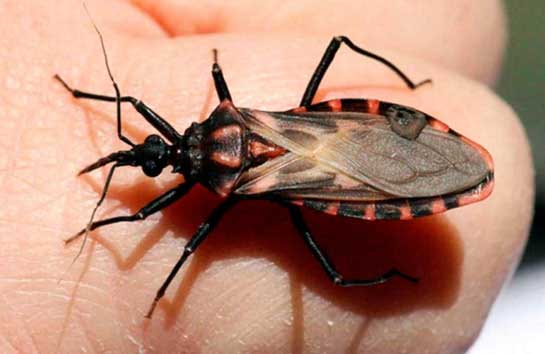
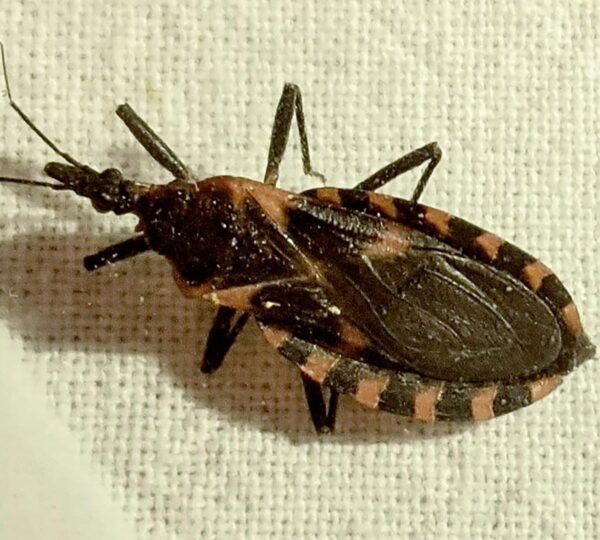
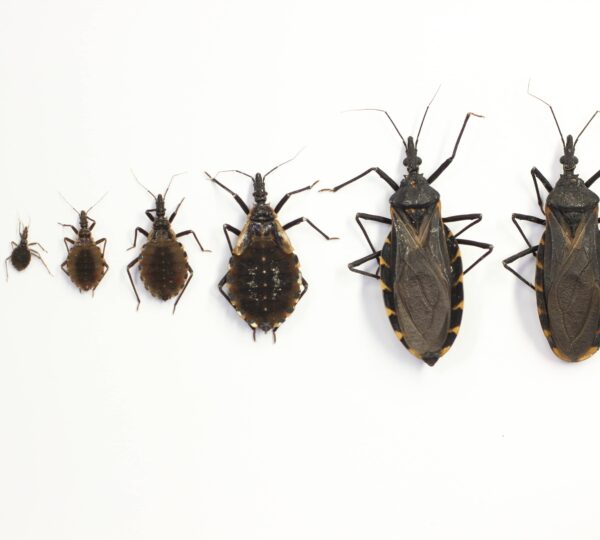
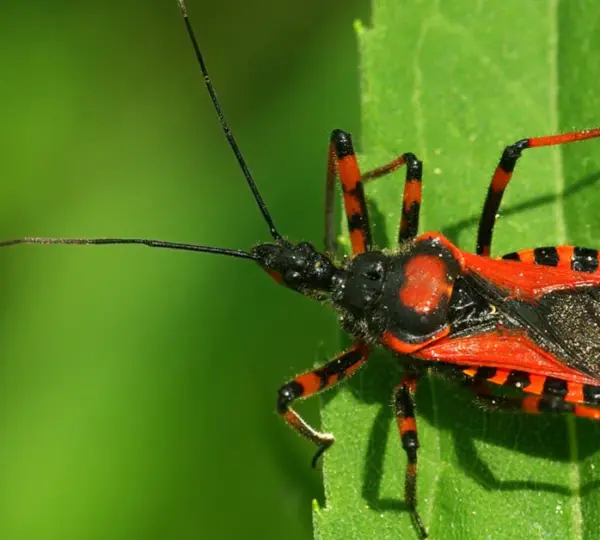
Correct identification is important, as many harmless insects resemble kissing bugs. Assassin bugs are typically:
Oval or elongated in shape
Dark brown or black, often with red or orange markings
About 1 to 1.5 inches long
Equipped with a cone-shaped head and long legs
If you suspect an insect may be an assassin bug, avoid handling it directly. Use gloves or tools to capture it safely if identification is needed.
Preventing Assassin Bugs Around Your Home
Prevention focuses on reducing shelter and limiting access to living spaces. Simple steps can significantly reduce risk.
Outdoor Prevention
Remove woodpiles, brush, and leaf litter near the home
Keep gardens and landscaping well maintained
Store firewood away from the house
Reduce clutter around porches and sheds
Indoor Prevention
Seal cracks and gaps around doors, windows, and foundations
Repair damaged screens
Use weather stripping where needed
Keep sleeping areas clean and uncluttered
These steps not only reduce the risk of assassin bugs but also help prevent other pests from entering the home.
What to Do If You Find an Assassin Bug
If you find an insect you believe may be an assassin bug:
Do not touch it with bare hands
Capture it using gloves or a container
Keep it sealed if identification is needed
Contact local health or agricultural extension services for guidance
Proper identification helps determine whether further action is necessary.
What to Do If You Are Bitten
If you believe you have been bitten by an assassin bug:
Clean the bite area with soap and water
Avoid scratching the bite
Monitor for unusual symptoms
Seek medical attention, especially if swelling, fever, or fatigue develops
A healthcare provider may recommend blood tests to check for infection. Early diagnosis allows for more effective treatment and reduces the risk of long-term complications.
Protecting Children and Pets
Children and pets may be more vulnerable because they spend time close to the ground and may not notice insects as easily. Keeping sleeping areas secure, inspecting pet bedding, and maintaining clean outdoor spaces can help reduce exposure.
Pets can also be bitten by assassin bugs, and while transmission risks differ, veterinary advice should be sought if a pet shows signs of illness after suspected exposure.
Staying Informed Without Panic
The presence of assassin bugs does not mean people should avoid outdoor activities or live in fear. Encounters remain relatively rare, and the overall risk of infection is low when preventive measures are followed.
Awareness is the most effective tool. Knowing how to identify these insects, understanding how transmission occurs, and recognizing when to seek medical care empowers individuals to protect themselves and their families.
A Balanced Approach to Summer Safety
Summer should remain a time of enjoyment, relaxation, and connection with nature. Like many environmental risks, assassin bugs are best managed through information and practical prevention rather than alarm.
By maintaining clean surroundings, sealing entry points, and responding promptly to suspected bites, individuals can significantly reduce risk while continuing to enjoy outdoor activities.
With informed choices, early medical care, and simple preventive habits, the potential dangers associated with assassin bugs can be minimized—helping ensure a safer and healthier summer for everyone.
