
Going to the beach is one of life’s simplest pleasures, offering relaxation, fresh air, and a connection with nature. Feeling warm sand beneath your feet, listening to waves, and soaking up sunlight can create unforgettable holiday memories.
A perfect day at the beach includes laying on a towel, listening to the water lapping against your toes, and observing seagulls flying overhead.
The sights, smells, and sounds provide a sensory experience that is both calming and rejuvenating. However, while the beach seems peaceful, the ocean can be unpredictable.
Safety should always be your priority, even if you’re an experienced swimmer or familiar with local conditions. Paying attention to weather and surf advisories is essential.
Turning your back on the ocean is never advisable. Waves can appear suddenly, and even small ones can knock you off balance. Children, in particular, need supervision at all times when near the water.
Many people are familiar with rip currents, those strong, narrow flows of water moving away from shore. These can pull swimmers out into deeper water quickly, and knowing how to react can prevent panic and potential injury.
Tides are another important factor. As the tide rises, water can cover previously safe areas, and currents may strengthen unexpectedly. Checking tide schedules before swimming can help you plan safer beach activities.
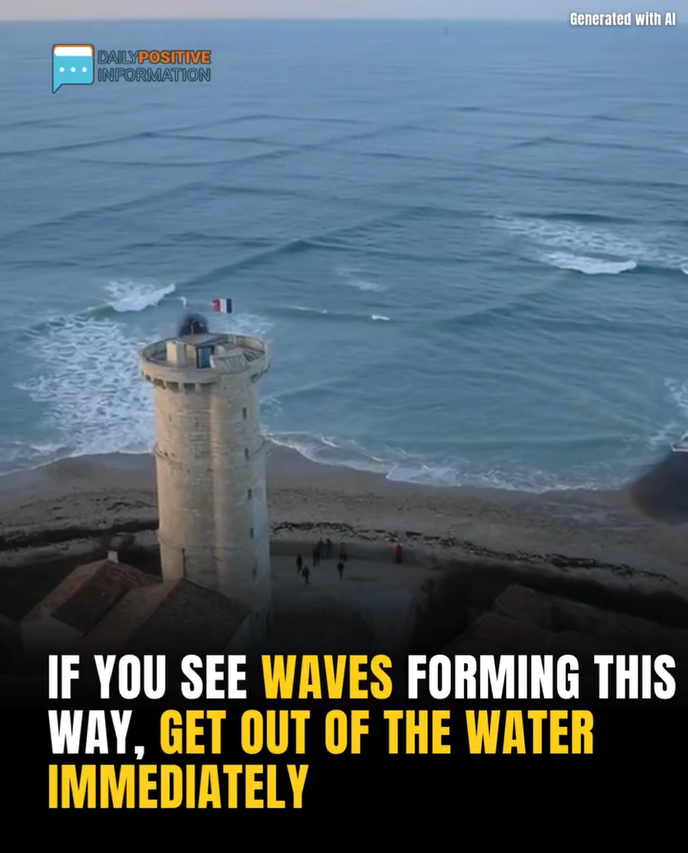
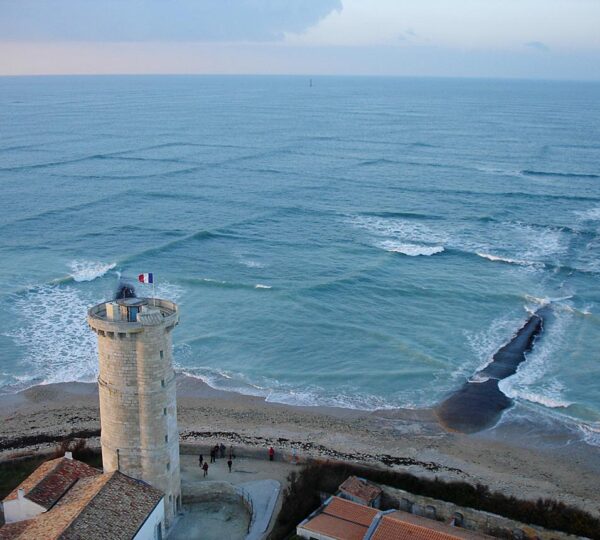
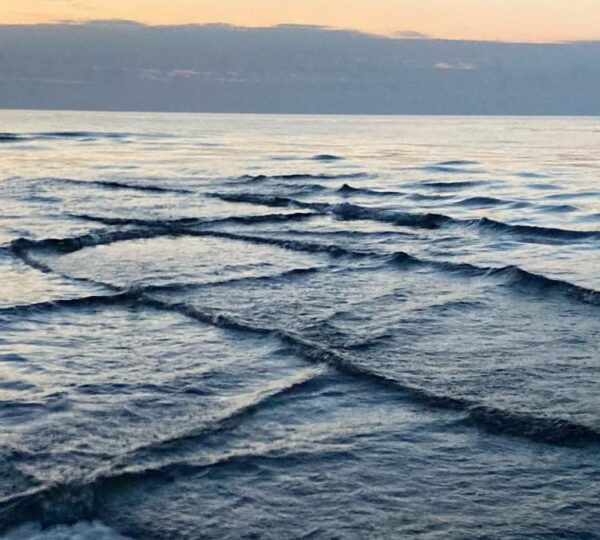
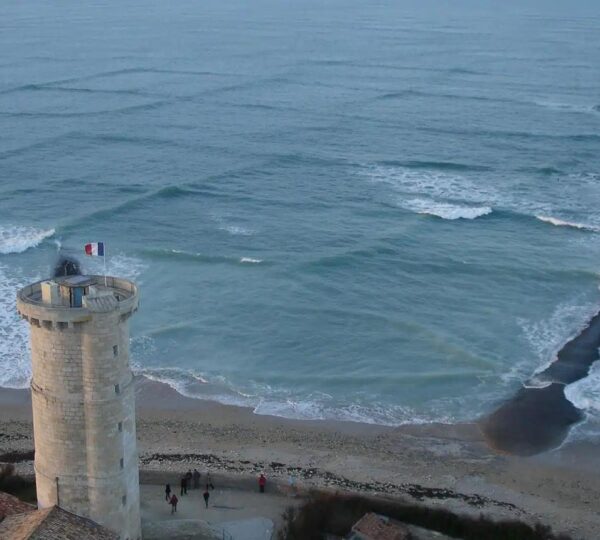
One ocean phenomenon that is less known but potentially dangerous is the square wave, also called a cross sea. It occurs when two wave systems intersect, creating a distinctive checkerboard pattern on the water’s surface.
In 2010, the European Space Agency highlighted that cross seas are relatively common in the open ocean. They form when a wind-driven wave, or windsea, meets another swell coming from a different direction, producing an unusual wave grid.
A 2004 maritime study noted that a significant percentage of ship accidents occurred in crossing sea states. These incidents occur because square waves are unpredictable and can disrupt a vessel’s balance or direction.
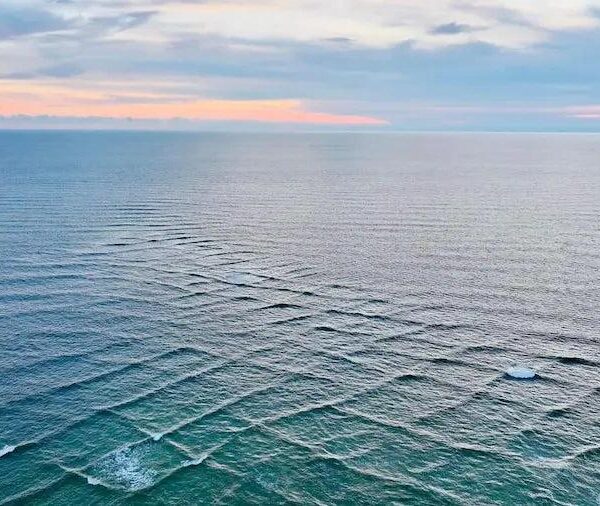
Square waves do not happen frequently, but when they do, they tend to appear near coastlines, particularly where different ocean currents meet. Observing them from land is safe, but entering the water during these conditions is highly risky.
Along France’s Île de Ré, the western coastline is known for visible cross seas during certain weather conditions. Tourists can enjoy watching this phenomenon from the safety of the beach, appreciating its beauty without facing danger.
For boats and swimmers, navigating square waves is extremely challenging. Waves can reach ten feet in height, and the direction of wind and water movement becomes unpredictable, increasing the likelihood of accidents or capsizing.
Because of the danger, beachgoers should never venture far from shore when square waves are present. Swimming in shallow water, or simply observing the phenomenon from a safe distance, is the recommended approach.
Planning beach activities around safe water conditions ensures that your holiday remains enjoyable. Even during calm days, it is essential to remain alert to sudden changes in wave height, current strength, or weather conditions.
Weather forecasts can give early warnings about potential cross seas or unusually strong tides. Checking local advisories before leaving your accommodation or entering the water allows you to avoid hazardous conditions safely.
If you find yourself caught unexpectedly in rough water, do not fight the waves directly. Swim parallel to the shore to exit strong currents gradually, and seek shallow water as soon as possible.
Observing water patterns can help you anticipate changes. Square waves create a visual grid on the ocean’s surface, and although it may be subtle from close range, they are easier to spot from higher ground or a lifeguard tower.
The ocean’s energy is not uniform. Swimmers may notice swells that seem larger, or currents that pull in multiple directions, creating confusion for those unprepared. Recognizing these signs early can prevent dangerous situations.
Strong waves combined with cross currents make it difficult to maintain direction. Even experienced swimmers can struggle to exit water safely, which is why avoiding the area until conditions calm is always the best decision.
It is possible to enjoy the beach safely even during potentially dangerous conditions. Staying on the sand, playing near the shoreline, or taking short dips in shallow water minimizes exposure to unpredictable ocean patterns.
Parents should teach children about potential hazards, including rip currents, sudden drop-offs, and square waves. Instilling awareness early ensures young swimmers know when to ask for help or move to safer areas.
Lifeguard stations play a critical role in public safety. Observing their flags, signs, and verbal warnings can guide safe swimming practices. Flags often indicate conditions such as strong currents, jellyfish, or dangerous waves.
Swimming with a buddy is another safety measure. Having someone nearby ensures immediate assistance is available if a swimmer encounters difficulty or is caught in an unexpected current.
Square waves are particularly dangerous because they can form without warning, especially near coastal regions with intersecting ocean swell patterns. Their unique appearance can mesmerize observers, but caution should override curiosity.
Research from maritime agencies shows that even large ships struggle in cross-sea conditions. For small craft or swimmers, the risks multiply significantly, emphasizing the importance of avoiding the water during these events.
Even experienced surfers may find cross seas unpredictable. Waves come from multiple directions, creating unstable surfaces and irregular breaks, making navigation or riding nearly impossible for beginners and experts alike.
When conditions calm, the ocean offers safer opportunities for swimming, snorkeling, or water sports. Waiting for clear weather and smooth surf ensures that enjoyment does not come at the cost of safety.
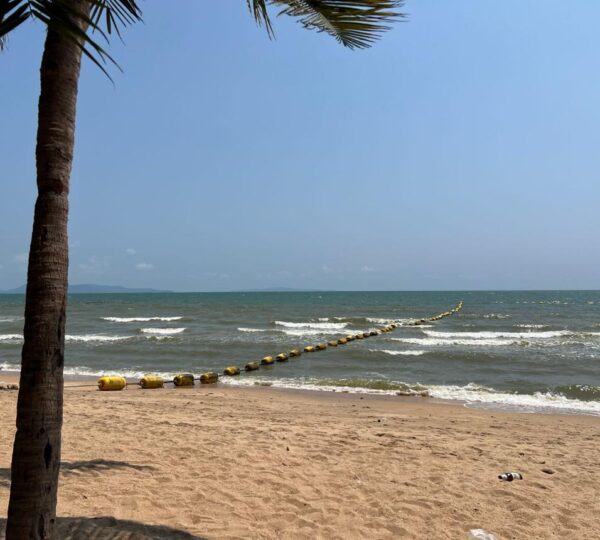
Personal flotation devices can add a layer of security for those swimming in unfamiliar waters or during unpredictable conditions. Life jackets or floatation rings help maintain buoyancy in strong currents.
Beachgoers should also be aware of weather changes. Wind shifts, incoming storms, or sudden temperature drops can alter wave behavior, making previously safe waters hazardous within minutes.
Tide charts, weather forecasts, and lifeguard advisories together provide comprehensive guidance. Planning your beach day around these factors maximizes fun while minimizing risk, allowing you to enjoy the natural beauty responsibly.
Educating yourself about ocean dynamics, including rip currents, tides, and cross seas, is essential. Understanding how wind, swell, and underwater topography interact enhances safety and allows you to respond effectively when conditions change.
In the event of an emergency, calling for help promptly is crucial. Many beach areas have emergency phones or lifeguards trained to respond quickly to swimmers in distress. Quick action can prevent minor incidents from becoming serious.
Observing other swimmers is also informative. Experienced swimmers often recognize patterns in the water, such as breaks, rip currents, and wave intensity. Learning from observation enhances situational awareness without direct risk.
Square waves, while rare, are a vivid reminder of the ocean’s power. They demonstrate how multiple natural forces can intersect to produce conditions that are both visually striking and physically challenging for anyone in the water.
Staying patient and choosing the right time for swimming is part of responsible ocean recreation. Even if tempting, entering rough water can result in accidents. Prioritizing safety ensures your enjoyment continues without unnecessary danger.
Finally, respecting the ocean and its unpredictability is the best safety principle. No skill level or experience eliminates risk entirely. Awareness, preparation, and caution are key to ensuring that your beach experience remains memorable for the right reasons.
By understanding phenomena like square waves, rip currents, and tide patterns, beach visitors can make informed decisions. Knowledge empowers you to enjoy the ocean safely, balancing excitement with the necessary caution.
Even a calm beach can hide hazards, so constant observation and adherence to safety protocols are essential. Keeping children, inexperienced swimmers, and yourself safe ensures that your beach trip is relaxing and fulfilling.
Ocean safety also includes hydration, sun protection, and proper gear. Wearing sunscreen, drinking water, and taking breaks in the shade are essential for a healthy and enjoyable day at the shore.
Ultimately, a beach trip is about enjoying nature responsibly. By understanding and respecting waves, currents, and weather, you can experience the wonder of the ocean without unnecessary risk, combining adventure with mindfulness.
Observing natural phenomena from a safe distance, such as cross seas or unusual waves, allows for education and appreciation without danger. Spectacular sights can be enjoyed safely with patience and awareness.
Swimming close to shore, avoiding deep water during uncertain conditions, and planning activities around safety warnings reduce risks significantly. Responsible behavior ensures that fun does not turn into tragedy at the beach.
Square waves are not just a curiosity—they are a tangible example of why ocean knowledge matters. Understanding their formation and hazards reinforces the importance of awareness and caution for anyone visiting coastal areas.
By following these guidelines, beachgoers can safely explore, play, and enjoy the ocean. Preparation, observation, and prudence combine to create an experience that is exciting, memorable, and, above all, safe.
