
It began like any ordinary afternoon, the kind that usually passes without significance and quickly blends into the quiet rhythm of everyday family life.
My seven-year-old son had been playing outside in the backyard, enjoying what seemed like a normal and carefree moment of childhood exploration.
There was nothing unusual about the day, and nothing suggested that anything unexpected or concerning was about to happen.
However, everything changed abruptly when he suddenly ran back inside the house, clearly distressed and holding his arm tightly against his body.
His face looked pale, and his expression carried a mixture of fear, discomfort, and confusion that immediately caught my attention.

As I approached him, I noticed a red and irritated mark on his arm that appeared swollen and uneven in shape.
The mark looked unusual enough to raise concern, especially because it seemed more intense than a typical insect bite or minor scratch.
In that moment, my immediate reaction was concern for his safety, as I tried to understand what might have caused such a reaction.
I carefully examined the area while trying to remain calm, although internally I felt a growing sense of worry and uncertainty.
To better understand the situation, I took a photograph of the affected area, intending to seek advice from others who might have experience with similar cases.
Shortly afterward, I shared the image with a small online community, hoping that someone could provide possible explanations or guidance.
The responses began to come in gradually, with some people suggesting that it could be related to an insect bite or skin irritation.
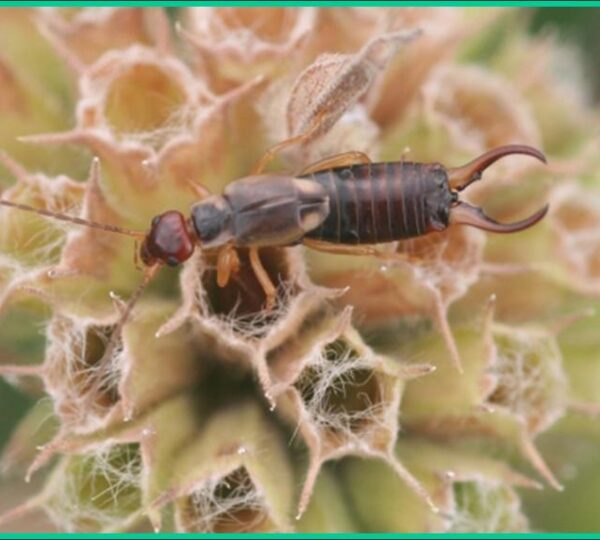
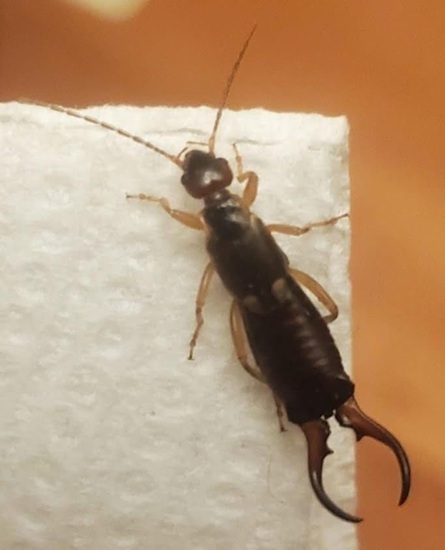
Among the replies, a few individuals mentioned earwigs as a possible cause, although there was no confirmed identification based solely on the image.
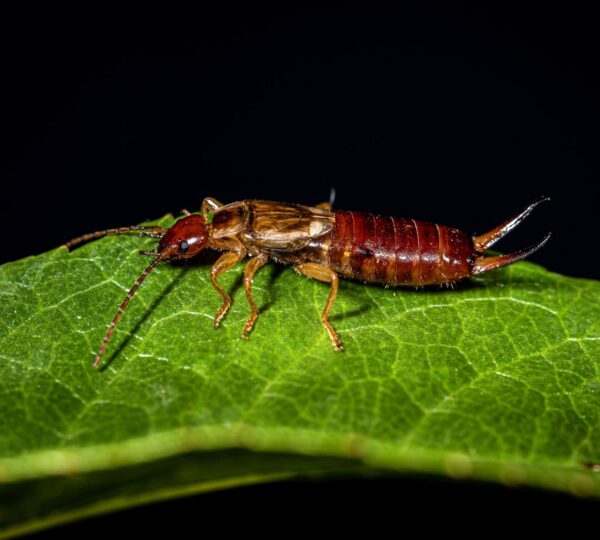
Earwigs are small insects commonly found in gardens, damp areas, and outdoor environments, and they are often misunderstood due to their appearance.
While they are generally considered harmless to humans, their pincers can cause mild irritation or discomfort if they come into contact with skin.
Despite this, they are not typically classified as dangerous pests, although their presence indoors can understandably cause concern for many families.
As I continued reading through responses, I learned that insect identification based only on images can sometimes be inaccurate or uncertain.
For this reason, I also considered other possible explanations, including allergic reactions, environmental irritants, or minor skin infections.
In situations like this, it is always important to observe symptoms carefully and seek professional medical advice when needed, especially when children are involved.
After sharing the image, I received a message from a family member who lived nearby and had also experienced unusual insect activity in her home.
She explained that she had noticed similar small insects in her garden and occasionally inside her living space, which made her concerned as well.

However, it is important to note that such experiences can vary widely depending on environment, climate, and household conditions.
What one person observes in their home may not necessarily indicate a widespread infestation or a shared environmental issue.
Still, the conversation highlighted how quickly concerns about insects can spread among families, especially when children are involved.
The situation made me more aware of how sensitive parents become when anything appears to affect the safety or comfort of their child.
Even minor injuries or skin irritations can feel alarming when they occur suddenly and without a clear explanation.
The emotional response in such moments is often driven by instinctive concern rather than immediate factual understanding.
As parents, there is a natural tendency to carefully monitor every detail when it comes to a child’s health and well-being.
In this case, I made sure to observe my son closely over the following hours to ensure that no additional symptoms developed.
I also cleaned and treated the affected area gently while keeping track of any changes in his condition.
Fortunately, the irritation did not appear to worsen, and his overall behavior remained normal and active throughout the day.
This provided some reassurance that the situation was not developing into something more serious.
At the same time, I became more cautious about outdoor play and the condition of the backyard environment.
I took steps to check common areas where insects might appear, such as garden corners, plants, and shaded or damp spaces.
Experts often note that many small insects, including earwigs, tend to avoid direct human interaction and prefer hidden environments.
They are usually found under leaves, stones, or organic debris where moisture and shelter are available.
Understanding this helped me view the situation more calmly, rather than assuming an immediate risk or widespread infestation.
I also learned that maintaining general cleanliness and reducing damp areas can help minimize the presence of various small insects.

Simple preventive measures, such as regular garden maintenance and proper waste management, are often recommended by pest control guidance.
In some online discussions, people share home-based methods for managing insects, but it is always important to evaluate such suggestions carefully.
Not all online remedies are scientifically verified, and their effectiveness can vary depending on conditions and application.
For this reason, expert advice from professionals in pest control or healthcare is always the most reliable source of information.
Over time, my focus shifted from fear to understanding, as I tried to approach the situation more logically and calmly.
I realized that many everyday situations can initially appear more serious than they actually are when viewed without complete information.
As my son recovered and returned to his normal activities, the incident gradually became less alarming and more of a learning experience.
It reminded me of the importance of staying calm, gathering accurate information, and avoiding immediate assumptions in moments of uncertainty.
In the end, the experience reinforced the idea that awareness and careful observation are key when dealing with unexpected situations involving children.
And most importantly, it highlighted how quickly concern can turn into panic when we are unsure about what we are seeing.
By approaching such situations with patience and reliable information, families can better protect both their peace of mind and their sense of safety at home.
