
In recent days, global tensions have dramatically increased after the United States and Israel launched large‑scale, coordinated military strikes on Iran.
The ensuing violence has quickly spread across the region, drawing reactions from governments, civil society, and — in large numbers — social media users around the world.
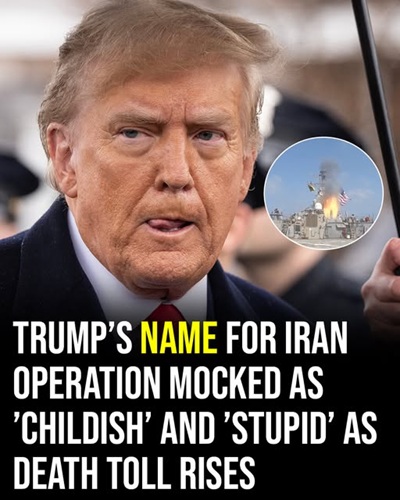
Much of the online discussion has focused not just on the conflict’s human cost, but also on the controversial name of the U.S. military campaign itself: “Operation Epic Fury.”
While the overall picture remains fluid and evolving, this article provides a detailed summary of the known facts about the conflict, the casualties confirmed so far, how the operation has been named, the social media backlash over that name, and official statements from U.S. and allied leaders.

It does not present unverified claims or rumors as fact and is based on public reporting from multiple reliable news organizations and official sources.
How the Conflict Began
On February 28, 2026, the governments of the United States and Israel announced the start of coordinated military strikes against multiple targets in the Islamic Republic of Iran.
According to military briefings and reporting by major outlets, the operations involved air and missile strikes on military infrastructure, air defenses, command centers, missile launch sites, and leadership headquarters across several Iranian cities.
The campaign represents one of the most significant escalations in Middle East hostilities in decades.
Israeli officials identified their portion of the campaign as Operation Lion’s Roar, while the U.S. Department of Defense referred to its actions as Operation Epic Fury.
Reported Targeting of Iranian Leadership
Several outlets, including international and regional reporting, stated that the strikes targeted high‑level Iranian officials and command infrastructure.
Iranian state media and U.S. officials have both acknowledged the death of Iran’s Supreme Leader, Ayatollah Ali Khamenei, along with other senior commanders and aides, though independent verification remains limited in real‑time coverage of conflict zones.

Following the initial bombardment, Iranian forces launched an extensive retaliatory campaign involving ballistic missiles, drones, and other weapons systems targeting U.S. military bases and partner nations across the Middle East — including in Bahrain, Kuwait, Qatar, and the United Arab Emirates — as well as strikes near Israel.
A British military base on the island of Cyprus (RAF Akrotiri) was also struck by Iranian‑linked drones in the wake of these hostilities, causing minor runway damage but no reported casualties, according to UK defense authorities.
Confirmed Casualties and Regional Impacts
Tracking accurate casualty figures in an unfolding conflict can be difficult, and numbers often vary between sources. However, multiple mainstream outlets report that:
U.S. Military Casualties
-
On March 1, the U.S. Central Command (CENTCOM) confirmed that at least three U.S. service members were killed and five others were seriously wounded during retaliatory Iranian strikes following the initial operations.
-
A later CENTCOM update expanded the number, announcing a fourth U.S. service member died after being wounded in early attacks.
-
These casualties represent the first confirmed American combat deaths in the conflict, and U.S. officials indicated that further casualties are possible as operations continue.
Regional Casualties
Assessing casualties across multiple countries affected is complex and subject to rapid change, but media outlets have reported significant numbers of deaths and injuries across the region, including among civilians and military personnel:
-
Iran has reported high casualty levels resulting from both the initial U.S.–Israeli strikes and subsequent counterattacks.
-
Israel experienced Iranian ballistic missile impacts with reported fatalities and injuries among civilians.
-
Bahrain, Kuwait, Qatar, Iraq, Lebanon, Oman and other nations have reported varied casualty figures in strikes and interceptions during the escalation.
-
Civilians, not only combatants, are among those affected as infrastructure and populated areas have been hit.
(Note: Precise totals for each country continue to fluctuate as official counts are updated and independent verification is sought.)
What’s in a Name? The Controversy Over “Operation Epic Fury”
One of the most visible reactions on social media has centered on the name given to the U.S. military campaign: Operation Epic Fury.

Many social media users, commentators, and even some political allies have mocked the name, labeling it as juvenile, clichéd, or incongruous with the gravity of military engagement involving loss of life.
Examples of Online Reactions
-
One commenter wrote that the name sounded “like something out of a superhero movie.”
-
Others described it as “childish” or “embarrassing,” with comparisons made to sequel titles in action film franchises.
-
A social media user said the name seemed more appropriate for a toy battle scene than real combat operations involving real human lives.
Critics on platforms like X (formerly Twitter) and Reddit have questioned the professionalism or seriousness implied by the branding, arguing that military operations — especially those with potentially far‑reaching geopolitical implications — merit sober, measured naming conventions rather than sensational phrases.
Supporters of the administration have maintained that the name reflects strength or resolve, while government spokespeople have emphasized the strategic objectives of the campaign rather than its label.
It is important to note that while the name “Operation Epic Fury” is widely reported in some media and by social media posts, official U.S. government documentation or Defense Department websites have not always published the name publicly at the time of writing.
Naming conventions and internal codenames may vary between agencies and public statements.
Official Statements from U.S. Leadership
Defense Secretary Pete Hegseth, speaking at a Pentagon briefing, described the mission as “laser‑focused” on degrading Iran’s capabilities and denying its ability to threaten the United States and its allies.
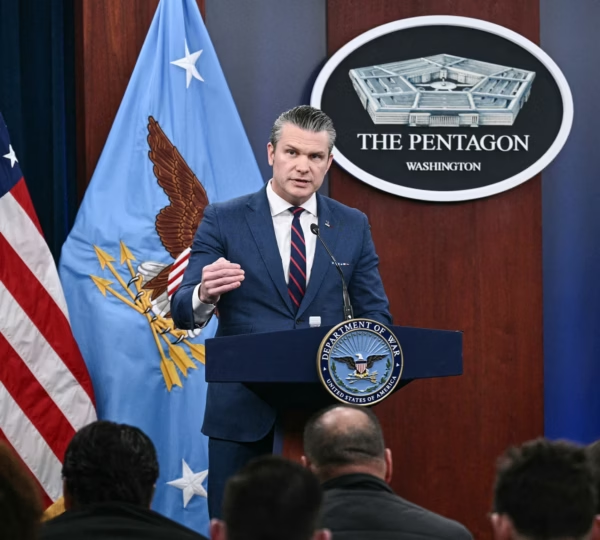
He characterized the operation as “the most lethal, most complex, and most precise aerial operation in history,” though such framing has been met with both support and criticism from analysts and observers.
Hegseth also reiterated longstanding grievances about Iran’s role in regional hostilities, citing attacks on U.S. forces and allies over decades as part of the administration’s justification for the campaign.
Former President Donald Trump, who authorized the operation, has stated that the United States did not start the conflict but would pursue its objectives until they are achieved, emphasizing an intention to disrupt nuclear and missile threats from Tehran.
Trump also acknowledged the risk of U.S. and allied casualties in such extensive military operations.
International and Regional Responses
The conflict’s escalation has drawn reactions not only in the Middle East but globally:
-
European governments have expressed concern about the widening violence and urged restraint while many nations condemn attacks on sovereign territories and military forces.
-
United Nations officials have called for an immediate ceasefire and diplomatic negotiations to prevent further civilian harm and regional destabilization.
-
Neighboring states in the Gulf, including Saudi Arabia and the UAE, have issued statements regarding security and have experienced disruptions to air travel and infrastructure due to military activity.
The British confirmation of a drone strike on RAF Akrotiri in Cyprus, a critical regional military base used by NATO and allied forces, highlights how far the effects of this conflict have spread beyond Iran’s borders.
Why the Backlash Matters
The social media reaction to the operation’s name reflects broader public sentiment about modern conflict, media messaging, and how governments frame military action.
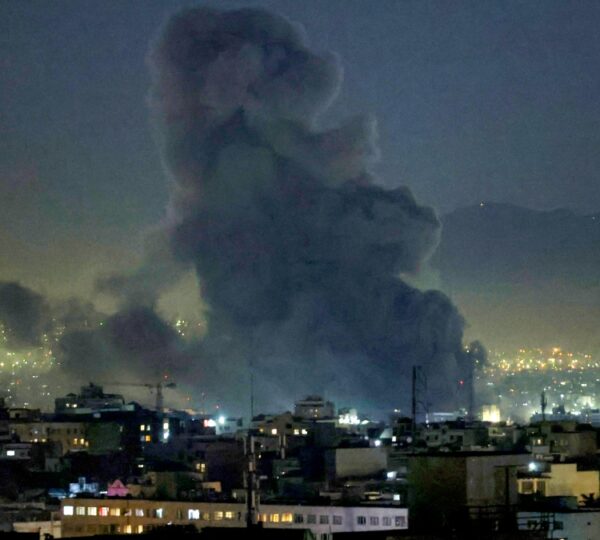
In an era where information travels instantly and commentary spreads rapidly, decisions — even about something as seemingly symbolic as a codename — can become focal points for debate, ridicule, or criticism.
For many observers, the controversy illustrates how public expectations around military professionalism and communication have evolved.
Names that resonate with victory, strength, or determination can also be seen as overly dramatic or insensitive when linked to real human suffering and geopolitical risk.
The conversation around “Operation Epic Fury” goes beyond mere branding; it taps into deeper issues of war, accountability, public perception, and how leadership choices impact credibility at home and abroad.
Conclusion: An Escalating Conflict With Global Ramifications
The conflict between the United States, Israel, and Iran — as manifested in the joint military operations and the Iranian retaliation — remains rapidly developing and has already drawn significant international concern.
Thousands of missiles, drones, aircraft, and other weapons have been deployed as part of one of the largest coordinated strike campaigns in the region in years, and both combatants and civilians have suffered casualties.
Public reactions, especially online, demonstrate how war is fought not only on battlefields but also in public opinion and international discourse.
The debate over names like “Operation Epic Fury” underscores how symbolic aspects of military campaigns can shape perceptions and fuel controversy even as the human and geopolitical stakes remain high.
As diplomacy, battlefield dynamics, and negotiations unfold, continued reporting from multiple reputable sources will be necessary to separate fact from speculation, update verified casualty figures, and provide transparent context on the long‑term implications of the conflict.
