
There are moments in life that stay with you forever, moments that quietly shift your understanding of love, loss, and hope. Six years ago, I faced one such moment in a hospital room, beside the tiny incubator where my newborn twin lay.
I was told that one of my twins had not survived. I never held her in my arms, never whispered goodbye, and the grief settled quietly in my chest, an ache I carried alone through days and nights.
Life moved forward, but there was always a part of me missing, an empty space in the routine of daily life that no distraction, social activity, or busy schedule could fill or truly soothe.
Then, one ordinary afternoon, after my surviving daughter’s first day of school, she said something that stopped me completely: “Mom, tomorrow pack one more lunch… for my sister,” her voice full of certainty and innocence.
At first, I dismissed it as childish imagination, a product of new friendships or creative play, but something in her words, her insistence, and her detailed description unsettled me deeply and left me thinking.
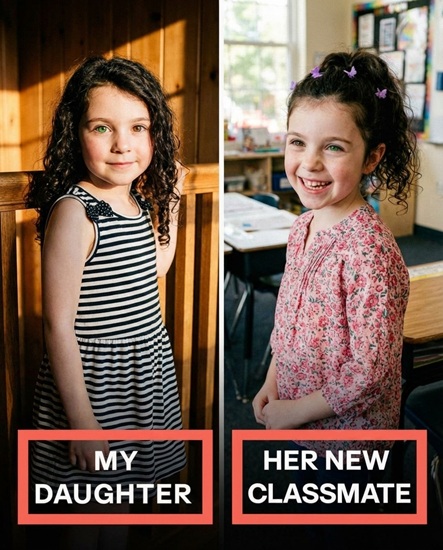
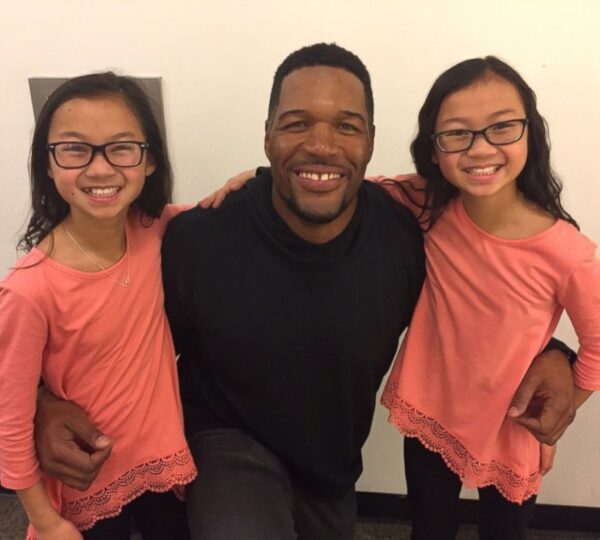
She described the girl in vivid detail—her features, her expressions, even the way she smiled—and every detail echoed the twin I had lost, stirring emotions I thought I had buried quietly long ago.
The next morning, my daughter showed me a photograph taken at school. My hands trembled as I saw the child standing beside my daughter, sharing uncanny similarities that could not be ignored or explained easily.
I barely slept that night, caught between disbelief and the overwhelming feeling that a hidden truth was waiting for me, a secret that might reshape everything I had believed about that painful night in the hospital.
The following day, I went to the school, heart racing, and saw the little girl with my own eyes. She was real, alive, and standing before me, innocent, unaware of her story, and radiating curiosity and warmth.
What followed was a painstaking conversation with school officials and the family raising her. Records from the hospital had been mishandled, and a terrible error had separated my daughter from me at birth, changing the course of our lives.
It became clear that my “lost” child had been raised by a loving family who cared for her deeply, unaware that their daughter was also my child. The revelation brought both relief and heartbreak in equal measure.
In the weeks that followed, there were meetings, countless phone calls, and long conversations aimed at building trust, understanding, and a path toward reconciling our intertwined families and the fractured histories that had kept us apart.

The first tentative interactions between the sisters were magical. They had no understanding of their true connection, yet their bond was immediate and natural, as if they had been waiting for one another for years without knowing it.
Watching them together brought tears and quiet joy. I realized that while I could never reclaim the years we had lost, I could nurture the present and future with care, love, and intention, rebuilding our family slowly.
The process was emotionally complex, requiring patience, empathy, and courage from everyone involved. Emotions ran high, but over time, understanding grew, and the families began to forge a shared sense of what came next and what mattered most.
Over time, daily routines became a mix of old traditions and new beginnings. Laughter, homework, bedtime stories, and school pickups all carried a renewed meaning, filled with gratitude, love, and a sense of purpose that had been missing before.
We celebrated birthdays together, shared milestones, and slowly wove our lives together, ensuring the sisters felt whole and loved, despite the years they had spent apart, unaware of the extraordinary circumstances of their connection.
I reflected often on the fragility of life and the ways in which small mistakes or oversights can ripple across years, altering destinies in ways we cannot anticipate, yet also teaching resilience, compassion, and humility.
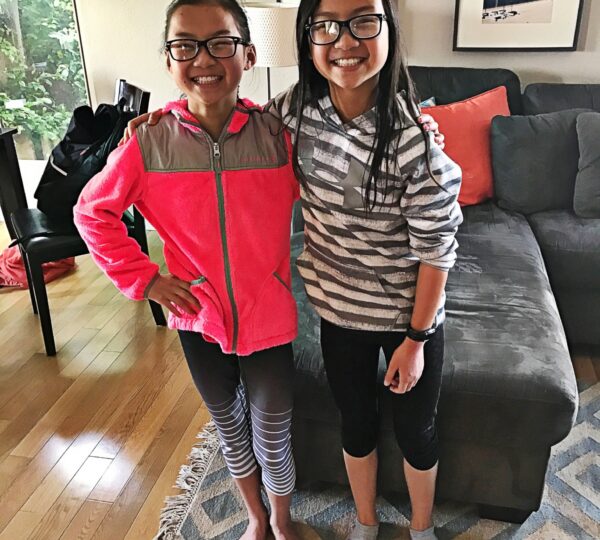
The surviving twin often spoke about her sister as if she had always been a part of her life, reinforcing the idea that love can transcend absence, time, and circumstance when nurtured deliberately and with intention.
I also learned to forgive the mistakes of the past, understanding that human error had caused this separation, but human love could heal it, slowly and deliberately, one careful interaction at a time, fostering trust and connection.
We documented our journey, keeping photographs, journals, and mementos, not as proof of pain, but as a record of resilience, hope, and the rediscovery of a family long thought broken, yet now becoming whole once more.
In time, our lives settled into a new rhythm, where shared experiences, bedtime stories, and daily laughter became symbols of a hard-won stability, and a deepening bond between the sisters strengthened by love and shared understanding.
Even mundane moments—school projects, playdates, and quiet dinners—took on extraordinary meaning. Each instance became an opportunity to embrace what we had once lost and celebrate what we had regained, strengthening bonds beyond imagination.
I began sharing the story cautiously, understanding that grief, recovery, and reunion were deeply personal, yet I hoped that others might see how fragile yet resilient life and love can be in unexpected ways.
The sisters, growing closer each day, reminded me that family is more than years lived together—it is love, attention, care, and shared experiences, created deliberately and consistently, moment by moment, through presence and dedication.
Looking back, I realized that the pain of separation had been profound, but the reunion had given us a second chance to build memories, trust, and joy that no record-keeping error could erase, only love could restore.
We have now established new traditions, honoring both the past and the present, ensuring that our story, while marked by loss, is ultimately defined by love, hope, and intentional connection, creating something beautiful from what was once fractured.
Every day, the girls remind me of life’s unpredictability and the extraordinary ways love can find a path through grief, mistake, and uncertainty, even when years have been lost to human error and mishandled circumstances.
The reunion has taught me about patience, forgiveness, and the importance of nurturing bonds deliberately, understanding that family is not only defined by history but by consistent, loving presence and shared experiences over time.
Now, six years later, the sisters laugh, learn, and grow together. Our family is larger, fuller, and more resilient, strengthened by challenges, mistakes, and the beautiful discovery of what had once been hidden and seemingly lost forever.
I hold every memory we create now with full attention, gratitude, and joy, realizing that though the past cannot be reclaimed, the present and future can be cultivated intentionally, creating a life full of love and connection.
This journey has reshaped my perspective on loss, parenting, and resilience. I now know that life is rarely linear, and moments of reconnection can restore hope in ways we never imagined possible, even after years of absence.
Though the story began with unimaginable grief, it now unfolds as one of extraordinary reunion, showing how families can heal, rediscover themselves, and nurture love that was never truly lost, despite human errors or years of separation.
Through this experience, I have learned that life’s hardest moments can evolve into its most meaningful ones, and that the bonds of family, once found, are strong enough to overcome years of absence and the mistakes of the past.
