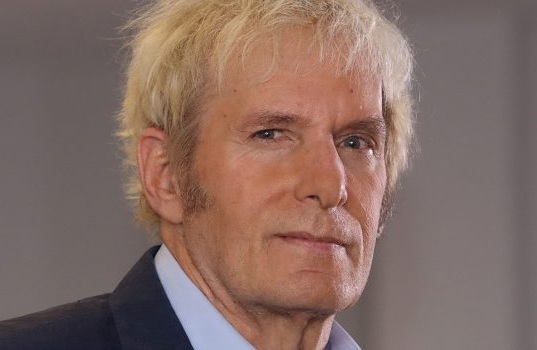
Singer Michael Bolton is battling brain cancer, according to a major update from his family.
Michael Bolton, the iconic “When a Man Loves a Woman” singer and multi‑Grammy Award‑winning artist, has spent decades winning fans around the world with his astonishing voice.
Emotional ballads, and heartfelt lyrics. With more than 65 million albums sold worldwide, Bolton’s place in music history is secure — but over the past two years.
He has faced a challenge far greater than any concert tour or recording session: a battle with glioblastoma, an aggressive and life‑threatening form of brain cancer.
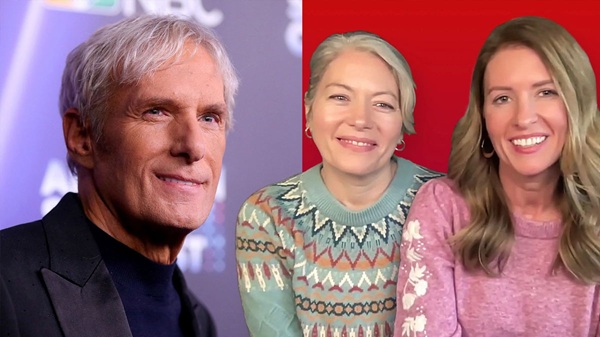
Recently, just days before Christmas, his three daughters — Isa, Holly, and Taryn — shared a major update about their father’s health in an in‑depth interview with AARP, offering fans and well‑wishers new insight into Bolton’s journey, his progress, and the profound impact of family support during his fight against this devastating illness.
A Sudden Diagnosis That Changed Everything
In mid‑December 2023, Michael Bolton began experiencing medical symptoms that were unusual and concerning for both himself and his family.
He suffered a troubling fall at home and began displaying other subtle but troubling changes, including issues with balance and short‑term memory — symptoms that would ultimately lead to a dramatic diagnosis.
Doctors diagnosed Bolton with glioblastoma (GBM), a rare and highly aggressive form of brain cancer.
This form of cancer develops within the neural support cells of the brain, grows rapidly, and is notoriously difficult to treat effectively for long‑term remission.
Almost immediately after the diagnosis, Bolton underwent emergency brain surgery in December 2023, during which surgeons were able to remove the visible tumor.
While the surgery itself was successful in removing the tumor tissue, glioblastoma is known for its ability to infiltrate surrounding brain cells — which is why additional treatments are always necessary.
In January 2024, Bolton underwent a second surgery after developing an infection related to the initial procedure.
In the months that followed, he completed a full course of radiation therapy and chemotherapy, a standard and aggressive treatment plan for glioblastoma patients in his age group.
He finished these treatments in October of 2024, but the fight — and the vigilance — did not end there.
Ongoing Treatment and Monitoring: The Work Continues
Because glioblastoma has a high recurrence rate — scientists estimate around 90% of cases will see tumor return over time — Bolton now undergoes MRI scans every two months to monitor for any signs the cancer has come back.
MRI imaging remains the gold standard for ongoing surveillance after glioblastoma treatment, allowing doctors to look for signs of new growth or changes in brain tissue.
For Bolton’s family, each scan is a moment of hope — and, at times, anxiety — as they wait for results and plan together for every next step in his care.
Family at the Center of the Fight
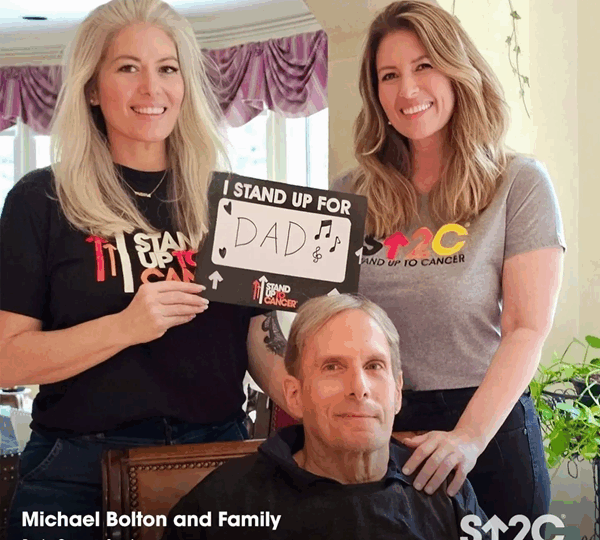
One of the most powerful themes in Bolton’s health journey has been the role his three daughters — Isa (50), Holly (48), and Taryn (46) — have played as not only caregivers, but emotional anchors and sources of strength.
Following his diagnosis, all three daughters stepped in to take on the responsibilities of caring for their father full‑time.
Each brought a unique strength and role to his daily routine and long‑term wellbeing:
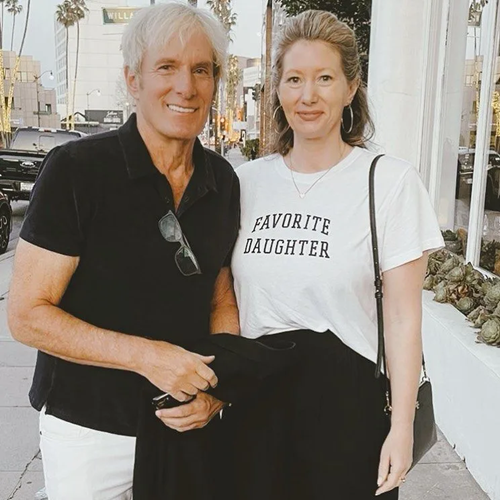
Taryn and her children live with Bolton in their longtime family home in Westport, Connecticut, where she provides round‑the‑clock care, companionship, and support.
Isa, the eldest, lives nearby and has been a frequent presence in his life, often bringing her own sons by to spend time with their grandfather.
Holly, who lives in California, travels back to Connecticut monthly to assist with hands‑on care, coordination of medical needs, and emotional support.
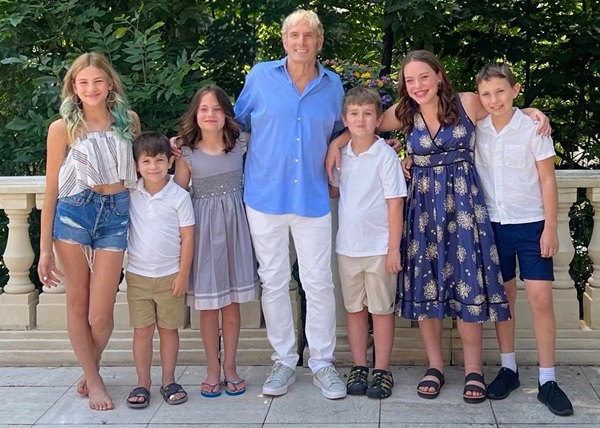
Together, they have become his primary caregivers — managing his medical care, coordinating appointments, supporting his emotional needs, and handling much of the daily logistics that come with caring for someone facing a chronic, life‑altering illness.
Caregiving Changes the Relationship
In their recent interview with AARP, the sisters described how caregiving has transformed their relationship with their father.
What once might have been typical parent‑child roles shifted into something deeper and more complex — a new dynamic built on collaboration, vulnerability, and shared resilience.
Isa explained that caring for her father has been both “challenging” and “rewarding,” forcing the family to confront emotions, memories, and interactions from a fresh perspective.
Rather than simply being their father’s children in the traditional sense, the sisters now find themselves as vital members of his care team — something that has ultimately brought them closer.
The emotional toll of caregiving is real. At times, each daughter has faced moments of fatigue, worry, or overwhelm — a reminder that caregiving is not just a role, but a deeply human experience that requires physical, mental, and emotional strength.
Michael Bolton Today: In Good Spirits and Surrounded by Love
Despite the seriousness of his illness and the daily challenges that come with ongoing treatment and monitoring, Bolton’s daughters reported a positive and hopeful health update in their Christmas interview.
“We’re proud and happy to update anyone who has been interested in following our dad’s journey that he is in very good spirits and very good health,” Isa Bolton said.
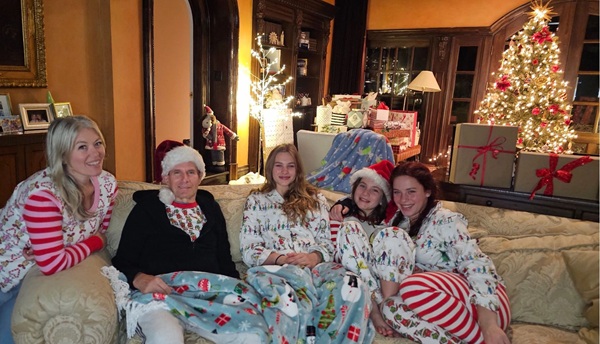
“He has a lot of challenges, and we do have great days and some tough days, but in general, he’s very strong. His mobility and cognition have been terrific. So, we’re in a really good place right now.”
Their message was one of cautious optimism — acknowledging the reality of the disease, but embracing the joy that comes with moments of strength, laughter, and connection with loved ones.
Bolton himself sent a heartfelt message to his fans. Reflecting on the past year, he said: “This past year has tested me in ways I never imagined, but it’s also made me more aware of the moments that fill life with meaning: having meals with my family, hearing my grandkids laugh, stepping outside on a beautiful day and just taking it in.”
His words underscore the emotional depth of his experience — not just the physical fight against a dangerous disease, but a renewed appreciation for the simple, precious parts of life that bring meaning and joy.
Support From Fans Matters
Bolton has also publicly expressed deep gratitude for the support he has received from his fans, friends, and well‑wishers across the globe.
He noted how the messages, prayers, and encouragement from people he’s never met have helped lift his spirits during difficult moments.
“Thank you, from the bottom of my heart,” Bolton has said. “Your messages, prayers, kindness … they’ve reached me in moments when I needed them most.”
This connection with his audience — the same audience that supported his music for decades — has become a meaningful part of his healing journey, reminding him that he’s not alone.
What Glioblastoma Is — And Why It’s So Challenging
To understand just how significant Bolton’s resilience is, it helps to know a bit more about the disease he’s fighting.
Glioblastoma is the most aggressive form of primary brain cancer. It arises in the supportive cells of the brain called glial cells, and because it spreads quickly and infiltrates surrounding brain tissue, full eradication is extremely difficult.
Standard treatment typically includes:
Surgical removal of as much of the tumor as safely possible.
Radiation therapy to target remaining cancer cells.
Chemotherapy, commonly with temozolomide, to slow or halt tumor cell replication.
Regular MRI monitoring, because recurrence is common even after aggressive treatment.
Despite advances in research and treatment, glioblastoma remains a very serious and often fatal condition, which makes the progress Bolton has achieved — and the positive signs his family reports — especially meaningful.
A Story of Love, Family, and Resilience
Through every scan, surgery, therapy session, and quiet moment at home, Michael Bolton’s cancer journey has been shaped by the people closest to him.
His daughters have stepped into roles that many families face — but few do so in the spotlight, and few do so with the grace, complexity, and honesty that this family has shown.
Their story is not just about illness, treatment, or medical facts. It’s about renewed appreciation for life’s small moments — laughter around the dinner table, jokes shared with grandchildren, the warmth of a loved one’s presence on a clear afternoon.
Michael Bolton’s battle with brain cancer is ongoing, and the future is still unwritten.
But in this chapter of his life, he is surrounded by love, supported by family, and held up by a community of fans who continue to send prayers and encouragement from around the world.
As his daughters said — and as Bolton himself expressed — some days are difficult, and some days are filled with joy.
But through it all, he continues to fight — not just for survival, but for the meaningful moments that make life worth living.
Michael Bolton, the iconic “When a Man Loves a Woman” singer and multi‑Grammy Award‑winning artist, has spent decades winning fans around the world with his astonishing voice.
Emotional ballads, and heartfelt lyrics. With more than 65 million albums sold worldwide, Bolton’s place in music history is secure — but over the past two years.
He has faced a challenge far greater than any concert tour or recording session: a battle with glioblastoma, an aggressive and life‑threatening form of brain cancer.
Recently, just days before Christmas, his three daughters — Isa, Holly, and Taryn — shared a major update about their father’s health in an in‑depth interview with AARP, offering fans and well‑wishers new insight into Bolton’s journey, his progress, and the profound impact of family support during his fight against this devastating illness.
A Sudden Diagnosis That Changed Everything
In mid‑December 2023, Michael Bolton began experiencing medical symptoms that were unusual and concerning for both himself and his family.
He suffered a troubling fall at home and began displaying other subtle but troubling changes, including issues with balance and short‑term memory — symptoms that would ultimately lead to a dramatic diagnosis.
Doctors diagnosed Bolton with glioblastoma (GBM), a rare and highly aggressive form of brain cancer.
This form of cancer develops within the neural support cells of the brain, grows rapidly, and is notoriously difficult to treat effectively for long‑term remission.
Almost immediately after the diagnosis, Bolton underwent emergency brain surgery in December 2023, during which surgeons were able to remove the visible tumor.
While the surgery itself was successful in removing the tumor tissue, glioblastoma is known for its ability to infiltrate surrounding brain cells — which is why additional treatments are always necessary.
In January 2024, Bolton underwent a second surgery after developing an infection related to the initial procedure.
In the months that followed, he completed a full course of radiation therapy and chemotherapy, a standard and aggressive treatment plan for glioblastoma patients in his age group.
He finished these treatments in October of 2024, but the fight — and the vigilance — did not end there.
Ongoing Treatment and Monitoring: The Work Continues
Because glioblastoma has a high recurrence rate — scientists estimate around 90% of cases will see tumor return over time — Bolton now undergoes MRI scans every two months to monitor for any signs the cancer has come back.
MRI imaging remains the gold standard for ongoing surveillance after glioblastoma treatment, allowing doctors to look for signs of new growth or changes in brain tissue.
For Bolton’s family, each scan is a moment of hope — and, at times, anxiety — as they wait for results and plan together for every next step in his care.
Family at the Center of the Fight
One of the most powerful themes in Bolton’s health journey has been the role his three daughters — Isa (50), Holly (48), and Taryn (46) — have played as not only caregivers, but emotional anchors and sources of strength.
Following his diagnosis, all three daughters stepped in to take on the responsibilities of caring for their father full‑time.
Each brought a unique strength and role to his daily routine and long‑term wellbeing:
Taryn and her children live with Bolton in their longtime family home in Westport, Connecticut, where she provides round‑the‑clock care, companionship, and support.
Isa, the eldest, lives nearby and has been a frequent presence in his life, often bringing her own sons by to spend time with their grandfather.
Holly, who lives in California, travels back to Connecticut monthly to assist with hands‑on care, coordination of medical needs, and emotional support.
Together, they have become his primary caregivers — managing his medical care, coordinating appointments, supporting his emotional needs, and handling much of the daily logistics that come with caring for someone facing a chronic, life‑altering illness.
Caregiving Changes the Relationship
In their recent interview with AARP, the sisters described how caregiving has transformed their relationship with their father.
What once might have been typical parent‑child roles shifted into something deeper and more complex — a new dynamic built on collaboration, vulnerability, and shared resilience.
Isa explained that caring for her father has been both “challenging” and “rewarding,” forcing the family to confront emotions, memories, and interactions from a fresh perspective.
Rather than simply being their father’s children in the traditional sense, the sisters now find themselves as vital members of his care team — something that has ultimately brought them closer.
The emotional toll of caregiving is real. At times, each daughter has faced moments of fatigue, worry, or overwhelm — a reminder that caregiving is not just a role, but a deeply human experience that requires physical, mental, and emotional strength.
Michael Bolton Today: In Good Spirits and Surrounded by Love
Despite the seriousness of his illness and the daily challenges that come with ongoing treatment and monitoring, Bolton’s daughters reported a positive and hopeful health update in their Christmas interview.
“We’re proud and happy to update anyone who has been interested in following our dad’s journey that he is in very good spirits and very good health,” Isa Bolton said.
“He has a lot of challenges, and we do have great days and some tough days, but in general, he’s very strong. His mobility and cognition have been terrific. So, we’re in a really good place right now.”
Their message was one of cautious optimism — acknowledging the reality of the disease, but embracing the joy that comes with moments of strength, laughter, and connection with loved ones.
Bolton himself sent a heartfelt message to his fans. Reflecting on the past year, he said: “This past year has tested me in ways I never imagined, but it’s also made me more aware of the moments that fill life with meaning: having meals with my family, hearing my grandkids laugh, stepping outside on a beautiful day and just taking it in.”
His words underscore the emotional depth of his experience — not just the physical fight against a dangerous disease, but a renewed appreciation for the simple, precious parts of life that bring meaning and joy.
Support From Fans Matters
Bolton has also publicly expressed deep gratitude for the support he has received from his fans, friends, and well‑wishers across the globe.
He noted how the messages, prayers, and encouragement from people he’s never met have helped lift his spirits during difficult moments.
“Thank you, from the bottom of my heart,” Bolton has said. “Your messages, prayers, kindness … they’ve reached me in moments when I needed them most.”
This connection with his audience — the same audience that supported his music for decades — has become a meaningful part of his healing journey, reminding him that he’s not alone.
What Glioblastoma Is — And Why It’s So Challenging
To understand just how significant Bolton’s resilience is, it helps to know a bit more about the disease he’s fighting.
Glioblastoma is the most aggressive form of primary brain cancer. It arises in the supportive cells of the brain called glial cells, and because it spreads quickly and infiltrates surrounding brain tissue, full eradication is extremely difficult.
Standard treatment typically includes:
Surgical removal of as much of the tumor as safely possible.
Radiation therapy to target remaining cancer cells.
Chemotherapy, commonly with temozolomide, to slow or halt tumor cell replication.
Regular MRI monitoring, because recurrence is common even after aggressive treatment.
Despite advances in research and treatment, glioblastoma remains a very serious and often fatal condition, which makes the progress Bolton has achieved — and the positive signs his family reports — especially meaningful.
A Story of Love, Family, and Resilience
Through every scan, surgery, therapy session, and quiet moment at home, Michael Bolton’s cancer journey has been shaped by the people closest to him.
His daughters have stepped into roles that many families face — but few do so in the spotlight, and few do so with the grace, complexity, and honesty that this family has shown.
Their story is not just about illness, treatment, or medical facts. It’s about renewed appreciation for life’s small moments — laughter around the dinner table, jokes shared with grandchildren, the warmth of a loved one’s presence on a clear afternoon.
Michael Bolton’s battle with brain cancer is ongoing, and the future is still unwritten.
But in this chapter of his life, he is surrounded by love, supported by family, and held up by a community of fans who continue to send prayers and encouragement from around the world.
As his daughters said — and as Bolton himself expressed — some days are difficult, and some days are filled with joy.
But through it all, he continues to fight — not just for survival, but for the meaningful moments that make life worth living.


