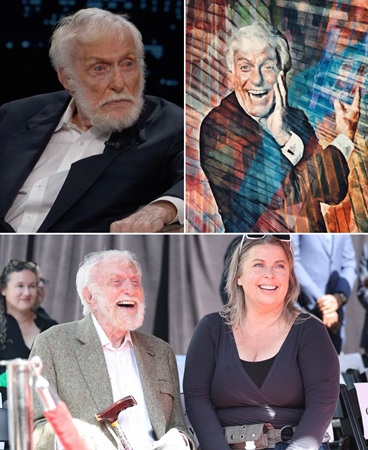
On a sunlit afternoon in Malibu, California, the air was charged with warmth and anticipation, though no stage lights shone and no music played before the event began.
The room seemed ordinary at first glance, yet the moment Dick Van Dyke entered, it transformed.
At nearly 100 years old, the beloved actor and entertainer carried with him a familiar energy — that twinkle in his eye and infectious smile that instantly made everyone feel lighter, as if they had stepped back into childhood.
Minutes earlier, Van Dyke had led a two-hour sing-along, co-hosted with his wife, Arlene Silver.
The event was designed to raise funds for the Van Dyke Endowment of the Arts and the in-development Dick Van Dyke Museum, two initiatives close to his heart.
But more than a fundraiser, the gathering was a celebration of human connection, creativity, and the joy of music.
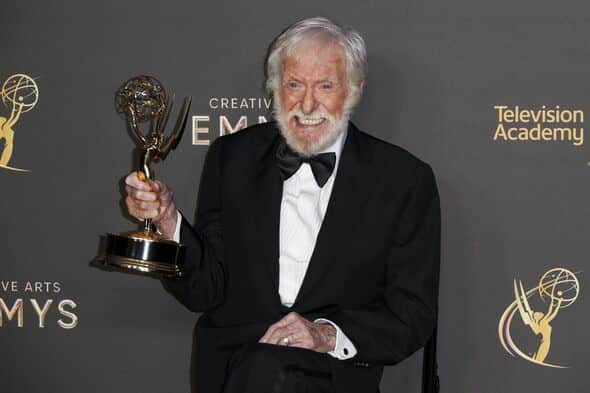
Van Dyke made it clear from the start that the afternoon was about more than nostalgia; it was about reviving a certain art that he feels is fading — the art of genuine conversation and presence.
“There are several reasons for doing this — all of them good — but for me, it’s about bringing back the art of conversation,” Van Dyke said, his voice gentle yet commanding attention without demanding it.
He observed the subtle ways people have grown disconnected despite being physically close: couples sitting together in restaurants or on buses, engrossed in their devices rather than sharing a moment.
He gently nudged the audience to acknowledge the common experience of living in the digital ether, while physically in the presence of others.
In a tone that combined humility with a touch of humor, Van Dyke revealed a detail that took the audience by surprise.
“I may be the only person in the United States over 10 who does not have a cell phone. I don’t have a phone,” he confessed.
A few chuckles rippled through the crowd, but many fell silent, struck by the weight of the observation.
The point was not the absence of a device itself, but what it represented: the displacement of simple, human interaction by digital distraction.
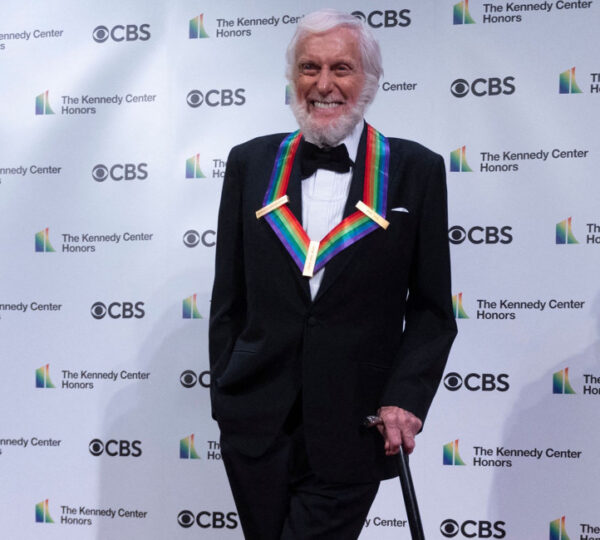
This moment crystallized one of the event’s underlying themes — the value of being present and engaged, of conversations held without interruption or expectation.
The afternoon’s program was a carefully curated journey through Van Dyke’s remarkable career.
Though the day was in part a celebration of his upcoming 100th birthday on December 13, it was also a testament to a lifetime dedicated to joy, artistry, and performance.
From the opening note, the audience was swept into the familiar, whimsical worlds Van Dyke has helped create over decades.
He opened with “Chitty Chitty Bang Bang,” the instantly recognizable song that immediately evoked a sense of playfulness and nostalgia.
Joining him were The Vantastix, a vocal group known for their harmony and energy, adding depth and texture to the performance.
As the set progressed, Van Dyke invited the audience to participate, creating a communal, interactive experience rather than a passive show.
Songs like “Supercalifragilisticexpialidocious” had the audience laughing and singing along, while classics like “You Two” and “Carolina in the Morning” prompted smiles of recognition and murmurs of delight.
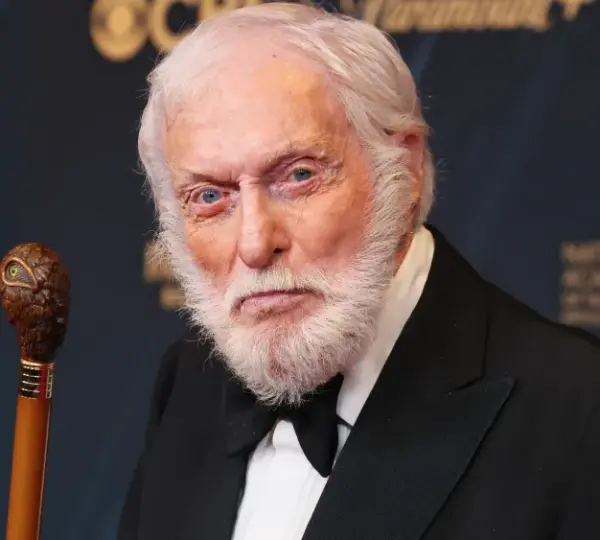
Perhaps most poignant was the performance of the theme from The Dick Van Dyke Show, a melody so familiar that many attendees admitted they didn’t realize they were smiling until the tune lingered in their minds.
These songs were more than entertainment; they were a bridge connecting generations.
Children, parents, and grandparents alike shared a sense of belonging, remembering Van Dyke’s influence on their own lives and appreciating the shared cultural touchstones.
Beyond the music, Van Dyke’s interactions with the audience conveyed warmth and attentiveness.
He encouraged participants to join in, to raise their voices together, and to experience music as a communal act rather than a solitary one.
This emphasis on shared joy was consistent with his broader message about human connection.
He spoke with an awareness of the digital age’s challenges, where devices often replace dialogue, and presence is measured in status updates rather than attention.
During a Q&A segment, a member of the audience asked Van Dyke what he loves most about Christmas. Without hesitation, he replied: the singing and the caroling.
His answer reflected the entire ethos of the afternoon — a celebration not just of his career, but of community, shared experiences, and the simple pleasures that bind people together.
The event, after all, was as much about human presence as it was about music or nostalgia.
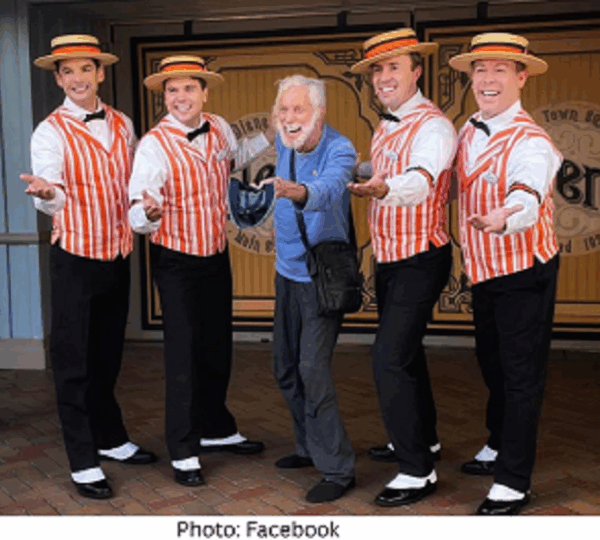
It was a demonstration of the enduring power of joy and togetherness, curated by someone who has spent a century perfecting the art of making others smile.
The sing-along was not just an exercise in reminiscence. It was a demonstration of the vitality and energy Van Dyke still possesses at nearly 100.
His movements were sprightly, his expressions animated, and his voice clear and engaging.
Volunteers and co-hosts noted that maintaining the pace of a two-hour event with interactive singing, storytelling, and audience engagement requires not only stamina but a deep understanding of performance.
Van Dyke’s ability to sustain both the energy and the intimacy of the experience was a testament to his lifelong dedication to his craft.
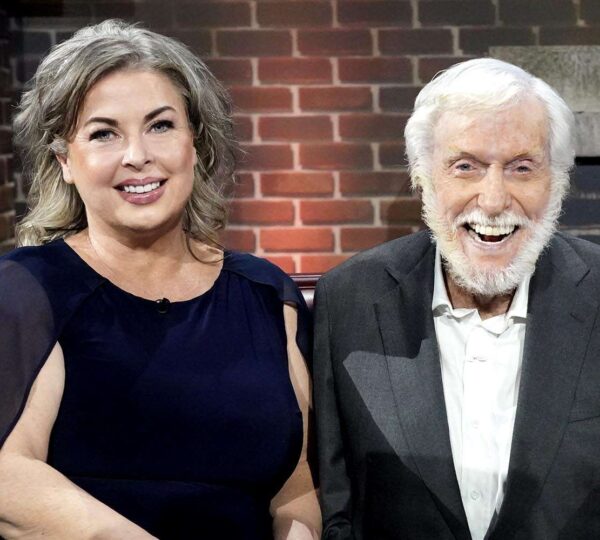
Arlene Silver’s presence alongside Van Dyke added another layer of warmth and accessibility.
She seamlessly facilitated transitions between songs, helped cue audience participation, and provided a supportive presence that highlighted the couple’s personal and professional partnership.
Together, they exemplified teamwork, balance, and shared passion for the arts.
Audience reactions reflected the unique nature of the afternoon. Families clapped and sang in unison, often pausing to absorb Van Dyke’s stories about the origins of certain songs or anecdotes from his career.
Laughter and applause punctuated key moments, but what stood out most was the quiet attentiveness during reflective parts of the event.
The confession about not owning a cell phone, for instance, prompted moments of silent contemplation among the crowd — a rare experience in today’s digitally-saturated world.
Behind the scenes, the event was meticulously organized to honor Van Dyke’s legacy while fostering meaningful engagement.
Technical staff ensured sound quality was pristine, volunteers coordinated seating and songbooks, and organizers carefully managed transitions to allow for both performance and audience interaction.
Every detail was designed to enhance the sense of community and immersion, reinforcing the evening’s central themes of connection, presence, and shared joy.
As the afternoon concluded, Van Dyke led the audience in a final sing-along, blending several iconic numbers into a medley that captured the spirit of celebration and continuity.
The crowd sang with enthusiasm, voices rising and intertwining in harmony.
The energy in the room was palpable, a collective acknowledgment of both Van Dyke’s artistic contributions and the shared human experiences he has long celebrated through music and performance.
When the event finally ended, attendees left with more than memories of songs and anecdotes.
They carried a reminder of the importance of conversation, the value of presence, and the joy of communal experience.
For Dick Van Dyke, the afternoon was not merely about performing or celebrating a milestone birthday.
It was a deliberate effort to reconnect people with the simple, yet profound, pleasures of shared humanity.
In reflecting on the event, one observer noted that Van Dyke’s influence extends far beyond entertainment.
His commitment to fostering real connection, maintaining kindness, and celebrating the small joys in life serves as a model for audiences young and old.
Nearly 100 years into his life, he continues to demonstrate that energy, curiosity, and a playful spirit can bridge generational gaps and inspire meaningful human engagement.
Ultimately, the Malibu sing-along served as a testament to a lifetime of artistry and empathy.
It underscored the enduring relevance of Dick Van Dyke’s work, not only for its musical and comedic achievements but for its celebration of human connection, community, and presence.
In an era dominated by digital distraction, the event offered a reminder that some of life’s most valuable experiences come from being fully present with one another, sharing voices, stories, and laughter in real time.
On a sunlit afternoon in Malibu, California, the air was charged with warmth and anticipation, though no stage lights shone and no music played before the event began.
The room seemed ordinary at first glance, yet the moment Dick Van Dyke entered, it transformed.
At nearly 100 years old, the beloved actor and entertainer carried with him a familiar energy — that twinkle in his eye and infectious smile that instantly made everyone feel lighter, as if they had stepped back into childhood.
Minutes earlier, Van Dyke had led a two-hour sing-along, co-hosted with his wife, Arlene Silver.
The event was designed to raise funds for the Van Dyke Endowment of the Arts and the in-development Dick Van Dyke Museum, two initiatives close to his heart.
But more than a fundraiser, the gathering was a celebration of human connection, creativity, and the joy of music.
Van Dyke made it clear from the start that the afternoon was about more than nostalgia; it was about reviving a certain art that he feels is fading — the art of genuine conversation and presence.
“There are several reasons for doing this — all of them good — but for me, it’s about bringing back the art of conversation,” Van Dyke said, his voice gentle yet commanding attention without demanding it.
He observed the subtle ways people have grown disconnected despite being physically close: couples sitting together in restaurants or on buses, engrossed in their devices rather than sharing a moment.
He gently nudged the audience to acknowledge the common experience of living in the digital ether, while physically in the presence of others.
In a tone that combined humility with a touch of humor, Van Dyke revealed a detail that took the audience by surprise.
“I may be the only person in the United States over 10 who does not have a cell phone. I don’t have a phone,” he confessed.
A few chuckles rippled through the crowd, but many fell silent, struck by the weight of the observation.
The point was not the absence of a device itself, but what it represented: the displacement of simple, human interaction by digital distraction.
This moment crystallized one of the event’s underlying themes — the value of being present and engaged, of conversations held without interruption or expectation.
The afternoon’s program was a carefully curated journey through Van Dyke’s remarkable career.
Though the day was in part a celebration of his upcoming 100th birthday on December 13, it was also a testament to a lifetime dedicated to joy, artistry, and performance.
From the opening note, the audience was swept into the familiar, whimsical worlds Van Dyke has helped create over decades.
He opened with “Chitty Chitty Bang Bang,” the instantly recognizable song that immediately evoked a sense of playfulness and nostalgia.
Joining him were The Vantastix, a vocal group known for their harmony and energy, adding depth and texture to the performance.
As the set progressed, Van Dyke invited the audience to participate, creating a communal, interactive experience rather than a passive show.
Songs like “Supercalifragilisticexpialidocious” had the audience laughing and singing along, while classics like “You Two” and “Carolina in the Morning” prompted smiles of recognition and murmurs of delight.
Perhaps most poignant was the performance of the theme from The Dick Van Dyke Show, a melody so familiar that many attendees admitted they didn’t realize they were smiling until the tune lingered in their minds.
These songs were more than entertainment; they were a bridge connecting generations.
Children, parents, and grandparents alike shared a sense of belonging, remembering Van Dyke’s influence on their own lives and appreciating the shared cultural touchstones.
Beyond the music, Van Dyke’s interactions with the audience conveyed warmth and attentiveness.
He encouraged participants to join in, to raise their voices together, and to experience music as a communal act rather than a solitary one.
This emphasis on shared joy was consistent with his broader message about human connection.
He spoke with an awareness of the digital age’s challenges, where devices often replace dialogue, and presence is measured in status updates rather than attention.
During a Q&A segment, a member of the audience asked Van Dyke what he loves most about Christmas. Without hesitation, he replied: the singing and the caroling.
His answer reflected the entire ethos of the afternoon — a celebration not just of his career, but of community, shared experiences, and the simple pleasures that bind people together.
The event, after all, was as much about human presence as it was about music or nostalgia.
It was a demonstration of the enduring power of joy and togetherness, curated by someone who has spent a century perfecting the art of making others smile.
The sing-along was not just an exercise in reminiscence. It was a demonstration of the vitality and energy Van Dyke still possesses at nearly 100.
His movements were sprightly, his expressions animated, and his voice clear and engaging.
Volunteers and co-hosts noted that maintaining the pace of a two-hour event with interactive singing, storytelling, and audience engagement requires not only stamina but a deep understanding of performance.
Van Dyke’s ability to sustain both the energy and the intimacy of the experience was a testament to his lifelong dedication to his craft.
Arlene Silver’s presence alongside Van Dyke added another layer of warmth and accessibility.
She seamlessly facilitated transitions between songs, helped cue audience participation, and provided a supportive presence that highlighted the couple’s personal and professional partnership.
Together, they exemplified teamwork, balance, and shared passion for the arts.
Audience reactions reflected the unique nature of the afternoon. Families clapped and sang in unison, often pausing to absorb Van Dyke’s stories about the origins of certain songs or anecdotes from his career.
Laughter and applause punctuated key moments, but what stood out most was the quiet attentiveness during reflective parts of the event.
The confession about not owning a cell phone, for instance, prompted moments of silent contemplation among the crowd — a rare experience in today’s digitally-saturated world.
Behind the scenes, the event was meticulously organized to honor Van Dyke’s legacy while fostering meaningful engagement.
Technical staff ensured sound quality was pristine, volunteers coordinated seating and songbooks, and organizers carefully managed transitions to allow for both performance and audience interaction.
Every detail was designed to enhance the sense of community and immersion, reinforcing the evening’s central themes of connection, presence, and shared joy.
As the afternoon concluded, Van Dyke led the audience in a final sing-along, blending several iconic numbers into a medley that captured the spirit of celebration and continuity.
The crowd sang with enthusiasm, voices rising and intertwining in harmony.
The energy in the room was palpable, a collective acknowledgment of both Van Dyke’s artistic contributions and the shared human experiences he has long celebrated through music and performance.
When the event finally ended, attendees left with more than memories of songs and anecdotes.
They carried a reminder of the importance of conversation, the value of presence, and the joy of communal experience.
For Dick Van Dyke, the afternoon was not merely about performing or celebrating a milestone birthday.
It was a deliberate effort to reconnect people with the simple, yet profound, pleasures of shared humanity.
In reflecting on the event, one observer noted that Van Dyke’s influence extends far beyond entertainment.
His commitment to fostering real connection, maintaining kindness, and celebrating the small joys in life serves as a model for audiences young and old.
Nearly 100 years into his life, he continues to demonstrate that energy, curiosity, and a playful spirit can bridge generational gaps and inspire meaningful human engagement.
Ultimately, the Malibu sing-along served as a testament to a lifetime of artistry and empathy.
It underscored the enduring relevance of Dick Van Dyke’s work, not only for its musical and comedic achievements but for its celebration of human connection, community, and presence.
In an era dominated by digital distraction, the event offered a reminder that some of life’s most valuable experiences come from being fully present with one another, sharing voices, stories, and laughter in real time.