
The cold hit me the moment I stepped out of my car, sharper than anything I expected. Snow had fallen lightly overnight, and a bitter wind made the neighborhood eerily quiet and empty.
Even before knocking, the house felt wrong. The yard was overgrown, the gate sagging, and the faint outline of broken curtains hinted at years of neglect, setting an uneasy tone that made me hesitate for just a moment.
The instructions had simply said: “Knock loud.” There were no other details—no warning about the resident, no hint about what I might encounter inside the house, just a straightforward, minimal request.
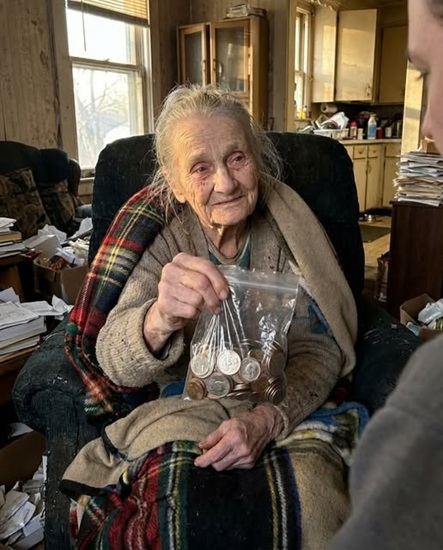
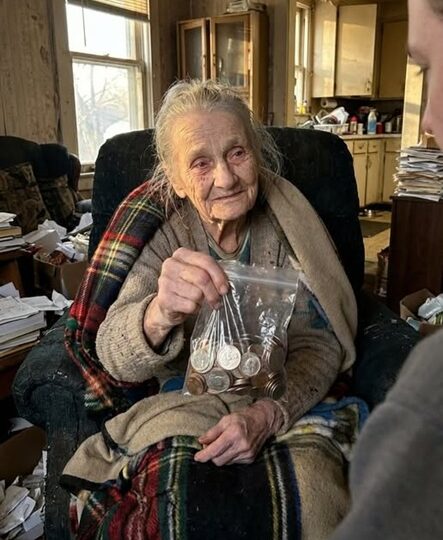
Stepping inside, I was met with darkness and a chill that seeped into my bones. A single candle flickered on the table, illuminating a frail, elderly woman wrapped in multiple blankets.
She sat quietly, her eyes wary yet hopeful, and offered me a plastic bag filled with coins, indicating she wanted to pay for her pizza. Her hands trembled as she handed it over.
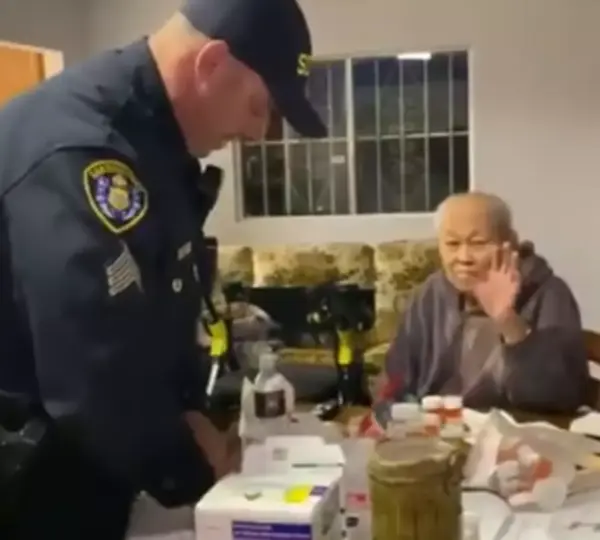
I could see that her room was barely furnished. The walls were cracked, the floorboards creaked underfoot, and the only heat seemed to come from that lone candle, creating an atmosphere both fragile and somber.
It became immediately clear that this wasn’t simply a meal delivery. The sparse contents of her fridge and the way she clutched her blanket suggested this might be her only warm meal of the day.
I told her the pizza was already covered, refusing to accept her coins. Her eyes widened slightly, a mixture of surprise and gratitude, and for a moment, we shared a silent understanding that went beyond words.
As I left the house, the cold outside felt sharper, and my mind refused to focus on anything else. I couldn’t shake the image of her frail figure sitting alone, candlelight flickering against the dark walls.
Sitting in my car, I realized that leaving her in that state felt wrong. The instinct to act, to ensure her safety, overcame the thought of simply completing my delivery and moving on.
I contacted local authorities, requesting a welfare check. I explained the situation as clearly as possible, emphasizing the frailty of the resident and her living conditions, hoping someone would intervene before it was too late.
Driving past her house later that night, I was met with flashing lights and the sight of an ambulance outside. Paramedics were assisting her into a stretcher, moving carefully through the cold night.
She looked directly at me and said, “This is your fault.” Her words were soft, but the weight behind them made me pause, shaking off the instinct to rationalize my actions immediately.
For days afterward, I couldn’t get her words out of my mind. Had I overstepped? Was I wrong to involve authorities, even if my intentions were purely to help? The doubt gnawed at me constantly.
Neighbors, some curious and some critical, asked questions about what had happened. Their inquiries made me reconsider my approach, wondering whether an act of help could unintentionally cause harm.
I reflected repeatedly on the situation, imagining the delicate balance between helping someone and respecting their independence. Could one ever truly know the best way to intervene in such vulnerable circumstances?
A week later, I returned to deliver another order, my nerves tense with anticipation. I wasn’t sure what I would find, or how the elderly woman would react after the previous week’s events.
To my surprise, the house was different. Warm light spilled from the windows, and I could hear voices and laughter mingling with the faint smell of cooked food drifting from the kitchen.
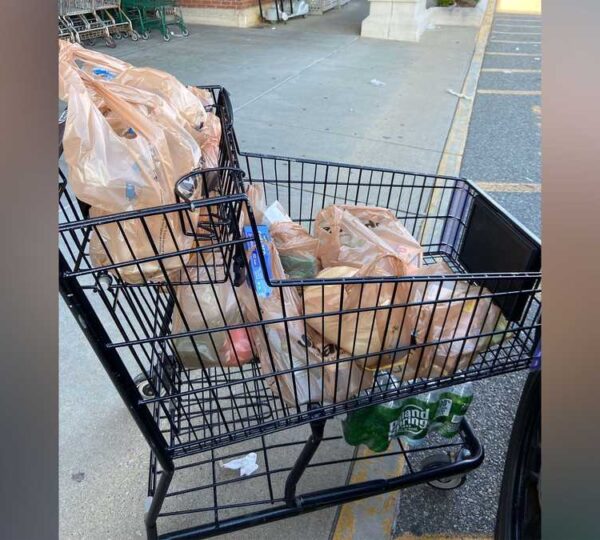
Inside, the home was no longer stark and lonely. Groceries lined the counters, furniture had been moved to accommodate easier living, and warmth radiated through the space in a tangible way.

The elderly woman looked healthier, calmer, and stronger than the previous week. Her blankets were folded neatly, and she greeted me with a genuine smile that reflected relief rather than resentment.
She thanked me sincerely for what I had done. Unlike the tense words during the ambulance visit, these words carried weight, a true acknowledgment that my actions had contributed to meaningful change.
I learned that neighbors had come together, checking in, helping with groceries, and organizing regular visits. What had seemed like a single act of intervention had catalyzed a network of support around her.
Seeing her now surrounded by care, I realized that my initial doubts, my guilt over crossing boundaries, were misplaced. The right action had ripple effects beyond what I could immediately perceive.
The experience taught me that sometimes, doing the right thing doesn’t feel comfortable or easy in the moment. Its benefits may only become clear later, often in ways that surpass expectations.
It also reminded me that vulnerable individuals cannot always advocate for themselves, and that small acts of intervention, when done thoughtfully, can have profound impacts on their safety and well-being.
I continued to check in occasionally, delivering food, offering small necessities, and ensuring she had access to services, all while allowing her dignity and autonomy to remain intact.
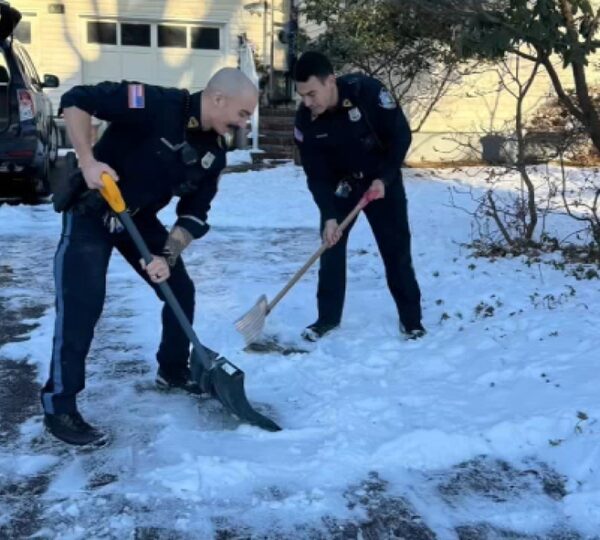
Local authorities confirmed she was now receiving regular assistance, including home health visits, heating support, and social services. This network had formed because someone chose to act, even when it felt uncertain.
Neighbors reported that she had begun engaging socially again, talking with them over tea, sharing stories, and laughing in a way I hadn’t seen during my first visit.
The house, once cold and empty, now reflected life and care. Windows were clean, furniture arranged thoughtfully, and the atmosphere exuded warmth and community instead of isolation.
It struck me that a single choice—to refuse her coins, to call for help—had altered not only her circumstances but also the neighborhood’s engagement with one another.
Reflecting on the experience, I realized that doing good isn’t always immediately gratifying. It may be confusing, uncomfortable, or even met with resistance initially.
Yet, even small interventions can set larger, positive changes in motion. The house was now a beacon of care, and her life had improved in tangible ways because someone dared to act.
The woman’s journey from isolation to support reminded me that community is often dormant until activated by acts of conscience and empathy, requiring individuals to notice and act without delay.
It also reinforced the idea that independence and help are not mutually exclusive. With the right approach, assistance can strengthen autonomy, giving someone the tools to thrive rather than fostering dependency.
In my case, it required humility to recognize that my well-intentioned intervention could have been perceived negatively. Listening, observing, and acting carefully allowed the outcome to remain positive.
The gratitude expressed that week wasn’t only directed at me. It reflected a broader acknowledgment of the neighbors, paramedics, and services that had collectively improved her living conditions and well-being.
By the time I left that evening, I felt a profound sense of closure. The fear, uncertainty, and self-doubt had been replaced with relief, hope, and reassurance that a small gesture could ripple outward dramatically.
Since then, I’ve carried that lesson with me in other situations—acknowledging that interventions, even if uncomfortable or questioned, can initiate meaningful change when guided by genuine concern.
The woman’s story is a reminder that empathy, vigilance, and courage in moments of moral uncertainty can create lasting benefits, both for individuals and for entire communities.
I now consider that night a turning point, one that reshaped my understanding of helping others, responsibility, and the unexpected ways kindness can impact lives.
Even in everyday actions—delivering a meal, checking in, offering a smile—opportunities exist to make a meaningful difference for those who may otherwise be forgotten.
The warmth, groceries, and supportive neighbors that now surround her illustrate the exponential power of community care, activated by one act of conscience in a cold, quiet moment.
What initially felt like a mistake ultimately became a catalyst for transformation, showing that courage, thoughtfulness, and empathy can redefine someone’s quality of life profoundly.
Ultimately, this experience reinforced that doing the right thing doesn’t always feel immediately rewarding, but its consequences can shape lives in ways one could never anticipate, far beyond the initial act.
The story stands as a lesson: observing, listening, and choosing to intervene responsibly can turn a seemingly minor decision into life-altering change for someone in need.
