

Most people use their smartphones every single day, often for hours at a time, yet they only take advantage of a small portion of the features built into their devices.
Modern smartphones, whether iPhone or Android, are designed with many practical tools that can improve daily convenience, speed, and overall usability without requiring additional apps or technical knowledge.
In many cases, users continue using their phones in the same basic way for years, without realizing how many small settings and shortcuts could make their experience easier and more efficient.
The goal is not to completely change how you use your phone, but rather to make small adjustments that gradually improve comfort and productivity over time.
One of the simplest and most useful features is the ability to quickly silence incoming calls without fully rejecting them.
On most devices, pressing the volume-down button immediately reduces or silences the ringing, which can be helpful in meetings, public places, or quiet environments.
This small action allows you to stay respectful of your surroundings while still maintaining control over your incoming notifications.
Another extremely practical feature is fast camera access, which helps you capture important moments without delay.
On iPhones, swiping left on the lock screen opens the camera instantly, even without unlocking the device.
On many Android phones, double-pressing the power button provides similar quick access to the camera application.
These shortcuts are especially useful when something unexpected or time-sensitive appears, allowing you to take a photo or video within seconds.
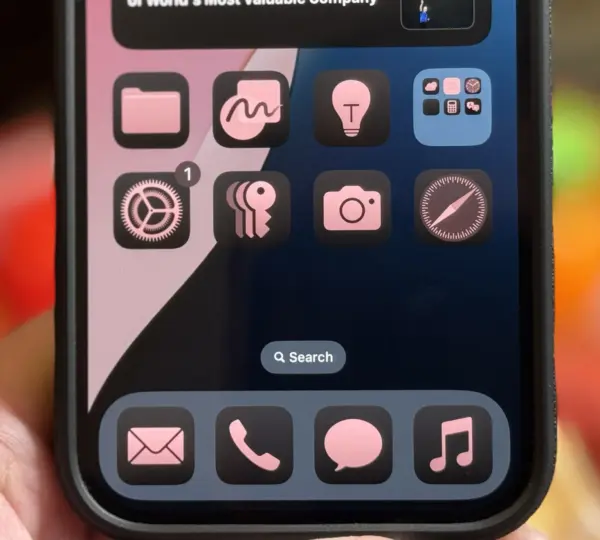
Beyond shortcuts, home screen customization plays an important role in improving how efficiently you interact with your phone.
Widgets are one of the most overlooked features, yet they provide at-a-glance information without needing to open individual applications.
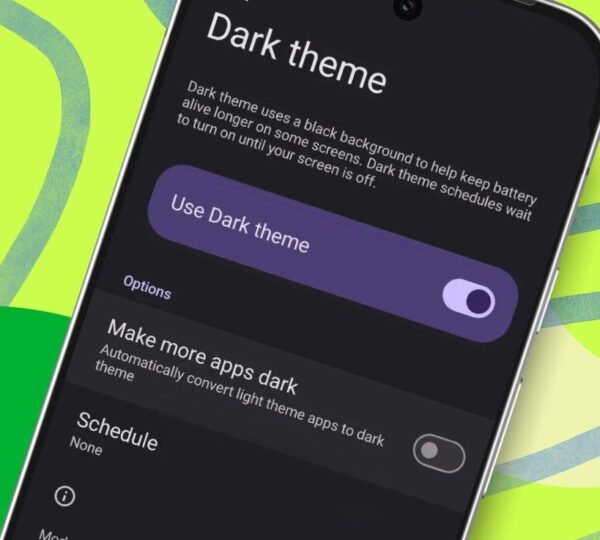
Common widgets include weather updates, calendar events, reminders, clock displays, music controls, and even health or fitness summaries depending on the device.
By organizing widgets properly, users can reduce the time spent navigating through multiple apps throughout the day.
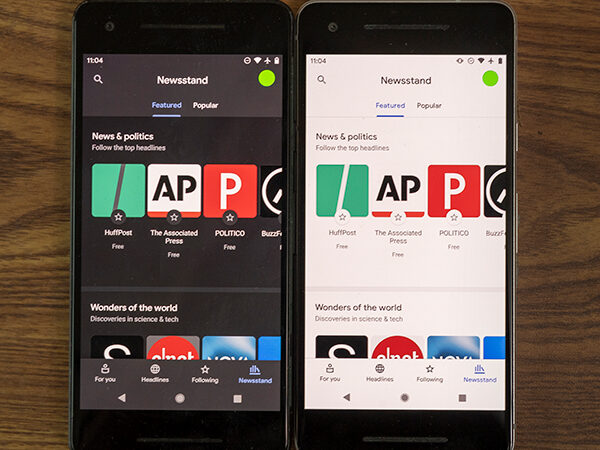
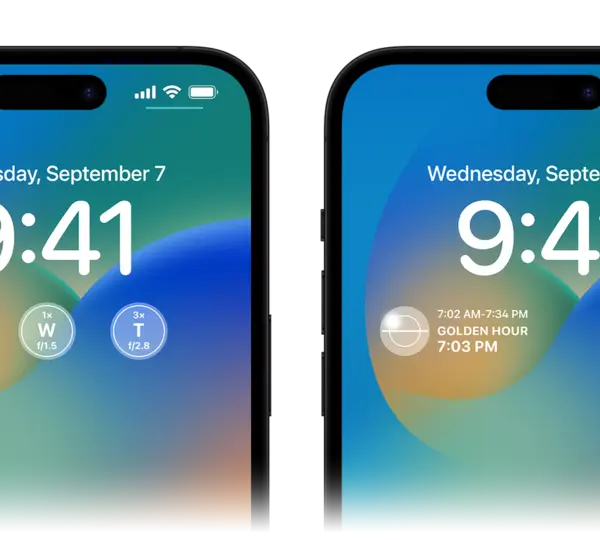
Another useful customization option is Dark Mode, which changes the interface to darker tones for improved visual comfort.
Dark Mode is often preferred in low-light environments because it reduces brightness and can make screen viewing easier on the eyes.
Many users also find that Dark Mode contributes to a more comfortable experience during nighttime phone use.
In some cases, it may also help conserve battery life on devices with OLED or AMOLED screens, although results can vary depending on usage and settings.
Battery management is another important aspect of maintaining a smooth smartphone experience over time.
Instead of relying on one major adjustment, small consistent habits often produce better long-term results.
One helpful option is enabling Battery Saver or Low Power Mode when the battery level drops or when extended usage is expected.
Another effective practice is allowing automatic brightness adjustment, which helps the phone adapt to lighting conditions without manual changes.
Reducing background activity for apps that are rarely used can also help improve overall battery efficiency.
These settings do not significantly change how the phone feels during normal use, but they help reduce unnecessary energy consumption in the background.
Over time, smartphones can also slow down due to storage limitations or accumulated unused data.
Regular maintenance can help keep performance stable and responsive without requiring advanced technical skills.
This includes uninstalling applications that are no longer needed or used frequently.
Clearing cached data occasionally can also help free up space and improve system responsiveness.
Keeping the device updated with the latest software version is another important step for maintaining security and performance stability.
These updates often include improvements that optimize speed, fix bugs, and enhance compatibility with applications.
It is not necessary to perform maintenance tasks frequently, but doing so occasionally can make a noticeable difference over time.
Another important factor in phone performance is managing storage space responsibly.
When storage becomes too full, devices may slow down or struggle to run certain processes smoothly.
By periodically reviewing photos, videos, and files, users can free up space and maintain better device performance.
Cloud storage options can also help reduce pressure on internal storage while keeping important files accessible.
Overall, smartphone efficiency is not about mastering every feature at once, but about gradually improving how you use what is already available.
Small adjustments made consistently over time often lead to a smoother, faster, and more comfortable user experience.
Instead of viewing your phone as something complicated, it becomes a practical tool that adapts to your needs more effectively.
With a bit of awareness and occasional adjustments, your smartphone can feel less overwhelming and more supportive in everyday life.
In the end, the most effective way to get more from your phone is not by adding complexity, but by simplifying how you interact with it.
