
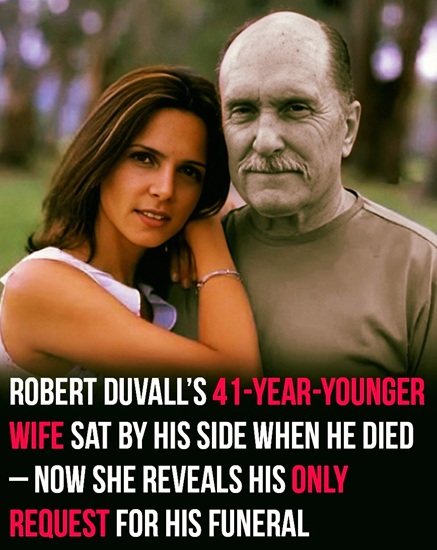
Hollywood is in mourning following the death of one of its most revered actors, whose range, depth, and intensity helped define modern American cinema.
Robert Duvall, whose career of more than seven decades included some of the most iconic performances in film history, passed away on February 15, 2026, at the age of 95.
His wife announced that he died peacefully at home in Virginia “surrounded by love and comfort.” As tributes pour in from across the entertainment world, Duvall’s passing marks the end of a remarkable era — not only for Hollywood but for generations of audiences who were shaped by his performances in classics such as The Godfather, Apocalypse Now, To Kill a Mockingbird, Tender Mercies, Lonesome Dove, and many others.
A Storied Life From Humble Beginnings to Hollywood Immortality
Early Life and Formative Years
Robert Selden Duvall was born January 5, 1931, in San Diego, California, into a family with deep military roots.
His father was a U.S. Navy rear admiral, and much of Duvall’s youth was spent moving between postings, including time in the Washington, D.C., area and Maryland.
These early experiences instilled in him a sense of discipline and curiosity about human behavior — traits that would later inform his nuanced portrayals of complex characters.
Duvall attended Severn School and later majored in drama at Principia College in Illinois, where he began to seriously pursue acting.
After graduating, he served in the U.S. Army from 1953 to 1955, during the Korean War era, before moving to New York to train professionally with acting coach Sanford Meisner. His early training grounded him in emotional authenticity — a hallmark that would define his career.
Breakthroughs and Hollywood Ascendance
Film Debut and Early Roles
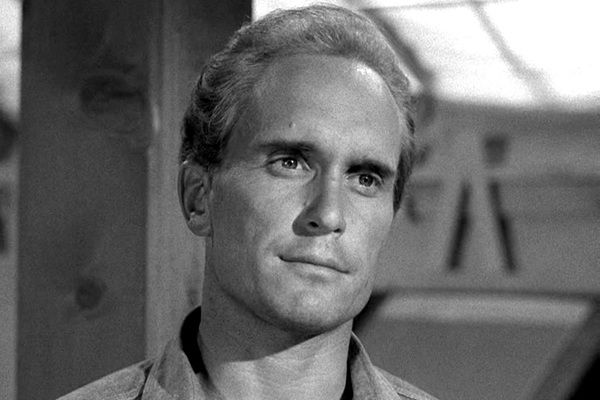
Duvall’s film debut came in 1962 as the enigmatic and deeply human Boo Radley in To Kill a Mockingbird. The role was small but unforgettable, hinting at the profound sensitivity and depth that he would bring to his performances throughout his career.
The 1960s and 1970s were a period of dynamic change in American cinema, often referred to as the New Hollywood era, when directors and actors pushed boundaries and explored new storytelling depths.
Duvall emerged as one of the era’s most compelling actors, fully capable of transforming himself into characters both gentle and savage, introspective and explosive.
Iconic Roles That Defined an Era
Some of Duvall’s most memorable and culturally enduring roles include:
-
Tom Hagen in The Godfather (1972) — as the calm, loyal consigliere to the Corleone family, Duvall earned his first Academy Award nomination and captivated audiences with quiet emotional power.
-
Lt. Colonel Bill Kilgore in Apocalypse Now (1979) — his electrifying performance as a war-hardened and philosophically conflicted officer became instantly iconic and is still quoted and referenced in discussions of cinema’s greatest performances.
-
Mac Sledge in Tender Mercies (1983) — Duvall won the Academy Award for Best Actor for his portrayal of a down-and-out country singer seeking redemption — a quiet, deeply humane role that showcased his extraordinary emotional range.
Throughout his career, Duvall demonstrated remarkable versatility, embracing both gritty realism and subtle introspection, whether in dramatic epics, Westerns, intimate character studies, or television productions that earned him additional Emmy Awards.
More Than an Actor: A Storyteller and Artist
Director and Artisan
Beyond acting, Duvall’s creative ambitions led him into directing and producing. His 1997 film The Apostle, which he wrote, directed, and starred in, explored themes of faith, redemption, and personal struggle with raw honesty and emotional depth.
The project was widely praised for its spiritual resonance and artistic courage, reflecting Duvall’s own commitment to storytelling grounded in human truth.
Duvall continued exploring roles that spoke to the American experience in its many forms: Westerns, dramas, character studies, and films that balanced mass appeal with emotional authenticity.
His later roles, including parts in films like Widows (2018), Jack Reacher (2012), and Hustle (2022), demonstrated that even in his later years he remained a force of presence and meaning onscreen.
Personal Life and the Man Beyond the Screen
Relationships and Family
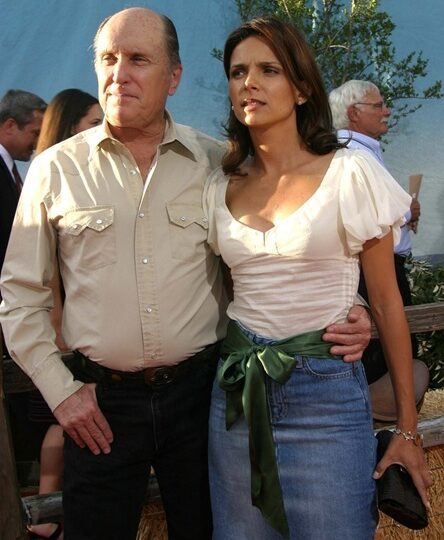
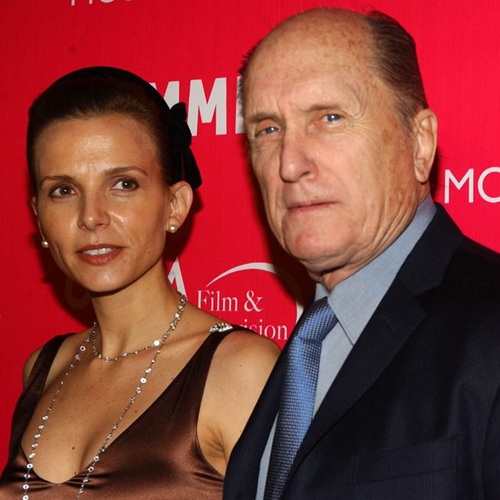
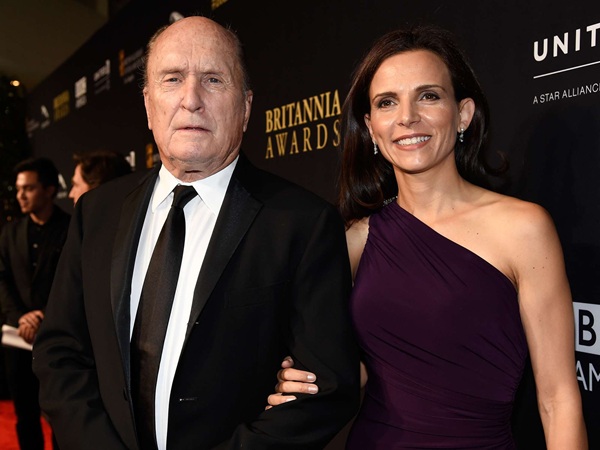
Though his public life often centered on his artistic achievements, Duvall also lived a rich personal life. He was married four times and is survived by his fourth wife, Luciana Pedraza, whom he married in 2005.
Luciana, an Argentine actress and director, was a constant support and collaborator. The two first met years earlier, blending shared passions for film, culture, and life.
Despite his long life and multiple marriages, Duvall never had children, something he once joked about with self-deprecating humor, saying in 2007 that he might be “shooting blanks” despite trying with different partners.
Friends and colleagues have said that, while he acknowledged this fact, he did not dwell on it as a sorrow but rather embraced the relationships and experiences he had.
Passions Outside Acting
Those who knew him personally described a man deeply committed to authenticity not only in performance but in life.
Duvall loved music — particularly guitar and the rhythms of Argentine tango — and often spoke fondly of Buenos Aires, a city he called one of his favorites in the world. He maintained an active lifestyle well into his 90s, engaging in activities such as swimming, tennis, and horseback riding.
Friends and co-workers frequently noted his dry humor, grounded presence, and absolute dedication to craft.
He was known to read scripts with meticulous attention, seeking out stories that spoke to the complexity of human experience. Directors and actors alike admired his ability to elevate every project with a grounded, understated authenticity.
Final Years and Legacy
In interviews late in life, Duvall often spoke not of retirement but of choosing projects that continued to challenge and inspire him.
He treasured his daily life with Luciana and their close circle of friends, focusing on shared routines, simple pleasures, and the joy of storytelling — whether on screen or around a table with friends.
Friends, co-stars, and audiences alike described Duvall not only as a tremendous actor but also as a profoundly human presence — a collaborator who brought depth, generosity, and integrity to every role.
His performances captured both the grandeur and the subtle emotional currents of life, making even his quietest moments resonate long after the credits rolled.
Tributes from Across Hollywood
The news of Duvall’s passing prompted an outpouring of tributes from peers spanning genres and generations. Actors who worked with or admired him remembered his patience, generosity, and artistry.
-
Adam Sandler, who shared the screen with Duvall in Hustle, described him as “one of the greatest actors we ever had,” a joy to be around and endlessly inspiring.
-
Viola Davis praised his towering portrayals and remarkable humanity onscreen, calling him an icon whose greatness will endure.
-
Others, from directors to co-stars, echoed similar sentiments, celebrating a career that not only shaped film history but influenced how actors approach character, truth, and emotional honesty in their work.
These tributes — coming from across Hollywood — underscore how deeply his work resonated with colleagues and audiences alike.
The End of an Era
Robert Duvall’s passing marks not only the loss of a singular talent but also the closing of a chapter in American film history.
He was one of the last major stars from the generation that reshaped Hollywood in the late 20th century, a group whose influence extended far beyond box office numbers to fundamentally change how stories are told and experienced on screen.
Through iconic characters, unforgettable performances, and a commitment to truth in storytelling, Duvall left a legacy that will continue to shape cinema for generations to come.
Whether portraying a compassionate consigliere, a conflicted military leader, a struggling country singer, or a reflective man searching for grace, his work resonated with humanity, complexity, and depth.
His name, and the characters he breathed life into, will be remembered for as long as films are watched and loved.
Remembering Robert Duvall
Robert Duvall was more than a screen legend; he was an artist who invited audiences to see themselves in the flawed, beautiful, and messy humanity of his characters. He understood that acting is not merely performance — it is empathy made visible.
In his passing at 95, the world has lost one of its great storytellers. Yet his films — and the emotions, truths, and questions they carry — remain immortal.
Rest in peace, Robert Duvall — a towering presence on screen and a gentle force off it.
