

Reports circulating about the death of actor Robert Carradine at age 71 and claims that his passing was directly linked to a decades-long battle with bipolar disorder are not supported by verified, publicly confirmed information.
As of the most reliable and widely reported records available up to this point, Robert Carradine has not been confirmed deceased.
In addition, there has been no official statement from his family or from established entertainment news outlets confirming such details.
Because accuracy is essential—particularly when discussing sensitive topics such as mental health and a person’s life status—it is important to clarify that unverified reports should be treated with caution.
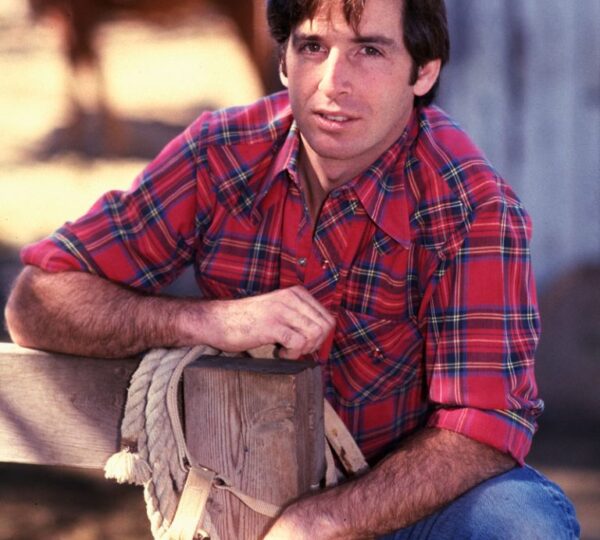
That said, Robert Carradine remains a respected and recognizable figure in American film and television, with a career that has spanned decades.
Born into one of Hollywood’s most prominent acting families, he is the son of John Carradine, a legendary performer known for his prolific work in classic cinema, particularly in Westerns and horror films.
Robert is also the half-brother of David Carradine and Keith Carradine, both accomplished actors in their own right. Another brother, Christopher Carradine, built a career outside of acting, including work in executive roles within the entertainment industry.
Growing up in such a distinguished artistic family naturally placed Robert in close proximity to the film world from an early age.
Robert Carradine carved out his own identity in Hollywood rather than relying solely on the family name. He began his film career in the early 1970s and made his big-screen debut in The Cowboys, where he appeared alongside screen legend John Wayne.
This early opportunity helped introduce him to audiences and established a foundation for what would become a steady and diverse acting career.
Throughout the 1970s, Carradine appeared in a range of films that demonstrated his versatility. One of his notable early performances was in Coming Home, the critically acclaimed drama that explored the impact of the Vietnam War on soldiers and their families.
The film received multiple Academy Award nominations and wins, and Carradine’s participation placed him within a serious, socially conscious cinematic project during an important period in American filmmaking.

However, it was in the 1980s that Robert Carradine became a pop culture figure, particularly through his role as Lewis Skolnick in Revenge of the Nerds.
The comedy, which centered on a group of socially awkward college students navigating rivalry and acceptance, became a cult favorite.
Carradine’s portrayal of Lewis, the earnest and determined leader of the “nerds,” resonated with audiences who saw the character as an underdog fighting for dignity and respect.
The film’s commercial success led to multiple sequels, solidifying Carradine’s association with the franchise and ensuring his place in 1980s movie history.
While Revenge of the Nerds remains one of his most widely recognized roles, Carradine’s career was not confined to a single genre.
He continued to work in both film and television across the decades, appearing in dramas, comedies, and made-for-television projects.
His ability to move between big-screen productions and episodic television demonstrated adaptability in an industry known for constant change.

Younger audiences may be especially familiar with Carradine through his work on the Disney Channel series Lizzie McGuire.
On the show, he portrayed Sam McGuire, the caring and supportive father of the title character, played by Hilary Duff.
The series, which aired in the early 2000s, became a defining program for a generation of viewers. Carradine’s role as a warm and steady parental figure contributed to the show’s family-centered tone.
In interviews over the years, cast members of Lizzie McGuire have often spoken about the positive atmosphere on set and the sense of closeness among the ensemble.
Carradine’s performance as a father figure was marked by gentle humor and emotional authenticity. For many young viewers, he represented a comforting presence within a show that tackled adolescent challenges in a relatable and accessible way.
Beyond these major roles, Robert Carradine appeared in numerous other television series and films, including guest appearances in well-known programs and independent productions.

His career reflects the reality of many working actors in Hollywood—steady employment across a wide range of projects rather than constant headline-making roles.
This longevity speaks to professionalism and reliability within the industry.
When discussing sensitive subjects such as mental health, it is crucial to rely on confirmed facts and approach the topic with care.
Bipolar disorder, which has been mentioned in unverified reports connected to Carradine, is a complex mental health condition characterized by significant mood swings, including episodes of depression and mania.
Millions of people around the world live with bipolar disorder and manage it through a combination of medical treatment, therapy, and support systems.
Public conversations about mental health have become increasingly open in recent decades, helping reduce stigma and encourage individuals to seek assistance.
If a public figure or their family chooses to share personal experiences related to mental health, such disclosures can sometimes help raise awareness and promote understanding.

However, it is essential not to attribute medical conditions or causes of death without confirmed statements from reliable sources. Accuracy and respect are particularly important when discussing an individual’s health or personal struggles.
The Carradine family as a whole occupies a unique place in Hollywood history. John Carradine was one of the most prolific character actors of the 20th century, appearing in hundreds of films.
David Carradine gained international recognition for his role in the television series Kung Fu and later appeared in numerous films, including projects by acclaimed directors.
Keith Carradine built a respected career in both film and music, earning awards for his songwriting and performances. Within this lineage, Robert Carradine developed a body of work that balanced mainstream popularity with consistent professional presence.
Hollywood dynasties often draw public fascination, as multiple generations or siblings achieve prominence within the entertainment world.
Yet each individual within such families must still navigate the competitive nature of the industry independently.
Robert Carradine’s decades-long career demonstrates that he did more than simply inherit opportunity—he maintained relevance through changing trends and evolving audience tastes.
In reflecting on the legacy of actors from the 1970s and 1980s, it is clear that many of their projects continue to be rediscovered by new generations through streaming platforms and digital media.
Revenge of the Nerds, for example, remains part of discussions about college comedies of its era. Lizzie McGuire continues to be remembered fondly by fans who grew up watching the show during its original run. These works form part of the broader tapestry of American pop culture.
When news about beloved entertainers circulates—especially reports concerning death or serious illness—it can evoke strong emotional reactions from fans.
Social media platforms allow information, and sometimes misinformation, to spread rapidly. For that reason, responsible reporting and careful verification are more important than ever.
Reputable outlets typically confirm details through official representatives, family statements, or legal documentation before publishing sensitive news.
At this time, without verified confirmation from authoritative sources, it would be inaccurate to present claims of Robert Carradine’s death as fact.
Readers are encouraged to consult established entertainment news organizations for the most current and reliable updates. In an age of fast-moving digital information, patience and verification help ensure that public discussions remain grounded in truth.
Robert Carradine’s contributions to film and television remain part of the cultural landscape. From his early work alongside John Wayne in The Cowboys to his memorable turn in Revenge of the Nerds and his family-friendly role in Lizzie McGuire, he has built a body of work that spans generations.
Whether appearing in dramatic films, comedies, or television series, he has demonstrated versatility and endurance in a demanding profession.
As conversations about mental health continue to evolve, it is important to approach such topics with empathy and factual clarity.
Open dialogue can reduce stigma and encourage support for those who may be struggling. At the same time, accuracy in reporting honors both the individuals involved and the audiences seeking trustworthy information.
In summary, while stories have circulated claiming that Robert Carradine has died at age 71 and linking that claim to bipolar disorder, these reports are not supported by confirmed, authoritative sources.
What is well documented is his longstanding career in Hollywood, his membership in one of the industry’s most notable families, and his memorable roles in projects that continue to resonate with audiences.
His professional journey reflects decades of dedication to the craft of acting and a presence that has left a lasting impression on film and television fans alike.
