...

Remembering the Life and Legacy of Ranger Betty Reid Soskin

She was a true trailblazer, a pioneer, and an inspiration to thousands. Yet despite her monumental contributions, not everyone knew her name or fully understood the depth and scope of her life’s work.

Today, we take a moment to honor Betty Reid Soskin—a woman whose life story reads like a chronicle of modern American history, told from the perspective of someone who lived it firsthand.

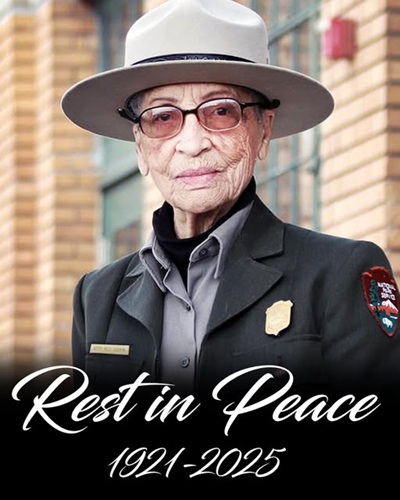
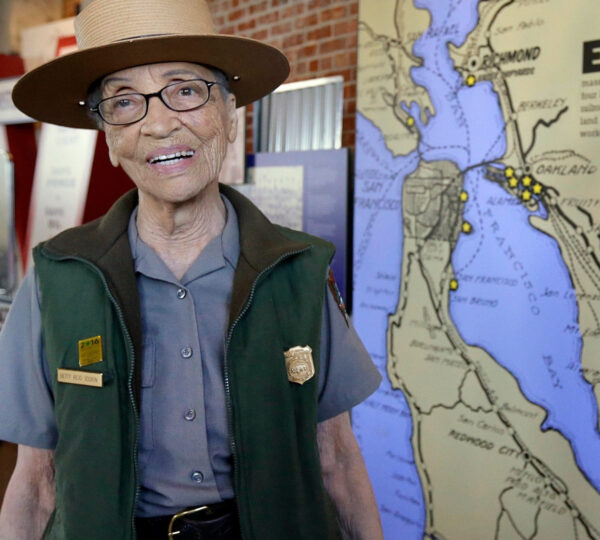
Betty Reid Soskin, the oldest living National Park Service ranger until her passing on December 21, 2025, was 104 years old.

Her final moments, surrounded by loved ones, reflected the life she had led: intentional, full, and profoundly meaningful.

In a statement released by her family on Sunday morning, they described her passing with reverence: she “led a fully packed life and was ready to leave.” And indeed, her life was extraordinary.
A Life of Firsts and Barriers Broken

Soskin’s story was one of breaking barriers and reclaiming forgotten histories. As a civil rights activist, historian, and storyteller, she dedicated more than a century to highlighting narratives that had long been ignored or erased.

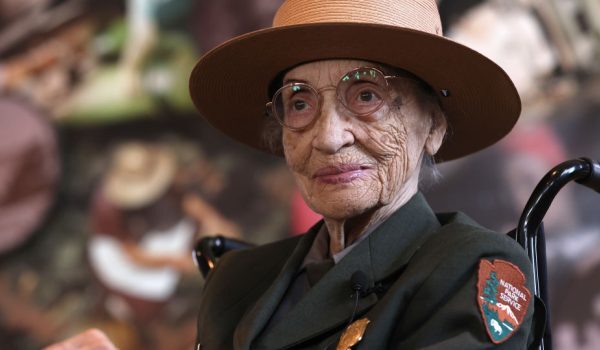
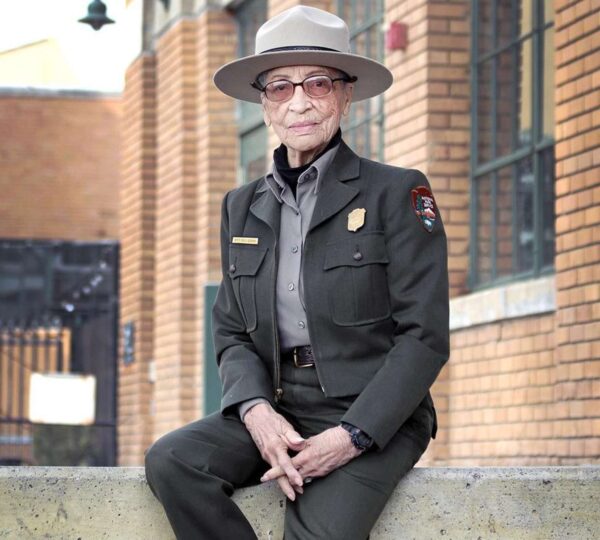
Her tenure with the National Park Service (NPS) officially began at age 84, a time when most people are well into retirement, and she continued working until 2022, when she retired at 100 years old.

That alone made her the oldest active ranger in NPS history, but her influence extended far beyond any job title.

Long before her ranger uniform, Soskin played a pivotal role in shaping the Rosie the Riveter/World War II Home Front National Historical Park in Richmond, California.

She collaborated closely with city officials and NPS planners to develop a management plan that ensured the stories of African Americans and other people of color—historically absent from the narrative of World War II—were finally recognized.

Her advocacy for inclusivity ensured that the park was not only a commemoration of wartime effort but also a testament to social justice and historical accuracy.

Through a grant funded by PG&E, she spearheaded projects to uncover untold stories of Black Americans who contributed to the World War II home front.

Her work transformed interpretive programs at the park, providing visitors with a nuanced understanding of the era.

Soskin’s presence in the park was magnetic; her storytelling was informed by personal experience, historical research, and a commitment to justice, turning history into a living, breathing narrative.

Fleeing the Jim Crow South

Betty Charbonnet, later known as Betty Reid Soskin, was born in Detroit in 1921. Her family, part of the Cajun-Creole African American community, relocated to New Orleans and eventually Oakland following the devastating Great Flood of 1927.

This migration mirrored the path of countless Black families moving west to escape the systemic oppression of the Jim Crow South and seek new opportunities.
Her memories spanned nearly every chapter of modern American history.

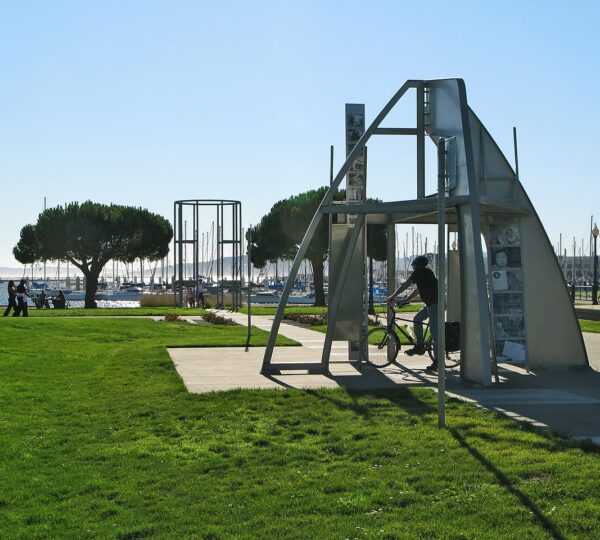
She remembered ferry boats crossing the San Francisco Bay before the bridges existed, Oakland’s airport as little more than two hangars, Amelia Earhart’s final flight, and the Port Chicago explosion of 1944, a catastrophic munitions accident that killed 320 sailors, many of them African American.

Soskin’s life was a living testament to the arc of history, and she carried those experiences into her work, ensuring future generations could learn from them.

During World War II, Soskin worked as a file clerk in a segregated union hall—a microcosm of the broader inequities Black Americans faced.

In 1945, she and her husband founded Reid’s Records, one of the first Black-owned music stores in the country.

The store became a cultural landmark in the community, remaining operational for more than 70 years. Soskin’s dedication to public service never wavered.

She went on to work in local and state government, serving as a staff member to a Berkeley city council member and later as a field representative for California legislators.

Throughout these roles, she advocated tirelessly for equity, inclusion, and truth.

National Recognition

One of the defining highlights of Soskin’s remarkable life came in 2015 when President Barack Obama personally invited her to light the National Christmas Tree in Washington, D.C. During the ceremony, she received a commemorative coin bearing the presidential seal—a symbolic gesture honoring her lifelong dedication to civil rights, historical preservation, and public service.

Reflecting on the experience in 2021, Soskin described it as surreal: “I look at it now and it seems almost unreal. It was something I never had dreamed, and it turned out to be wonderful.”

Even into her later years, Soskin remained deeply engaged with politics and current events.

In interviews, she reflected candidly on the political climate, drawing connections between the civil rights struggles she witnessed firsthand and the challenges of the present day.

Speaking to The Guardian, she remarked, “I follow politics very closely. Even going through the 50s and the 60s with civil rights, that was all progress. But I don’t feel as if that’s so now.”

She expressed concern over contemporary political leadership, particularly during the Trump era, stating, “It seemed to me that [Trump] has no idea what he’s doing.

I think we’ve lost our sense of direction. And that’s terrifying to me because I’m going to leave the world in such a shape.”

Her perspective was shaped by over a century of observation—an understanding of history that only someone who lived through decades of change could possess.

Soskin’s commitment to truth, education, and justice made her a guiding voice, reminding the nation of the work still required to achieve equality.

A Lifelong Commitment to Storytelling

Soskin’s contributions went beyond civil rights advocacy and public service. She was a master storyteller, bringing history to life for visitors at the Rosie the Riveter park.

Her narratives combined personal anecdotes with meticulous historical research, giving voice to those whose contributions had been overlooked.

She emphasized the importance of inclusivity in historical interpretation, teaching visitors about the roles of African Americans, women, immigrants, and other marginalized groups during World War II.
Her stories were not confined to classrooms or lectures; she reached audiences through media appearances, documentaries, and public speaking engagements.

Soskin’s work inspired countless young people to engage with history, social justice, and civic responsibility.

By centering marginalized voices, she challenged the traditional narratives and broadened the public’s understanding of America’s past.

Even after officially retiring at age 100, Soskin’s influence remained profound. She continued to mentor younger rangers, historians, and students, ensuring that her legacy would persist long after her active service ended.

The Personal Side of a Public Life

Despite her extraordinary public achievements, Soskin remained deeply connected to family and community. She lived with her daughter, Di’ara, in Richmond, California, and maintained close relationships with extended family and friends.

Her warmth, humor, and wisdom were as much a part of her legacy as her professional accomplishments.

Soskin’s personal history—the Great Migration, Jim Crow, World War II, the civil rights era—shaped her worldview. These experiences informed her storytelling, providing a lens through which she interpreted contemporary issues.

Her longevity allowed her to witness and participate in transformative social movements, making her an invaluable repository of firsthand knowledge.

Her family recalled her dedication to both her work and her loved ones. Even in her final days, she remained engaged with the community, the park, and ongoing projects like her documentary film Sign My Name to Freedom, which chronicled her life and the broader historical context she represented

. Her family encouraged donations to her namesake middle school or to support the completion of this film, ensuring that her commitment to education and historical preservation would continue.

An Enduring Legacy

Betty Reid Soskin’s life was a testament to courage, perseverance, and dedication to truth. She didn’t merely witness history—she corrected it, preserved it, and amplified the voices that had been ignored.
From segregated union halls to national recognition by a sitting president, her journey reflected the broader struggles and triumphs of African Americans in the 20th and 21st centuries.

She lived intentionally, fought tirelessly for justice, and used her platform to educate and inspire generations.

Soskin’s impact extended beyond the National Park Service; she transformed communities, reshaped historical narratives, and championed the power of storytelling as a tool for social change.

Her passing on December 21, 2025, at the age of 104, marked the end of a remarkable life, but her legacy endures.

A public memorial will be announced at a later date, and in lieu of flowers, her family has requested donations be made to Betty Reid Soskin Middle School or toward completing her documentary.

Both serve as fitting tributes to a woman who spent her life ensuring that history—and those who made it—would never be forgotten.

Betty Reid Soskin’s life reminds us that age is no barrier to impact, that courage and vision can create lasting change, and that the stories of those who fought, persevered, and dreamed must always be remembered. She didn’t just preserve history—she shaped it. She didn’t just witness change—she was the change.

Rest in peace, Betty Reid Soskin. Your life, your legacy, and your lessons will echo for generations to come.

She was a true trailblazer, a pioneer, and an inspiration to thousands. Yet despite her monumental contributions, not everyone knew her name or fully understood the depth and scope of her life’s work.

Today, we take a moment to honor Betty Reid Soskin—a woman whose life story reads like a chronicle of modern American history, told from the perspective of someone who lived it firsthand.

Betty Reid Soskin, the oldest living National Park Service ranger until her passing on December 21, 2025, was 104 years old.

Her final moments, surrounded by loved ones, reflected the life she had led: intentional, full, and profoundly meaningful.

In a statement released by her family on Sunday morning, they described her passing with reverence: she “led a fully packed life and was ready to leave.” And indeed, her life was extraordinary.

A Life of Firsts and Barriers Broken

Soskin’s story was one of breaking barriers and reclaiming forgotten histories. As a civil rights activist, historian, and storyteller, she dedicated more than a century to highlighting narratives that had long been ignored or erased.

Her tenure with the National Park Service (NPS) officially began at age 84, a time when most people are well into retirement, and she continued working until 2022, when she retired at 100 years old.

That alone made her the oldest active ranger in NPS history, but her influence extended far beyond any job title.

Long before her ranger uniform, Soskin played a pivotal role in shaping the Rosie the Riveter/World War II Home Front National Historical Park in Richmond, California.

She collaborated closely with city officials and NPS planners to develop a management plan that ensured the stories of African Americans and other people of color—historically absent from the narrative of World War II—were finally recognized.

Her advocacy for inclusivity ensured that the park was not only a commemoration of wartime effort but also a testament to social justice and historical accuracy.

Through a grant funded by PG&E, she spearheaded projects to uncover untold stories of Black Americans who contributed to the World War II home front.

Her work transformed interpretive programs at the park, providing visitors with a nuanced understanding of the era.

Soskin’s presence in the park was magnetic; her storytelling was informed by personal experience, historical research, and a commitment to justice, turning history into a living, breathing narrative.

Fleeing the Jim Crow South

Betty Charbonnet, later known as Betty Reid Soskin, was born in Detroit in 1921. Her family, part of the Cajun-Creole African American community, relocated to New Orleans and eventually Oakland following the devastating Great Flood of 1927.

This migration mirrored the path of countless Black families moving west to escape the systemic oppression of the Jim Crow South and seek new opportunities.

Her memories spanned nearly every chapter of modern American history.

She remembered ferry boats crossing the San Francisco Bay before the bridges existed, Oakland’s airport as little more than two hangars, Amelia Earhart’s final flight, and the Port Chicago explosion of 1944, a catastrophic munitions accident that killed 320 sailors, many of them African American.

Soskin’s life was a living testament to the arc of history, and she carried those experiences into her work, ensuring future generations could learn from them.

During World War II, Soskin worked as a file clerk in a segregated union hall—a microcosm of the broader inequities Black Americans faced.

In 1945, she and her husband founded Reid’s Records, one of the first Black-owned music stores in the country.

The store became a cultural landmark in the community, remaining operational for more than 70 years. Soskin’s dedication to public service never wavered.

She went on to work in local and state government, serving as a staff member to a Berkeley city council member and later as a field representative for California legislators.

Throughout these roles, she advocated tirelessly for equity, inclusion, and truth.

National Recognition

One of the defining highlights of Soskin’s remarkable life came in 2015 when President Barack Obama personally invited her to light the National Christmas Tree in Washington, D.C. During the ceremony, she received a commemorative coin bearing the presidential seal—a symbolic gesture honoring her lifelong dedication to civil rights, historical preservation, and public service.

Reflecting on the experience in 2021, Soskin described it as surreal: “I look at it now and it seems almost unreal. It was something I never had dreamed, and it turned out to be wonderful.”

Even into her later years, Soskin remained deeply engaged with politics and current events.

In interviews, she reflected candidly on the political climate, drawing connections between the civil rights struggles she witnessed firsthand and the challenges of the present day.

Speaking to The Guardian, she remarked, “I follow politics very closely. Even going through the 50s and the 60s with civil rights, that was all progress. But I don’t feel as if that’s so now.”

She expressed concern over contemporary political leadership, particularly during the Trump era, stating, “It seemed to me that [Trump] has no idea what he’s doing.

I think we’ve lost our sense of direction. And that’s terrifying to me because I’m going to leave the world in such a shape.”

Her perspective was shaped by over a century of observation—an understanding of history that only someone who lived through decades of change could possess.

Soskin’s commitment to truth, education, and justice made her a guiding voice, reminding the nation of the work still required to achieve equality.

A Lifelong Commitment to Storytelling

Soskin’s contributions went beyond civil rights advocacy and public service. She was a master storyteller, bringing history to life for visitors at the Rosie the Riveter park.

Her narratives combined personal anecdotes with meticulous historical research, giving voice to those whose contributions had been overlooked.

She emphasized the importance of inclusivity in historical interpretation, teaching visitors about the roles of African Americans, women, immigrants, and other marginalized groups during World War II.

Her stories were not confined to classrooms or lectures; she reached audiences through media appearances, documentaries, and public speaking engagements.

Soskin’s work inspired countless young people to engage with history, social justice, and civic responsibility.

By centering marginalized voices, she challenged the traditional narratives and broadened the public’s understanding of America’s past.

Even after officially retiring at age 100, Soskin’s influence remained profound. She continued to mentor younger rangers, historians, and students, ensuring that her legacy would persist long after her active service ended.

The Personal Side of a Public Life

Despite her extraordinary public achievements, Soskin remained deeply connected to family and community. She lived with her daughter, Di’ara, in Richmond, California, and maintained close relationships with extended family and friends.

Her warmth, humor, and wisdom were as much a part of her legacy as her professional accomplishments.

Soskin’s personal history—the Great Migration, Jim Crow, World War II, the civil rights era—shaped her worldview. These experiences informed her storytelling, providing a lens through which she interpreted contemporary issues.

Her longevity allowed her to witness and participate in transformative social movements, making her an invaluable repository of firsthand knowledge.

Her family recalled her dedication to both her work and her loved ones. Even in her final days, she remained engaged with the community, the park, and ongoing projects like her documentary film Sign My Name to Freedom, which chronicled her life and the broader historical context she represented

. Her family encouraged donations to her namesake middle school or to support the completion of this film, ensuring that her commitment to education and historical preservation would continue.

An Enduring Legacy

Betty Reid Soskin’s life was a testament to courage, perseverance, and dedication to truth. She didn’t merely witness history—she corrected it, preserved it, and amplified the voices that had been ignored.

From segregated union halls to national recognition by a sitting president, her journey reflected the broader struggles and triumphs of African Americans in the 20th and 21st centuries.

She lived intentionally, fought tirelessly for justice, and used her platform to educate and inspire generations.

Soskin’s impact extended beyond the National Park Service; she transformed communities, reshaped historical narratives, and championed the power of storytelling as a tool for social change.

Her passing on December 21, 2025, at the age of 104, marked the end of a remarkable life, but her legacy endures.

A public memorial will be announced at a later date, and in lieu of flowers, her family has requested donations be made to Betty Reid Soskin Middle School or toward completing her documentary.

Both serve as fitting tributes to a woman who spent her life ensuring that history—and those who made it—would never be forgotten.

Betty Reid Soskin’s life reminds us that age is no barrier to impact, that courage and vision can create lasting change, and that the stories of those who fought, persevered, and dreamed must always be remembered. She didn’t just preserve history—she shaped it. She didn’t just witness change—she was the change.

Rest in peace, Betty Reid Soskin. Your life, your legacy, and your lessons will echo for generations to come.