...

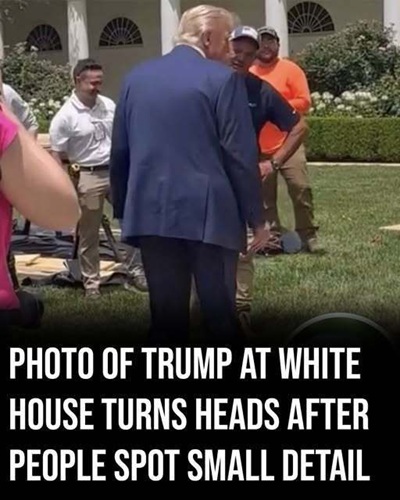
“Public Images of Trump Prompt Speculation About His Health, Authorities Cite Medical Report”

Public interest in the health of national leaders is far from a modern phenomenon. From Franklin D. Roosevelt’s hidden struggle with polio to John F. Kennedy’s chronic back pain.

The physical well-being of presidents has long been a source of both concern and fascination. The attention only intensifies when the individual in question is a high-profile figure with a polarizing public presence.

Such as Donald Trump, the 45th and now 47th President of the United States. In recent weeks, a single photograph of Trump attending a high-profile sporting event reignited debate and speculation about his health, demonstrating the intersection of age, media scrutiny, and social media-driven discourse.

For older Americans who recall decades of presidential health being discussed under intense public scrutiny, the recent focus on Trump feels familiar, yet it is amplified in today’s digital landscape.

The combination of instantaneous news, viral images, and online analysis creates a level of public attention unprecedented in previous generations.
Historical Context: Presidents and Public Health Concerns

Throughout American history, the health of presidents has often been a topic of public interest.

Franklin D. Roosevelt, despite his diagnosis of polio, served four terms as president while keeping the severity of his condition largely private.

John F. Kennedy’s chronic back pain was widely reported after his assassination, and Ronald Reagan faced public and private scrutiny regarding his cognitive abilities and physical fitness during his later years in office.

In each of these cases, questions about stamina, mental clarity, and physical capability intertwined with political debate, public perception, and media coverage.

The pattern continues with Donald Trump, who first faced scrutiny regarding his health during the 2016 presidential campaign.

During that time, Trump and his campaign frequently questioned the stamina and cognitive abilities of his opponents, while his own health became a recurring topic of public discussion and political commentary.

A Presidency Under a Microscope

Donald Trump returned to office amid a fast-moving and complex political landscape. International trade disputes, tense diplomatic negotiations, domestic policy debates, and a range of crises dominated headlines.

Within this context, personal topics—particularly age and health—resurfaced as subjects of public interest.
Trump’s status as the oldest individual to begin a second term in the presidency added to the curiosity.

For many Americans in their 60s and beyond, his age prompted questions about how experience intersects with physical and cognitive endurance in a demanding public role.

While age can be accompanied by wisdom and institutional knowledge, it also invites scrutiny regarding stamina, resilience, and the ability to manage the intense responsibilities of the presidency.

During the most recent presidential campaign, Trump’s opponent, Vice President Kamala Harris, voluntarily released detailed medical information to reassure the public regarding her health.

Trump, conversely, declined to release comparable records, instead emphasizing that he felt strong, energetic, and capable of fulfilling the office’s responsibilities.

This approach, consistent with his prior campaigns, maintained a level of ambiguity that fueled ongoing discussion.

The Official Medical Report

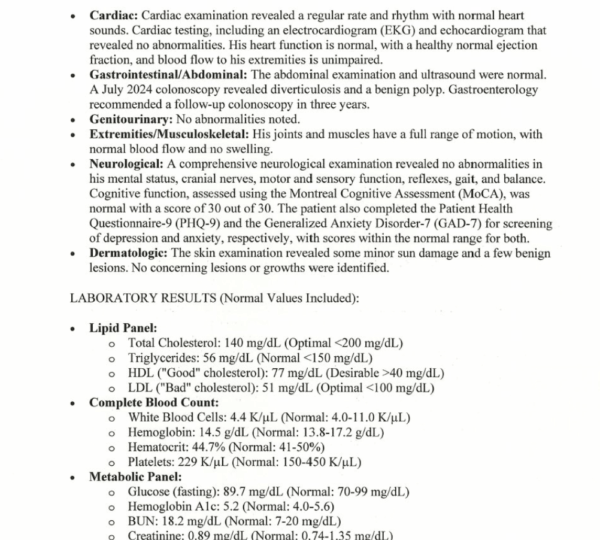
In April, the White House physician released a formal summary of Trump’s health following his annual examination.

According to the report, the president’s height and weight were recorded at 75 inches (6’3”) and 224 pounds, respectively.

Routine examinations of the heart, lungs, vision, hearing, and neurological function were reported as normal for his age.

The report noted that Trump had undergone a preventive medical procedure the previous year, which addressed a noncancerous condition.

Follow-up care was scheduled, consistent with routine medical monitoring practices.
The evaluation listed several commonly prescribed medications, including treatments for cholesterol management and other preventive care.

The physician highlighted Trump’s history of successful eye surgery and emphasized that his physical and cognitive condition remained strong, aided by an active schedule and frequent movement.

After the release, Trump personally reassured reporters that he had completed multiple assessments, including cognitive evaluations, and expressed confidence in the results.

Supporters viewed this disclosure as validation of his fitness for office, while critics argued that the report lacked detail, leaving room for continued speculation.

The Viral Photograph and Online Reaction

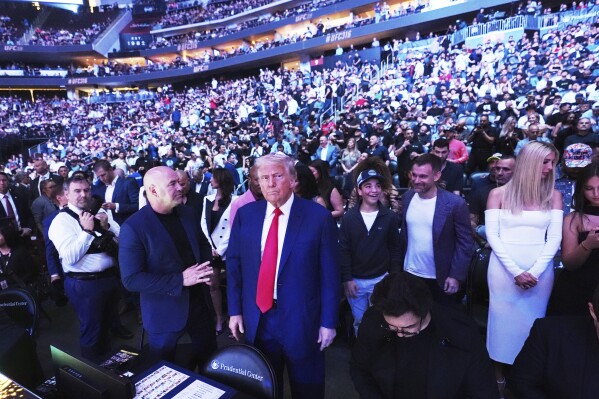
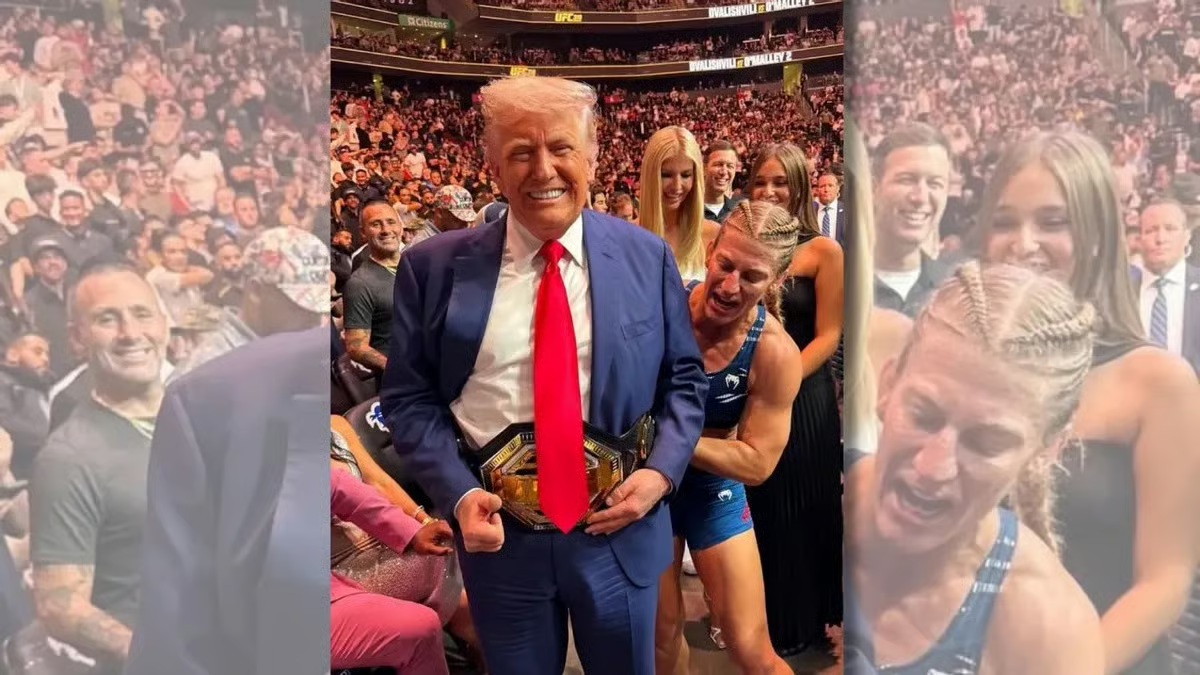
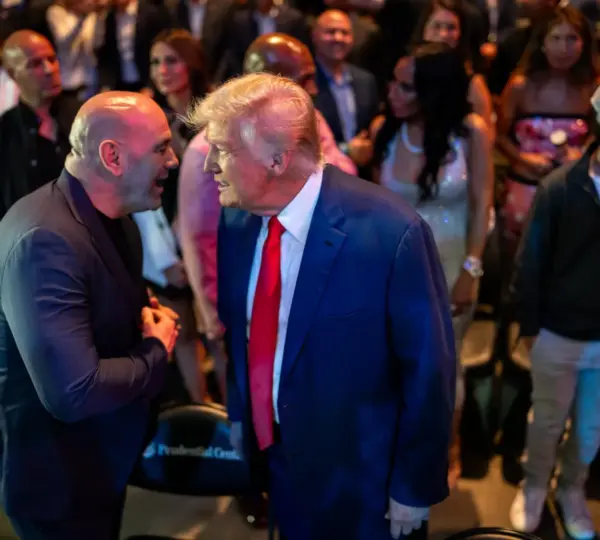
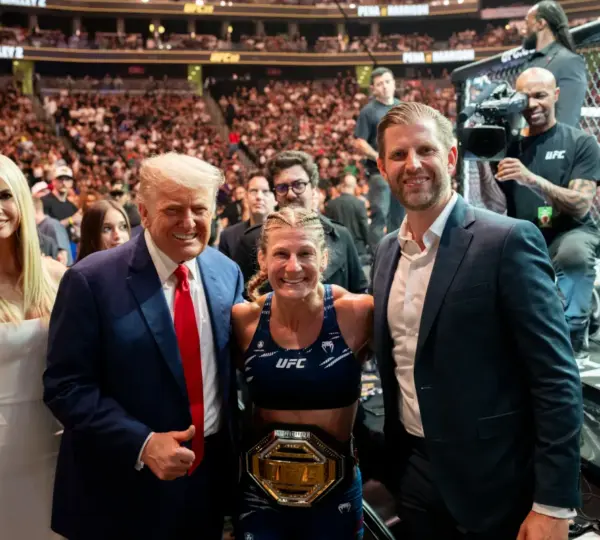
Renewed discussion around Trump’s health began when he attended a Ultimate Fighting Championship (UFC) event in June.

A widely circulated photograph showed him standing ringside, with a championship belt briefly placed around his waist for ceremonial purposes. Almost immediately, social media users began analyzing the image.

Some observers claimed to notice unusual shapes beneath his clothing, prompting speculation about potential medical devices, injury, or other health concerns.

The image was shared widely, with interpretations ranging from benign explanations, such as the natural fit of tailored clothing, to serious health-related hypotheses.

Social media users engaged in debates over what the photograph implied, illustrating the way digital platforms can amplify even minor visual anomalies into viral discussion.

Within hours, the image had been shared thousands of times across multiple platforms.

Online commentary included confident assertions by users claiming to have identified previously undisclosed health issues.
Others pushed back, noting the common occurrence of visual artifacts caused by clothing folds, lighting, posture, or camera angles.

Understanding Medical Devices Without Jumping to Conclusions

While social media conversations occasionally referenced medical equipment definitions from reputable sources like the Cleveland Clinic, healthcare professionals cautioned against drawing conclusions from a single photograph.

Diagnosing or speculating about a public figure’s health without direct medical assessment is considered unreliable and potentially misleading.

Factors such as clothing design, camera angle, lighting conditions, and posture can dramatically alter appearances in photographs.

Even experienced clinicians rely on comprehensive evaluations—including patient history, physical examination, and diagnostic testing—rather than snapshots circulated online.

This distinction is particularly important for older Americans, who grew up relying on professional medical judgment rather than social media speculation.

Official Response and Fact-Checking

To address the widespread claims, the fact-checking organization Snopes reviewed viral social media posts and sought clarification from the White House.

In response, a spokesperson dismissed the theories circulating online, pointing to the recently released annual medical evaluation as the definitive source of information.

The statement emphasized that the president’s health had been thoroughly assessed by qualified medical professionals and described the online claims as unfounded.

The administration also criticized the role of social media in spreading speculation, urging the public to rely on verified information rather than viral commentary.

Why These Stories Spread Quickly

Health-related stories resonate deeply because they are universally relatable. The health of a national leader, particularly a president, touches on concerns of age, endurance, and capability in ways that are personal for many Americans.
The rapid spread of speculation is amplified by the digital age, where a single image or comment can quickly go viral and generate extensive discussion without verification.

Older readers may recognize a familiar pattern: past discussions about the health of presidents like Roosevelt, Kennedy, and Reagan circulated long before smartphones existed, though at a slower pace and within more traditional media channels.

Today, speed, volume, and accessibility make it easier for speculation to gain traction, whether or not it is grounded in verified fact.

Looking Beyond the Noise

At its core, the discussion about a president’s health reflects a tension between transparency and responsible reporting.

While the public has a legitimate interest in understanding the capabilities of those holding office, restraint and fact-based assessment remain essential.

Official medical reports, although not exhaustive, are the most reliable source available and provide context that viral images and online speculation often lack.

For many Americans, especially older readers, the experience of decades in political and media landscapes offers perspective.

Photographs rarely convey complete information, and rumors tend to exaggerate or distort reality over time.

Focusing on leadership decisions, policy outcomes, and verified information allows citizens to maintain a grounded understanding of the presidency.

The Broader Implications for Public Discourse

The debate over Donald Trump’s health underscores larger cultural and societal trends. Social media platforms have accelerated the speed of information dissemination, often prioritizing sensational content over factual accuracy.

This environment encourages instant judgment and public commentary, sometimes before verification or context can be provided.

Public interest in presidential health, however, is not inherently problematic. The issue becomes concerning when speculation replaces reliable reporting, or when rumors overshadow substantive political discussion.

Educating the public about evaluating sources, understanding medical assessments, and avoiding assumptions based on isolated images is crucial for maintaining a responsible media ecosystem.

Conclusion

The renewed discussion surrounding President Donald Trump’s health illustrates the intersection of media, age, and public scrutiny in contemporary politics.

From a viral photograph at a sporting event to social media debates and official White House responses, the story highlights how public curiosity, partisan perspectives, and modern communication technologies converge.

At its essence, the matter reminds Americans that presidents are human, subject to the same aging processes as all citizens.

Transparency and fact-based reporting are essential, but speculation, particularly from incomplete sources, should be approached with caution.

For readers in their 60s and beyond, experience provides perspective: photographs, viral posts, and online theories rarely tell the full story.

Relying on verified information, official medical reports, and direct statements from qualified professionals remains the most responsible approach.

Ultimately, calm reflection, attention to facts, and thoughtful analysis are key in navigating discussions about the health of public leaders.

By focusing on confirmed information rather than conjecture, citizens can maintain a measured understanding of leadership and preserve the integrity of public discourse in an era of rapid digital communication.

Public interest in the health of national leaders is far from a modern phenomenon. From Franklin D. Roosevelt’s hidden struggle with polio to John F. Kennedy’s chronic back pain.

The physical well-being of presidents has long been a source of both concern and fascination. The attention only intensifies when the individual in question is a high-profile figure with a polarizing public presence.

Such as Donald Trump, the 45th and now 47th President of the United States. In recent weeks, a single photograph of Trump attending a high-profile sporting event reignited debate and speculation about his health, demonstrating the intersection of age, media scrutiny, and social media-driven discourse.

For older Americans who recall decades of presidential health being discussed under intense public scrutiny, the recent focus on Trump feels familiar, yet it is amplified in today’s digital landscape.

The combination of instantaneous news, viral images, and online analysis creates a level of public attention unprecedented in previous generations.

Historical Context: Presidents and Public Health Concerns

Throughout American history, the health of presidents has often been a topic of public interest.

Franklin D. Roosevelt, despite his diagnosis of polio, served four terms as president while keeping the severity of his condition largely private.

John F. Kennedy’s chronic back pain was widely reported after his assassination, and Ronald Reagan faced public and private scrutiny regarding his cognitive abilities and physical fitness during his later years in office.

In each of these cases, questions about stamina, mental clarity, and physical capability intertwined with political debate, public perception, and media coverage.

The pattern continues with Donald Trump, who first faced scrutiny regarding his health during the 2016 presidential campaign.

During that time, Trump and his campaign frequently questioned the stamina and cognitive abilities of his opponents, while his own health became a recurring topic of public discussion and political commentary.

A Presidency Under a Microscope

Donald Trump returned to office amid a fast-moving and complex political landscape. International trade disputes, tense diplomatic negotiations, domestic policy debates, and a range of crises dominated headlines.

Within this context, personal topics—particularly age and health—resurfaced as subjects of public interest.

Trump’s status as the oldest individual to begin a second term in the presidency added to the curiosity.

For many Americans in their 60s and beyond, his age prompted questions about how experience intersects with physical and cognitive endurance in a demanding public role.

While age can be accompanied by wisdom and institutional knowledge, it also invites scrutiny regarding stamina, resilience, and the ability to manage the intense responsibilities of the presidency.

During the most recent presidential campaign, Trump’s opponent, Vice President Kamala Harris, voluntarily released detailed medical information to reassure the public regarding her health.

Trump, conversely, declined to release comparable records, instead emphasizing that he felt strong, energetic, and capable of fulfilling the office’s responsibilities.

This approach, consistent with his prior campaigns, maintained a level of ambiguity that fueled ongoing discussion.

The Official Medical Report

In April, the White House physician released a formal summary of Trump’s health following his annual examination.

According to the report, the president’s height and weight were recorded at 75 inches (6’3”) and 224 pounds, respectively.

Routine examinations of the heart, lungs, vision, hearing, and neurological function were reported as normal for his age.

The report noted that Trump had undergone a preventive medical procedure the previous year, which addressed a noncancerous condition.

Follow-up care was scheduled, consistent with routine medical monitoring practices.

The evaluation listed several commonly prescribed medications, including treatments for cholesterol management and other preventive care.

The physician highlighted Trump’s history of successful eye surgery and emphasized that his physical and cognitive condition remained strong, aided by an active schedule and frequent movement.

After the release, Trump personally reassured reporters that he had completed multiple assessments, including cognitive evaluations, and expressed confidence in the results.

Supporters viewed this disclosure as validation of his fitness for office, while critics argued that the report lacked detail, leaving room for continued speculation.

The Viral Photograph and Online Reaction

Renewed discussion around Trump’s health began when he attended a Ultimate Fighting Championship (UFC) event in June.

A widely circulated photograph showed him standing ringside, with a championship belt briefly placed around his waist for ceremonial purposes. Almost immediately, social media users began analyzing the image.

Some observers claimed to notice unusual shapes beneath his clothing, prompting speculation about potential medical devices, injury, or other health concerns.

The image was shared widely, with interpretations ranging from benign explanations, such as the natural fit of tailored clothing, to serious health-related hypotheses.

Social media users engaged in debates over what the photograph implied, illustrating the way digital platforms can amplify even minor visual anomalies into viral discussion.

Within hours, the image had been shared thousands of times across multiple platforms.

Online commentary included confident assertions by users claiming to have identified previously undisclosed health issues.

Others pushed back, noting the common occurrence of visual artifacts caused by clothing folds, lighting, posture, or camera angles.

Understanding Medical Devices Without Jumping to Conclusions

While social media conversations occasionally referenced medical equipment definitions from reputable sources like the Cleveland Clinic, healthcare professionals cautioned against drawing conclusions from a single photograph.

Diagnosing or speculating about a public figure’s health without direct medical assessment is considered unreliable and potentially misleading.

Factors such as clothing design, camera angle, lighting conditions, and posture can dramatically alter appearances in photographs.

Even experienced clinicians rely on comprehensive evaluations—including patient history, physical examination, and diagnostic testing—rather than snapshots circulated online.

This distinction is particularly important for older Americans, who grew up relying on professional medical judgment rather than social media speculation.

Official Response and Fact-Checking

To address the widespread claims, the fact-checking organization Snopes reviewed viral social media posts and sought clarification from the White House.

In response, a spokesperson dismissed the theories circulating online, pointing to the recently released annual medical evaluation as the definitive source of information.

The statement emphasized that the president’s health had been thoroughly assessed by qualified medical professionals and described the online claims as unfounded.

The administration also criticized the role of social media in spreading speculation, urging the public to rely on verified information rather than viral commentary.

Why These Stories Spread Quickly

Health-related stories resonate deeply because they are universally relatable. The health of a national leader, particularly a president, touches on concerns of age, endurance, and capability in ways that are personal for many Americans.

The rapid spread of speculation is amplified by the digital age, where a single image or comment can quickly go viral and generate extensive discussion without verification.

Older readers may recognize a familiar pattern: past discussions about the health of presidents like Roosevelt, Kennedy, and Reagan circulated long before smartphones existed, though at a slower pace and within more traditional media channels.

Today, speed, volume, and accessibility make it easier for speculation to gain traction, whether or not it is grounded in verified fact.

Looking Beyond the Noise

At its core, the discussion about a president’s health reflects a tension between transparency and responsible reporting.

While the public has a legitimate interest in understanding the capabilities of those holding office, restraint and fact-based assessment remain essential.

Official medical reports, although not exhaustive, are the most reliable source available and provide context that viral images and online speculation often lack.

For many Americans, especially older readers, the experience of decades in political and media landscapes offers perspective.

Photographs rarely convey complete information, and rumors tend to exaggerate or distort reality over time.

Focusing on leadership decisions, policy outcomes, and verified information allows citizens to maintain a grounded understanding of the presidency.

The Broader Implications for Public Discourse

The debate over Donald Trump’s health underscores larger cultural and societal trends. Social media platforms have accelerated the speed of information dissemination, often prioritizing sensational content over factual accuracy.

This environment encourages instant judgment and public commentary, sometimes before verification or context can be provided.

Public interest in presidential health, however, is not inherently problematic. The issue becomes concerning when speculation replaces reliable reporting, or when rumors overshadow substantive political discussion.

Educating the public about evaluating sources, understanding medical assessments, and avoiding assumptions based on isolated images is crucial for maintaining a responsible media ecosystem.

Conclusion

The renewed discussion surrounding President Donald Trump’s health illustrates the intersection of media, age, and public scrutiny in contemporary politics.

From a viral photograph at a sporting event to social media debates and official White House responses, the story highlights how public curiosity, partisan perspectives, and modern communication technologies converge.

At its essence, the matter reminds Americans that presidents are human, subject to the same aging processes as all citizens.

Transparency and fact-based reporting are essential, but speculation, particularly from incomplete sources, should be approached with caution.

For readers in their 60s and beyond, experience provides perspective: photographs, viral posts, and online theories rarely tell the full story.

Relying on verified information, official medical reports, and direct statements from qualified professionals remains the most responsible approach.

Ultimately, calm reflection, attention to facts, and thoughtful analysis are key in navigating discussions about the health of public leaders.

By focusing on confirmed information rather than conjecture, citizens can maintain a measured understanding of leadership and preserve the integrity of public discourse in an era of rapid digital communication.