
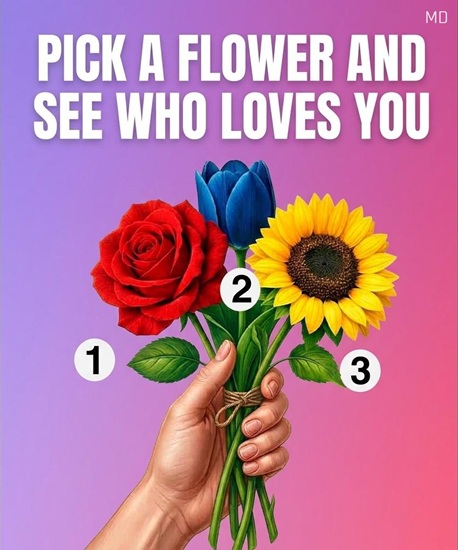
Sometimes, the simplest choices we make can quietly reflect deeper thoughts and emotions. This gentle activity invites you to choose a flower, not as a test, but as a moment of reflection and personal awareness.
Rather than analyzing or overthinking, the goal is to notice what naturally draws your attention first. Our initial preferences are often guided by instinct, shaped by experience, mood, and subtle emotional cues we may not consciously recognize.
It is important to understand that this exercise is not a scientific personality assessment. Instead, it offers a thoughtful way to explore how symbolism, perception, and emotional associations can connect to how we view relationships and care.
Flowers have long carried symbolic meanings across cultures and traditions. While interpretations vary, certain flowers are commonly associated with emotional themes such as love, admiration, warmth, calmness, and connection, making them useful tools for reflection.
When you choose a flower instinctively, you may be responding to color, shape, or the emotional associations you’ve developed over time. These reactions are natural and can offer insight into your current mindset or emotional preferences.
This activity encourages awareness rather than judgment. There is no right or wrong answer, and no single choice defines you completely. Instead, each option represents a different perspective on connection, affection, and emotional expression.
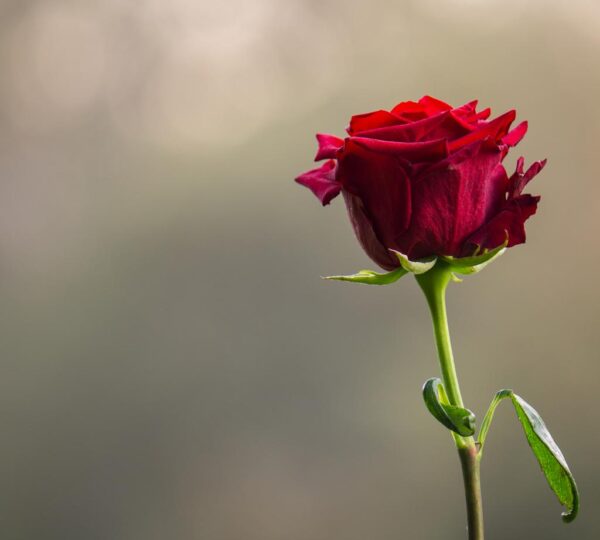
If your attention is drawn to the red rose, it often reflects a strong and emotionally rich perception of love. The red rose is widely recognized as a symbol of deep affection, admiration, and meaningful connection.
People who gravitate toward the red rose may value sincerity and emotional depth in relationships. They often appreciate meaningful conversations, shared experiences, and connections that feel genuine rather than superficial or temporary.
This preference may also suggest a sensitivity to emotional expression. Individuals drawn to this symbol may notice subtle gestures of care, even when feelings are not openly stated, recognizing meaning in actions as much as words.
The red rose can also represent admiration that is not always expressed directly. In many real-life situations, people feel deeply but hesitate to communicate openly, making this symbol a reflection of quiet but powerful emotional presence.

Choosing the red rose does not necessarily mean dramatic or intense love. Instead, it often reflects a steady, sincere form of connection rooted in respect, appreciation, and the desire for emotional closeness over time.
In some cases, this choice may reflect a preference for meaningful bonds rather than casual interactions. People drawn to this symbol often prioritize trust, consistency, and emotional honesty in both friendships and romantic relationships.
If you selected the blue tulip, your choice may point toward a quieter and more understated form of connection. Blue tones are often associated with calmness, stability, and thoughtful emotional expression.
The blue tulip represents a type of care that is steady rather than intense. It suggests relationships built on reliability, patience, and quiet understanding, where actions often communicate more clearly than words.
Individuals drawn to this option may appreciate subtle expressions of support. They often recognize and value small gestures, such as consistency, presence, and attentiveness, rather than grand displays of emotion.
This preference may also reflect emotional balance. Rather than seeking dramatic experiences, those who choose the blue tulip may feel most comfortable in relationships that provide calm, reassurance, and mutual respect over time.
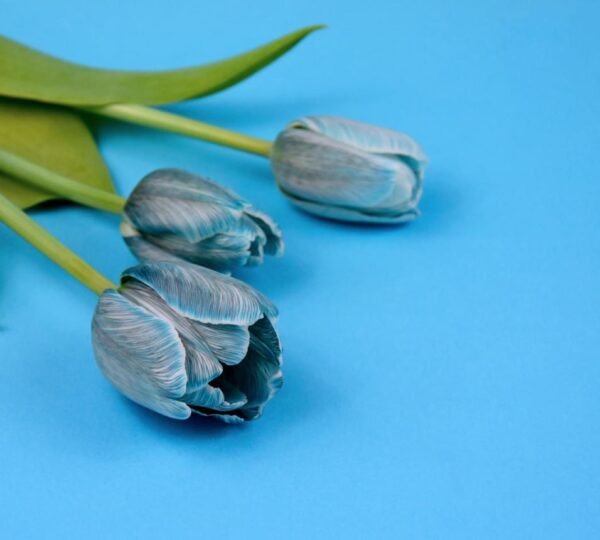
The blue tulip can also symbolize someone who prefers to express care privately. In many relationships, people show support through reliability and quiet encouragement, even if they are not highly expressive verbally.
Choosing this flower may indicate appreciation for thoughtful communication. It reflects an understanding that emotional connection does not always require intensity, but can grow through patience, trust, and shared experiences.
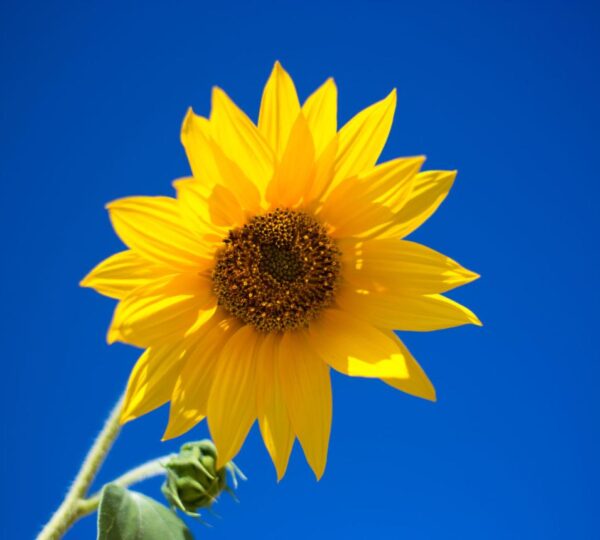
If the sunflower stands out to you, it often reflects a bright, uplifting, and positive approach to connection. Sunflowers are commonly associated with warmth, optimism, and steady emotional support.
People drawn to sunflowers may value relationships that feel easy, supportive, and encouraging. They often appreciate positivity, kindness, and a sense of shared joy that makes everyday interactions feel lighter and more meaningful.
This choice can also reflect appreciation for consistency. Just as sunflowers naturally turn toward light, this symbol is often linked to reliability and a steady presence that brings comfort and reassurance over time.
The sunflower represents a form of connection that is openly supportive. It suggests relationships where encouragement, kindness, and emotional generosity are expressed clearly, creating an environment of trust and positivity.
Those who choose this option may naturally bring warmth into their relationships. Their presence often contributes to a supportive atmosphere, helping others feel valued, understood, and emotionally comfortable.
It is important to note that these interpretations are not fixed definitions. Human emotions and relationships are complex, and a single preference cannot fully describe how someone experiences or expresses care.
Instead, these symbolic meanings provide a starting point for reflection. They highlight different ways that connection can appear in everyday life, from expressive and deep to calm and steady or bright and uplifting.
In reality, most people experience a combination of these qualities. Depending on the situation, relationships may shift between intensity, calmness, and positivity, reflecting the dynamic nature of human interaction.
This exercise encourages you to notice what feels most familiar or appealing at the moment. Your choice may reflect your current emotional state, recent experiences, or the type of connection you value most right now.
It can also serve as a reminder that meaningful connections often exist in subtle forms. Not all care is expressed openly, and not all relationships follow the same pattern or intensity.
Recognizing different expressions of care can improve awareness and appreciation. It allows you to notice support, kindness, and connection even when they appear quietly or indirectly in everyday situations.
At the same time, this reflection can encourage communication. Understanding your own preferences may help you express appreciation more clearly or recognize the ways others show care in their own unique manner.
The simplicity of choosing a flower makes this activity accessible and engaging. It requires no preparation, no analysis, and no expertise—just a moment of attention and willingness to reflect on what feels natural.
These small moments of reflection can be valuable. They create space to consider emotional patterns, preferences, and connections without pressure, offering gentle insight into how we relate to others.
In a fast-paced world, activities like this provide a pause. They invite awareness, helping us reconnect with our thoughts and feelings in a calm and approachable way, without overcomplication.
They also highlight the role of perception. What draws our attention is influenced by memory, emotion, and experience, showing that even simple choices can reflect deeper layers of understanding.
Ultimately, the value of this exercise lies in awareness rather than accuracy. It is not about labeling yourself, but about recognizing patterns, appreciating differences, and exploring the many forms that connection can take.
Whether your choice reflects depth, calmness, or positivity, each interpretation represents a valid and meaningful perspective. These qualities are not mutually exclusive but often coexist within individuals and relationships.
Love and connection are not defined by a single expression. They can be bold or quiet, intense or steady, expressive or subtle, depending on the people involved and the context in which they grow.
This reflection reminds us that care is often closer than we think. It may appear in small actions, consistent presence, or simple moments of kindness that are easy to overlook without intentional awareness.
Taking time to notice these details can strengthen relationships. It encourages gratitude, understanding, and a deeper appreciation for the ways people show support and connection in everyday life.
In the end, choosing a flower is not about finding a definitive answer. It is about exploring perception, recognizing emotional patterns, and appreciating the diversity of ways people experience and express connection.
Sometimes, the most meaningful insights come from the simplest questions. By trusting your instinct and reflecting gently, you may discover a deeper awareness of what connection means to you and how it appears in your life.
