

A powerful 8.8-magnitude earthquake struck the northern Kuril Islands near Severo-Kurilsk, Russia, causing widespread alarm across the Pacific region and triggering immediate tsunami warnings in multiple countries along the ocean’s rim.
The National Oceanic and Atmospheric Administration (NOAA) confirmed that tsunami waves exceeding five feet reached parts of Kahului.
Maui prompting rapid evacuations and intense traffic congestion on local highways as residents sought higher ground for safety. Hawaii Governor Josh Green urged everyone to act quickly and move to elevated areas, warning that “waves can wrap around the islands,” highlighting the unpredictable nature of the tsunami and emphasizing the seriousness of this rare, high-magnitude seismic event.
Emergency shelters were opened across Hawaii to accommodate thousands of evacuees. Authorities mobilized National Guard units and local disaster management teams to ensure orderly evacuation and maintain public safety amid rising panic.
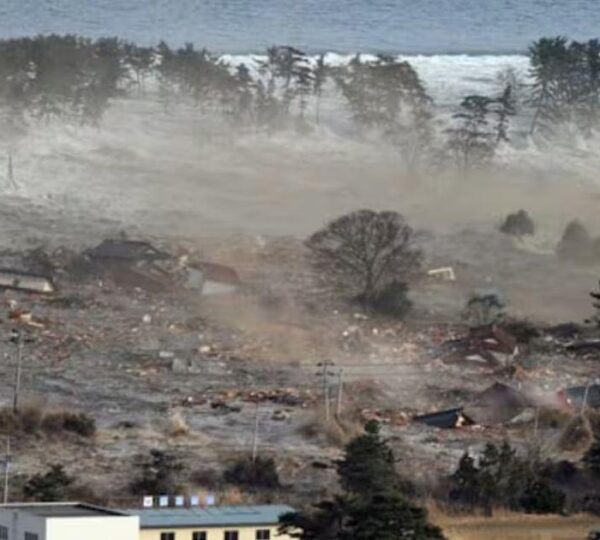
In addition to Hawaii, tsunami alerts were issued for parts of California, Oregon, and Alaska. Authorities used a combination of sirens, mobile alerts, and radio broadcasts to warn residents along the extensive Pacific coastline about potential flooding.
Former President Donald Trump posted on X and Truth Social, alerting the public to the tsunami threat and emphasizing the importance of preparedness. His message urged people to visit tsunami.gov for the latest official updates.
While the tsunami’s impact was most immediately observed in Hawaii, Japan ordered evacuations for nearly two million residents, particularly along the northeastern coast, in anticipation of high waves and possible flooding.
Tsunami watches were also issued in other Pacific nations, including the Philippines, China, Chile, and Mexico, demonstrating the extensive reach of the seismic event and the need for regional coordination to minimize casualties.
In Severo-Kurilsk, local authorities declared a state of emergency after waves swept containers inland, damaged boats and docks, and destroyed parts of the waterfront infrastructure. Rescue teams were dispatched to assess the damage.
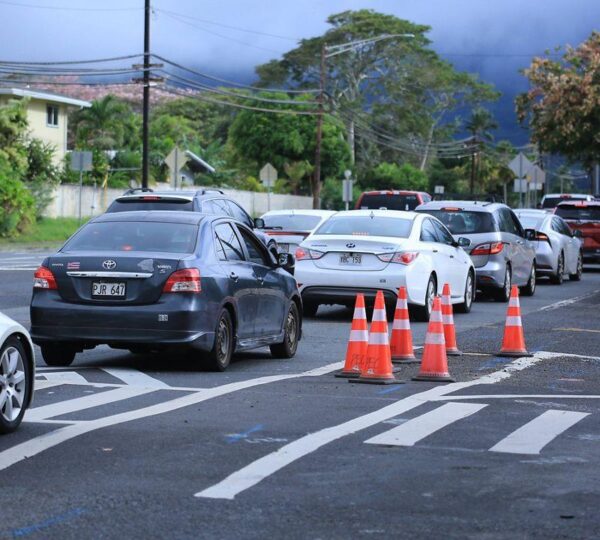
Reports emerged suggesting that media mogul Oprah Winfrey may have opened a private road on her Maui property to assist residents evacuating the area. While not independently confirmed, authorities stated they were actively managing traffic to ensure public safety.
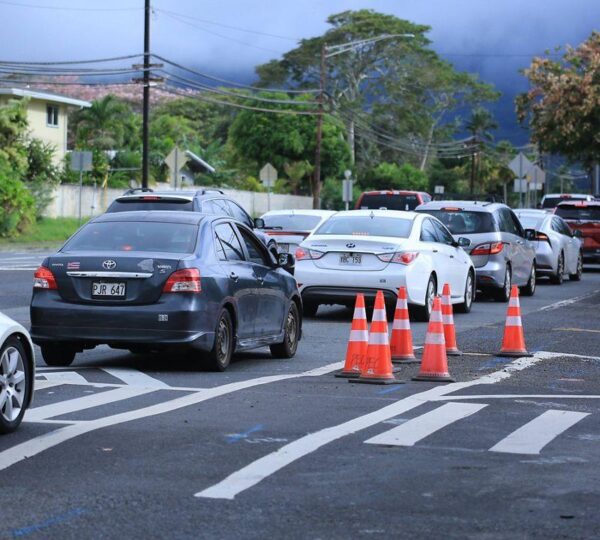
Highway congestion was reported across major routes, including Interstate H-1, as residents and visitors scrambled to higher ground. Emergency personnel coordinated traffic control and advised against unnecessary travel during peak evacuation periods.
Aerial patrols and coast guard vessels monitored the situation off California’s shoreline, broadcasting emergency instructions to coastal communities. Nearly 27 million residents along the California coastline were advised to remain alert and prepared for possible waves.
The Pacific Tsunami Warning Center provided continuous updates, emphasizing that the effects of an earthquake of this magnitude could be felt far beyond the initial epicenter, including distant coastal regions and islands across the ocean.
Scientists explained that the earthquake’s depth and magnitude contributed to a high probability of tsunami formation, with waves traveling at hundreds of miles per hour and affecting areas thousands of miles away within hours of the event.
Residents in Hawaii reported seeing unusually strong currents, rapidly rising water levels, and debris washing ashore, illustrating the immediate local impact and reinforcing the need for urgent evacuation and adherence to official guidance.
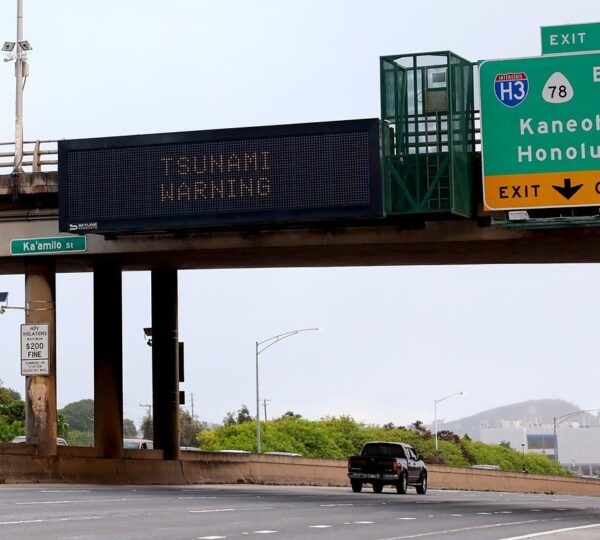
In Alaska, communities along the southern coast, including Kodiak and Sitka, received warnings to prepare for incoming waves. Emergency sirens were activated, and local authorities coordinated shelters and evacuation routes to ensure public safety.
Officials in California activated the state’s emergency alert system, providing real-time updates for cities from Moss Landing down to San Diego, warning that smaller waves could still cause significant flooding in harbors, marinas, and low-lying coastal areas.
Japan’s meteorological agencies reported heightened vigilance for areas including Hokkaido and northeastern Honshu, where early-warning systems broadcast evacuation instructions and monitored sea levels for rapid changes.
In the Philippines and China, coastal provinces issued tsunami watches, urging residents to move inland, secure belongings, and avoid beaches and harbors until further notice, demonstrating the wide-reaching implications of the earthquake.
Authorities in Chile and Mexico also advised residents to stay alert, emphasizing that even distant Pacific nations can experience oceanic wave surges following such a high-magnitude quake, requiring coordinated preparedness measures.
Emergency response teams in Severo-Kurilsk worked around the clock to provide shelter, food, and medical care to those affected. Boats and docks damaged by the waves were being cleared to prevent further hazards in local harbors.
Experts warned that aftershocks could follow the main quake, potentially generating additional waves or causing structural damage, and residents were urged to remain cautious and follow all evacuation and safety orders.
The earthquake and subsequent tsunami demonstrated the interconnected nature of the Pacific Rim, where seismic activity in one region can immediately affect communities thousands of miles away, highlighting the importance of regional disaster monitoring.
Authorities emphasized the importance of following official guidance, avoiding speculation, and staying tuned to NOAA, local emergency management, and trusted news sources for verified information to reduce confusion during the crisis.
Despite widespread alerts, the prompt evacuation efforts in Hawaii likely prevented loss of life. Shelters were reported to be operating near capacity, providing safe refuge, medical assistance, and emotional support to evacuees.
In Maui, residents and visitors shared videos of turbulent ocean conditions, with waves crashing against coastal roads, demonstrating the urgency of evacuation orders and the scale of the tsunami’s local effects.
The Pacific Tsunami Warning Center continued to track waves’ progress across the ocean, providing predictions for arrival times and potential wave heights for islands, coastal cities, and major ports across the Pacific basin.
Meteorologists explained that while the highest waves were expected near the epicenter, distant regions could still experience dangerous surges, emphasizing the unpredictability of tsunamis and the need for continuous vigilance.
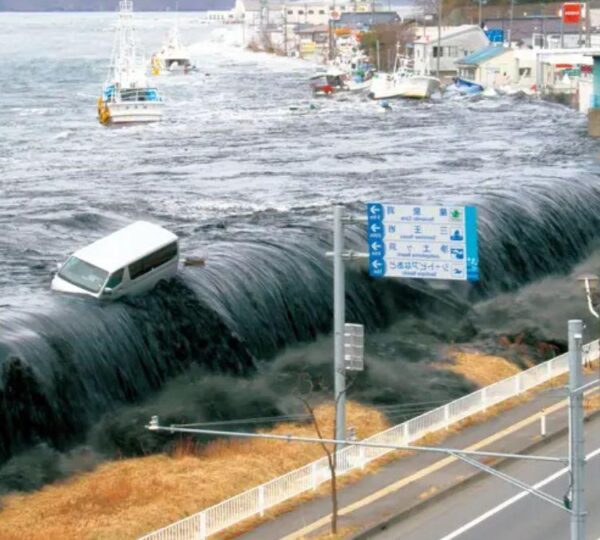
The earthquake served as a stark reminder of the Pacific “Ring of Fire,” a region known for frequent seismic activity, volcanic eruptions, and tsunami potential, underscoring the ongoing risk to coastal populations throughout the area.
As emergency operations continued, authorities across the Pacific Rim maintained communication to coordinate responses, share updates, and ensure that residents in affected areas had access to shelter, food, and medical services.
The event highlighted the crucial role of public awareness, early-warning systems, and coordinated disaster response in mitigating the impact of natural disasters and preventing potential loss of life across multiple nations.
In Hawaii, officials reported that waves had receded after reaching a peak of over five feet in certain locations, but residents were advised to remain in shelters until authorities declared it safe to return to lower-lying areas.
Scientists are analyzing the earthquake’s aftereffects to better understand tsunami propagation, wave heights, and the vulnerability of various coastlines, contributing to improved prediction models for future seismic events.
Communities across Alaska, California, and Hawaii were praised for their swift response, demonstrating how prior planning, drills, and public cooperation can significantly reduce the risk of casualties during large-scale emergencies.
The earthquake and tsunami event will likely be studied extensively to improve early-warning technologies, evacuation strategies, and public communication efforts for the Pacific Rim, enhancing resilience for future natural disasters.
As authorities continue monitoring ocean conditions, the public is reminded that seismic activity in the Pacific remains ongoing, and preparedness measures, including evacuation plans and emergency kits, remain essential for all coastal residents.
The collaborative response across nations demonstrates the importance of regional cooperation in addressing transnational natural disasters, ensuring that resources, alerts, and support systems are shared effectively for maximum safety.
Officials emphasized mental health support for evacuees, noting that natural disasters create both physical and emotional challenges, and resources are available to help residents cope with trauma, stress, and displacement.
In addition to immediate response efforts, long-term recovery planning has already begun in affected areas, focusing on rebuilding infrastructure, restoring utilities, and assisting communities displaced or damaged by waves and aftershocks.
The earthquake in Severo-Kurilsk underscores the urgent need for continued investment in disaster readiness, public education, and international collaboration to reduce the impact of future Pacific seismic events.
Across the Pacific Rim, the event serves as a reminder of nature’s unpredictability and humanity’s need for preparedness, caution, and solidarity in the face of powerful and widespread natural disasters.
