
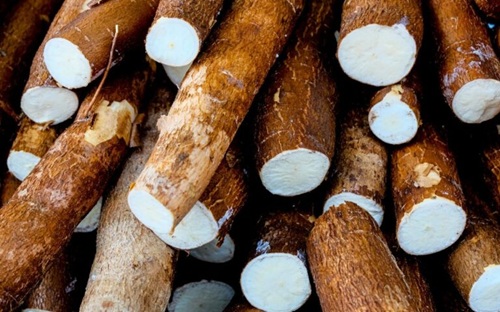
Every year, cassava is blamed for more than 200 deaths worldwide, yet the root vegetable remains one of the most widely consumed staple foods on Earth.
Nearly half a billion people depend on cassava as a daily source of calories and energy. But hidden beneath its humble exterior lies a natural chemical defense that can turn this nutritious crop into a life‑threatening hazard when it isn’t prepared correctly.
To understand why cassava can be both a lifesaver and a killer, we need to explore its biology, global role, risks, traditional food processing methods, and how modern science helps people enjoy it safely.
What Cassava Is and Why It Matters
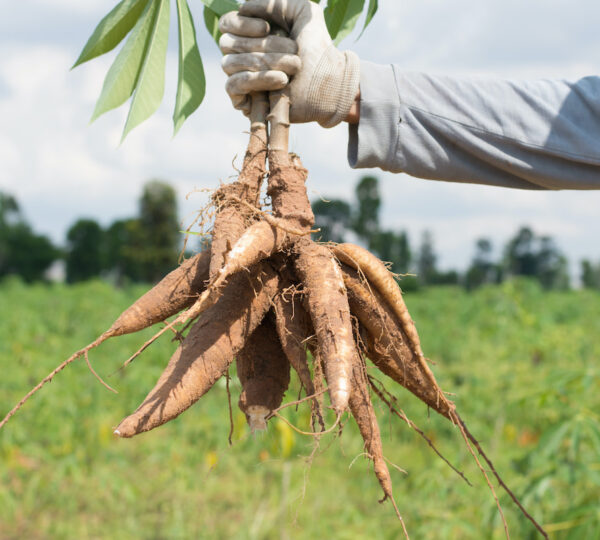
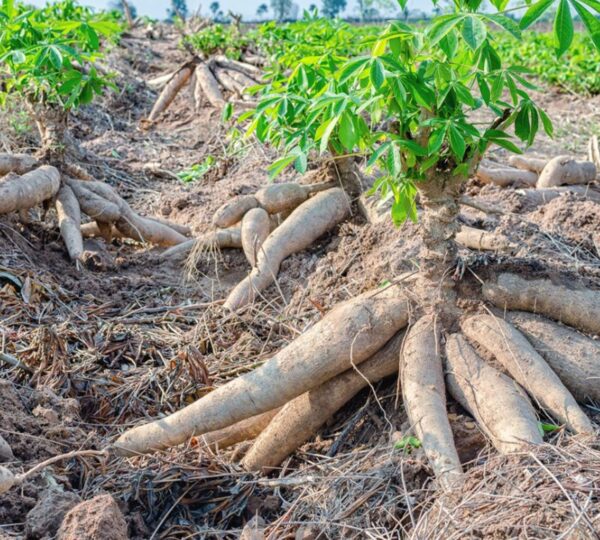
Cassava (scientific name Manihot esculenta), also known as yuca or manioc, is a woody shrub native to the tropical regions of South America.
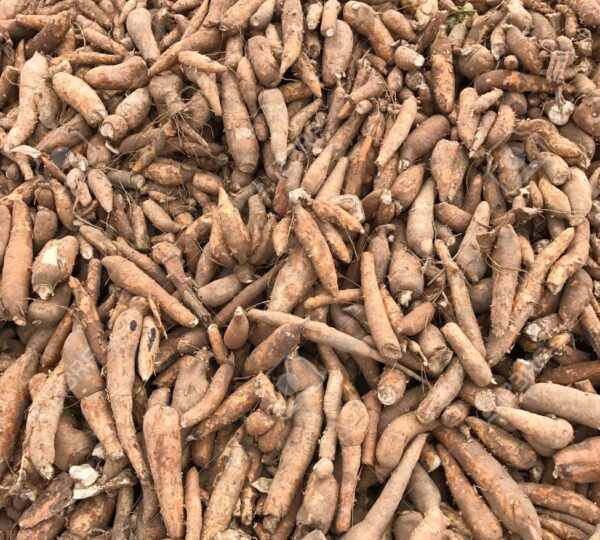
Today, about 500 million people rely on cassava as a staple food — meaning it provides a large portion of daily calories for entire communities in countries such as Nigeria, Brazil, Thailand, and Indonesia. Millions of tonnes are produced each year to feed people and to make flour, starch, and other food products.
Cassava is a major source of carbohydrates. A typical 100‑gram serving of cooked cassava yields energy‑dense carbohydrates and some vitamins and minerals, including vitamin C, copper, and small amounts of B vitamins.
This calorie density makes cassava especially important in regions where food security is precarious. It produces reliable yields with relatively little agricultural input, and it can be stored in the ground until needed, acting as a living food reserve.
The Hidden Danger: Cyanogenic Compounds in Cassava
Cassava’s risk comes from a group of natural plant chemicals called cyanogenic glucosides — primarily linamarin and lotaustralin — found in the roots, stems, peel, and leaves.
These compounds themselves are not toxic, but when cassava tissues are damaged (for example, by chewing or improper processing), they can break down and release hydrogen cyanide — a potent poison.
Hydrogen cyanide interferes with the body’s ability to use oxygen and can cause severe symptoms such as dizziness, nausea, difficulty breathing, confusion, and in extreme cases, respiratory failure and death. Chronic exposure has been linked to neurological disorders and other long‑term health problems.
Because of this risk, cassava has been given the alarming nickname “the world’s deadliest food” — not because it is inherently unsafe, but because of the danger that arises when it is misprocessed or eaten raw.
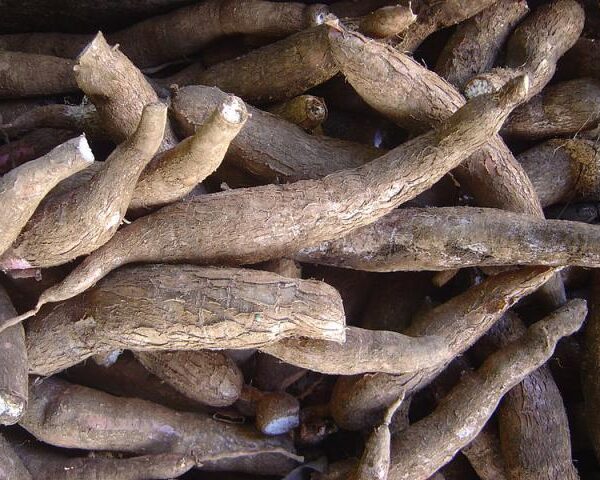
According to the World Health Organization (WHO), approximately 200 people die each year from cassava‑related cyanide poisoning, often during famine, conflict, or food shortage situations when thorough preparation may be skipped.
Why Cassava Can Be Safe — If Prepared Properly
The most critical factor in enjoying cassava safely is correct preparation. Cassava is not poisonous when cooked or processed using traditional methods, but the process must remove or neutralize the cyanogenic compounds.
Traditional and Effective Processing Methods
Over centuries, communities that rely on cassava developed detailed food processing techniques — not by accident, but through careful cultural knowledge — to make it safe:
-
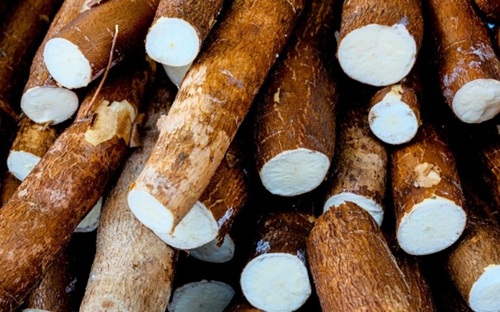
Peeling: The outer layer of cassava contains a high concentration of cyanogenic compounds. Peeling the root thoroughly removes a large portion of the toxins.
-
Soaking: Soaking cassava pieces in water for hours or even days can help leach out cyanide precursors before cooking.
-
Boiling / Cooking: Heating cassava breaks down cyanogenic glucosides and releases hydrogen cyanide, which evaporates or dissolves into the cooking water. Discarding the water after boiling further reduces risk.
-
Fermentation & Sun Drying: In some cultures, cassava is grated and fermented or sun‑dried before cooking. These methods can drastically reduce toxin levels and improve flavor.
When processed correctly, cassava can be as safe to consume as other starchy staples like potatoes or rice. The key is removing most of the cyanogenic compounds before eating.
Sweet vs. Bitter Cassava: Toxin Levels Vary
Not all cassava is created equal. There are two main categories:
-
Sweet cassava: Contains lower levels of cyanogenic glucosides. With basic peeling and cooking, it is generally safe for routine consumption.
-
Bitter cassava: Has significantly higher cyanide‑producing compounds and requires more extensive processing (grating, long soaking, fermentation) before cooking.
Cassava grown during drought conditions may also accumulate more cyanogenic compounds, increasing the risk if not properly prepared.
When Preparation Fails: Health Consequences
Acute Cyanide Poisoning
When cassava with high cyanogenic content is eaten raw or inadequately processed, hydrogen cyanide may be released in the body faster than the body can detoxify it. Acute poisoning can cause symptoms that range from headache and nausea to seizures, difficulty breathing, and death in severe cases.
This kind of poisoning most commonly occurs during:
-
Times of famine or food shortage, when people may skip thorough processing.
-
Conflict zones and refugee situations.
Historical outbreaks have been documented, such as in Uganda’s Kasese District in 2017, when improperly processed cassava flour led to cyanide poisoning affecting dozens of people.
Chronic Effects and Neurological Conditions
Regularly consuming high dietary cyanide — especially with low protein intake — has been linked to severe neurological disorders. One of the most well‑documented is konzo.
Konzo is an irreversible neurological disease characterized by sudden onset of stiffness and paralysis in the legs.
It has been observed in rural African populations where diets heavily depend on improperly processed bitter cassava and where protein intake is low, making the body less able to detoxify cyanide.
Konzo mainly affects women and children and tends to occur in epidemic outbreaks under conditions of extreme poverty. The disease can leave individuals unable to walk for life, and there is no cure.
Why Do Millions Still Eat Cassava?
With all these risks, why do hundreds of millions of people continue to consume cassava?
The answer lies in geography, economics, and survival.
Thrives in Challenging Environments
Cassava grows well in tropical and subtropical climates — even in poor soils where other staples struggle. It can tolerate drought and requires minimal agricultural inputs. This makes it a reliable crop for subsistence farmers.
Calorie‑Rich and Affordable
Cassava delivers a large amount of carbohydrates — hundreds of calories per serving — making it an excellent energy source for communities with limited food variety.
Versatile in Cooking and Industry
Cassava is used in many forms:
-
Boiled or mashed as a staple dish.
-
Processed into flour or starch for bread, snacks, and industrial uses.
-
Made into traditional foods like fufu, cassava bread, or tapioca.
Cassava’s economic value extends beyond food. Tapioca starch derived from cassava is used in gluten‑free products, textiles, paper, and more.
Modern Safety Measures and Advice
Health authorities emphasize that proper instruction and preparation make cassava safe. Here’s what people should know:
-
Always peel raw cassava before cooking.
-
Soak root pieces in water for hours or days to leach toxins.
-
Boil thoroughly and discard cooking water.
-
Fermentation and sun drying are effective traditional detoxification steps when available.
Processed cassava products like tapioca pearls or cassava flour sold commercially are generally safe because processing removes most cyanogenic compounds.
Also, a balanced diet that includes adequate protein helps the body detoxify small amounts of cyanide naturally.
Beyond Cyanide: Other Health Considerations
While cyanide toxicity is the most documented risk of cassava, there are other health factors to consider:
-
Cassava leaves and roots can absorb soil pollutants such as metals and pesticides if grown near contaminated land.
-
Goitrogens in cassava may interfere with thyroid function, especially in areas with iodine deficiency.
These factors emphasize the importance of diverse, balanced diets — cassava alone cannot supply all nutrients required for health.
Cassava in a Global Context
Cassava’s story is one of survival and adaptation. In regions where food security is a daily challenge, it provides sustenance when few other crops can thrive. The fact that millions eat cassava daily without issues shows that safe preparation removes most danger.
However, when traditional processing methods break down due to crisis, migration, or loss of cultural knowledge, the risk of poisoning increases.
Education about safe preparation and community access to diverse foods remain critical for reducing illness and death.
Cassava’s dual identity — as a life‑giving staple and a potential hazard — underscores a larger truth about natural foods: many plants produce toxins as defense mechanisms, and human cultures have developed processing methods over centuries to neutralize them.
Staying aware of these risks and respecting traditional knowledge ensures that cassava remains a safe and valuable part of diets around the world.
Final Summary
Cassava is a major global food staple that feeds hundreds of millions of people, especially in regions where other crops struggle.
Its high carbohydrate content makes it a crucial source of energy. However, cassava naturally contains cyanogenic glucosides capable of releasing hydrogen cyanide, which can cause poisoning and even death if the root is eaten raw or improperly prepared.
Approximately 200 people die each year from cassava‑related cyanide poisoning, according to the World Health Organization, though millions enjoy it safely through proper processing.
Traditional preparation methods — peeling, soaking, fermenting, and thorough cooking — reduce toxic compounds, making cassava a reliable food source when handled correctly. Understanding these risks and preparation methods is essential for communities that rely on cassava and for anyone seeking to include it in their diet.
