

The 2026 Academy Awards were notable not only for celebrating cinematic achievements but also for generating controversies that sparked debates among viewers, critics, and social media users regarding fairness and treatment of certain award recipients.
One of the most talked-about moments involved the Netflix animated feature K-Pop Demon Hunters, a film that had gained massive global attention for its vibrant animation, compelling storytelling, and cultural significance in bringing K-Pop to international audiences.
The film’s soundtrack, particularly the song “Golden,” received widespread acclaim, blending traditional orchestration with modern K-Pop elements. This unique fusion helped it earn a nomination for Best Score at the 2026 Oscars, reflecting its artistic innovation.
When the category was announced during the live broadcast, “Golden” was revealed as the winner, marking a historic moment as the first K-Pop track to secure an Oscar in this category, signaling growing global recognition for the genre.
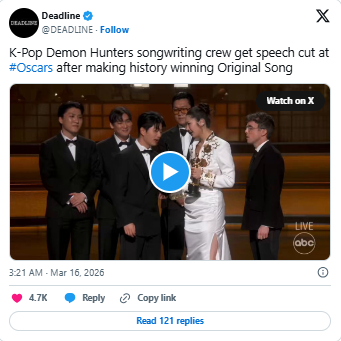
However, the win, though celebrated, quickly became controversial due to how the recipients were treated during their acceptance on stage. Viewers noted that the speeches of the awardees were cut short, leading to criticism of the Academy’s handling of the moment.
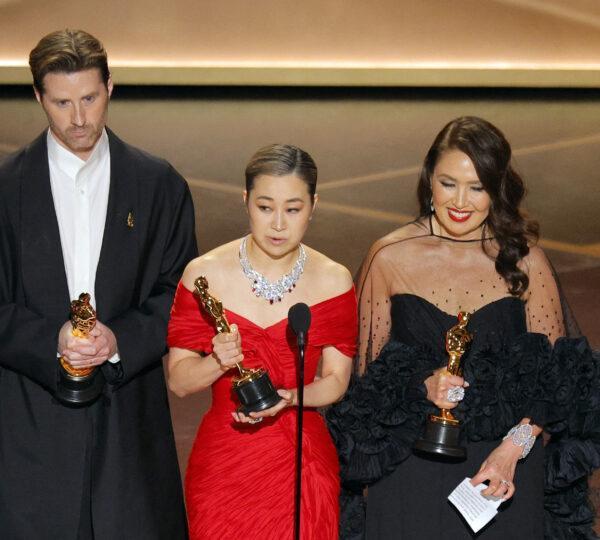
Kim Eun-jae, professionally known as Ejae, delivered a heartfelt speech. She spoke about her childhood, growing up loving K-Pop in an environment where it was often dismissed or ridiculed, highlighting the personal significance of this achievement.
Ejae’s speech resonated with many, particularly fans and aspiring musicians who faced similar cultural barriers. Her acknowledgment of these challenges helped underscore the broader historical importance of the win, not just for the film but for global representation.
When songwriter Yu-Han Lee began to speak, the Academy abruptly cut him off, playing music over his words and signaling a commercial break, despite his attempts to continue, which left many viewers shocked and frustrated with the decision.
Ejae tried to gesture for more time, motioning with her hands for the Academy to allow Lee to finish, but the ceremony proceeded regardless, prompting immediate backlash on social media platforms like X, where fans expressed anger and disappointment.
One viewer wrote, “The Academy took one last swipe at Demon Hunters, the only group to get cut off completely and abruptly. Just like how Sony treated them too,” highlighting perceived historical patterns of underrepresentation.

Another noted, “Barely giving them time for their speech, playing music over them, turned out the lights, and went to commercial. No one else tonight got that mistreatment, especially cutting off a man where English isn’t his first language.”
Critics emphasized that the treatment appeared especially insensitive given the historic nature of the win, as K-Pop artists had never before been recognized in this category, underscoring the need for more equitable recognition of global contributions to film music.
Another X user pointed out, “They should have cut down on some of the presenters’ jokes to give history-making moments like these the light it deserves,” reinforcing the argument that ceremony pacing unfairly marginalized key achievements.
Despite the interruption, Lee later expressed gratitude during a press conference, saying, “I would like to thank our families, and 24, and our fellow IDO members. This is an incredible honor,” highlighting the team effort behind the success of the song.
The film itself also earned the award for Best Animated Feature Film. During the acceptance speech, co-writer and co-director Maggie Kang emphasized representation, acknowledging the importance of visibility for minority communities in mainstream cinema.
Kang stated, “For those of you who look like me, I’m so sorry that it took so long to see us in a movie like this, but it is here. That means the next generations don’t have to go longing.”
She concluded her speech with, “This is for Korea and Koreans everywhere,” a declaration that resonated strongly with fans worldwide and reflected the broader cultural significance of K-Pop Demon Hunters beyond cinematic achievement.
The recognition of “Golden” and K-Pop Demon Hunters represents a significant milestone for K-Pop globally. It illustrates the genre’s increasing acceptance and influence in Western media, bridging cultural gaps through the universal language of music and storytelling.
Fans around the world celebrated the win, with social media accounts, news outlets, and fan communities amplifying the importance of seeing Korean artists recognized on such a prestigious international stage.
The controversy over the interrupted speeches also sparked conversations about inclusivity and equitable treatment in live award shows, raising awareness about the need to respect and properly highlight international contributors to cinema.
Critics and cultural commentators emphasized that language barriers, cultural differences, and historic underrepresentation should be considered in planning stage time and support for non-English-speaking recipients, ensuring fairness in global awards.
Industry insiders suggested that logistical issues with live broadcasts contributed to the cutting of speeches, but many viewers felt that the decision reflected systemic oversight, pointing to a broader pattern of marginalizing non-Western contributions to film.
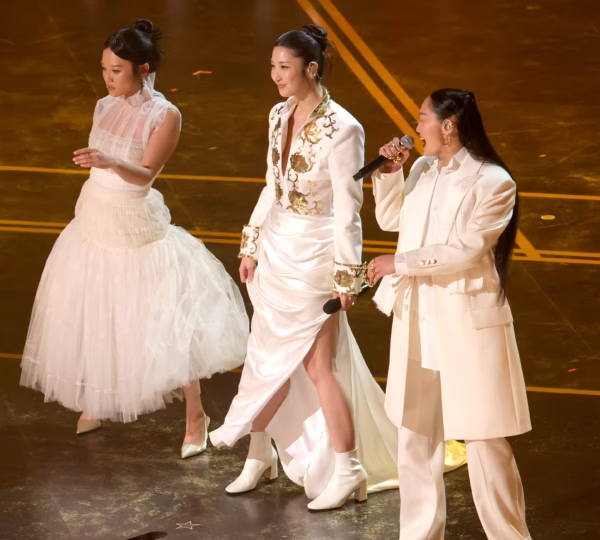
K-Pop Demon Hunters had already achieved remarkable commercial success before the Oscars. The animated film’s soundtrack, visuals, and storytelling captured fans internationally, particularly among younger audiences who helped popularize K-Pop through streaming platforms and social media.
The song “Golden” blends traditional orchestration with modern Korean pop influences, featuring layered vocals, dynamic harmonies, and intricate instrumental arrangements, reflecting the sophistication and innovation that appealed to the Academy voters.
Ejae’s journey to the Oscars also embodies the struggles of global artists. Growing up in an era where K-Pop was less widely respected, she faced skepticism and discouragement from peers, but persisted, ultimately contributing to a work recognized at the highest level.
Lee, similarly, navigated a career balancing cultural authenticity with international appeal, combining deep knowledge of music composition with a desire to introduce K-Pop to wider audiences, which culminated in the Academy Award-winning score.
The film’s success demonstrates the growing impact of international media in Hollywood. Netflix’s platform facilitated widespread distribution, allowing global audiences to access and support K-Pop Demon Hunters, emphasizing the importance of streaming in elevating cross-cultural media.
Critics praised the film for both artistic quality and cultural resonance. Its animation style combines traditional hand-drawn techniques with digital enhancements, creating a visually stunning experience that complements the narrative’s themes of resilience, teamwork, and personal growth.
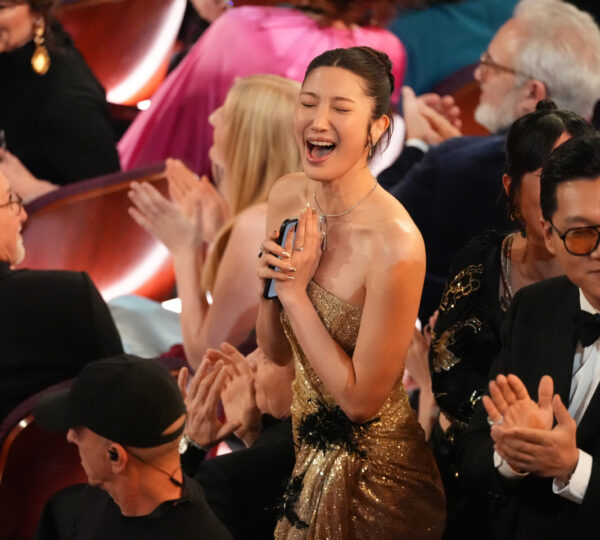
Audience response to the awards night was mixed. While some celebrated the historic win, others focused on the perceived mistreatment of the recipients, leading to widespread discussions on X, Reddit, and Instagram regarding representation, fairness, and ceremony logistics.
Some viewers argued that award shows should prioritize historic and culturally significant moments over scripted comedy or filler content, ensuring that groundbreaking achievements receive the attention and respect they deserve.
In addition to the Oscars, “Golden” topped international music charts following the win, reflecting the song’s crossover appeal and demonstrating that global audiences are increasingly receptive to music beyond traditional Western pop norms.
The collaboration between the film’s creative team and K-Pop artists also highlights a trend of cross-industry partnerships, where film and music industries merge to create works that resonate with diverse audiences worldwide.
Academy voters noted the song’s technical proficiency, emotional resonance, and innovative blending of genres, all of which contributed to its historic recognition, underscoring that artistry can transcend language and cultural barriers.
The Oscar win also carries symbolic significance. For the K-Pop industry, it validates years of international expansion, fan engagement, and creative evolution, signaling that global music forms can compete on prestigious entertainment platforms.
K-Pop Demon Hunters’ recognition encourages other filmmakers and musicians to pursue culturally authentic projects while seeking international acclaim, promoting diversity and innovation in both animation and music scoring.
While the interruption of speeches drew criticism, it also sparked broader conversation about inclusivity, emphasizing the need for award organizers to better accommodate recipients whose first language is not English or who come from underrepresented cultural backgrounds.
Social media campaigns emerged in support of Ejae and Lee, praising their talent, dedication, and resilience. Fans highlighted how important visibility is for inspiring future generations of artists from Korea and other underrepresented regions.
Industry experts also noted that recognition of K-Pop artists on a stage as prestigious as the Oscars could influence future music scoring decisions, encouraging studios to consider diverse soundtracks and global artistic contributions.
In addition to awards recognition, the film’s cultural influence is notable. It introduced international audiences to K-Pop aesthetics, choreography, and musical structure, contributing to a global appreciation of Korean popular culture beyond traditional media outlets.
Critics also praised the Oscar-winning score for its emotional storytelling. “Golden” effectively conveys narrative arcs, character growth, and thematic tension, enhancing the immersive experience of K-Pop Demon Hunters and demonstrating the power of music in animation.
The historic win also inspired commentary from prominent Korean artists, highlighting the importance of global acknowledgment for Korean creative industries and encouraging cultural exchange between East and West in entertainment.
Despite the brief stage interruptions, the recognition of “Golden” serves as a triumph for K-Pop artists worldwide, emphasizing perseverance, talent, and the increasing legitimacy of non-Western contributions in mainstream global cinema.
Maggie Kang’s acceptance speech for Best Animated Feature Film further cemented the significance of representation in storytelling, acknowledging systemic barriers and celebrating the cultural identity of Korean creators in a global arena.
The film and its music continue to influence global audiences, with streaming numbers and social media engagement surging following the Oscars, illustrating the ongoing impact of recognition from major award ceremonies on international content consumption.
Industry observers emphasized that this moment at the Oscars is a milestone not only for K-Pop but also for animation, highlighting how international media can influence traditional Western-dominated awards systems and expand cultural horizons.
Critics, fans, and journalists alike noted that while logistical issues during the ceremony were unfortunate, the historic win remains a defining achievement for Korean artists and reinforces the global reach of K-Pop and animation storytelling.
The awards have sparked discussion among educators, cultural commentators, and students about representation in media, emphasizing the importance of celebrating achievements that historically may have been marginalized due to language, nationality, or cultural origin.
The combination of a critically acclaimed animated film and a groundbreaking K-Pop score highlights the potential of cross-cultural collaboration to redefine cinematic and musical excellence, encouraging future projects that reflect global diversity.
Ultimately, the 2026 Oscars moment for K-Pop Demon Hunters represents both a victory and a lesson for the entertainment industry, showing the importance of respecting recipients, valuing representation, and celebrating innovation without interruption or oversight.
