
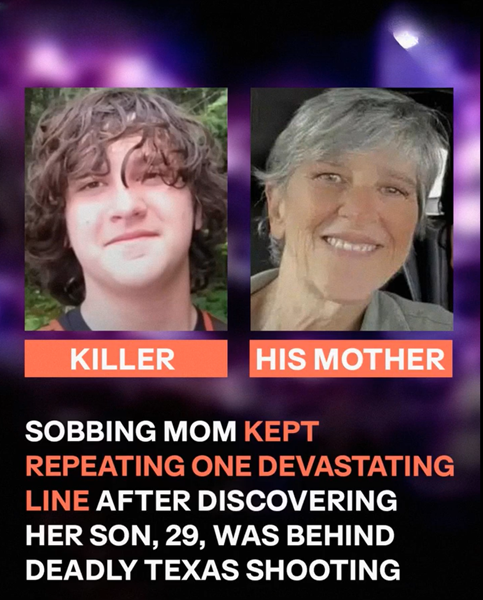
Authorities have identified 29-year-old Joshua Jahn as the primary suspect in a shocking and violent shooting incident that occurred near the Dallas Immigration and Customs Enforcement (ICE) facility earlier this week.
The attack resulted in the death of one detainee and injuries to two others who were inside an ICE transport van at the time.
Remarkably, no ICE officers were physically harmed, although the event has heightened concerns about officer safety, detainee protection, and security protocols at federal immigration detention facilities across the country.
This tragic occurrence has not only shaken the Dallas community but also prompted nationwide conversations about the security of federal facilities and the threats posed to immigration enforcement personnel.
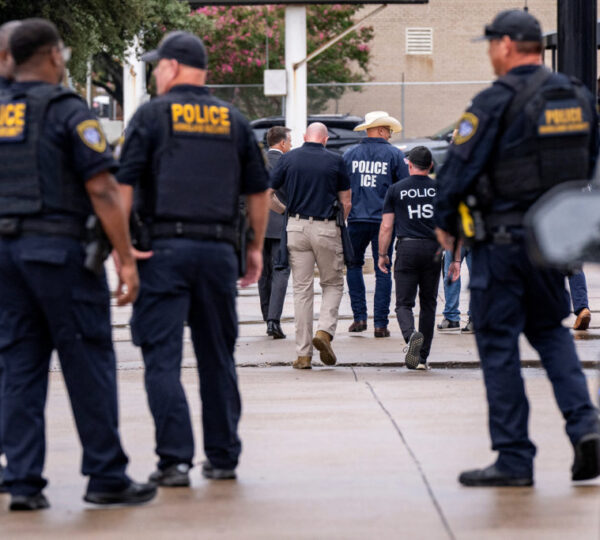
The Incident
According to law enforcement reports, the shooting took place when the ICE transport van, containing detainees being moved between facilities, was targeted by an assailant who fired multiple rounds.
Investigators quickly recovered several shell casings at the scene, some of which contained messages critical of ICE, describing the attack as a direct assault on federal authority.
This messaging indicates that the act may have been symbolic in nature, designed to challenge or intimidate federal law enforcement personnel, and raised immediate concerns about potential politically motivated violence.
Emergency response teams arrived promptly, providing medical care to the injured detainees while securing the area for investigation.
The wounded were transported to nearby hospitals, where their conditions were reported as stable but serious.
Officers on the scene, trained for such high-risk situations, coordinated with multiple agencies to prevent further escalation and to ensure the safety of both bystanders and facility personnel.
Joshua Jahn: Background and Profile
Joshua Jahn’s personal history has become a central focus of the ongoing investigation. Jahn, 29, attended the University of Texas at Dallas for a brief period, where classmates described him as quiet and reserved.
Unlike many individuals who engage in politically motivated acts of violence, Jahn’s digital presence displayed little to no engagement with political content, activism, or extremist discourse.
Family members expressed profound shock and disbelief following news of the allegations. Jahn’s mother, Sharon, was reportedly overcome with emotion and declined to speak publicly.
His brother, Noah Jahn, described Joshua as “non-political” and “unique,” emphasizing that he had not displayed behaviors or views indicative of violent tendencies.
According to family statements, Joshua had been unemployed at the time of the incident and had plans to move to their rural property in Oklahoma, seeking a quieter and less stressful lifestyle away from the urban environment.
Legal History
Court records reveal that Joshua Jahn had only a minor legal incident in 2016, related to marijuana possession. He received a fine and probation, which he completed early.
There is no record of any violent behavior, prior threats, or conflicts with law enforcement. Authorities have confirmed that there is no prior criminal history that would have indicated a predisposition toward this type of attack, further intensifying the mystery surrounding his motives.
President Donald Trump issued a statement condemning the attack in strong terms, calling the act “despicable” and reaffirming his support for ICE officers and all federal law enforcement personnel.
Homeland Security Secretary Kristi Noem also addressed the nation, asking the public to keep the victims and their families in their thoughts and prayers.
She underscored the increasing dangers faced by ICE officers and emphasized the necessity of implementing more robust security measures to prevent future attacks.
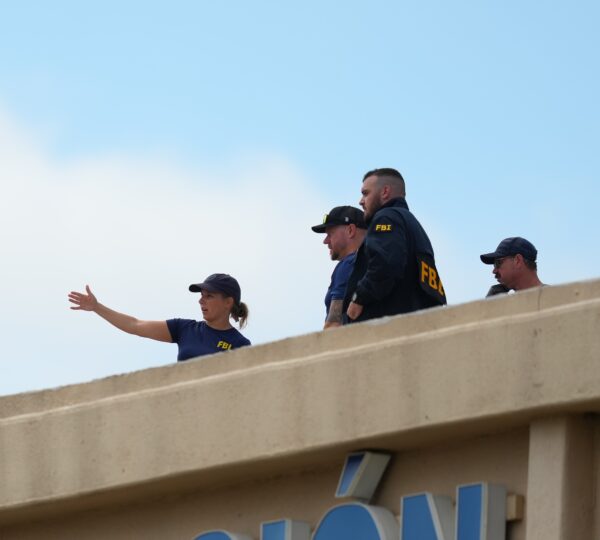
Federal, state, and local law enforcement agencies have coordinated their responses to ensure thorough investigation and community reassurance.
Officials highlighted that incidents such as this, while rare, underscore the constant vigilance required to safeguard personnel and detainees at immigration detention centers.
Eyewitness Accounts
Witnesses to the incident described a chaotic and terrifying scene. Denises Robleto, who was waiting in her car while her mother was inside the facility, recounted: “It was terrifying. When I heard the gunshots, my first thought was about my mother’s safety inside. Everything happened so fast, and I didn’t know what was going on.”
Authorities temporarily held Robleto’s vehicle for examination as part of the investigation, a standard procedure to gather potential evidence and establish the context of what occurred.
Other witnesses described hearing rapid gunfire, seeing individuals ducking for cover, and feeling the immediate panic that swept through the area.
The incident left a lasting psychological impact on those nearby, prompting discussions about trauma-informed support for civilians who experience violent events firsthand.
Investigation and Security Measures
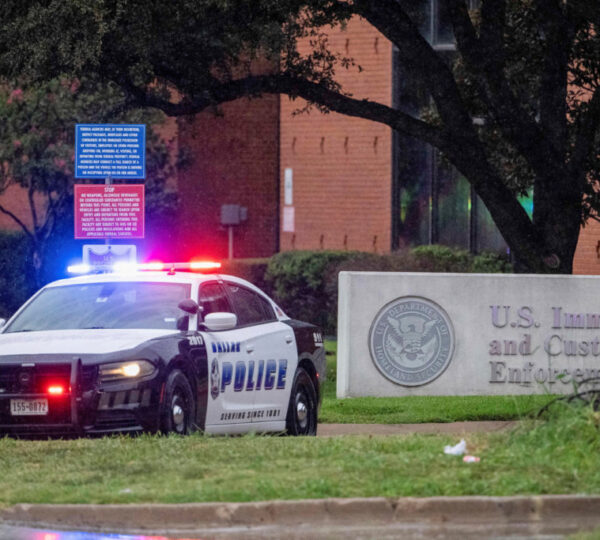
Law enforcement agencies have broadened their investigation, conducting searches of vehicles and residences linked to Joshua Jahn.
One vehicle parked near the scene, displaying unusual signage, was examined extensively. Multiple search warrants were executed at properties connected to Jahn, including his family home and temporary residences, as investigators searched for evidence that could clarify his motives, any potential accomplices, or plans for future attacks.
Authorities are also examining Jahn’s digital footprint, including social media activity, emails, and online communications, in an effort to determine whether the shooting was inspired by ideological beliefs, personal grievances, or other factors.
While the attack included messages critical of ICE, investigators have not yet identified any direct connections to organized extremist groups.
ICE Security and Operational Response
The shooting has reignited debates regarding security protocols at ICE facilities nationwide. Officials have indicated that, while the transport van was following standard security procedures, the assailant exploited vulnerabilities that are now being addressed.
Increased patrols, surveillance upgrades, and the introduction of enhanced protective measures for detainee transport are already being implemented to prevent similar attacks.
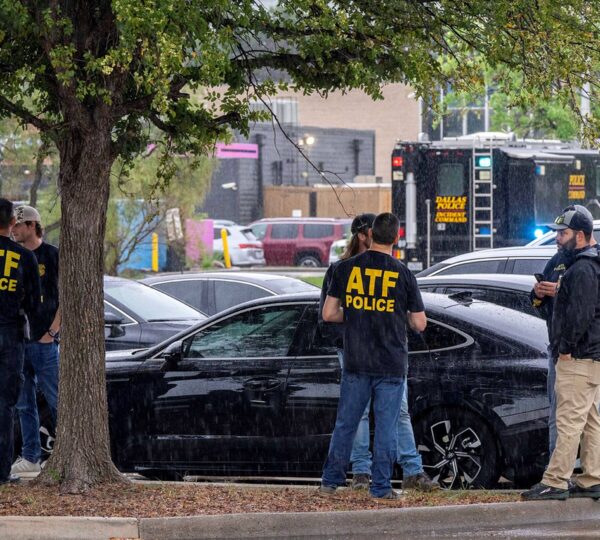
The Department of Homeland Security has also initiated a comprehensive review of all federal immigration enforcement facilities, emphasizing risk assessments, officer training, and coordination with local law enforcement to reduce the likelihood of attacks on personnel and detainees.
Community Impact and Response
The Dallas community has been left deeply unsettled by the violence. Local leaders have prioritized public safety and community reassurance, coordinating with law enforcement to increase visibility around federal facilities and high-traffic areas.
Community outreach efforts are underway to provide support to families affected by the attack, including counseling services and trauma support programs.
Public officials have emphasized unity and resilience in the face of violence. Mayor Eric Johnson stated: “This incident is a stark reminder of the challenges our law enforcement personnel face every day. We must support our officers, protect our community, and work together to prevent such tragedies.”
Residents and business owners in the surrounding areas have also taken part in community meetings, discussing emergency preparedness, reporting suspicious activities, and ensuring that vulnerable individuals feel protected.
Broader Implications
This incident has sparked a nationwide conversation about the security of immigration enforcement personnel and facilities.
Advocates, policymakers, and law enforcement officials are calling for increased investment in officer protection, improved training, and a more comprehensive approach to assessing and mitigating threats.
The attack also highlights the complexities of politically motivated violence and radicalization. Authorities continue to investigate Joshua Jahn’s motives, looking at personal, social, and psychological factors that may have contributed to the attack.
While shell casings found at the scene contained messages critical of ICE, no definitive links to organized extremist groups or broader networks have been confirmed.
Experts note that understanding the motives behind lone-actor attacks is critical for prevention strategies.
Investigators are examining patterns in digital behavior, personal history, and social interactions to identify early warning signs and ensure that law enforcement can act before such incidents occur in the future.
Healing and Moving Forward
As the investigation continues, the Dallas community grapples with grief, fear, and a sense of vulnerability. Families of the victims mourn the loss of one loved one while praying for the recovery of those injured.
Local support organizations have mobilized to provide counseling, assistance with medical bills, and emotional support for affected individuals and families.
Officials stress the importance of maintaining community cohesion and resilience. Public safety campaigns encourage residents to remain vigilant, report suspicious activity, and support one another in times of crisis.
Law enforcement agencies have also reminded the public that incidents of violence, while alarming, remain rare and that coordinated response plans are in place to protect both civilians and federal personnel.
The attack serves as a sobering reminder of the risks faced by federal law enforcement officers, the challenges of safeguarding detainees, and the need for ongoing dialogue between communities, policymakers, and security personnel.
Experts emphasize that preventing future tragedies requires collaboration, increased resources, and a commitment to identifying potential threats before they escalate.
Moving Toward Prevention
The Dallas shooting underscores the importance of proactive measures to prevent violence at federal facilities. This includes:
-
Enhanced training for officers on recognizing and responding to potential threats.
-
Upgraded security systems such as surveillance cameras, reinforced vehicles, and controlled access points.
-
Community engagement programs to build trust and communication between residents, officers, and local authorities.
-
Mental health resources for law enforcement personnel, detainees, and families affected by violent incidents.
Through these initiatives, authorities aim to create safer environments for both law enforcement officers and the public, minimizing the risk of recurrence.
Conclusion
The Dallas ICE shooting represents a tragic convergence of violence, uncertainty, and grief. Joshua Jahn’s actions have left a lasting impact on victims, families, law enforcement personnel, and the broader community.
While the investigation continues, the incident serves as a critical case study in security, community resilience, and the challenges of preventing politically or ideologically motivated acts of violence.
Communities, officials, and federal agencies are working together to ensure that lessons are learned, that security protocols are strengthened, and that families affected by this tragedy receive the support they need.
As Dallas and the nation process the incident, the focus remains on justice, healing, and creating safer environments for all.
