...

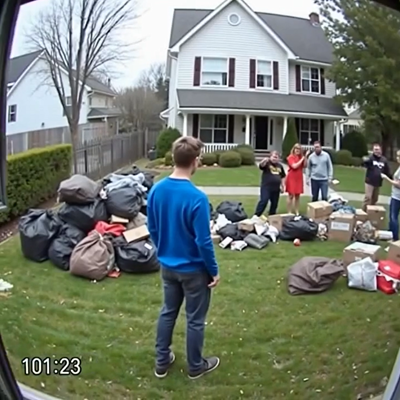
Once the funeral ended, they threw out my belongings, locked me out, and yelled, “This house belongs to us!”

When Dad’s illness worsened, life inside our home began to unravel in quiet, painful ways.

The home that had once overflowed with laughter, clinking dishes, and weekend chaos slowly emptied itself of joy.

The television that used to stay on late into the night became background noise no one really listened to. The kitchen smelled less like family dinners and more like reheated leftovers eaten in silence.

The change was gradual, but undeniable.

Hallways felt longer and colder. Rooms that once held warmth now echoed with memories.

Conversations turned into brief, heavy exchanges about test results, medication schedules, and doctor appointments.
One evening, after another long day of questions with no comforting answers, the hardest decision was made:

Dad would move into hospice.

That word — hospice — sat in the air like a slow, quiet goodbye. It didn’t shout. It didn’t scream. It simply settled into the atmosphere and changed everything.

Visiting Dad: The Slow Ritual of Letting Go

I visited him every single day.

Not because someone asked me to. Not because I felt obligated.

But because not visiting him would have felt like abandoning a piece of my own heart.

Some days were surprisingly beautiful. Dad would smile faintly, lift his hand with effort, and squeeze my fingers as if trying to give me strength he no longer had for himself.

He asked about small, ordinary things — work, breakfast, the weather — and I answered as gently as I could, knowing those moments meant more than any dramatic speech.

Other days, he drifted in and out of consciousness, speaking in fragmented whispers about memories from decades ago.
He talked about fishing trips, childhood friends, and moments I had never heard about. His mind wandered through time, and I followed quietly, letting him take me wherever he needed to go.

I listened — even when the words stopped making sense. I stayed — even when he no longer opened his eyes.

I told him he could rest — even when my own voice broke.

Not because I believed everything would be okay… but because I needed him to believe it.

Emma, tangled up in college life, visited when she could. She was kind and caring, but grief is easier to avoid when youth pulls you in other directions. I didn’t blame her. But her absence wrapped the room with a faint emptiness.

Mom moved through everything like a ghost. Not cruelly — but coldly. Detached. Practical. Emotionally somewhere else entirely.

It was as if she had stepped out of her marriage long before Dad’s body began to decline, and now she was simply waiting for life to restart without him.

That distance — hers, Emma’s, everyone’s — wrapped around me like a heavy cloak.

Dad’s Final Plea: A Confession That Broke Me

A few days before he passed, Dad asked to see me alone.

He looked so small — swallowed by blankets, pale and fragile. His chest rose and fell unevenly, each breath sounding like a mountain he had to climb. His hand shook slightly as he reached for mine.

“Please forgive me,” he whispered, emotion cracking every syllable. “For the mistakes I made… for the times I wasn’t enough.”

The words hit me like a blow.

My father — the man who carried us through hardships, who worked endless hours, who tried his best even when it wasn’t perfect — still carried guilt heavier than his failing body.

I leaned forward and gently brushed his forehead.

“I forgive you, Dad. Fully. Completely. You can rest now.”

The relief that washed over him was instant and heartbreaking. He exhaled slowly, like he had finally put down a burden he’d been carrying for decades.

He passed shortly afterward — quiet, peaceful, like a candle flickering out in gentle wind.

The Funeral: Where Grief Meets Greed

The funeral arrived with a gray sky and a biting chill. People gathered, offering polite condolences and soft words. But behind their sympathy, I saw something else:

Curiosity.
Assumptions.
Calculations.
I noticed their eyes drift — not toward the casket, but toward Mom, toward Emma… and toward me.

Because where there is a house, there is expectation. Where there is inheritance, there is opportunity.

Where there is death, there is greed.

Whispers floated across the cemetery:

“Does the wife get everything?” “He must have left the house to someone.”

“I heard he made changes right before he passed.”

I stayed quiet.
There was nothing to say.
Not yet.

Thrown Out of My Own Childhood: A Scene I Will Never Forget

The day after the funeral, I returned to the house to gather a few sentimental items — Dad’s watch, old letters, and a photograph of us fishing when I was ten.

But as soon as I walked up the driveway, my breath caught in my throat.

My personal belongings were scattered across the lawn.

Childhood drawings.

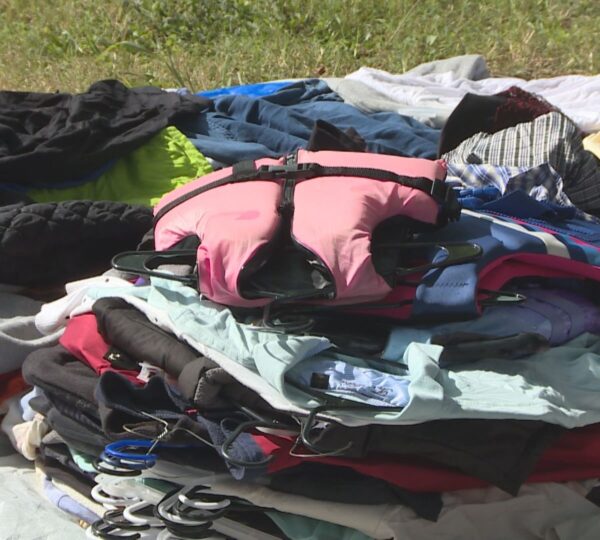
School certificates. Old clothes. Books I had saved since elementary school.

Memories of twenty years — tossed onto the ground like unwanted debris.

Mom stood in the doorway, arms folded tightly across her chest. Emma hovered behind her, uncomfortable, her eyes flicking between me and the mess.
Mom’s voice cut through the air like a blade:

“This house is ours. You don’t belong here. Take your things and go.”

A thousand emotions flared inside me — shock, anger, pain — but I swallowed them.

Fighting wouldn’t fix anything.
Arguing wouldn’t change who they were.
Yelling wouldn’t bring Dad back.

So I simply said:

“I understand.”

And I walked away, leaving behind the illusion that I had ever been part of that home in their eyes.

What they didn’t know — what they could not have imagined — was that Dad had already seen all of this coming.

The Will Reading: The Moment Truth Finally Spoke

A week later, we all gathered in the notary’s office. The room smelled faintly of paper, dust, and anticipation.

Mom sat upright, confident.
Emma tried to appear neutral.
Other relatives watched closely, waiting.

The notary opened the folder and began reading.

Small items were distributed first — meaningful keepsakes, modest amounts of money, sentimental objects.

Emma received Dad’s beloved camera. A cousin received an old record collection. Everyone nodded politely.

Mom leaned forward expectantly.

Then the notary looked up and said:

“The house is not listed in the will.”

The room fell silent.

Mom’s eyebrows furrowed.
Emma’s eyes widened.
A relative coughed awkwardly.

“What do you mean?” Mom demanded. “It’s our home!”

The notary cleared his throat.

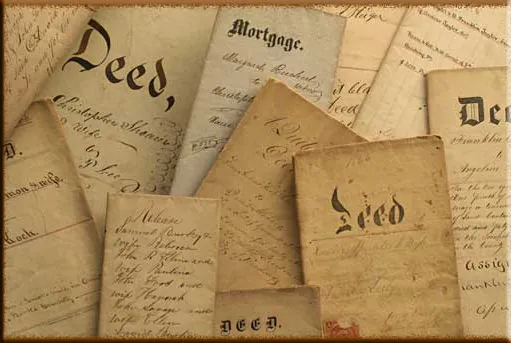
“Mr. Johnson legally transferred the house to his daughter Sheila several months before his passing.”

Silence cracked through the room like thunder.

Mom’s face drained of color.
Emma’s lips parted in shock.
Every relative turned to look at me.

“That cannot be true,” Mom hissed. “There must be a mistake!”

But I finally spoke — steady, calm, certain.

“There’s no mistake. Dad wanted the house protected. He transferred it to me to secure it, to settle debts, and to keep it within the family.”

A shift happened in that moment — subtle, but unmistakable.

For the first time in my life, Mom looked at me as someone she could not control.

Emma looked at me with newfound respect.
The rest of the room saw not the overlooked child…
but someone who had quietly stepped into strength.

Reclaiming My Place — And Choosing Compassion Over Revenge

Mom argued, insisted, threatened to contest — but the notary had airtight proof. There was nothing anyone could do.

The house was mine.

I could have turned the tables.
I could have demanded they leave.
I could have mirrored their cruelty.

But something inside me refused to repeat the cycle.

So I took a breath and said quietly:

“I’m not putting you out. You can stay here. I’m not here to punish anyone.”

Mom froze.

She blinked, swallowing hard, tears forming in her eyes — tears not of gratitude, but of stunned, complicated emotions she had no words for.

Emma stepped forward, her voice soft and sincere.

“Thank you,” she whispered.

And in that moment, something within me settled.

Dad’s final gift wasn’t the house.
It wasn’t the legal victory.
It wasn’t financial security.

It was clarity — the chance to reclaim my dignity, my voice, and my place in a family that had underestimated me for far too long.

I had chosen kindness when I had every reason not to.
Not from weakness — but from strength.

And for the first time in years…
I felt truly at peace.

When Dad’s illness worsened, life inside our home began to unravel in quiet, painful ways.

The home that had once overflowed with laughter, clinking dishes, and weekend chaos slowly emptied itself of joy.

The television that used to stay on late into the night became background noise no one really listened to. The kitchen smelled less like family dinners and more like reheated leftovers eaten in silence.

The change was gradual, but undeniable.

Hallways felt longer and colder. Rooms that once held warmth now echoed with memories.

Conversations turned into brief, heavy exchanges about test results, medication schedules, and doctor appointments.

One evening, after another long day of questions with no comforting answers, the hardest decision was made:

Dad would move into hospice.

That word — hospice — sat in the air like a slow, quiet goodbye. It didn’t shout. It didn’t scream. It simply settled into the atmosphere and changed everything.

Visiting Dad: The Slow Ritual of Letting Go

I visited him every single day.

Not because someone asked me to. Not because I felt obligated.

But because not visiting him would have felt like abandoning a piece of my own heart.

Some days were surprisingly beautiful. Dad would smile faintly, lift his hand with effort, and squeeze my fingers as if trying to give me strength he no longer had for himself.

He asked about small, ordinary things — work, breakfast, the weather — and I answered as gently as I could, knowing those moments meant more than any dramatic speech.

Other days, he drifted in and out of consciousness, speaking in fragmented whispers about memories from decades ago.

He talked about fishing trips, childhood friends, and moments I had never heard about. His mind wandered through time, and I followed quietly, letting him take me wherever he needed to go.

I listened — even when the words stopped making sense. I stayed — even when he no longer opened his eyes.

I told him he could rest — even when my own voice broke.

Not because I believed everything would be okay… but because I needed him to believe it.

Emma, tangled up in college life, visited when she could. She was kind and caring, but grief is easier to avoid when youth pulls you in other directions. I didn’t blame her. But her absence wrapped the room with a faint emptiness.

Mom moved through everything like a ghost. Not cruelly — but coldly. Detached. Practical. Emotionally somewhere else entirely.

It was as if she had stepped out of her marriage long before Dad’s body began to decline, and now she was simply waiting for life to restart without him.

That distance — hers, Emma’s, everyone’s — wrapped around me like a heavy cloak.

Dad’s Final Plea: A Confession That Broke Me

A few days before he passed, Dad asked to see me alone.

He looked so small — swallowed by blankets, pale and fragile. His chest rose and fell unevenly, each breath sounding like a mountain he had to climb. His hand shook slightly as he reached for mine.

“Please forgive me,” he whispered, emotion cracking every syllable. “For the mistakes I made… for the times I wasn’t enough.”

The words hit me like a blow.

My father — the man who carried us through hardships, who worked endless hours, who tried his best even when it wasn’t perfect — still carried guilt heavier than his failing body.

I leaned forward and gently brushed his forehead.

“I forgive you, Dad. Fully. Completely. You can rest now.”

The relief that washed over him was instant and heartbreaking. He exhaled slowly, like he had finally put down a burden he’d been carrying for decades.

He passed shortly afterward — quiet, peaceful, like a candle flickering out in gentle wind.

The Funeral: Where Grief Meets Greed

The funeral arrived with a gray sky and a biting chill. People gathered, offering polite condolences and soft words. But behind their sympathy, I saw something else:

Curiosity.
Assumptions.
Calculations.

I noticed their eyes drift — not toward the casket, but toward Mom, toward Emma… and toward me.

Because where there is a house, there is expectation. Where there is inheritance, there is opportunity.

Where there is death, there is greed.

Whispers floated across the cemetery:

“Does the wife get everything?” “He must have left the house to someone.”

“I heard he made changes right before he passed.”

I stayed quiet.
There was nothing to say.
Not yet.

Thrown Out of My Own Childhood: A Scene I Will Never Forget

The day after the funeral, I returned to the house to gather a few sentimental items — Dad’s watch, old letters, and a photograph of us fishing when I was ten.

But as soon as I walked up the driveway, my breath caught in my throat.

My personal belongings were scattered across the lawn.

Childhood drawings.

School certificates. Old clothes. Books I had saved since elementary school.

Memories of twenty years — tossed onto the ground like unwanted debris.

Mom stood in the doorway, arms folded tightly across her chest. Emma hovered behind her, uncomfortable, her eyes flicking between me and the mess.

Mom’s voice cut through the air like a blade:

“This house is ours. You don’t belong here. Take your things and go.”

A thousand emotions flared inside me — shock, anger, pain — but I swallowed them.

Fighting wouldn’t fix anything.
Arguing wouldn’t change who they were.
Yelling wouldn’t bring Dad back.

So I simply said:

“I understand.”

And I walked away, leaving behind the illusion that I had ever been part of that home in their eyes.

What they didn’t know — what they could not have imagined — was that Dad had already seen all of this coming.

The Will Reading: The Moment Truth Finally Spoke

A week later, we all gathered in the notary’s office. The room smelled faintly of paper, dust, and anticipation.

Mom sat upright, confident.
Emma tried to appear neutral.
Other relatives watched closely, waiting.

The notary opened the folder and began reading.

Small items were distributed first — meaningful keepsakes, modest amounts of money, sentimental objects.

Emma received Dad’s beloved camera. A cousin received an old record collection. Everyone nodded politely.

Mom leaned forward expectantly.

Then the notary looked up and said:

“The house is not listed in the will.”

The room fell silent.

Mom’s eyebrows furrowed.
Emma’s eyes widened.
A relative coughed awkwardly.

“What do you mean?” Mom demanded. “It’s our home!”

The notary cleared his throat.

“Mr. Johnson legally transferred the house to his daughter Sheila several months before his passing.”

Silence cracked through the room like thunder.

Mom’s face drained of color.
Emma’s lips parted in shock.
Every relative turned to look at me.

“That cannot be true,” Mom hissed. “There must be a mistake!”

But I finally spoke — steady, calm, certain.

“There’s no mistake. Dad wanted the house protected. He transferred it to me to secure it, to settle debts, and to keep it within the family.”

A shift happened in that moment — subtle, but unmistakable.

For the first time in my life, Mom looked at me as someone she could not control.

Emma looked at me with newfound respect.
The rest of the room saw not the overlooked child…
but someone who had quietly stepped into strength.

Reclaiming My Place — And Choosing Compassion Over Revenge

Mom argued, insisted, threatened to contest — but the notary had airtight proof. There was nothing anyone could do.

The house was mine.

I could have turned the tables.
I could have demanded they leave.
I could have mirrored their cruelty.

But something inside me refused to repeat the cycle.

So I took a breath and said quietly:

“I’m not putting you out. You can stay here. I’m not here to punish anyone.”

Mom froze.

She blinked, swallowing hard, tears forming in her eyes — tears not of gratitude, but of stunned, complicated emotions she had no words for.

Emma stepped forward, her voice soft and sincere.

“Thank you,” she whispered.

And in that moment, something within me settled.

Dad’s final gift wasn’t the house.
It wasn’t the legal victory.
It wasn’t financial security.

It was clarity — the chance to reclaim my dignity, my voice, and my place in a family that had underestimated me for far too long.

I had chosen kindness when I had every reason not to.
Not from weakness — but from strength.

And for the first time in years…
I felt truly at peace.