

Phoebe Cates emerged as one of the most iconic figures in American cinema during the early 1980s. Her presence on screen combined warmth, intelligence, and effortless charm, immediately captivating audiences.
Born Phoebe Belle Cates on July 16, 1963, in New York City, she grew up immersed in the entertainment industry. Her father, Joseph Cates, was a Broadway producer and television innovator, offering her early exposure to creative and professional environments.
From a young age, Cates demonstrated remarkable poise and a natural artistic sensibility. Modeling offered her the first public platform to showcase her photogenic presence and charm, quickly attracting attention in the fashion world.
Though she found success in modeling, Cates never intended it to be her ultimate career path. She enrolled at the prestigious Juilliard School to study dance, exploring movement as a form of personal and artistic expression.
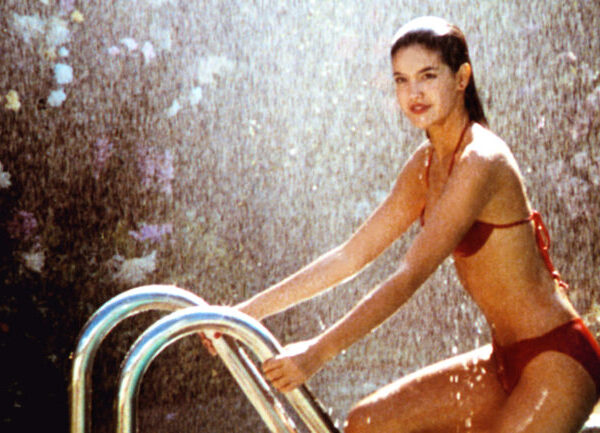
An unfortunate injury, however, forced her to reconsider the physical demands of professional dance. Acting became a natural next step, allowing her to combine physical grace with emotional depth in front of a camera.
By her late teens, Cates had secured opportunities in film that capitalized on both her beauty and her intelligence. Her careful preparation and understanding of the entertainment industry positioned her for rapid success.
Her breakthrough came in 1982 with Fast Times at Ridgemont High, a film now recognized as a defining work of teen cinema. It presented an honest, humorous, and relatable depiction of adolescence.
In the film, Cates’ performance was nuanced and relatable. She embodied a young woman navigating adolescence with intelligence and charm, reshaping the portrayal of female characters in teen-focused films of the era.
The movie made her an instant pop culture icon, yet it also placed her in an industry known for restrictive roles, particularly for women. Cates expressed discomfort with repetitive typecasting early in her career.
Rather than chasing fame, she sought creative fulfillment. Cates carefully selected roles that allowed her to demonstrate range, appearing in comedies, dramas, and family-friendly films, avoiding being pigeonholed.
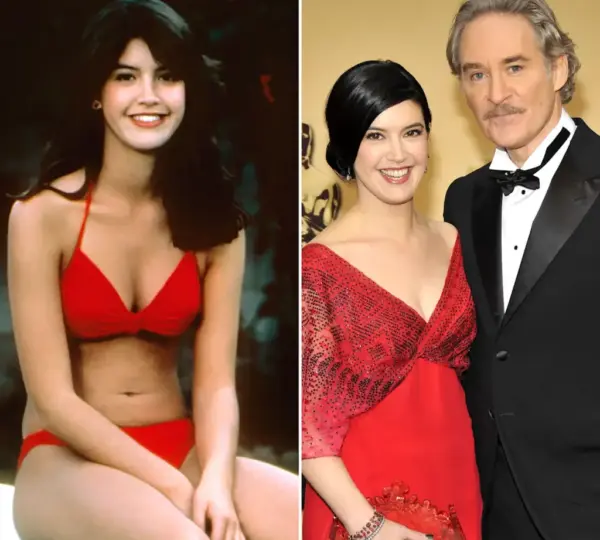
One of her most memorable performances came in 1984’s Gremlins, a box-office hit that skillfully blended fantasy, comedy, and darker undertones. Her grounded performance enhanced the film’s emotional resonance.
Cates returned for Gremlins 2 in 1990, marking one of her last major film roles. Throughout her career, she earned a reputation for professionalism, intelligence, and substance over attention-seeking publicity.
Despite public adoration, Cates valued privacy. She consciously avoided media exposure, viewing fame as a transient phenomenon rather than a defining characteristic of her life or identity.
She frequently expressed a preference for theater, appreciating its intimacy and discipline. Cates also recognized the limited opportunities for women in Hollywood as they aged, influencing her long-term career decisions.
In 1989, she married actor Kevin Kline. Their partnership, characterized by mutual respect and stability, became one of Hollywood’s most admired and enduring marriages, built on shared values and understanding.
As their family grew, Cates made the intentional decision to step back from acting to prioritize raising her children. This choice reflected her belief that personal fulfillment outweighed professional visibility.
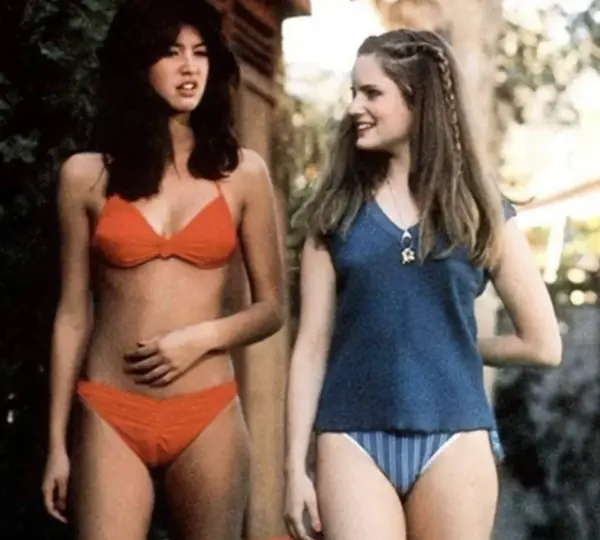
Her withdrawal from full-time acting was gradual, allowing her to complete prior commitments while intentionally avoiding projects driven purely by commercial or celebrity interests.
By the mid-1990s, Cates had largely retired from the film industry, appearing only occasionally in projects that aligned with personal interest or collaborations with trusted colleagues.
Rather than seeking attention, she explored other avenues for creativity. In 2005, Cates opened Blue Tree, a boutique in New York City reflecting her aesthetic, interests, and carefully curated taste in art, fashion, and books.
The store emphasizes quality and curation over celebrity branding, showcasing a thoughtful approach to creativity outside traditional performance. It represents a personal expression of artistry and style.
Through Blue Tree, Cates demonstrates that fulfillment can be achieved beyond the public eye. Her boutique emphasizes intentional living, artistry, and meaningful engagement with community and culture.
Her career choices and lifestyle reflect an alternative perspective on success. Rather than equating achievement with fame or visibility, she prioritized balance, personal growth, and meaningful contribution.
Cates’ legacy is defined not only by her performances but also by her deliberate decision to step away from the spotlight. This choice underscores the idea that true influence is not measured by presence alone.
Her films, including Fast Times at Ridgemont High and Gremlins, continue to reach new audiences through streaming platforms and retrospectives, preserving her cultural relevance and impact.

Cates’ performances are praised for sincerity, emotional depth, and relatability. These qualities ensure her work remains timeless, transcending trends that often date other stars of the era.
Unlike many contemporaries tied to fleeting pop culture, Cates’ appeal is grounded in authenticity. Her presence on screen continues to feel natural, approachable, and emotionally resonant decades later.
She maintains strict boundaries around her private life, rarely giving interviews and avoiding social media. This intentional distance reinforces her reputation for integrity and self-determination.
Public fascination with Cates has never waned, yet she has successfully defined her own narrative, proving that privacy and autonomy can coexist with enduring professional admiration.
Her story challenges conventional Hollywood norms, suggesting that personal satisfaction, choice, and family can define success as much as visibility or box-office metrics.
Cates’ life exemplifies the possibility of shaping a career on one’s own terms, choosing meaningful engagement over relentless pursuit of fame or industry recognition.
Her marriage to Kevin Kline illustrates a partnership rooted in equality, respect, and shared life goals, highlighting the value of personal relationships over professional ambition.
The boutique Blue Tree reflects her continued creativity. It represents curation, taste, and intentionality, allowing her to express herself without reliance on traditional celebrity mechanisms.
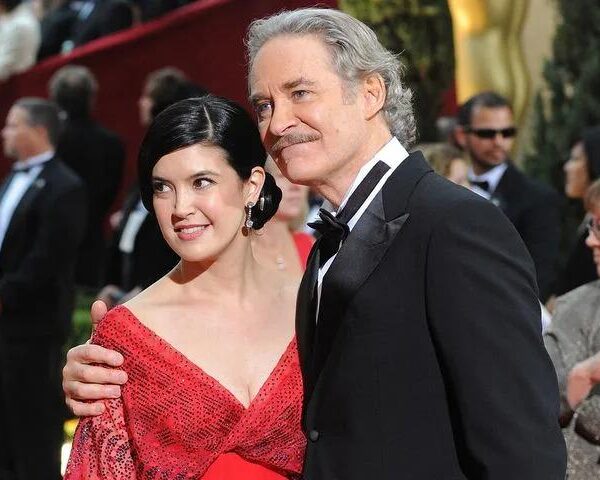
Cates’ legacy emphasizes intentionality over visibility. By stepping away from Hollywood voluntarily, she reframed her contributions as enduring rather than transient.
Her life story underscores the importance of agency. She demonstrates that one can reach the pinnacle of cultural impact and still prioritize private fulfillment and family commitments.
The ongoing admiration for her films showcases the durability of genuine artistry. Audiences continue to connect with her performances due to their authenticity and emotional resonance.
By consciously avoiding the trappings of celebrity culture, Cates maintains a sense of personal freedom, allowing her creativity and impact to speak independently of public scrutiny.
Her choices exemplify a form of empowerment. Rather than being defined by the industry or external expectations, she defines her own professional and personal path.
Cates’ enduring cultural influence demonstrates that artistry, integrity, and intention often leave a longer-lasting mark than continuous public exposure.
Even decades after her peak cinematic presence, Phoebe Cates remains an influential figure, celebrated for both her performances and her deliberate, thoughtful approach to life and career.
Her story offers a model for aspiring artists and professionals, illustrating that one can achieve fame, cultural impact, and personal fulfillment simultaneously by making intentional choices.
In reflecting on her career, one sees a balance between visibility and privacy, professional achievement and personal satisfaction, and the ability to maintain identity in a demanding industry.
Phoebe Cates’ example challenges the assumption that success in Hollywood requires continuous exposure. She demonstrates that deliberate withdrawal can enhance legacy rather than diminish it.
Her thoughtful approach to roles, her decision to step back from acting, and her commitment to family and creative projects beyond Hollywood all contribute to a nuanced, admirable life story.
Cates’ influence endures because she made choices aligned with her values. Audiences continue to appreciate her work because it resonates with sincerity, charm, and timeless relatability.
Ultimately, Phoebe Cates exemplifies an alternative Hollywood narrative—one where legacy is crafted through intentional decisions, personal integrity, and meaningful engagement rather than constant public attention.
