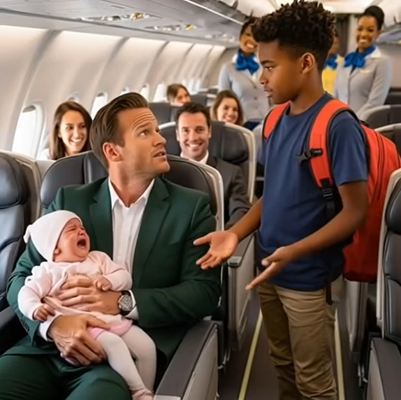
On a plane, the billionaire’s baby cried nonstop… until a young child performed the unexpected!
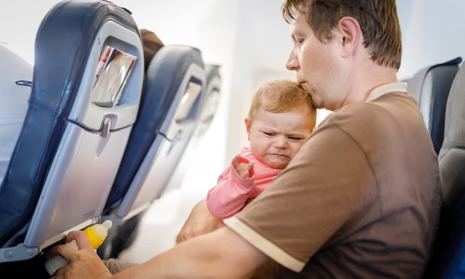
The overnight Boston–Zurich flight had barely left the runway when the first-class cabin erupted into the kind of crying that shakes walls.
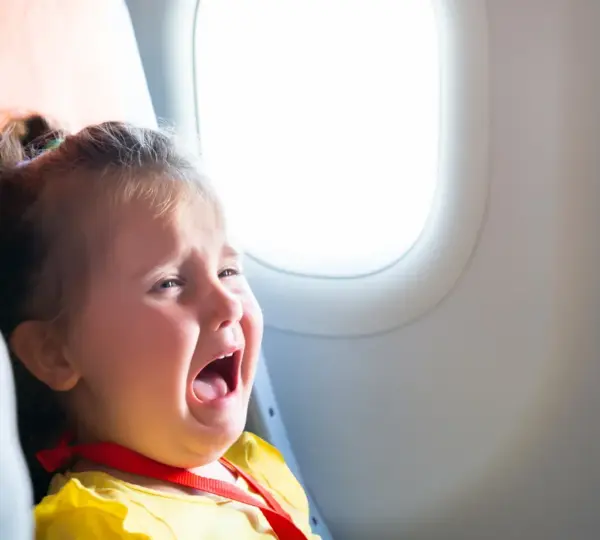
Baby Nora Whitman, seven months old, overtired, and overwhelmed, let loose a wail so fierce it drowned out the engines.
Leather seats vibrated faintly under frustrated passengers; murmurs and sighs filled the cabin.
Some passengers muttered under their breath, others fumbled for headphones or screens to escape the sound.
A few forced polite smiles, but most didn’t bother.
At the center of the chaos was her father, Henry Whitman. Billionaire. Market shark. A man whose mere glance could silence a corporate boardroom.
And yet here he was—sleeves rolled up, tie loosened, suit jacket abandoned on a nearby seat—pacing circles with a screaming infant who didn’t care about wealth, power, or influence.
Henry had tried everything. He walked. He bounced. He whispered. He shushed. He pleaded. Nothing worked.
Nora’s face was flushed crimson, her tiny fists shook with fury, and each cry seemed to reverberate straight through his chest.
Every sigh, every passive-aggressive throat clear, cut him deeper than any financial loss. A woman in pearls muttered loudly, “I paid for first class, not this.”
An influencer lifted her phone just enough to record the spectacle, capturing Henry in an unflattering, unfiltered moment that no boardroom could prepare him for.
Henry’s mind raced. He had faced stock market crashes, hostile takeovers, corporate scandals. Yet nothing had made him feel so powerless.
This was his daughter, and he couldn’t soothe her. The helplessness was suffocating.
In seat 2A, eight-year-old Liam Carter watched quietly. Brown curls tumbled over a forehead smeared with remnants of stickers from his backpack.
He was traveling with his mother, a worn-down ER nurse heading to a Geneva conference.
Liam had seen Henry struggle, seen the little girl’s misery, watched the other adults shrink into irritation instead of empathy.
“Mom?” he whispered.
“The baby’s really sad,” she replied, rubbing her temple.
“I know, honey. Try to rest,” she added softly.
But Liam didn’t rest. He unbuckled, stood with quiet determination, and strode down the aisle as if he belonged there.
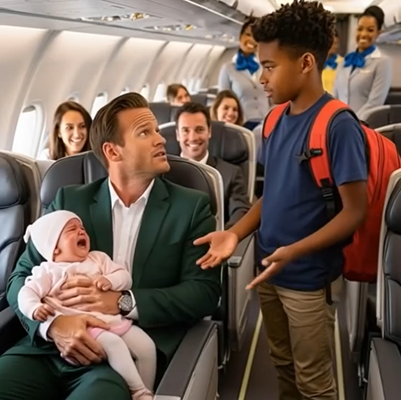
He stopped directly in front of Henry, who looked at the boy with a mix of exasperation and relief. Here was someone who didn’t scowl or judge.
“Can I help?” Liam asked, tilting his head.
Henry blinked. “You… want to help with her?”
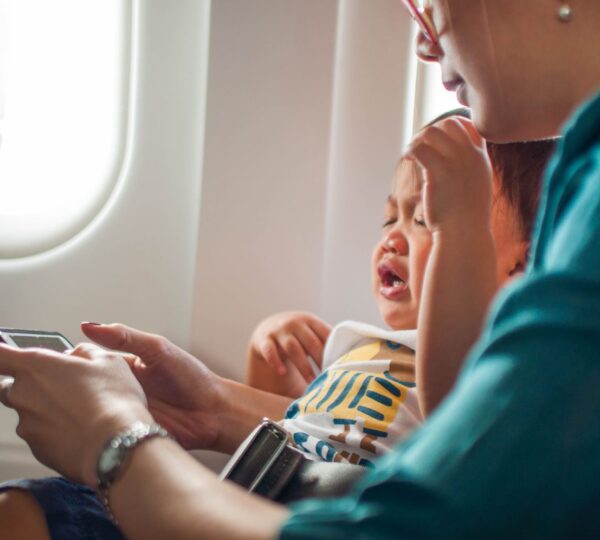
“My baby cousin cries like that. I know what to do,” Liam said confidently.
Flight attendants froze mid-step, unsure if they should intervene. Passengers leaned forward, intrigued. No one stopped the boy.
Henry’s voice cracked with exhaustion. “What do I do?”
Liam demonstrated a way to hold the baby differently: a secure, angled position giving her head support while keeping her snug.
Henry adjusted Nora in his arms, following the boy’s guidance. The crying softened, then surged again.
“Now tap her back,” Liam instructed. “Soft. Like this.” He drummed lightly with rhythmic precision. Henry copied him.
Nora’s cries wavered. They didn’t stop entirely, but the chaos subsided enough for Henry to catch his breath.
“And now,” Liam said, leaning closer, “her song.”
Henry frowned. “Her… what?”
“Every baby has a song. You just haven’t found hers yet.”
From his backpack pocket, Liam retrieved a tiny harmonica, its surface scratched and stickered, worn from years of love and use. Henry almost laughed despite the tension, then nodded.
Liam lifted the harmonica and played a simple, cheerful tune, imperfect but heartfelt.
The melody seemed to ripple through the cabin, softening the air.
Nora’s wails stuttered and faded. Her eyes, wide and glistening, fixed on the boy.
The hiccups died out. Her tiny fists relaxed. A calm washed over her. Then, as if the sound itself cradled her, she fell asleep on Henry’s shoulder.
The cabin fell silent. Shock. Awe. A few muffled chuckles. A couple of tears glimmered on passenger cheeks. Henry stared, amazed at his daughter, then at the boy.
“You’re a miracle,” he whispered, his voice thick.
“She just needed a friend,” Liam said simply.
His mother appeared, mortified. “Liam, you can’t just wander—”
Henry held up a hand. “Ma’am, your son just saved me. Saved this flight. And reminded me what kindness looks like.”
He reached into the overhead bin and pulled out a velvet gift pouch, intended for a Swiss business partner. Inside was a gold fountain pen, worth more than Liam’s mother earned in months.
“For him,” Henry said.
She shook her head. “No. He helped because he’s good. That’s all.”
Henry met Liam’s gaze, then hers. “Then let me do something good too.” He gestured to the flight attendant. “Move them to my suite. I’ll go up front.”
Passengers applauded, not out of politeness, but genuine admiration. Liam ducked his head, cheeks flushed, proud yet shy.
As the plane leveled at cruising altitude, Henry felt a strange sense of stillness.
He glanced at Nora, her tiny chest rising and falling gently, and thought of his late wife.
The grief he had buried so deep seemed to press against his heart again.
A few months ago, he had watched her slip away, leaving him alone with a daughter who demanded attention he wasn’t sure he could give. That loss had hollowed him in ways no boardroom victory could fill.
Liam’s intervention wasn’t just practical; it was a mirror to Henry’s own potential for tenderness—something he had almost forgotten he possessed.
He realized that the world didn’t need him to be the richest, the strongest, or the smartest. What Nora needed was the father present, patient, and willing to love without pretense.
Hours later, the lights dimmed. Nora slept peacefully on Henry’s chest. Liam returned, quiet as before.
“Mr. Whitman?” he said softly.
“Yes, Liam?”
“You still look sad.”
Henry hesitated. Only one person since his wife’s death had dared speak so plainly.
“My wife… Nora’s mom… she died a few months ago. I don’t always know what to do.”
Liam thought for a long moment, then said quietly, “You don’t have to know everything. You just have to stay.”
Those words struck Henry harder than any truth he had faced in the past year. He swallowed, blinking away a lump in his throat.
When the plane touched down, passengers didn’t rush. They waited, sharing quiet smiles, some patting Liam on the shoulder in thanks.
Henry walked behind him, cradling Nora, her tiny hand curled around his tie.
At the gate, Henry knelt to Liam’s height. “You calmed my daughter,” he said, voice low. “But you also reminded me what matters.”
Liam shrugged shyly. “She likes the harmonica. You should get one.”
Henry actually laughed. “Maybe I will.”
The boy added almost as an afterthought, “And don’t worry. Babies know when their daddy loves them.”
Henry’s vision blurred, but he didn’t look away.
“Thank you, Liam,” he whispered.
The boy waved and walked off with his mother, disappearing into the crowd.
Under the bright fluorescent lights of Zurich International Airport, Henry looked down at his sleeping daughter. He made a quiet vow:
He would be the father Nora deserved.
He would be the man his wife would have been proud of.
And he would be the man a little boy reminded him he still had it in him to be.
For the first time in months, Henry felt a sliver of peace, a reminder that even the richest, most powerful men are human—and that love, guidance, and kindness can arrive from the most unexpected places.
The overnight Boston–Zurich flight had barely left the runway when the first-class cabin erupted into the kind of crying that shakes walls.
Baby Nora Whitman, seven months old, overtired, and overwhelmed, let loose a wail so fierce it drowned out the engines.
Leather seats vibrated faintly under frustrated passengers; murmurs and sighs filled the cabin.
Some passengers muttered under their breath, others fumbled for headphones or screens to escape the sound.
A few forced polite smiles, but most didn’t bother.
At the center of the chaos was her father, Henry Whitman. Billionaire. Market shark. A man whose mere glance could silence a corporate boardroom.
And yet here he was—sleeves rolled up, tie loosened, suit jacket abandoned on a nearby seat—pacing circles with a screaming infant who didn’t care about wealth, power, or influence.
Henry had tried everything. He walked. He bounced. He whispered. He shushed. He pleaded. Nothing worked.
Nora’s face was flushed crimson, her tiny fists shook with fury, and each cry seemed to reverberate straight through his chest.
Every sigh, every passive-aggressive throat clear, cut him deeper than any financial loss. A woman in pearls muttered loudly, “I paid for first class, not this.”
An influencer lifted her phone just enough to record the spectacle, capturing Henry in an unflattering, unfiltered moment that no boardroom could prepare him for.
Henry’s mind raced. He had faced stock market crashes, hostile takeovers, corporate scandals. Yet nothing had made him feel so powerless.
This was his daughter, and he couldn’t soothe her. The helplessness was suffocating.
In seat 2A, eight-year-old Liam Carter watched quietly. Brown curls tumbled over a forehead smeared with remnants of stickers from his backpack.
He was traveling with his mother, a worn-down ER nurse heading to a Geneva conference.
Liam had seen Henry struggle, seen the little girl’s misery, watched the other adults shrink into irritation instead of empathy.
“Mom?” he whispered.
“The baby’s really sad,” she replied, rubbing her temple.
“I know, honey. Try to rest,” she added softly.
But Liam didn’t rest. He unbuckled, stood with quiet determination, and strode down the aisle as if he belonged there.
He stopped directly in front of Henry, who looked at the boy with a mix of exasperation and relief. Here was someone who didn’t scowl or judge.
“Can I help?” Liam asked, tilting his head.
Henry blinked. “You… want to help with her?”
“My baby cousin cries like that. I know what to do,” Liam said confidently.
Flight attendants froze mid-step, unsure if they should intervene. Passengers leaned forward, intrigued. No one stopped the boy.
Henry’s voice cracked with exhaustion. “What do I do?”
Liam demonstrated a way to hold the baby differently: a secure, angled position giving her head support while keeping her snug.
Henry adjusted Nora in his arms, following the boy’s guidance. The crying softened, then surged again.
“Now tap her back,” Liam instructed. “Soft. Like this.” He drummed lightly with rhythmic precision. Henry copied him.
Nora’s cries wavered. They didn’t stop entirely, but the chaos subsided enough for Henry to catch his breath.
“And now,” Liam said, leaning closer, “her song.”
Henry frowned. “Her… what?”
“Every baby has a song. You just haven’t found hers yet.”
From his backpack pocket, Liam retrieved a tiny harmonica, its surface scratched and stickered, worn from years of love and use. Henry almost laughed despite the tension, then nodded.
Liam lifted the harmonica and played a simple, cheerful tune, imperfect but heartfelt.
The melody seemed to ripple through the cabin, softening the air.
Nora’s wails stuttered and faded. Her eyes, wide and glistening, fixed on the boy.
The hiccups died out. Her tiny fists relaxed. A calm washed over her. Then, as if the sound itself cradled her, she fell asleep on Henry’s shoulder.
The cabin fell silent. Shock. Awe. A few muffled chuckles. A couple of tears glimmered on passenger cheeks. Henry stared, amazed at his daughter, then at the boy.
“You’re a miracle,” he whispered, his voice thick.
“She just needed a friend,” Liam said simply.
His mother appeared, mortified. “Liam, you can’t just wander—”
Henry held up a hand. “Ma’am, your son just saved me. Saved this flight. And reminded me what kindness looks like.”
He reached into the overhead bin and pulled out a velvet gift pouch, intended for a Swiss business partner. Inside was a gold fountain pen, worth more than Liam’s mother earned in months.
“For him,” Henry said.
She shook her head. “No. He helped because he’s good. That’s all.”
Henry met Liam’s gaze, then hers. “Then let me do something good too.” He gestured to the flight attendant. “Move them to my suite. I’ll go up front.”
Passengers applauded, not out of politeness, but genuine admiration. Liam ducked his head, cheeks flushed, proud yet shy.
As the plane leveled at cruising altitude, Henry felt a strange sense of stillness.
He glanced at Nora, her tiny chest rising and falling gently, and thought of his late wife.
The grief he had buried so deep seemed to press against his heart again.
A few months ago, he had watched her slip away, leaving him alone with a daughter who demanded attention he wasn’t sure he could give. That loss had hollowed him in ways no boardroom victory could fill.
Liam’s intervention wasn’t just practical; it was a mirror to Henry’s own potential for tenderness—something he had almost forgotten he possessed.
He realized that the world didn’t need him to be the richest, the strongest, or the smartest. What Nora needed was the father present, patient, and willing to love without pretense.
Hours later, the lights dimmed. Nora slept peacefully on Henry’s chest. Liam returned, quiet as before.
“Mr. Whitman?” he said softly.
“Yes, Liam?”
“You still look sad.”
Henry hesitated. Only one person since his wife’s death had dared speak so plainly.
“My wife… Nora’s mom… she died a few months ago. I don’t always know what to do.”
Liam thought for a long moment, then said quietly, “You don’t have to know everything. You just have to stay.”
Those words struck Henry harder than any truth he had faced in the past year. He swallowed, blinking away a lump in his throat.
When the plane touched down, passengers didn’t rush. They waited, sharing quiet smiles, some patting Liam on the shoulder in thanks.
Henry walked behind him, cradling Nora, her tiny hand curled around his tie.
At the gate, Henry knelt to Liam’s height. “You calmed my daughter,” he said, voice low. “But you also reminded me what matters.”
Liam shrugged shyly. “She likes the harmonica. You should get one.”
Henry actually laughed. “Maybe I will.”
The boy added almost as an afterthought, “And don’t worry. Babies know when their daddy loves them.”
Henry’s vision blurred, but he didn’t look away.
“Thank you, Liam,” he whispered.
The boy waved and walked off with his mother, disappearing into the crowd.
Under the bright fluorescent lights of Zurich International Airport, Henry looked down at his sleeping daughter. He made a quiet vow:
He would be the father Nora deserved.
He would be the man his wife would have been proud of.
And he would be the man a little boy reminded him he still had it in him to be.
For the first time in months, Henry felt a sliver of peace, a reminder that even the richest, most powerful men are human—and that love, guidance, and kindness can arrive from the most unexpected places.


