
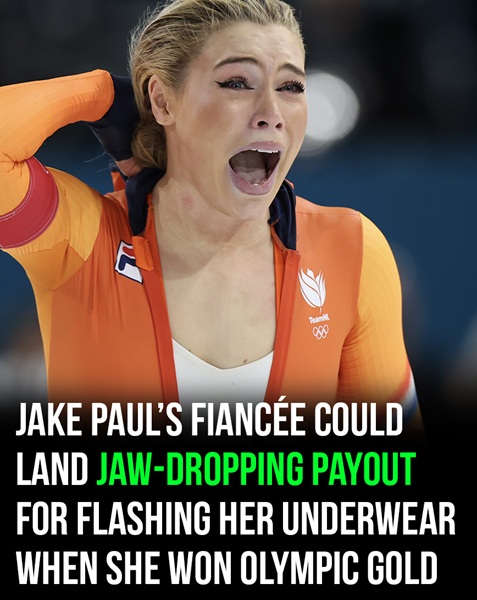
At the 2026 Winter Olympics in Milan‑Cortina d’Ampezzo, Italy, Dutch speed skating star Jutta Leerdam captured global attention not just for her athletic excellence.
But also for a singular celebration moment that could reshape how athletes connect performance, personal brands, and commercial success.
Leerdam’s combination of extraordinary athletic achievement, social media presence, and unexpected visibility from a spontaneous celebration has sparked intense worldwide discussion and speculation about her future career earnings.
Including the possibility of earning a seven‑figure advertising impact thanks to a fleeting but highly engaging moment captured by cameras and shared millions of times around the world.
Breaking Records and Making History on the Ice
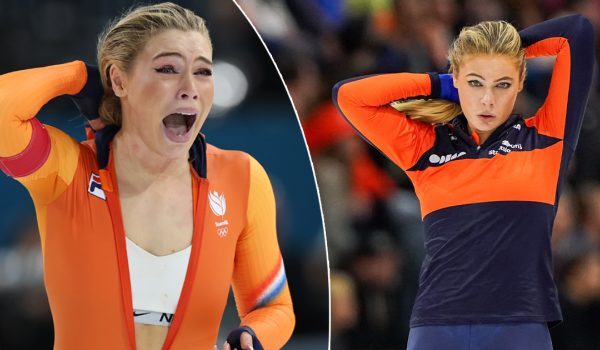
At the Milano‑Cortina 2026 Winter Olympics, Leerdam delivered one of the standout performances of the Games.
-
On February 9, 2026, she competed in the women’s 1,000 meters speed skating event, posting a phenomenal time of 1 minute 12.31 seconds, a new Olympic record for the distance.
-
This was Leerdam’s first Olympic gold medal, and a historic addition to her career.
-
She also earned a silver medal in the 500 meters event later in the Games, underscoring her elite status across sprint distances in speed skating.
These victories consolidated Leerdam’s reputation as one of the premier athletes in her sport and ensured her a permanent place in Olympic speed skating history.
The Celebration That Went Global
What has made Leerdam’s story resonate far beyond the ice rink occurred immediately after her 1 000 m victory.
As she crossed the finish line in emotional celebration, numerous cameras captured her in the heat of the moment — visibly moved by her achievement. In the midst of processing her success, she unzipped the top of her racing suit, briefly revealing the Nike sports bra she was wearing underneath.
That might have been an ordinary post‑race reflex — athletes often unzip their suits after events to cool down — yet in Leerdam’s case, the exact timing and framing of the shot turned it into something extraordinary.
Within hours:
-
Nike’s official Instagram account, with nearly 300 million followers, posted a celebratory image of the moment, captioning it with praise for her record‑breaking run.
-
The image was rapidly shared across international news outlets, social networks, and sports platforms.
-
Millions viewed and engaged with the celebratory clips, transforming what could have been a private moment into a global viral highlight.
-
A Marketing Moment, Not Just a Victory
While Leerdam’s performance was already a sports headline, the viral nature of that celebration sparked interest among advertising and branding experts.
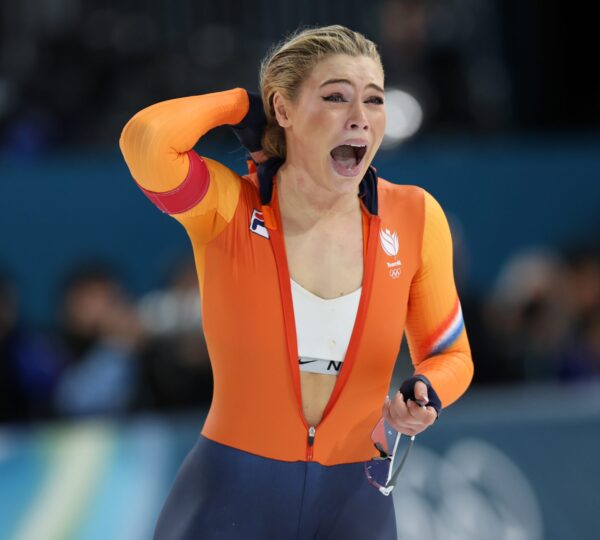
According to Frederique de Laat, founder of the Branthlete marketing agency — which specializes in developing brand strategies for female athletes — that split‑second shot of Leerdam’s Nike sports bra could be worth substantial financial value.
De Laat estimated that the exposure from that moment — amplified by Nike’s massive social reach — could translate to more than $1 million in potential marketing earnings, particularly from her relationship with Nike itself.
It’s important to clarify what this figure represents:
This is not direct Olympic prize money, which athletes do not receive simply for participating or winning medals.
Rather, it reflects the advertising and promotional value leveraged through visibility, social media amplification, and potential endorsement opportunities tied to Nike and other brands.
Official Sponsorship Landscape & Rules
The Olympic Games have strict advertising rules. The International Olympic Committee (IOC) only allows official Olympic sponsors and national team partners to be displayed during competitions.
Athletes themselves cannot promote non‑Olympic sponsors during competition broadcasts or in official ceremonies. However:
-
Athletes can wear personal sponsorship gear during training, warm‑ups, and in personal communications.
-
Post‑race moments — especially unscripted ones — may fall into a gray area where commercial visibility arises organically rather than as paid advertising.
In Leerdam’s case, she was wearing personal Nike gear under her race suit. Nike itself is not an official sponsor of the Olympic Games or the Dutch national team — that role belongs to other brands — but Nike can share and amplify images of Leerdam on its own global channels, which it did.
The IOC has reportedly cleared Leerdam of any violations related to ambush marketing or unauthorized promotions.
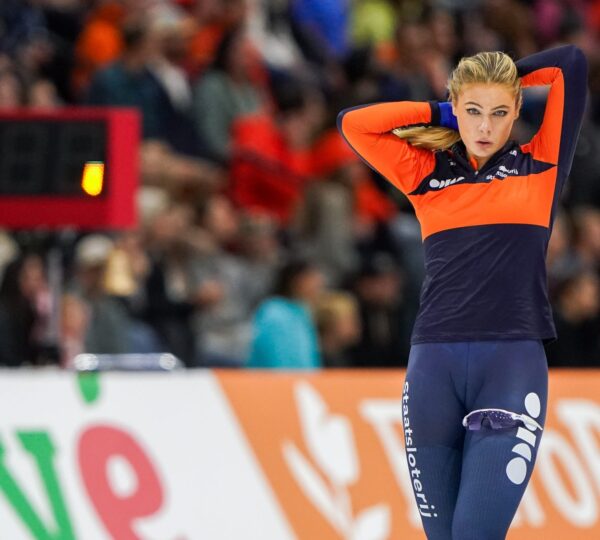
Acknowledging that unzipping suits is a common practice among speed skaters due to fit and comfort, and that the moment’s visibility was largely organic rather than orchestrated.
Leerdam’s Social Media Influence
Long before the 2026 Olympics, Leerdam had built a significant online presence:
-
Over 6 million followers on Instagram alone.
-
Millions more across other platforms such as TikTok, where she shares training insights, personal life moments, and sport‑related content.
In the modern sports landscape, that reach is incredibly valuable. Marketing experts often estimate the worth of sponsored social content based on follower count, engagement rates, and brand alignment — meaning that Leerdam could command significant fees for branded posts tied to her athletic success.
According to some industry observations:
-
Sponsored posts promoting major brands like Nike could fetch tens of thousands of dollars each based on engagement and audience size.
-
A single well‑timed, high‑visibility post could be worth $75,000 to $100,000 or more in promotional value alone, independent of formal contract terms.
Combined with her athletic achievements and cultural relevance, this puts Leerdam in a very strong position commercially.
Beyond Nike: Other Brands React
Leerdam’s celebration moment didn’t just draw attention from Nike — it quickly became a cultural talking point.
For example, Dutch retailer HEMA created playful social content referencing the emotional scene, specifically teasing its own products (like waterproof makeup), capitalizing on the moment’s emotional resonance.
This type of engagement shows how a single high‑emotion moment — athletic achievement, tears, and raw reaction — can become fodder for broader brand interaction, beyond traditional sports endorsements.
Social Response and Public Discussion
Globally, reactions to Leerdam’s victory and subsequent viral moment have been mixed but predominantly positive:
-
Many fans hailed her as a role model for young athletes, particularly girls and women interested in sports.
-
She gained praise not only for her speed and technique on the ice but also for embracing her success authentically on social channels.
At the same time, some discussions touched on the broader role of social media and commercial influence in Olympic sport — raising questions about whether viral fame can distract from athletic achievement or whether it represents a new era where athletes build powerful personal brands alongside competitive success.
Official Olympic Bonuses & National Rewards
While athletes do not receive compensation directly from the International Olympic Committee for medals, many countries provide national bonuses for medalists.
In the Netherlands, Olympic champions often receive state or federation awards for winning medals, reportedly including a financial bonus (around $35,000 for gold, per some reports).
These bonuses are separate from any marketing or sponsorship earnings and are meant as recognition for sporting excellence.
What This Means for Leerdam’s Future
Whether or not Leerdam ultimately signs a formal multi‑million‑dollar contract with Nike or other global brands, the combination of:
-
Historic Olympic success
-
A viral global media moment
-
Huge social media presence
…places her among the most marketable winter athletes in the world today.
Leerdam’s case also highlights a broader trend in elite sport: the commercial value of authenticity, emotion, and real‑time engagement in a digital age.
Moments that once would have been fleeting now live on social feeds, comment threads, and brand channels, accruing attention and influence that can translate into real business opportunities.
Conclusion
Jutta Leerdam’s story at the 2026 Winter Olympics is about far more than medals. It’s about how elite performance intersects with global media, personal brand building, and the economics of attention.
Her Olympic record and medals cemented her athletic status. A single unplanned post‑victory moment — captured and amplified by one of the world’s largest sports brands — may open financial doors few athletes ever see.
In a media landscape where moments become movements, Leerdam stands as a defining athlete of her generation — not only for her blistering speed on ice, but for her ability to connect with audiences around the world, authentically and powerfully.
