

Recent remarks made by former U.S. President Donald Trump have reignited discussions about European energy security, particularly amid ongoing tensions surrounding Ukraine and regional infrastructure.
His statements have drawn attention to the vulnerability of critical energy networks. Trump publicly commented on reports of an attack on a major pipeline, offering his perspective in a way that quickly spread through media channels, highlighting the role of political figures in framing public discourse on international matters.
Energy infrastructure in Europe remains a highly sensitive subject due to its direct impact on economic stability, industrial output, and daily life. Pipelines transporting natural gas and other fuels are essential to both residential and commercial sectors.
The interconnected nature of these pipelines means that disruptions in one country can have far-reaching effects, influencing supply chains, commodity prices, and diplomatic relations across multiple nations simultaneously.
European governments have long prioritized the protection of critical infrastructure, recognizing that even minor incidents can escalate into major economic or political challenges if not addressed quickly and transparently.

Ukraine, situated at the crossroads of major energy transit routes, plays a strategic role in the European energy landscape. Its pipelines connect Eastern and Western Europe, making its security measures closely scrutinized by both regional and international partners.
Officials in Ukraine have so far refrained from extensive public commentary on Trump’s statements, focusing instead on maintaining operational integrity and coordinating with international allies to ensure energy systems remain secure.
The geopolitical sensitivity of Ukraine’s energy network is heightened by ongoing tensions in Eastern Europe, where conflicts and historical disputes can amplify the consequences of any damage to critical infrastructure.
Pipelines serve not only as conduits for energy but also as symbols of economic interdependence, signaling how nations rely on one another to meet their heating, electricity, and industrial requirements.
Disruptions in energy flow can trigger immediate consequences in global markets, with traders and analysts reacting to even preliminary reports of damage or sabotage, reflecting the high stakes of infrastructure security.
Political statements, such as Trump’s, can influence perception and dialogue, even if they do not directly change events on the ground, because they often shape media narratives and public understanding of complex issues.
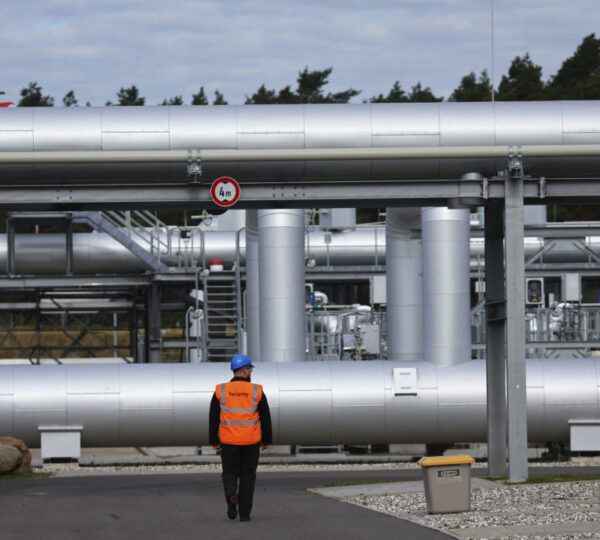
Prominent figures commenting on sensitive matters can accelerate discussion among policymakers, journalists, and analysts, making accurate interpretation and responsible communication more important than ever during crises.
Social media platforms amplify the reach of these remarks, often causing rapid debate among supporters, critics, and experts, each assessing the implications based on both historical context and current events.
Energy infrastructure attacks or perceived threats can have cascading effects, disrupting supply and provoking immediate questions about both national security and international collaboration in preventing further incidents.
Investigations into pipeline damage typically involve technical assessments, satellite imagery, and coordination between governments, as multiple layers of expertise are necessary to determine both cause and responsibility accurately.
Transparent communication among countries is essential to prevent misunderstandings and ensure that political or economic tensions do not escalate unnecessarily in response to unverified information or misinterpretation.
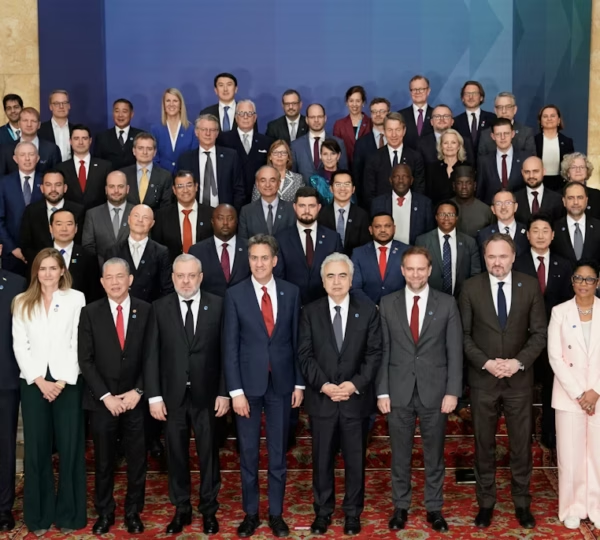
Historical incidents involving pipelines in Europe underscore the potential consequences of inadequate oversight or political friction, demonstrating that even minor threats can have outsized impacts on regional stability.
The European energy network relies on redundancy, monitoring, and preventive maintenance, with agencies constantly evaluating risk to minimize disruptions and maintain continuity of supply under challenging circumstances.
Ukraine’s central role in energy transit has made the nation a focal point for both regional cooperation and international concern, as disruptions can quickly affect neighboring countries and their energy security.
Beyond pipelines, the broader energy ecosystem, including storage facilities, distribution hubs, and electricity grids, requires constant vigilance to ensure that local events do not spiral into wider crises.
Diplomatic sensitivity is paramount when discussing incidents affecting energy infrastructure, as public statements from foreign leaders can influence negotiations, economic decisions, and bilateral relations between involved nations.
Analysts emphasize the importance of verified information before drawing conclusions, noting that premature speculation can exacerbate tensions or undermine coordinated response efforts, which rely on accurate technical and intelligence assessments.
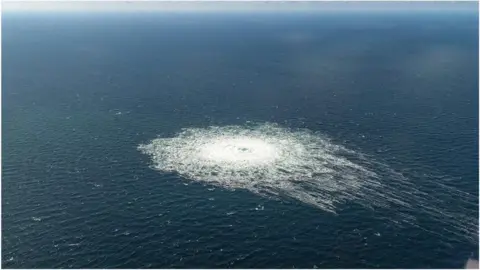
International organizations, including the European Union and energy oversight bodies, often participate in investigations to ensure that findings are transparent, credible, and actionable for policymakers.
Even minor operational disruptions, if left unchecked, can cascade into broader economic effects, affecting natural gas prices, electricity costs, and industrial production levels across multiple European countries.
Energy security discussions now intersect with broader geopolitical considerations, particularly regarding Ukraine’s relations with Russia, NATO members, and other regional stakeholders, highlighting the complexity of the issue.
Trump’s remarks add a layer of political interpretation to these technical and strategic discussions, illustrating how public commentary by high-profile figures can affect both perception and policy discourse.
In addition to the immediate technical concerns, infrastructure incidents can trigger debates about preparedness, resilience, and the adequacy of existing security protocols across the energy sector.
European governments maintain contingency plans for pipeline incidents, including emergency rerouting of supplies, coordination with neighboring states, and public communication strategies to ensure continuity and minimize disruption.
The ongoing situation emphasizes the intertwined nature of energy, economics, and diplomacy, where decisions in one sector can reverberate across multiple domains and influence public and governmental response.
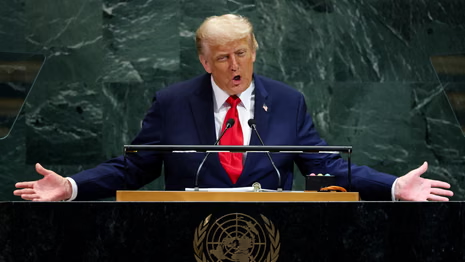
Media coverage of infrastructure events often shapes public understanding, with narratives influenced by technical reports, official statements, and commentary from political figures, requiring careful navigation by responsible journalists.
Observers note that political commentary, while influential, does not replace the rigorous work of engineers, regulators, and security experts responsible for investigating and addressing pipeline incidents.
Ukraine’s ongoing collaboration with European partners demonstrates the critical importance of international cooperation, as energy security is not a concern for one nation alone but a shared responsibility.
Assessments of pipeline incidents typically consider technical factors, geopolitical context, and historical patterns, ensuring that conclusions are drawn with both precision and caution.
The strategic significance of pipelines makes them vulnerable targets, either from accidents, technical failures, or intentional sabotage, which underscores the need for preventive measures and coordinated international monitoring.
Experts also stress the importance of resilience planning, ensuring that alternative supply routes and backup systems are available to mitigate the impact of any disruption on European energy markets.
Energy market volatility often responds quickly to perceived threats, illustrating the economic sensitivity of Europe’s interconnected system and the stakes involved in securing critical infrastructure.
Political statements like Trump’s can highlight perceived vulnerabilities or suggest policy priorities, influencing debate among legislators, diplomats, and regulatory bodies in Europe and beyond.
Security concerns extend beyond physical attacks, encompassing cyber threats, infrastructure maintenance challenges, and operational risks, all of which require continuous oversight and international collaboration.
Incidents affecting pipelines can also have humanitarian implications, as disruptions in heating, electricity, or fuel supply during winter months can directly affect vulnerable populations.
Consequently, governments often maintain multi-layered crisis management frameworks to address both immediate technical challenges and broader societal impacts of energy disruptions.
Monitoring and verification mechanisms, such as satellite surveillance, remote sensors, and coordinated reporting, are central to ensuring that any incident is accurately assessed and communicated to relevant stakeholders.
Energy security remains an ongoing discussion point, with lessons drawn from past incidents informing current strategies for preventing, mitigating, and responding to disruptions in Europe and globally.
The interplay between public commentary, media amplification, and expert assessment underscores the complexity of modern energy security, where perception and reality can diverge if communication is not carefully managed.
For Ukraine, maintaining operational energy infrastructure is inseparable from broader national security concerns, as control over energy networks is both a strategic asset and a potential vulnerability in regional politics.
International oversight, cooperation, and technical expertise are critical to ensuring that infrastructure events do not escalate unnecessarily, demonstrating the value of transparency and coordination in high-stakes scenarios.
As new information emerges about pipeline incidents, governments, analysts, and media outlets continue to monitor developments closely, balancing rapid reporting with accuracy to prevent misinformation from affecting markets or diplomacy.
The broader European energy landscape is shaped by both domestic and international policies, with energy interdependence highlighting the importance of dialogue, shared protocols, and contingency planning across borders.
Events like the reported pipeline incident illustrate how technical infrastructure, geopolitics, and public statements are tightly intertwined, emphasizing the need for measured, informed, and cooperative responses at every level.
Observers, policymakers, and citizens alike continue to follow the situation, recognizing that developments in energy infrastructure carry implications for both security and economic stability across multiple European nations.
Even statements from former political leaders, such as Trump, underscore the role of public perception in shaping the narrative, influencing debate, and informing potential policy actions, despite not directly altering immediate technical realities.
The European energy sector remains vigilant, with experts continually assessing risk factors, monitoring systems, and coordinating across borders to maintain uninterrupted supply and safeguard against emerging threats.
Incidents like these serve as a reminder that energy security is a complex, multifaceted challenge requiring expertise, international cooperation, and informed political dialogue to ensure stability in a rapidly changing geopolitical environment.
The pipeline disruption highlights the ongoing importance of infrastructure investment, maintenance, and modernization, ensuring resilience against both natural and man-made risks in critical energy networks.
As investigations progress, further insights into the cause, scope, and impact of the incident are expected, offering lessons for policymakers, energy providers, and international partners in managing similar events.
Public interest in pipeline security continues to grow, particularly when high-profile figures comment on ongoing developments, illustrating how energy issues intersect with politics, media, and public awareness in contemporary discourse.
Monitoring, transparency, and verification remain essential to prevent misinformation, manage diplomatic sensitivities, and maintain confidence in the resilience and reliability of Europe’s interconnected energy infrastructure.
The reported pipeline incident serves as a case study in energy vulnerability, demonstrating the ripple effects of infrastructure threats on markets, policy, and international relations, while reinforcing the importance of coordinated response mechanisms.
As the situation evolves, governments and analysts remain alert to developments, seeking to balance rapid response with careful verification, ensuring that policy decisions are informed by accurate and comprehensive information.
The interplay of media coverage, political commentary, and technical assessment exemplifies the modern challenges of managing energy security in a globally interconnected system.
Maintaining secure energy networks in Europe requires cooperation among technical experts, governments, and international organizations, highlighting that infrastructure resilience is not merely a national concern but a shared responsibility.
Policymakers continue to evaluate the implications of pipeline incidents for energy diversification, supply chain resilience, and contingency planning, recognizing the critical role these networks play in both domestic and international security frameworks.
In conclusion, discussions sparked by Trump’s remarks underscore how political perspectives, media narratives, and technical realities converge in shaping public understanding, diplomatic discourse, and strategic planning surrounding European energy infrastructure.
