...

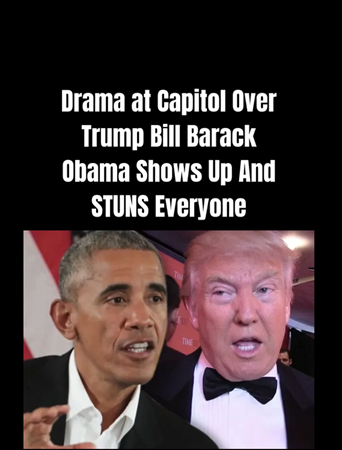
Obama Calls on Americans to Contact Their Representatives to Oppose Trump’s “Big, Beautiful Bill.”

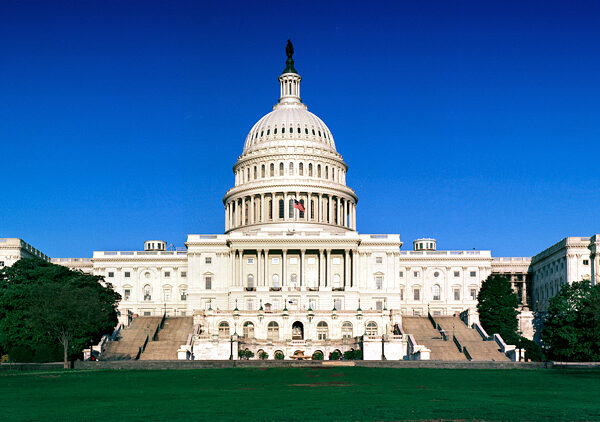
The marble halls of Congress were alive long before sunrise.

Staffers moved in a quiet, purposeful shuffle, clutching stacks of binders, tablets, and coffee cups as the cold fluorescent lights cast long, sharp shadows on the polished floors.

The air carried a weight familiar only to those who have spent years in the corridors of power: the tension of a historic vote.

A decision that could divide families, alter economies, reshape the social safety net, and define the presidency for years to come.

At the center of this storm was the One Big Beautiful Bill Act (OBBBA) — an enormous legislative package that combined sweeping tax cuts, new infrastructure spending, and significant reductions to social safety-net programs.

Medicaid funding, aspects of the Affordable Care Act, food assistance programs, and other benefits faced restructuring, triggering a national debate over the direction of American governance, fairness, and economic priorities.

Staffers, aides, and lawmakers understood the stakes.

For millions of Americans, the vote could mean the difference between continued access to health care, food security, and basic protections — and a future fraught with uncertainty.

A Familiar Voice Returns: Obama’s Midnight Call to Action

Just after midnight, a surprising intervention broke the tension.

Former President Barack Obama, known for his role in passing the Affordable Care Act and for his carefully measured public presence, reentered the debate through a direct, urgent message to the American people. On X (formerly Twitter), he posted:

“More than 16 million Americans are at risk of losing their health care because Republicans in Congress are rushing to pass a bill that would cut federal funding for Medicaid and weaken the Affordable Care Act.

If the House passes this bill, it will increase costs and hurt working class families for generations to come.

Call your representative today and tell them to vote no on this bill.”

The post ignited immediate reactions. Hashtags like #ProtectMedicaid, #StopTheBBB, and #VoteNoOBBBA trended within hours.

For Democrats, Obama’s intervention felt like the return of a guiding general, rallying energy and focus.

For Republicans, it was a provocation — a reminder that public opinion and the weight of the opposition were now pressing directly on their offices.
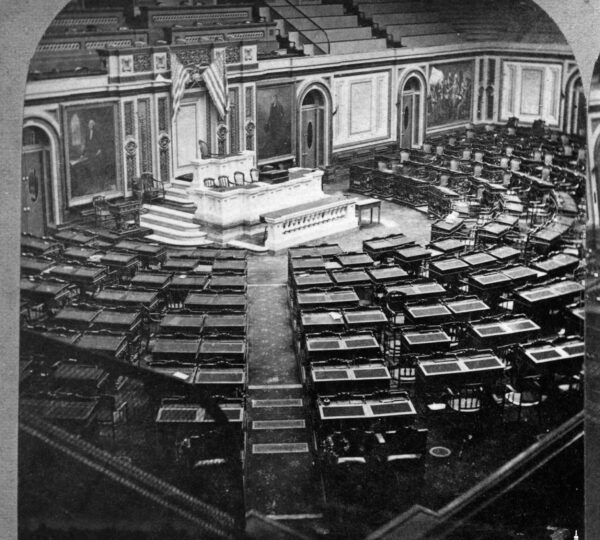
The former president’s message was more than symbolic. It energized constituents, flooded congressional offices with phone calls, and brought national attention to a vote that many feared would go under the radar.

It was a moment where political theater, civic mobilization, and the machinery of democracy collided.

Understanding OBBBA: What the Bill Proposes

The One Big Beautiful Bill Act is not a simple legislative item — it is a sweeping overhaul touching multiple facets of American life:

Medicaid and Health Care: The bill restructures Medicaid funding, imposes stricter eligibility requirements, mandates more frequent verification, and introduces “community engagement” criteria for certain groups.

It also reduces federal contributions for states, forcing them to revise budgets and services.

Millions of low-income Americans could lose coverage or see reductions in critical benefits.

Affordable Care Act Changes: The legislation changes key provisions of the ACA, making it harder for individuals to afford health insurance, limiting subsidies, and reducing protections for pre-existing conditions in some states.

Social Safety-Net Reductions: Beyond health care, programs such as SNAP (food assistance), public housing support, and services for the elderly and disabled are slated for cuts.

Critics warn this could exacerbate hunger, poverty, and inequality nationwide.

Tax Incentives and Economic Goals: On the other side, the bill delivers sweeping tax cuts for corporations and individuals, including reductions for high-income earners and new deductions on tips and overtime.
Proponents argue it will stimulate growth, create jobs, and reduce government waste, calling it a blueprint for “America’s financial revival.”

Supporters frame OBBBA as a bold vision for economic renewal and a step toward limited government.

Critics, however, describe it as the most aggressive dismantling of the social safety net in decades, a move that prioritizes wealth redistribution upward while stripping essential protections from the most vulnerable.

The House Floor: A Midnight Showdown

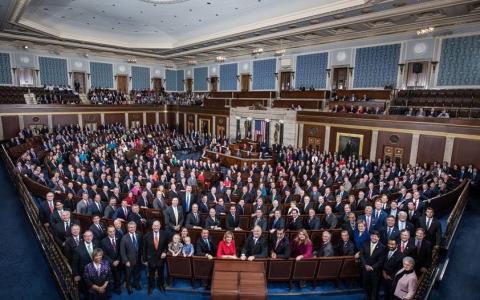
Inside the House chamber, the intensity of the vote was tangible. Lawmakers and aides braced for a marathon session.

Tensions were high, tempers flared, and procedural maneuvering became the order of the day. Every procedural motion, every parliamentary tactic, every speech carried enormous weight.

Democratic leaders, including Hakeem Jeffries, attempted to slow the process.

Utilizing rare legislative privileges, they threatened prolonged speeches, filibusters, and complex procedural maneuvers — a strategy to delay the vote, expose hidden costs, and mobilize public scrutiny.

Observers described it as a “midnight battle for America’s future,” a clash where the tools of democracy were used both defensively and strategically.

Republican leaders, meanwhile, pressed forward.

They argued the bill was essential for economic growth, national security, and long-term fiscal reform.
Some lawmakers reportedly considered abstaining or opposing it but faced intense pressure from leadership and the White House.

Dawn Approaches: Protests, Pressure, and Public Scrutiny

As dawn broke over Washington, the battle was far from over. Outside the Capitol, hundreds of protesters gathered, waving signs and chanting slogans either supporting or opposing the legislation.

Call volumes to congressional offices surged to unprecedented levels, with ordinary citizens reading Obama’s message verbatim and demanding action.

Inside, exhaustion was evident. Lawmakers dozed on benches, aides carried coffee and energy drinks, and the weight of history pressed down on the chamber.

Every vote, every speech, every whisper in the halls carried significance.

Immediate and Long-Term Implications

The consequences of OBBBA — if enacted — are far-reaching:

Health Care Access: Millions may lose Medicaid or see their benefits reduced, with increased costs for preventive, mental, and reproductive health care.

Social Services: Cuts to SNAP, public housing, and hospital funding threaten to worsen poverty, hunger, and health disparities.

Economic Distribution: While the wealthy and corporations may benefit most from tax breaks, lower-income Americans could face greater financial strain.

Legal and State-Level Challenges: Implementation will require states to adjust budgets, verify eligibility, and navigate legal challenges, especially around reproductive health access and benefits eligibility.

This is not merely a policy dispute — it’s a defining question about who the government serves, the ethical obligations of lawmakers, and the type of society Americans wish to build.
A Nation Divided

OBBBA has ignited public engagement, civic protests, and political polarization.

To supporters, it represents a vision of economic renewal, smaller government, and deregulation.

To critics, it is a moral and social failure, prioritizing corporate gains over human welfare.

The debate has galvanized activism, influencing town halls, social media campaigns, and public discourse.

Citizens, who might once have relied solely on elected representatives to make decisions, are now deeply involved, making calls, attending rallies, and demanding accountability.

Why This Vote Matters

The importance of OBBBA extends beyond numbers and politics:

Scale and Consequence: Few bills in recent history have touched health care, social programs, taxes, and immigration policy in one sweeping package.

Public Mobilization: Obama’s unexpected intervention and grassroots activism highlight the increasing power of civic engagement in shaping national policy.

Political Realignment: The vote may redefine party dynamics, influence midterm elections, and shift the coalition bases of both major parties.

Moral and Cultural Stakes: Beyond economics, the bill is a referendum on fairness, equity, and the role of government in providing essential services.

What Comes Next

Regardless of the bill’s outcome, the implementation process will define its real impact.

States must adjust budgets, revise eligibility systems, and prepare for potential legal challenges.

Hospitals, clinics, and social service providers are already assessing potential service reductions.

Meanwhile, the political ramifications are significant. For Democrats, Obama’s intervention provides momentum and moral clarity heading into the midterms.

For Republicans, the legislative push is a high-stakes gamble to cement a legacy of economic reform and conservative governance.

Conclusion: A Moment That Shapes History

The vote on OBBBA is more than a legislative decision — it is a reflection of America’s values, priorities, and vision for the future.

Two political forces — one current, one former — have framed the debate not just as policy but as a moral imperative.

For citizens, this is a moment of engagement and responsibility. For lawmakers, it is a test of courage, conviction, and leadership.

And for the nation, it is a defining chapter in the ongoing story of American democracy — a chapter where millions of lives hang in the balance, and where every choice echoes through the corridors of history.

The marble halls of Congress were alive long before sunrise.

Staffers moved in a quiet, purposeful shuffle, clutching stacks of binders, tablets, and coffee cups as the cold fluorescent lights cast long, sharp shadows on the polished floors.

The air carried a weight familiar only to those who have spent years in the corridors of power: the tension of a historic vote.

A decision that could divide families, alter economies, reshape the social safety net, and define the presidency for years to come.

At the center of this storm was the One Big Beautiful Bill Act (OBBBA) — an enormous legislative package that combined sweeping tax cuts, new infrastructure spending, and significant reductions to social safety-net programs.

Medicaid funding, aspects of the Affordable Care Act, food assistance programs, and other benefits faced restructuring, triggering a national debate over the direction of American governance, fairness, and economic priorities.

Staffers, aides, and lawmakers understood the stakes.

For millions of Americans, the vote could mean the difference between continued access to health care, food security, and basic protections — and a future fraught with uncertainty.

A Familiar Voice Returns: Obama’s Midnight Call to Action

Just after midnight, a surprising intervention broke the tension.

Former President Barack Obama, known for his role in passing the Affordable Care Act and for his carefully measured public presence, reentered the debate through a direct, urgent message to the American people. On X (formerly Twitter), he posted:

“More than 16 million Americans are at risk of losing their health care because Republicans in Congress are rushing to pass a bill that would cut federal funding for Medicaid and weaken the Affordable Care Act.

If the House passes this bill, it will increase costs and hurt working class families for generations to come.

Call your representative today and tell them to vote no on this bill.”

The post ignited immediate reactions. Hashtags like #ProtectMedicaid, #StopTheBBB, and #VoteNoOBBBA trended within hours.

For Democrats, Obama’s intervention felt like the return of a guiding general, rallying energy and focus.

For Republicans, it was a provocation — a reminder that public opinion and the weight of the opposition were now pressing directly on their offices.

The former president’s message was more than symbolic. It energized constituents, flooded congressional offices with phone calls, and brought national attention to a vote that many feared would go under the radar.

It was a moment where political theater, civic mobilization, and the machinery of democracy collided.

Understanding OBBBA: What the Bill Proposes

The One Big Beautiful Bill Act is not a simple legislative item — it is a sweeping overhaul touching multiple facets of American life:

Medicaid and Health Care: The bill restructures Medicaid funding, imposes stricter eligibility requirements, mandates more frequent verification, and introduces “community engagement” criteria for certain groups.

It also reduces federal contributions for states, forcing them to revise budgets and services.

Millions of low-income Americans could lose coverage or see reductions in critical benefits.

Affordable Care Act Changes: The legislation changes key provisions of the ACA, making it harder for individuals to afford health insurance, limiting subsidies, and reducing protections for pre-existing conditions in some states.

Social Safety-Net Reductions: Beyond health care, programs such as SNAP (food assistance), public housing support, and services for the elderly and disabled are slated for cuts.

Critics warn this could exacerbate hunger, poverty, and inequality nationwide.

Tax Incentives and Economic Goals: On the other side, the bill delivers sweeping tax cuts for corporations and individuals, including reductions for high-income earners and new deductions on tips and overtime.

Proponents argue it will stimulate growth, create jobs, and reduce government waste, calling it a blueprint for “America’s financial revival.”

Supporters frame OBBBA as a bold vision for economic renewal and a step toward limited government.

Critics, however, describe it as the most aggressive dismantling of the social safety net in decades, a move that prioritizes wealth redistribution upward while stripping essential protections from the most vulnerable.

The House Floor: A Midnight Showdown

Inside the House chamber, the intensity of the vote was tangible. Lawmakers and aides braced for a marathon session.

Tensions were high, tempers flared, and procedural maneuvering became the order of the day. Every procedural motion, every parliamentary tactic, every speech carried enormous weight.

Democratic leaders, including Hakeem Jeffries, attempted to slow the process.

Utilizing rare legislative privileges, they threatened prolonged speeches, filibusters, and complex procedural maneuvers — a strategy to delay the vote, expose hidden costs, and mobilize public scrutiny.

Observers described it as a “midnight battle for America’s future,” a clash where the tools of democracy were used both defensively and strategically.

Republican leaders, meanwhile, pressed forward.

They argued the bill was essential for economic growth, national security, and long-term fiscal reform.

Some lawmakers reportedly considered abstaining or opposing it but faced intense pressure from leadership and the White House.

Dawn Approaches: Protests, Pressure, and Public Scrutiny

As dawn broke over Washington, the battle was far from over. Outside the Capitol, hundreds of protesters gathered, waving signs and chanting slogans either supporting or opposing the legislation.

Call volumes to congressional offices surged to unprecedented levels, with ordinary citizens reading Obama’s message verbatim and demanding action.

Inside, exhaustion was evident. Lawmakers dozed on benches, aides carried coffee and energy drinks, and the weight of history pressed down on the chamber.

Every vote, every speech, every whisper in the halls carried significance.

Immediate and Long-Term Implications

The consequences of OBBBA — if enacted — are far-reaching:

Health Care Access: Millions may lose Medicaid or see their benefits reduced, with increased costs for preventive, mental, and reproductive health care.

Social Services: Cuts to SNAP, public housing, and hospital funding threaten to worsen poverty, hunger, and health disparities.

Economic Distribution: While the wealthy and corporations may benefit most from tax breaks, lower-income Americans could face greater financial strain.

Legal and State-Level Challenges: Implementation will require states to adjust budgets, verify eligibility, and navigate legal challenges, especially around reproductive health access and benefits eligibility.

This is not merely a policy dispute — it’s a defining question about who the government serves, the ethical obligations of lawmakers, and the type of society Americans wish to build.

A Nation Divided

OBBBA has ignited public engagement, civic protests, and political polarization.

To supporters, it represents a vision of economic renewal, smaller government, and deregulation.

To critics, it is a moral and social failure, prioritizing corporate gains over human welfare.

The debate has galvanized activism, influencing town halls, social media campaigns, and public discourse.

Citizens, who might once have relied solely on elected representatives to make decisions, are now deeply involved, making calls, attending rallies, and demanding accountability.

Why This Vote Matters

The importance of OBBBA extends beyond numbers and politics:

Scale and Consequence: Few bills in recent history have touched health care, social programs, taxes, and immigration policy in one sweeping package.

Public Mobilization: Obama’s unexpected intervention and grassroots activism highlight the increasing power of civic engagement in shaping national policy.

Political Realignment: The vote may redefine party dynamics, influence midterm elections, and shift the coalition bases of both major parties.

Moral and Cultural Stakes: Beyond economics, the bill is a referendum on fairness, equity, and the role of government in providing essential services.

What Comes Next

Regardless of the bill’s outcome, the implementation process will define its real impact.

States must adjust budgets, revise eligibility systems, and prepare for potential legal challenges.

Hospitals, clinics, and social service providers are already assessing potential service reductions.

Meanwhile, the political ramifications are significant. For Democrats, Obama’s intervention provides momentum and moral clarity heading into the midterms.

For Republicans, the legislative push is a high-stakes gamble to cement a legacy of economic reform and conservative governance.

Conclusion: A Moment That Shapes History

The vote on OBBBA is more than a legislative decision — it is a reflection of America’s values, priorities, and vision for the future.

Two political forces — one current, one former — have framed the debate not just as policy but as a moral imperative.

For citizens, this is a moment of engagement and responsibility. For lawmakers, it is a test of courage, conviction, and leadership.

And for the nation, it is a defining chapter in the ongoing story of American democracy — a chapter where millions of lives hang in the balance, and where every choice echoes through the corridors of history.