
Former House Speaker Newt Gingrich, a long-time figure in American politics and a former presidential candidate.
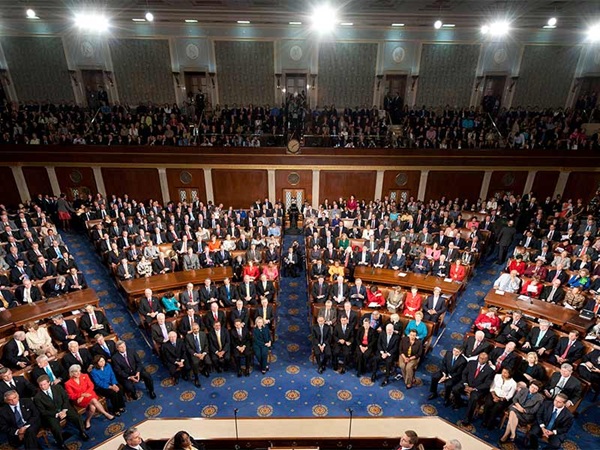
Recently voiced pointed concerns regarding the atmosphere and behavior he observed from House Democrats during a joint session of Congress.
Gingrich, known for his decades of legislative experience and his influence on conservative policymaking, described what he saw as a level of disengagement and lack of attentiveness that went beyond mere disagreement.
According to him, this disengagement was particularly evident during moments traditionally reserved for unity or ceremonial acknowledgment, such as speeches highlighting bipartisan accomplishments or moments of national remembrance.
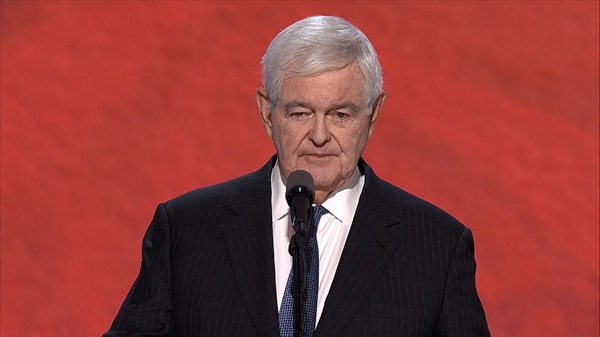
Gingrich remarked that “they couldn’t applaud anything,” a seemingly simple observation that he interprets as emblematic of a deeper, more systemic issue.
In his view, the inability or unwillingness of some lawmakers to participate in shared acknowledgment reflects not just partisan opposition, but an erosion of the shared norms that have historically allowed Congress to function as a deliberative, collaborative institution.
He emphasized that the behavior he witnessed is symptomatic of a political climate in which partisan reflexes increasingly dictate responses, rather than a collective effort to address national priorities.
Polarization and Its Impact on Governance
Gingrich’s observations underscore a broader trend in American politics: increasing polarization that appears to inhibit compromise and constructive dialogue.
While disagreement is a natural and even healthy aspect of democratic governance, he argued that the current level of partisanship is beginning to undermine the ability of legislative bodies to perform their essential functions effectively.
The public, he suggested, has become acutely aware of this breakdown, and their perception of dysfunction in Congress may be influencing broader societal trust in government institutions.
According to Gingrich, the issue extends beyond simple partisanship. He asserted that political behavior often prioritizes scoring points against the opposition over the development of substantive policy solutions.
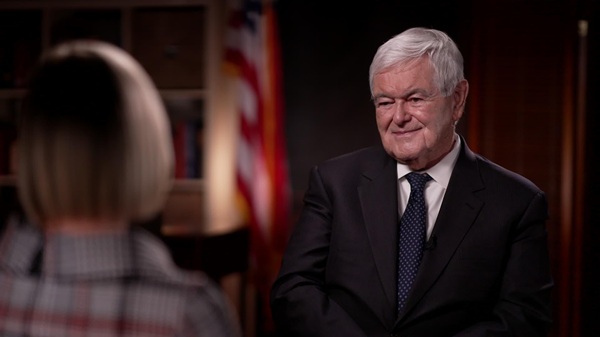
In moments designed to foster unity, such as addressing national crises or celebrating bipartisan achievements, he sees lawmakers acting in ways that prioritize optics over governance.
This, he contends, sends a troubling message to the public, suggesting that elected officials are more concerned with signaling loyalty to their base than with collaborative problem-solving.
Public Distrust and Its Consequences
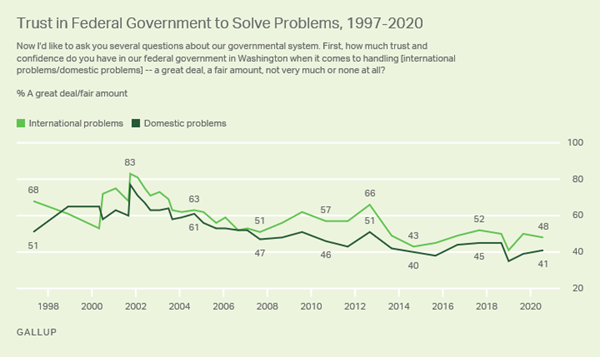
Gingrich also referenced data from his conservative research group, which indicates that approximately 82% of Americans believe the political system is corrupt.
While the specific methodology of these surveys may be subject to debate, the broader point — that many Americans harbor deep distrust toward political institutions — is widely corroborated by multiple independent studies and polls.
Public confidence in Congress has remained historically low for decades, often dipping below 20% in surveys conducted by nonpartisan organizations such as Gallup and the Pew Research Center.
This pervasive distrust, Gingrich argued, presents a significant challenge to governance. A citizenry that lacks faith in its representatives is less likely to support policy initiatives, engage in constructive civic debate, or comply with laws they perceive as illegitimate.
Moreover, when political discourse is dominated by partisanship and theatrical displays, it can amplify cynicism and reinforce perceptions of systemic dysfunction.
Gingrich’s framing suggests that restoring public trust will require more than policy adjustments; it will demand a cultural shift in the way political leaders communicate, collaborate, and prioritize national interests over partisan victories.
Partisan Approaches to Reform
In his commentary, Gingrich contrasted what he views as Republican and Democratic approaches to governance and reform.
He suggested that Republican leaders are increasingly positioning themselves around initiatives intended to streamline government operations, reduce bureaucracy, and increase transparency.
By contrast, he characterized Democrats as defending entrenched systems that he claims have become resistant to change.
Whether one agrees with this characterization or not, Gingrich’s critique highlights the broader debate over the role of institutional inertia in policymaking and how different parties conceptualize reform.
The discussion also touches on a fundamental tension in American politics: the balance between preserving institutional stability and implementing meaningful reform.
Critics of Gingrich’s view might argue that what he interprets as resistance is often a careful effort to ensure that changes do not disrupt essential services or violate constitutional principles.
Supporters, however, may see the same behavior as evidence of obstructionism or prioritization of party politics over the national interest. This debate exemplifies the complex dynamics at play in a highly polarized political landscape.
Implications for Legislative Functioning
Gingrich’s observations raise broader questions about the functioning of Congress in today’s political climate. The inability of lawmakers to engage meaningfully during joint sessions, ceremonial events, or moments of bipartisan significance may indicate that legislative decision-making is increasingly influenced by political theater rather than substantive deliberation.
In such an environment, the passage of meaningful legislation becomes more difficult, and the public perceives gridlock as a constant feature of government.
Historical comparisons suggest that the current level of partisanship is unprecedented in the post-World War II era. Scholars of American political institutions have documented a steady increase in legislative polarization over the past 40 years, with ideological divisions in both the House and the Senate widening dramatically.
This trend, Gingrich argues, is visible not only in voting patterns but in everyday behavior on the chamber floor — from refusals to acknowledge opposing viewpoints to the heightened use of procedural maneuvers for political advantage.
The Role of Leadership and Norms
Gingrich emphasized that effective governance requires more than party loyalty; it requires leadership that can inspire collaboration, mutual respect, and adherence to institutional norms.
Historically, Congress functioned under a set of informal rules and norms that encouraged compromise and collective problem-solving.
These included gestures of civility during speeches, public acknowledgment of achievements irrespective of party affiliation, and recognition of moments of national significance.
According to Gingrich, the observed decline in these practices undermines both the perception and reality of effective governance. When leaders fail to model cooperation, it not only diminishes legislative output but also erodes public confidence in political institutions.

He suggested that repairing this dynamic requires intentional leadership that prioritizes problem-solving, demonstrates respect for differing viewpoints, and fosters a culture of accountability.
National Concern and Civic Engagement
The concerns raised by Gingrich reflect a wider national conversation about civic engagement, institutional trust, and political polarization.
Citizens across the political spectrum have expressed concern about the increasing divisiveness of public life and the erosion of trust in elected officials.
The growing perception that political actors prioritize ideology over practical problem-solving has contributed to a sense of frustration and disillusionment among voters.
Polling data consistently show that Americans are concerned about the influence of partisanship on government performance. For example, a 2025 Pew Research Center study indicated that nearly three-quarters of Americans believe elected officials are more concerned with political advantage than public service.
Gingrich’s observations, while originating from a conservative perspective, resonate with these broader trends, suggesting that both parties face challenges in rebuilding credibility and fostering a sense of shared purpose.
Potential Pathways Forward
Addressing the issues Gingrich highlights requires a multifaceted approach. Reform efforts could include strengthening institutional norms, promoting bipartisan dialogue, and creating mechanisms to encourage compromise and collaboration.
Leaders might also prioritize transparency, accountability, and public communication to rebuild trust in political institutions.
Gingrich argues that Republican leaders are taking steps in this direction through proposals aimed at streamlining government and reducing bureaucratic inefficiencies.
At the same time, he criticizes what he perceives as Democratic resistance to reform, framing it as a defense of entrenched systems that may no longer serve the public effectively.
While the specifics of these claims are subject to debate, the underlying principle — that institutional reform and public trust are intertwined — is widely accepted by political analysts and scholars.
The Broader Political Context
Gingrich’s commentary occurs against a backdrop of growing concern over political polarization in the United States. Legislative stalemates, heightened ideological divisions, and an increasingly combative media environment have amplified public perception of dysfunction.
Moments intended to foster unity or commemorate national achievements have, in many cases, become opportunities for political signaling rather than genuine collaboration.
This context adds weight to Gingrich’s observations. While his focus is on behavior in a joint session of Congress, the broader implication is that public institutions must regain credibility through consistent, principled action.
Citizens expect elected officials to prioritize national well-being, even when party disagreements persist, and to demonstrate that governance can be both effective and respectful.
Conclusion: Rebuilding Trust and Collaboration
Former Speaker Newt Gingrich’s recent remarks serve as a cautionary note about the state of American politics. His concerns about disengagement, polarization, and the erosion of shared norms highlight challenges that extend beyond any single party or legislative session.
While his perspective is rooted in conservative critique, the broader issue he raises — the public’s growing distrust of government and the consequences of hyper-partisanship — transcends ideological lines.
Addressing these concerns will require leadership that prioritizes collaboration over conflict, solutions over optics, and service over partisan loyalty.
For lawmakers, fostering trust means modeling civility, acknowledging achievements across party lines, and demonstrating commitment to national priorities. For citizens, it involves engagement, advocacy, and holding elected officials accountable for their actions.
Gingrich’s observations ultimately underscore the importance of maintaining democratic norms, cultivating mutual respect among political actors, and ensuring that governance remains responsive to the needs and expectations of the American public.
In a political climate increasingly defined by division, the challenge for Congress — and for the nation as a whole — is to rebuild a culture of cooperation and to restore public confidence in the institutions that underpin democracy.
