...

New Images from Epstein’s Personal Archive Feature Donald Trump, Bill Clinton, and More

Newly Released Epstein Estate Photos Spark Questions About Social Circles of Powerful Figures

A House committee has recently released new photographs from the estate of the late convicted sex offender Jeffrey Epstein, sparking renewed public interest and scrutiny of the social networks surrounding Epstein during his lifetime.

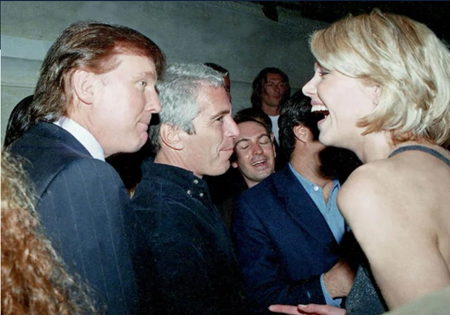
The images, which are part of a collection of nearly 100,000 photographs obtained from Epstein’s estate, include prominent figures such as President Donald Trump, former President Bill Clinton, Microsoft founder Bill Gates, film director Woody Allen, and former Trump White House advisor Steve Bannon in various social settings.

While the photos do not appear to indicate illegal activity, they provide a rare and unsettling glimpse into the social life of one of the most notorious figures in recent history.

Epstein’s criminal activities, which included sex trafficking and exploitation of minors, led to widespread condemnation and legal consequences before his death in 2019.

The extensive collection of photographs found in his estate has long been a point of interest for investigators, journalists, and the public, given Epstein’s associations with numerous high-profile individuals and the alleged misuse of power within elite social circles.

The newly released images include gatherings where the aforementioned prominent figures are seen attending social events, posing for photographs, and engaging in informal interactions.

One of the most notable revelations is the presence of former and current influential figures in casual settings, emphasizing the breadth of Epstein’s connections.

However, it is crucial to note that there is currently no evidence within these photographs that any illegal activity occurred involving these individuals.

Legal analysts emphasize that social association alone does not imply wrongdoing and that the images must be understood within the context of social events and networking that Epstein often hosted.

Donald Trump has repeatedly denied any association with Epstein beyond superficial social interactions.

In past statements, Trump has insisted that his relationship with Epstein was limited and did not involve any illicit activity.

Former President Bill Clinton, similarly, has emphasized that his interactions with Epstein were primarily related to philanthropic and social causes, asserting no involvement in Epstein’s criminal conduct.

Bill Gates has also addressed media inquiries, acknowledging meetings with Epstein but denying any wrongdoing or inappropriate involvement.

These statements remain consistent with the preliminary legal assessments of the photographs.

Despite these assurances, the release of the images has reignited political and public discourse regarding accountability, transparency, and the potential influence of power in high society.

Representative Robert Garcia (D-Calif.), the ranking member of the committee overseeing the investigation, commented on the release, stating, “It is time to end this White House cover-up and bring justice to the survivors of Jeffrey Epstein and his powerful friends.

These disturbing photos raise even more questions about Epstein and his relationships with some of the most powerful men in the world.

We will not rest until the American people get the truth. The Department of Justice must release all the files, NOW.”

Garcia’s statement reflects a broader demand from advocacy groups and the public for full transparency regarding Epstein’s extensive connections and the potential implications for ongoing legal investigations.

In addition to the social photographs, the committee’s release includes more unusual and controversial items found within Epstein’s estate.

One photograph depicts novelty condoms featuring President Trump’s likeness spread out on a table, with a sign indicating a price of $4.50.

While the item may seem trivial, it has attracted significant media attention due to its connection to the former president and its presence within Epstein’s private collection.

The novelty items underscore the bizarre and sometimes unsettling nature of Epstein’s personal property, further fueling public curiosity about the extent of his social and personal network.

Legal experts emphasize the importance of careful interpretation of the photographs and associated materials.

While these images provide insight into Epstein’s social circle, they do not constitute evidence of criminal conduct by any of the individuals depicted.

Lawyers familiar with ongoing investigations highlight that mere presence in photographs does not imply complicity, and any legal implications must be based on corroborated evidence rather than public speculation.

Despite this, the public response reflects a growing desire for accountability and thorough investigation, especially given Epstein’s history of exploiting vulnerable individuals and maintaining influence among wealthy and powerful circles.

The release of these photographs is part of a broader effort by the House committee to examine Epstein’s activities, social connections, and the extent to which powerful individuals may have been aware of or complicit in his criminal actions.

Investigators hope that the documents and photographs will shed light on Epstein’s operations, provide context for ongoing legal cases, and assist law enforcement in addressing unresolved aspects of his network.

Transparency in the release of these materials is seen as critical by both lawmakers and advocacy groups, particularly those representing survivors of Epstein’s abuse.

The images also contribute to historical documentation of Epstein’s lifestyle and social reach.

Scholars and journalists studying the intersections of power, privilege, and criminal behavior have noted that Epstein’s ability to cultivate relationships with high-profile individuals reflects broader societal patterns in which wealth and influence can obscure wrongdoing.

The photographs provide a tangible record of the environments in which Epstein operated, offering insights into his strategy for maintaining social dominance and access to influential figures.

Public reaction to the photo release has been mixed. Some individuals express outrage and concern, fearing that the images may indicate a culture of permissiveness or negligence among elites.

Others caution against drawing conclusions without corroborating evidence, stressing that social interactions do not automatically equate to criminal complicity.

Social media platforms and news outlets have amplified both perspectives, leading to widespread discussion about ethics, accountability, and the responsibilities of powerful individuals.

Moving forward, the House committee has indicated that further releases of documents, photographs, and other materials from Epstein’s estate are likely.

These materials are expected to provide additional context regarding his social networks, business dealings, and potentially his attempts to manipulate or control others through coercion or influence.

Lawmakers and investigators have reiterated the importance of transparency and comprehensive review, emphasizing that all relevant information must be made available to ensure justice for survivors and to provide a complete historical record.

In conclusion, the newly released photographs from Jeffrey Epstein’s estate shed light on the social circles of one of the most notorious figures of recent history.

While the images include high-profile individuals such as Donald Trump, Bill Clinton, Bill Gates, Woody Allen, and Steve Bannon, they do not provide evidence of illegal activity by any of the depicted individuals.

Nonetheless, the release underscores public demand for transparency, accountability, and thorough investigation into Epstein’s life, associations, and the potential implications for those in his orbit.

As legal authorities continue their work, these photographs contribute to a broader understanding of Epstein’s reach, offering insight into how power, privilege, and criminal behavior can intersect in ways that demand scrutiny and vigilance.

Newly Released Epstein Estate Photos Spark Questions About Social Circles of Powerful Figures

A House committee has recently released new photographs from the estate of the late convicted sex offender Jeffrey Epstein, sparking renewed public interest and scrutiny of the social networks surrounding Epstein during his lifetime.

The images, which are part of a collection of nearly 100,000 photographs obtained from Epstein’s estate, include prominent figures such as President Donald Trump, former President Bill Clinton, Microsoft founder Bill Gates, film director Woody Allen, and former Trump White House advisor Steve Bannon in various social settings.

While the photos do not appear to indicate illegal activity, they provide a rare and unsettling glimpse into the social life of one of the most notorious figures in recent history.

Epstein’s criminal activities, which included sex trafficking and exploitation of minors, led to widespread condemnation and legal consequences before his death in 2019.

The extensive collection of photographs found in his estate has long been a point of interest for investigators, journalists, and the public, given Epstein’s associations with numerous high-profile individuals and the alleged misuse of power within elite social circles.

The newly released images include gatherings where the aforementioned prominent figures are seen attending social events, posing for photographs, and engaging in informal interactions.

One of the most notable revelations is the presence of former and current influential figures in casual settings, emphasizing the breadth of Epstein’s connections.

However, it is crucial to note that there is currently no evidence within these photographs that any illegal activity occurred involving these individuals.

Legal analysts emphasize that social association alone does not imply wrongdoing and that the images must be understood within the context of social events and networking that Epstein often hosted.

Donald Trump has repeatedly denied any association with Epstein beyond superficial social interactions.

In past statements, Trump has insisted that his relationship with Epstein was limited and did not involve any illicit activity.

Former President Bill Clinton, similarly, has emphasized that his interactions with Epstein were primarily related to philanthropic and social causes, asserting no involvement in Epstein’s criminal conduct.

Bill Gates has also addressed media inquiries, acknowledging meetings with Epstein but denying any wrongdoing or inappropriate involvement.

These statements remain consistent with the preliminary legal assessments of the photographs.

Despite these assurances, the release of the images has reignited political and public discourse regarding accountability, transparency, and the potential influence of power in high society.

Representative Robert Garcia (D-Calif.), the ranking member of the committee overseeing the investigation, commented on the release, stating, “It is time to end this White House cover-up and bring justice to the survivors of Jeffrey Epstein and his powerful friends.

These disturbing photos raise even more questions about Epstein and his relationships with some of the most powerful men in the world.

We will not rest until the American people get the truth. The Department of Justice must release all the files, NOW.”

Garcia’s statement reflects a broader demand from advocacy groups and the public for full transparency regarding Epstein’s extensive connections and the potential implications for ongoing legal investigations.

In addition to the social photographs, the committee’s release includes more unusual and controversial items found within Epstein’s estate.

One photograph depicts novelty condoms featuring President Trump’s likeness spread out on a table, with a sign indicating a price of $4.50.

While the item may seem trivial, it has attracted significant media attention due to its connection to the former president and its presence within Epstein’s private collection.

The novelty items underscore the bizarre and sometimes unsettling nature of Epstein’s personal property, further fueling public curiosity about the extent of his social and personal network.

Legal experts emphasize the importance of careful interpretation of the photographs and associated materials.

While these images provide insight into Epstein’s social circle, they do not constitute evidence of criminal conduct by any of the individuals depicted.

Lawyers familiar with ongoing investigations highlight that mere presence in photographs does not imply complicity, and any legal implications must be based on corroborated evidence rather than public speculation.

Despite this, the public response reflects a growing desire for accountability and thorough investigation, especially given Epstein’s history of exploiting vulnerable individuals and maintaining influence among wealthy and powerful circles.

The release of these photographs is part of a broader effort by the House committee to examine Epstein’s activities, social connections, and the extent to which powerful individuals may have been aware of or complicit in his criminal actions.

Investigators hope that the documents and photographs will shed light on Epstein’s operations, provide context for ongoing legal cases, and assist law enforcement in addressing unresolved aspects of his network.

Transparency in the release of these materials is seen as critical by both lawmakers and advocacy groups, particularly those representing survivors of Epstein’s abuse.

The images also contribute to historical documentation of Epstein’s lifestyle and social reach.

Scholars and journalists studying the intersections of power, privilege, and criminal behavior have noted that Epstein’s ability to cultivate relationships with high-profile individuals reflects broader societal patterns in which wealth and influence can obscure wrongdoing.

The photographs provide a tangible record of the environments in which Epstein operated, offering insights into his strategy for maintaining social dominance and access to influential figures.

Public reaction to the photo release has been mixed. Some individuals express outrage and concern, fearing that the images may indicate a culture of permissiveness or negligence among elites.

Others caution against drawing conclusions without corroborating evidence, stressing that social interactions do not automatically equate to criminal complicity.

Social media platforms and news outlets have amplified both perspectives, leading to widespread discussion about ethics, accountability, and the responsibilities of powerful individuals.

Moving forward, the House committee has indicated that further releases of documents, photographs, and other materials from Epstein’s estate are likely.

These materials are expected to provide additional context regarding his social networks, business dealings, and potentially his attempts to manipulate or control others through coercion or influence.

Lawmakers and investigators have reiterated the importance of transparency and comprehensive review, emphasizing that all relevant information must be made available to ensure justice for survivors and to provide a complete historical record.

In conclusion, the newly released photographs from Jeffrey Epstein’s estate shed light on the social circles of one of the most notorious figures of recent history.

While the images include high-profile individuals such as Donald Trump, Bill Clinton, Bill Gates, Woody Allen, and Steve Bannon, they do not provide evidence of illegal activity by any of the depicted individuals.

Nonetheless, the release underscores public demand for transparency, accountability, and thorough investigation into Epstein’s life, associations, and the potential implications for those in his orbit.

As legal authorities continue their work, these photographs contribute to a broader understanding of Epstein’s reach, offering insight into how power, privilege, and criminal behavior can intersect in ways that demand scrutiny and vigilance.