
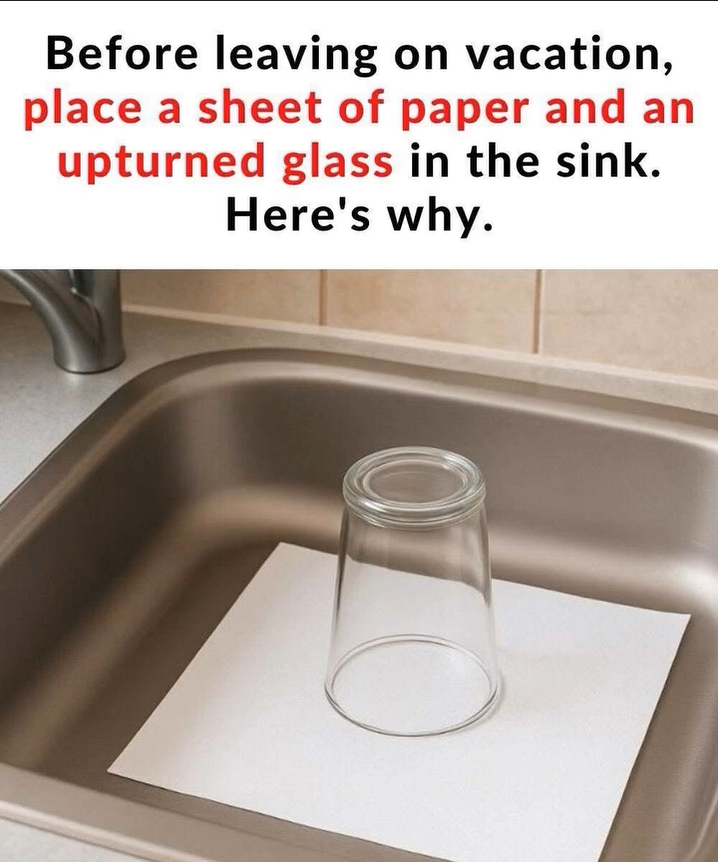
Before heading out on vacation, most people meticulously prepare their homes. Locks are checked, thermostats adjusted, and refrigerators emptied.
However, in the rush of planning, one small but crucial area is often overlooked: the kitchen sink. Although it may appear spotless, the sink can hide a variety of problems.
Drains harbor food particles, bacteria, and moisture, creating the perfect environment for odors, mold growth, and even tiny pests that can invade a home while you’re away.
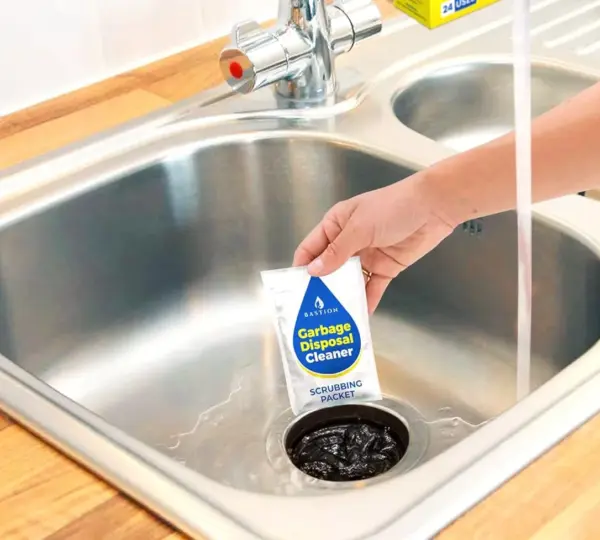
The garbage disposal, in particular, is a common culprit. Bits of food trapped inside begin to rot, emitting foul smells. Over time, the buildup becomes difficult to clean, and the smell can linger even after a simple rinse.
Water trapped in the P-trap—the curved pipe beneath the sink—also plays a role. If the water evaporates while you’re gone, sewer gases can enter your kitchen. These gases are harmless in small amounts but create unpleasant odors.
Even minor leaks or dripping faucets can cause problems. A steady drip can attract insects like ants or gnats. Over time, moisture may damage cabinetry, encouraging mold or mildew growth. This makes pre-trip inspections essential for maintaining a safe, clean kitchen.
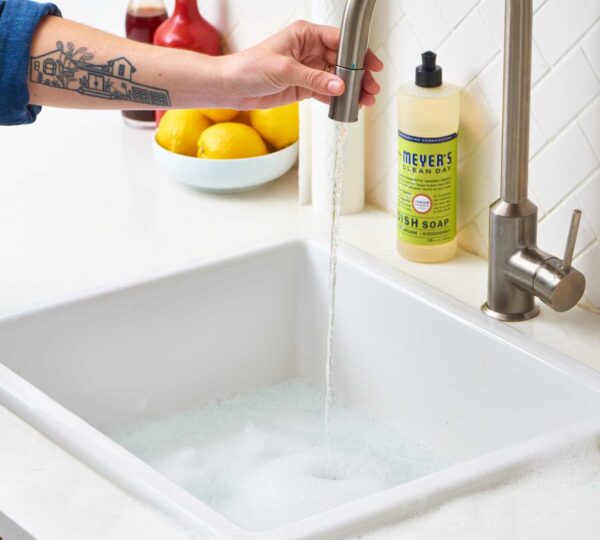
To prevent these issues, a simple routine can be implemented. Start by running cold water through the disposal for at least thirty seconds. Cold water helps solidify any grease, allowing it to be chopped and flushed properly.
Adding ice cubes or citrus peels to the disposal while running water can provide an extra cleaning boost. The ice helps dislodge stuck food particles, while citrus oils neutralize odors and leave a fresh scent behind.
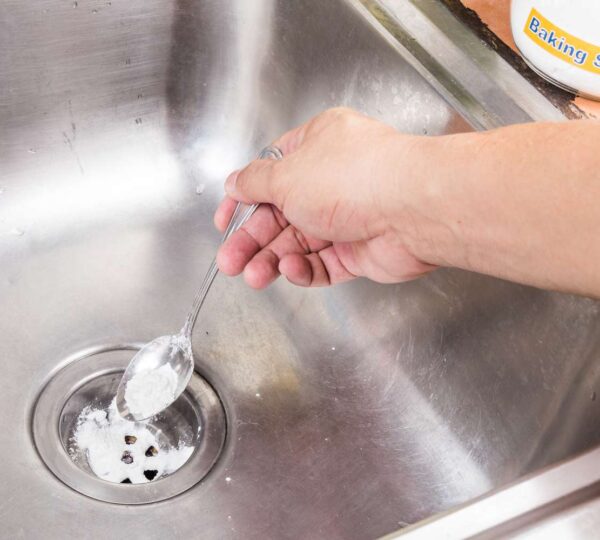
After cleaning the disposal, focus on the drain itself. Sprinkle baking soda down the drain, followed by white vinegar. The combination creates a fizzy reaction that helps break down organic material and flush out bacteria lurking in pipes.
Once the fizzing slows, run hot water through the drain for several minutes. Hot water ensures any residual particles are flushed away, clearing the drain of potential food remnants, grease, and microbial growth that could generate odors.
For extended trips, it’s wise to protect the P-trap. Pouring a small amount of mineral oil into the trap keeps the water from evaporating. This simple step prevents sewer gases from entering your kitchen while you are away.
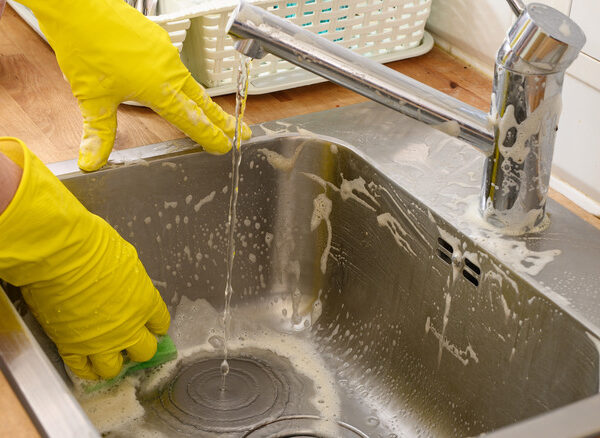
Wiping down all sink surfaces is equally important. Faucets, handles, and the sink basin can harbor bacteria, food residue, or water spots. A thorough wipe with mild soap or disinfectant ensures everything remains clean and sanitary during your absence.
Check for leaks before leaving. Even a minor drip can cause structural damage or attract insects. Inspect the faucet, pipes, and connections under the sink. Repairing leaks promptly prevents small issues from escalating into expensive problems.
While this routine takes just five to ten minutes, the benefits are significant. Returning home to a clean, odor-free kitchen prevents unpleasant surprises and helps maintain the hygiene and integrity of your plumbing system.
Consider integrating this sink care into your regular travel checklist. Many homeowners focus on security and appliance settings but overlook hygiene in small areas. Including the sink ensures a truly worry-free vacation.
Beyond odor prevention, regular drain maintenance prolongs the life of plumbing. Grease, food particles, and mineral deposits gradually accumulate, which can reduce water flow and strain disposal mechanisms. Cleaning periodically reduces wear and tear.
Citrus peels can be particularly beneficial for frequent travelers. Lemon, lime, or orange peels introduce natural oils that sanitize the disposal. They also produce a subtle, pleasant fragrance that keeps the kitchen smelling fresh, even during extended absences.
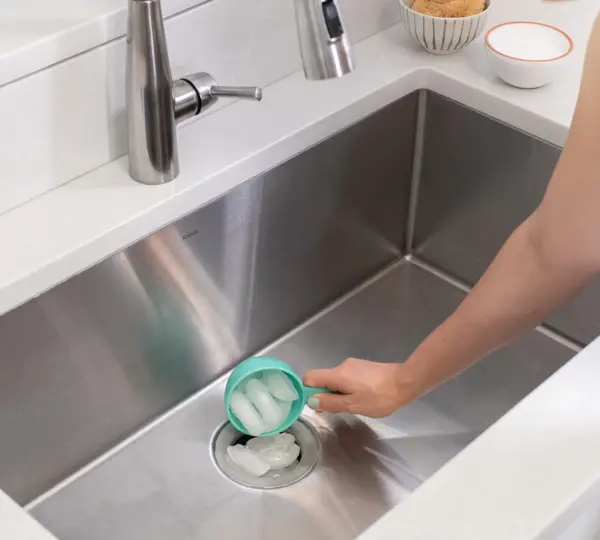
Ice cubes also have multiple benefits. Hard ice helps scrape residue off the blades of a garbage disposal. The mechanical action of ice prevents buildup, keeping the disposal working efficiently and reducing the risk of jams or clogs.
Baking soda and vinegar remain a classic combination for a reason. Baking soda’s mild abrasiveness combined with vinegar’s acidity effectively loosens grime, neutralizes odors, and promotes a clear drain, helping prevent pest problems over time.
Hot water acts as the final rinse. It ensures all debris and loosened buildup from prior cleaning steps is flushed down the drain. Consistent hot water usage prevents bacterial colonies from forming, reducing potential health risks.
For long-term prevention, consider using a sink strainer. Strainers catch large food particles before they enter the drain, reducing the likelihood of clogs and minimizing unpleasant odors. Emptying the strainer before trips ensures maximum effectiveness.
Address any mold or mildew found around the sink area. Even small patches can grow rapidly if left unattended. Clean visible mold with a disinfectant solution, ensuring surfaces are dry to prevent recurrence while you’re away.
Don’t forget about dishwasher drains connected to the sink. Food particles and residual water can accumulate in dishwasher lines, leading to odors or even insect attraction. Cleaning these lines is an important step in comprehensive kitchen preparation.
Regular inspections and cleaning also prevent pest infestations. Drains and wet areas are attractive to fruit flies, gnats, and ants. Routine care eliminates both moisture and food sources, making your kitchen inhospitable to insects.
While small, a properly maintained kitchen sink protects overall home hygiene. Neglected drains can lead to more serious plumbing issues, unpleasant odors, and potential health hazards, which are easily prevented with consistent care.
For travelers, these steps also save money. Clogged drains or damage from leaks can result in costly plumbing repairs. Spending a few minutes on preventive maintenance avoids future headaches and unplanned expenses.
In addition to mechanical and chemical cleaning, paying attention to detail matters. Wiping around sink edges, faucet bases, and counter seams prevents water accumulation that could lead to mold, staining, or odor development.
Seasonal adjustments may be necessary. In hot or dry climates, P-traps may evaporate faster, and drains can dry out. Travelers should account for environmental factors when implementing sink maintenance routines before leaving home.
Consider leaving a note or reminder in the kitchen before trips. This helps all household members maintain the routine and ensures the sink receives attention even when multiple people share responsibilities.
Educating family members about sink hygiene encourages collaboration. Children and partners can help with disposal cleaning, wiping down surfaces, and checking for leaks, making the process faster and reinforcing good habits.
Beyond vacations, maintaining a clean sink enhances everyday living. Regular care prevents lingering smells, improves disposal function, and reduces the likelihood of encountering pests or plumbing issues during normal household routines.
Even minor preventative measures can have a significant impact. Using natural solutions like citrus, baking soda, and vinegar avoids harsh chemicals while effectively addressing odor, grime, and bacteria, making it safe for families and pets.
For households with compost or frequent cooking, the disposal and drains can accumulate organic matter more quickly. Extra attention before trips ensures these areas do not develop odors or attract pests while unattended.
Traveling with pets also adds considerations. Fur, food, and water spills can exacerbate sink issues if ignored. Cleaning thoroughly before departure prevents future problems and maintains a healthy kitchen environment.
Check your sink faucet aerators occasionally. These small screens can trap particles, affecting water flow. Removing and cleaning them before leaving ensures proper water pressure and avoids buildup over extended absences.
Finally, make this routine a habit. A clean sink is more than aesthetics—it’s hygiene, peace of mind, and protection for your home. Integrating these steps saves stress upon return.
By following this detailed pre-vacation sink maintenance routine, homeowners prevent odors, clogs, mold, and pest issues. It’s a small time investment with outsized benefits, ensuring a welcoming, fresh kitchen upon arrival.
Even experienced travelers often forget about sink care, but neglecting it can create unpleasant surprises. A few minutes each trip makes a noticeable difference in home hygiene and overall peace of mind.
A fresh, well-maintained kitchen enhances the joy of returning from vacation. It demonstrates that a small, consistent effort in preparation can prevent avoidable problems, contributing to a healthier, cleaner, and more pleasant home environment.
In summary, pre-trip kitchen maintenance involves cleaning the garbage disposal, flushing drains with natural solutions, checking for leaks, wiping surfaces, and preventing evaporation in the P-trap. These steps protect your home and reduce stress.
This comprehensive approach ensures your kitchen remains functional, hygienic, and odor-free, even when you’re away for weeks. Simple routines like this help homeowners maintain plumbing health, prevent pests, and enjoy a cleaner living space.
Investing five to ten minutes before leaving pays off exponentially. You return to a home that is welcoming, fresh, and worry-free. Attention to small details, like sink care, contributes to an overall sense of cleanliness and order.
By incorporating sink care into travel routines, families protect their health, home, and peace of mind. A small effort before departure avoids major issues, making the home a more comfortable and pleasant place for everyone.
Finally, remember that consistent attention to sinks and drains is preventative. It safeguards against odors, pests, and plumbing issues. Practicing this routine regularly makes it second nature and keeps kitchens in optimal condition.
