
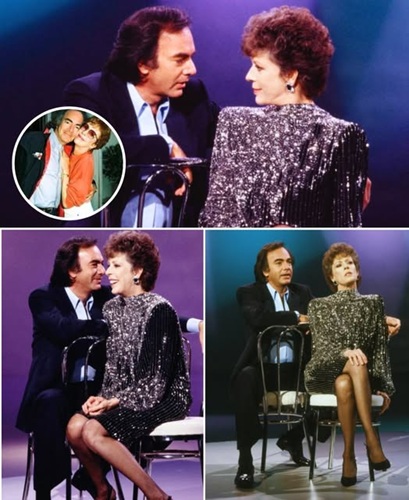
For nearly four decades, one television moment has endured in the minds of music and TV fans alike because it captured something rare: two towering performers from different worlds.
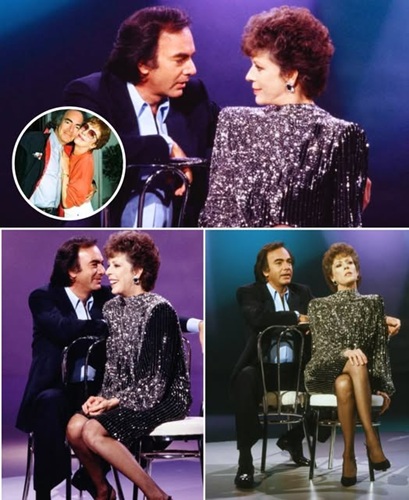
Neil Diamond and Carol Burnett — sharing a stage not out of necessity but out of joy. That moment, part of the 1986 CBS special Neil Diamond…
Hello Again, still feels effortlessly special almost 40 years later, not because of spectacle, but because of its warmth, authenticity, and genuine spirit of collaboration. The mid‑1980s were a transitional period in American pop culture and television.
The heyday of variety specials — once staples of national broadcast schedules — was waning as cable TV expanded and viewers’ attention splintered across new channels and formats.
Yet in this moment, variety specials still held cultural weight: they were appointments — events families planned around, communal experiences that brought millions of viewers into the same living rooms at the same time. Neil Diamond… Hello Again was exactly that kind of event.
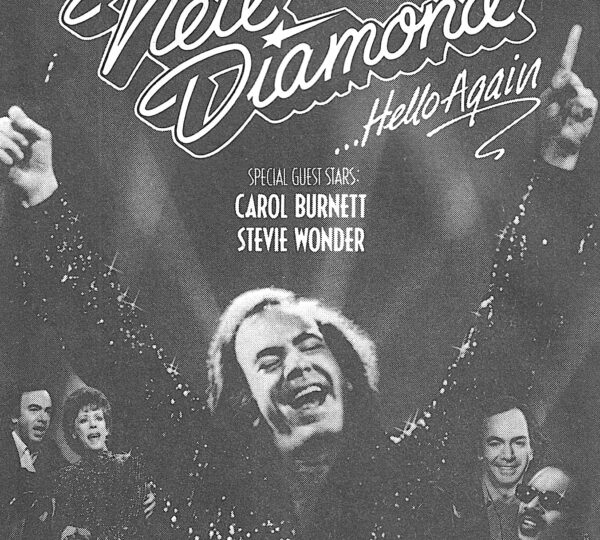
It wasn’t simply a televised concert, nor was it a promotional spot for an album or tour; it was an hour‑long celebration of a career and an invitation to connect with audiences across generations.
For Neil Diamond, the special marked his first television variety appearance in nine years. He was already a multi‑platinum selling artist known for his rich voice, evocative songwriting, and emotional performances, but this was a moment of reconnection with audiences who had grown up with his music while new listeners were discovering him.
The show’s title — Hello Again — was fitting for more than its title track; it suggested a welcome return to a stage and medium that had once been central to his visibility.
The special aired in May 1986 on CBS, one of the major broadcast networks of the day, and it was a big production, featuring not just Diamond himself, but also high‑profile guests including Stevie Wonder and, most memorably, Carol Burnett.
The show blended musical performances, scripted comedy bits, and collaborative segments designed to showcase Diamond’s broad appeal as both a musician and personality.
Neil Diamond’s Place in Music History
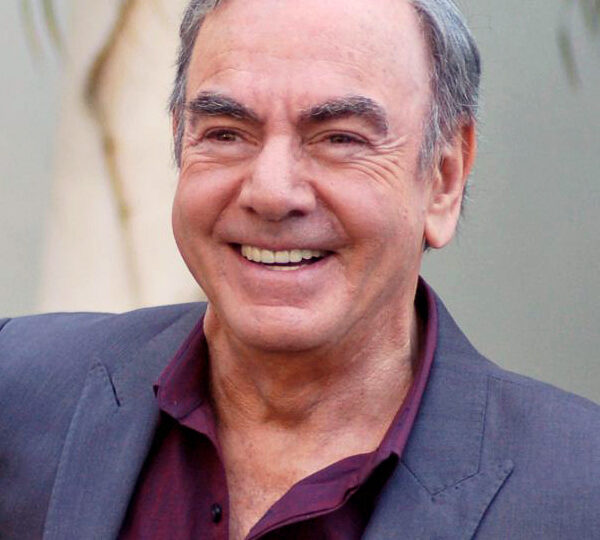
By 1986, Neil Diamond was already an established figure in popular music. He had been selling records since the late 1960s, and songs like “Sweet Caroline,” “Song Sung Blue,” “I Am… I Said,” and “Cracklin’ Rosie” had become staples of radio playlists and personal soundtracks for millions of fans.
Diamond’s music had always blended introspective lyrics with sweeping melodies that crossed genre lines — from folk‑tinged pop to soft rock and orchestral balladry.
His 1986 television special coincided with a period of continued creative output — including the album Headed for the Future — and extensive touring.
Carol Burnett: From TV Comedy Legend to Musical Collaborator
Carol Burnett, by 1986, was already a television legend. Her own variety program, The Carol Burnett Show, had run from 1967 to 1978 on CBS and became one of the most beloved comedy programs in TV history.
Known for its mix of sketch comedy, song, and heartfelt moments, the show launched the careers of cast members like Tim Conway, Harvey Korman, and Vicki Lawrence and showcased Burnett’s remarkable range — from slapstick to deeply moving musical pieces.
Although The Carol Burnett Show had ended years earlier, Burnett’s presence loomed large in American entertainment.
Her cameo on Neil Diamond… Hello Again was a celebration of that legacy. Rather than relegating her to a simple comic bit or novelty role, the special tapped into Burnett’s strengths — her warmth, theatricality, and ability to connect with performers and audiences alike.
The result was a musical collaboration that felt less like a guest appearance and more like a meeting of two artists who truly enjoyed their craft.
The Performance That Still Resonates
The centerpiece of the night — and the moment that has lived on in memory far longer than most talk show appearances or promotional spots — was the duet between Diamond and Burnett.
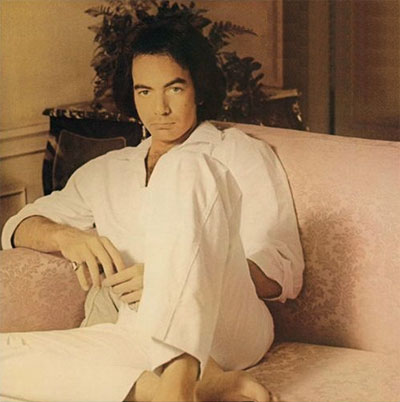
This was not a gimmicky mash‑up, nor was it an overly produced spectacle designed for flashy ratings. Instead, it was a relaxed medley of Diamond’s best‑known songs, performed with sincerity and mutual respect.
Diamond’s voice — rich, sonorous, and emotionally direct — carried the core of each song. Burnett, while not primarily known as a singer, complemented him with a playful sensitivity that brought out different shades of the music.
Whether they sang tender ballads or more rhythmic pieces, their interplay felt effortless and unforced, a rare quality in television specials that are often rehearsed to the point of losing spontaneity.
What made this duet endure wasn’t fireworks or spectacle — it was simplicity and authenticity. Diamond let the music speak for itself, while Burnett’s presence added a layer of warmth and theatrical flair that felt joyful rather than intrusive.
Her comedic sensibilities surfaced in gentle humor and expressive delivery, but at no point did they overshadow the music’s emotional core. Instead, her contributions reinforced why collaboration matters: it expands interpretation without diminishing intent.
Production and Recognition
Neil Diamond… Hello Again was a considerable production for its time. It was an hour‑long broadcast that combined studio segments with taped sequences, musical numbers, and guest appearances — a format that hearkened back to the height of variety entertainment on network television.
The show was nominated for several Primetime Emmy Awards in 1986, recognizing its excellence in technical and creative categories.
Among its nominations were honors for costume design, directing, and sound mixing, and it won the Primetime Emmy for Outstanding Lighting Direction (Electronic) for a variety or special, a testament to the production’s visual ambition.
The lighting, sound, and overall staging of the special may seem dated by contemporary standards — an artifact of an era when television cameras, studio environments, and broadcast expectations were different — but these elements also contributed to the show’s charm and memory.
They reflect a period when prime‑time specials were crafted with layers of technical discipline as well as heart.
Not Just Nostalgia — A Snapshot of an Era
While modern audiences may associate television music performances with late‑night talk shows, reality talent competitions, or livestreamed concerts, the 1980s were a time when variety specials held distinctive cultural currency.
They were places where musical stars could present their personalities beyond radio or concert halls, and where familiar faces could experiment with humor, drama, and song in extended formats.
The collaboration between Diamond and Burnett exemplified this blend. It wasn’t simply two celebrities sharing a stage;
it was a moment that captured the joy of live performance, the trust between artists, and an era when television could feel like a shared cultural living room rather than a personalized algorithmic stream.
Why It Still Matters Today
Nearly 40 years after its original broadcast, the Hello Again duet continues to circulate among fans and pop culture enthusiasts for several reasons:
The Performers Themselves: Both Diamond and Burnett are beloved figures in entertainment whose careers span decades. For many fans, seeing them together is a collision of two powerful legacies.
The Spirit of Collaboration: The performance didn’t feel rehearsed or forced; it felt like two seasoned artists enjoying each other’s company and the music they were making.
A Reminder of Television’s Range: This was a moment from a time when broadcast television invested in variety entertainment as an art form — a space for originality, celebration, and cross‑genre collaboration.
Emotional Resonance: Diamond’s songs have intrinsic emotional weight, and when delivered with sincerity alongside Burnett’s warmth, the performance tapped into the universal feelings of joy, nostalgia, and connection.
In an age when media consumption is often fragmented and fleeting, Neil Diamond… Hello Again stands as a reminder of television’s capacity to bring people together around shared experiences — moments that feel both personal and collective.
A Legacy of Joy and Warmth
Looking back on the Hello Again performance today, we are reminded of an era when the boundaries between musical genres, comedic styles, and television formats were porous, inviting artists to experiment and audiences to participate in something larger than a single song or sketch.
Diamond and Burnett’s collaboration wasn’t an accident or a novelty; it was a deliberate meeting of artists who understood the language of performance and used it to create something authentic, joyful, and enduring.
Their duet has remained beloved not because it was perfect technically, but because it was alive — brimming with the human energy of performers genuinely enjoying their craft.
In that sense, this television moment continues to resonate, not as a relic of the 1980s, but as a testament to what happens when talent, respect, and warmth come together on a shared stage.
