
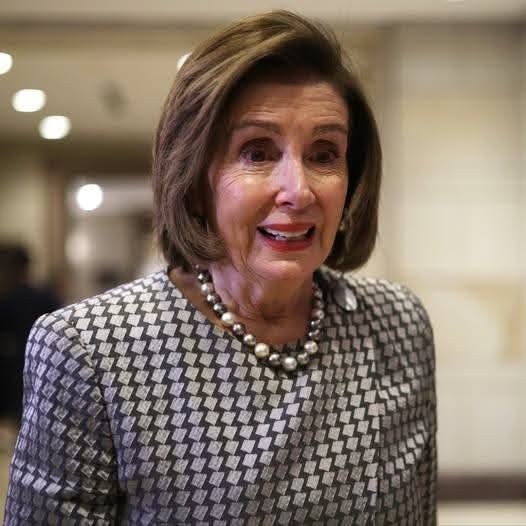
In Luxembourg, former Speaker of the House Nancy Pelosi experienced an unexpected fall that served as a vivid reminder of human vulnerability, even for leaders with decades of political experience and global influence.
The incident occurred during a high-profile diplomatic visit, where Pelosi was attending commemorations marking historic events tied to World War II.
Her presence at such a symbolic occasion highlighted her continued engagement in international affairs and respect for historical memory.
Immediately after the fall, security personnel and on-site aides responded swiftly, ensuring she was safely stabilized and transported for medical evaluation. Their quick actions reflected years of planning and coordination in handling emergencies involving high-profile officials.
Once under medical care, Pelosi was further supported by a broad team, including physicians, diplomatic staff, and colleagues, all working in concert to prioritize her health while maintaining continuity in her responsibilities.
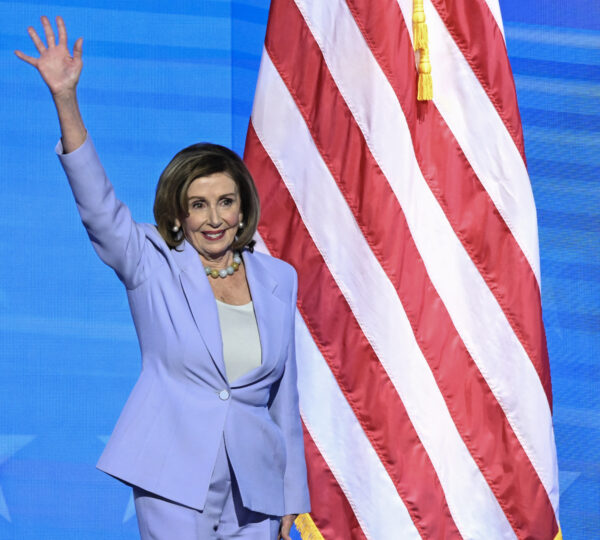
From her hospital room, Pelosi remained actively engaged, phoning into briefings and providing guidance to staff, demonstrating her commitment to the mission and refusal to let a sudden physical incident define her contributions.
The unexpected nature of the fall prompted widespread attention from both the public and political leaders across the globe, sparking discussions about leadership, resilience, and the demands placed upon senior officials.
Interestingly, the response showcased a rare moment of bipartisanship: leaders from both Republican and Democratic parties expressed concern, respect, and admiration for Pelosi’s service and dedication to public life.
NATO representatives and European dignitaries also voiced solidarity, emphasizing the importance of her role in transatlantic relations and recognizing the personal risk that can accompany public service at the highest levels.
Medical teams and advisors ensured a carefully monitored recovery process, emphasizing that while Pelosi had sustained a physical setback, her long-term health and functionality were not immediately at risk, providing reassurance to both staff and the public.
The incident occurred in Luxembourg, a city with deep historical significance. Its streets and monuments bear the weight of wartime memory, and Pelosi’s presence there symbolized the ongoing commitment of contemporary leaders to honor past sacrifices.

Observers noted that the fall did not diminish the importance of the commemoration; rather, it added a layer of poignancy, connecting her personal vulnerability with the broader theme of service and historical remembrance.
The seamless coordination between security, medical personnel, and diplomatic staff highlighted the level of preparedness required when managing high-profile officials, where every detail must be anticipated to mitigate potential risks.
Pelosi’s choice to continue participating remotely in briefings underscored her dedication, showing that physical setbacks need not prevent effective leadership or decision-making in a critical international context.
Political analysts pointed out that the incident humanized Pelosi, reminding the public that even the most accomplished and experienced leaders face the same fragility as anyone else, balancing responsibility with personal well-being.
At the same time, the response demonstrated the depth of institutional support available to senior officials, from protective services to medical teams and logistical coordination with local authorities.
Leaders across the spectrum praised her resolve and composure, with many noting that the incident reinforced the symbolic importance of her role in promoting democratic values, transatlantic cooperation, and civic engagement.
The media coverage also reflected a global awareness of the interconnected nature of contemporary diplomacy, highlighting the ways in which personal health and leadership capacity intersect in high-stakes international contexts.
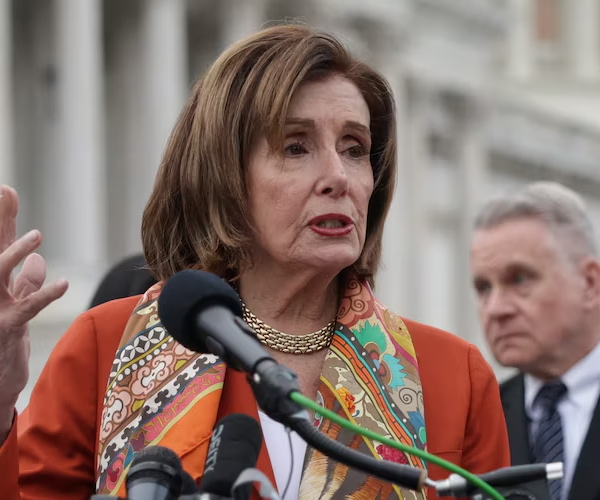
As she recovers, Pelosi’s team has maintained careful control over messaging and updates, ensuring accurate information circulates while minimizing undue alarm or speculation among international partners and the public.
The incident has also prompted reflection on the physical demands placed upon leaders who frequently travel internationally, attend long ceremonies, and maintain high-intensity schedules, particularly later in their careers.
Observers have highlighted that the capacity to recover while remaining engaged in official duties exemplifies the adaptability and resilience expected of senior political figures in modern governance.
Pelosi’s situation serves as an instructive example of how unforeseen events can test not only the individual’s endurance but also the effectiveness of the supporting institutions surrounding them.
Political commentators emphasized that the incident, while personal, carries broader implications for public perception of leadership, trust, and the balance between vulnerability and strength in public life.
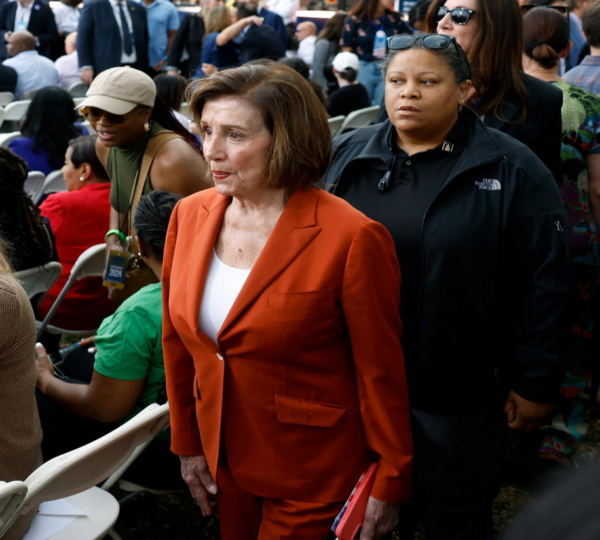
The global response, including messages from allies and political opponents, reinforced a shared understanding of service, the human cost of public life, and the importance of respecting both the personal and professional dimensions of senior leaders’ experiences.
As the world watches her recovery, Pelosi’s continued involvement in briefings illustrates the careful balancing act between personal health and ongoing responsibility in international and domestic affairs.
Her influence, particularly on legislative priorities and foreign policy engagement, remains substantial, demonstrating that a temporary physical setback does not equate to a reduction in authority or impact.

Security experts have noted that incidents like these highlight the critical importance of contingency planning, including medical support, transportation safety, and rapid response protocols for leaders traveling abroad.
The fall also reinforced the symbolic role of senior statespeople, connecting personal perseverance with the broader narratives of historical commemoration, international partnership, and civic duty.
As she continues to recover under vigilant care, Pelosi’s presence—physical or virtual—remains a point of continuity and reassurance for both domestic and international partners.
The incident, while unexpected, underscores the interplay between human frailty, institutional preparedness, and the enduring responsibilities of global leadership in times of commemoration and diplomacy.
Through it all, one fact is clear: Pelosi’s influence and the high expectations placed upon her continue unabated, demonstrating the resilience and dedication required of a lifetime devoted to public service.
The global community’s reaction reflects not only concern for her personal well-being but also recognition of the enduring significance of her work in shaping legislative, diplomatic, and civic landscapes.
Observers have commented that such moments of vulnerability can deepen public understanding of leadership, bridging the distance between formal authority and human experience.
In summary, Nancy Pelosi’s unexpected fall in Luxembourg serves as a reminder that even seasoned leaders are human, highlighting resilience, institutional support, and the ongoing global respect for her decades of service in public life.
