...

My Son Told People His Biker Dad Had Died Because He Was Ashamed — Now He’s the One Fighting for His Life

My son told the world his biker father was dead because he was ashamed of me. And now, I’m the only one standing by his bedside as he slowly dies.

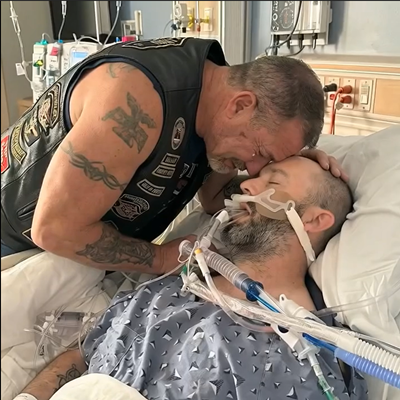
I’m in a cold hospital room, the kind that smells of antiseptic and fear. Machines hum, beep, and hiss around us, doing the work my son’s body can no longer do for itself.

I press my lips to his sweaty forehead, my tears dripping onto the thin hospital sheet, and I remember the last words he ever spoke to me—just three weeks before the accident.

“I wish you really were dead.”

Three weeks ago feels like a lifetime away. Before the call from an unfamiliar number.

Before an ICU nurse looked at me with suspicion when I said, “I’m his father.” According to the paperwork, my son’s father was deceased.
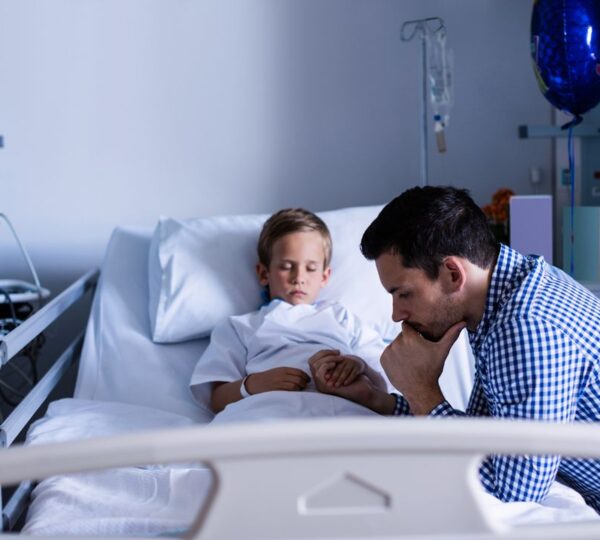
And in that moment, in a hospital that treated me like a stranger, I realized just how much had changed in our lives.

My name is Robert Mitchell. I’m sixty-one, tattooed from my wrists to my elbows, my beard long and gray, reaching to my chest.

My leather vest is older than some of the doctors here.

I’ve been riding motorcycles since I was seventeen, and I’ve never pretended to be anything else.

I built my life on the open road, the roar of engines, the freedom of riding with my brothers. And now I’m here, holding my son’s limp hand while a drunk driver’s recklessness slowly kills him.

The machines tell me what I already know: there is no brain activity. They keep his heart beating only because I haven’t told them to stop yet.

The doctors are waiting for my decision—one I never wanted and never imagined I would face. And yet, I cannot tear my eyes away from him.

Beneath the bruises, the swelling, and the tubes, I see the boy who used to ride on my shoulders, who used to fall asleep against my back on my motorcycle, the boy who begged for a matching tattoo when he was thirteen. My Tyler.

Tyler was born when I was twenty-seven. His mother, Lisa, loved the rebel version of me—the one who lived for the roar of motorcycles and the danger that followed us wherever we went.
But when Tyler arrived, my lifestyle became “irresponsible.” My friends became “bad influences.” My shop, built from scratch, wasn’t a “real job.”

Lisa wanted quiet, predictable, clean-cut, safe. I tried to be that man, but it always felt like I was losing myself. Eventually, it broke us apart.

When Tyler was seven, she left, dragging him into court and claiming I was unfit.

Her lawyer brought in photos of my tattoos, my leather vest, my motorcycle, as if any of that could define the love I had for my son.

The judge granted her primary custody. I got him every other weekend.

She remarried, a dentist with a perfect life. Tyler slowly became part of that world, calling the dentist “Dad” at twelve. And I understood.

I didn’t fight him. I let him live the life he thought he wanted. But every other weekend, he would climb onto the back of my bike.

We would ride, eat greasy diner food, fix engines, and laugh as if nothing had changed.

Until it did.

At sixteen, Tyler got his first girlfriend. Her father, a man who thought wealth equaled wisdom, invited me to a barbecue. I cleaned up, wore nice jeans and a plain shirt, but I refused to hide the vest or shave the beard.

I thought I was being enough. The father looked at me as if I had crawled from the gutter.
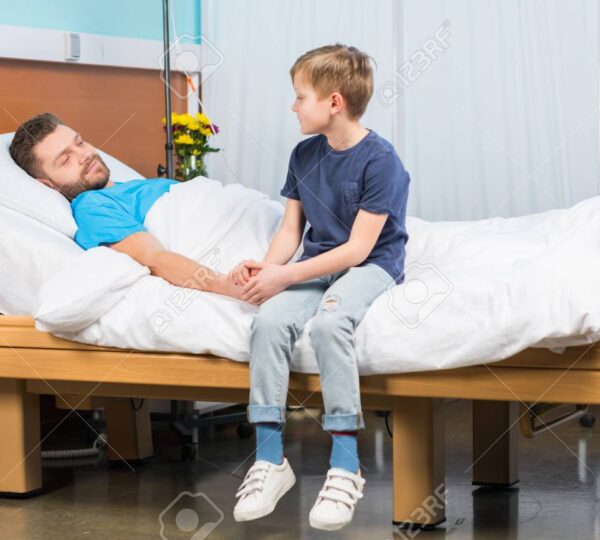
Little boy sitting on hospital bed and looking at sick father, dad and son in hospital

Then, in a whisper I could hear perfectly, he asked Tyler about me. And my boy, my blood, answered:

“He’s not really my father. My real dad is Gregory.”

I left that day without saying goodbye. Rode home in the dark, tears freezing on my cheeks, my heart heavier than I had ever known.

After that, everything fell apart. College applications, social gatherings, friends, even girlfriends—all became walls Tyler built between us. Calls grew shorter.

Visits became rarer. And then, one day, the calls stopped entirely. Three years ago, on his birthday, his wife answered my call and told me Tyler didn’t want contact.

Cards returned unopened, gifts sent back. Social media blocked. I was erased.

Three weeks ago, I tried one last time. Drove to his office in my truck to appear less like the man he had despised. When he saw me, his face went cold.

“What are you doing here?” he asked.

“I want to see you. It’s been three years.”

“I asked you to stop contacting me,” he said.

“I’m your father.”

“You’re not. Gregory’s my father. You’re just some biker my mother dated.”

“That’s not true. I raised you.”

He leaned close and whispered, almost cruelly:

“As far as I’m concerned, you’re dead. I wish you really were.”

Those words shattered me. I left. I almost didn’t survive the drive home. My brothers found me that night and stayed with me, refusing to leave.

Then came the phone call. His wife, trembling:

“There’s been an accident. Tyler’s in critical condition. You should come.”

I rode nearly 850 miles straight, no sleep, no stops. Just the throttle and fear gnawing at my chest.

At the hospital, they tried to turn me away. “Family only,” they said. “His father is listed as dead.”

“I’m his father,” I growled. “I’m Robert Mitchell.”

It took Tyler’s wife, Sarah, to intervene. She quietly guided me into his room, leaving me there with the machines and my son’s fragile body.

Later, she returned with a small revelation. In his home office, she found a box containing every letter, card, and gift I had ever sent him.

Nothing had been thrown away. Every memory, every token, preserved. And among them, a letter Tyler had written just two weeks before the accident.

In it, he confessed his shame, his fear of judgment, his lies about me being dead. He wanted to call, to apologize, to repair everything. And he ended with:

“I love you, Dad. I always did. Even when I pretended I didn’t.”

Those words broke me more than the ICU machines ever could.
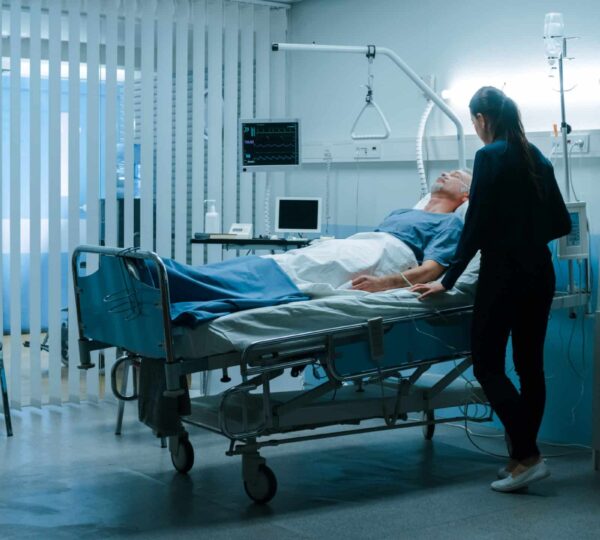
I stayed by his side for three days, holding his hand, talking to him, forgiving him, loving him. Sarah brought my grandchildren, who had never met me.

They asked questions, small and innocent, about the man with tattoos and the long beard.

When it was finally time, I kissed Tyler’s forehead. “I forgive you, son. I love you. I’m here. I’m not dead.

I never was.” Then I told them to turn off the machines. His heart stopped quietly.

At the funeral, the suits and polished shoes stared at the bikers who had come to honor him.

I read Tyler’s letter aloud, told them the truth about our bond, about love, regret, and forgiveness. By the end, everyone was crying.

Now, Sarah and I are raising my grandchildren together. They ride little dirt bikes in my yard.

They ask questions about their dad, about me, about life. One day my grandson said, softly, “Daddy should have been proud of you.”

I smiled. “I think he finally was.”

Tyler erased me from his life. But he kept every memory, every moment hidden, waiting for the right moment to reveal the truth. He didn’t get that moment—but I did.

A father’s love doesn’t die. Not when a son tries to sever it. Not when the world thinks you’re gone. Not even in death.

I wasn’t dead. I was waiting. And I will keep waiting for the day my grandchildren understand the truth:

Their father’s final words weren’t “I wish you were dead.”

They were written in ink, trembling with regret:

“I love you, Dad.”

My son told the world his biker father was dead because he was ashamed of me. And now, I’m the only one standing by his bedside as he slowly dies.

I’m in a cold hospital room, the kind that smells of antiseptic and fear. Machines hum, beep, and hiss around us, doing the work my son’s body can no longer do for itself.

I press my lips to his sweaty forehead, my tears dripping onto the thin hospital sheet, and I remember the last words he ever spoke to me—just three weeks before the accident.

“I wish you really were dead.”

Three weeks ago feels like a lifetime away. Before the call from an unfamiliar number.

Before an ICU nurse looked at me with suspicion when I said, “I’m his father.” According to the paperwork, my son’s father was deceased.

And in that moment, in a hospital that treated me like a stranger, I realized just how much had changed in our lives.

My name is Robert Mitchell. I’m sixty-one, tattooed from my wrists to my elbows, my beard long and gray, reaching to my chest.

My leather vest is older than some of the doctors here.

I’ve been riding motorcycles since I was seventeen, and I’ve never pretended to be anything else.

I built my life on the open road, the roar of engines, the freedom of riding with my brothers. And now I’m here, holding my son’s limp hand while a drunk driver’s recklessness slowly kills him.

The machines tell me what I already know: there is no brain activity. They keep his heart beating only because I haven’t told them to stop yet.

The doctors are waiting for my decision—one I never wanted and never imagined I would face. And yet, I cannot tear my eyes away from him.

Beneath the bruises, the swelling, and the tubes, I see the boy who used to ride on my shoulders, who used to fall asleep against my back on my motorcycle, the boy who begged for a matching tattoo when he was thirteen. My Tyler.

Tyler was born when I was twenty-seven. His mother, Lisa, loved the rebel version of me—the one who lived for the roar of motorcycles and the danger that followed us wherever we went.

But when Tyler arrived, my lifestyle became “irresponsible.” My friends became “bad influences.” My shop, built from scratch, wasn’t a “real job.”

Lisa wanted quiet, predictable, clean-cut, safe. I tried to be that man, but it always felt like I was losing myself. Eventually, it broke us apart.

When Tyler was seven, she left, dragging him into court and claiming I was unfit.

Her lawyer brought in photos of my tattoos, my leather vest, my motorcycle, as if any of that could define the love I had for my son.

The judge granted her primary custody. I got him every other weekend.

She remarried, a dentist with a perfect life. Tyler slowly became part of that world, calling the dentist “Dad” at twelve. And I understood.

I didn’t fight him. I let him live the life he thought he wanted. But every other weekend, he would climb onto the back of my bike.

We would ride, eat greasy diner food, fix engines, and laugh as if nothing had changed.

Until it did.

At sixteen, Tyler got his first girlfriend. Her father, a man who thought wealth equaled wisdom, invited me to a barbecue. I cleaned up, wore nice jeans and a plain shirt, but I refused to hide the vest or shave the beard.

I thought I was being enough. The father looked at me as if I had crawled from the gutter.

Little boy sitting on hospital bed and looking at sick father, dad and son in hospital

Then, in a whisper I could hear perfectly, he asked Tyler about me. And my boy, my blood, answered:

“He’s not really my father. My real dad is Gregory.”

I left that day without saying goodbye. Rode home in the dark, tears freezing on my cheeks, my heart heavier than I had ever known.

After that, everything fell apart. College applications, social gatherings, friends, even girlfriends—all became walls Tyler built between us. Calls grew shorter.

Visits became rarer. And then, one day, the calls stopped entirely. Three years ago, on his birthday, his wife answered my call and told me Tyler didn’t want contact.

Cards returned unopened, gifts sent back. Social media blocked. I was erased.

Three weeks ago, I tried one last time. Drove to his office in my truck to appear less like the man he had despised. When he saw me, his face went cold.

“What are you doing here?” he asked.

“I want to see you. It’s been three years.”

“I asked you to stop contacting me,” he said.

“I’m your father.”

“You’re not. Gregory’s my father. You’re just some biker my mother dated.”

“That’s not true. I raised you.”

He leaned close and whispered, almost cruelly:

“As far as I’m concerned, you’re dead. I wish you really were.”

Those words shattered me. I left. I almost didn’t survive the drive home. My brothers found me that night and stayed with me, refusing to leave.

Then came the phone call. His wife, trembling:

“There’s been an accident. Tyler’s in critical condition. You should come.”

I rode nearly 850 miles straight, no sleep, no stops. Just the throttle and fear gnawing at my chest.

At the hospital, they tried to turn me away. “Family only,” they said. “His father is listed as dead.”

“I’m his father,” I growled. “I’m Robert Mitchell.”

It took Tyler’s wife, Sarah, to intervene. She quietly guided me into his room, leaving me there with the machines and my son’s fragile body.

Later, she returned with a small revelation. In his home office, she found a box containing every letter, card, and gift I had ever sent him.

Nothing had been thrown away. Every memory, every token, preserved. And among them, a letter Tyler had written just two weeks before the accident.

In it, he confessed his shame, his fear of judgment, his lies about me being dead. He wanted to call, to apologize, to repair everything. And he ended with:

“I love you, Dad. I always did. Even when I pretended I didn’t.”

Those words broke me more than the ICU machines ever could.

I stayed by his side for three days, holding his hand, talking to him, forgiving him, loving him. Sarah brought my grandchildren, who had never met me.

They asked questions, small and innocent, about the man with tattoos and the long beard.

When it was finally time, I kissed Tyler’s forehead. “I forgive you, son. I love you. I’m here. I’m not dead.

I never was.” Then I told them to turn off the machines. His heart stopped quietly.

At the funeral, the suits and polished shoes stared at the bikers who had come to honor him.

I read Tyler’s letter aloud, told them the truth about our bond, about love, regret, and forgiveness. By the end, everyone was crying.

Now, Sarah and I are raising my grandchildren together. They ride little dirt bikes in my yard.

They ask questions about their dad, about me, about life. One day my grandson said, softly, “Daddy should have been proud of you.”

I smiled. “I think he finally was.”

Tyler erased me from his life. But he kept every memory, every moment hidden, waiting for the right moment to reveal the truth. He didn’t get that moment—but I did.

A father’s love doesn’t die. Not when a son tries to sever it. Not when the world thinks you’re gone. Not even in death.

I wasn’t dead. I was waiting. And I will keep waiting for the day my grandchildren understand the truth:

Their father’s final words weren’t “I wish you were dead.”

They were written in ink, trembling with regret:

“I love you, Dad.”