
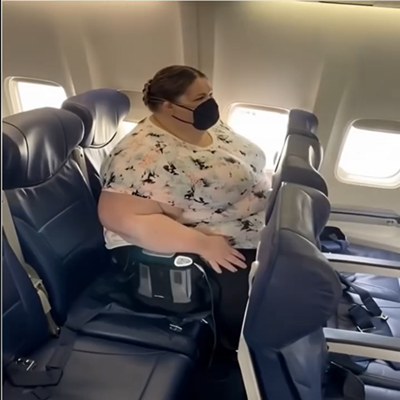
Air travel, for many people, is a routine, even mundane part of life. Boarding, going through security, and waiting in crowded terminals are familiar experiences for anyone who flies regularly.
But for passengers like me — someone who is heavier than the average traveler — flying often presents a unique set of challenges that most people don’t even consider.
Over the years, I’ve learned to navigate the experience, balancing comfort, dignity, and the rights of others. One of the strategies I rely on is purchasing two airplane seats for every flight.
This is not something I do lightly — it is an intentional choice made to protect my personal space, maintain my dignity, and ensure that other passengers are not inconvenienced by my need for extra room.
The Reality of Airline Seating for Larger Passengers
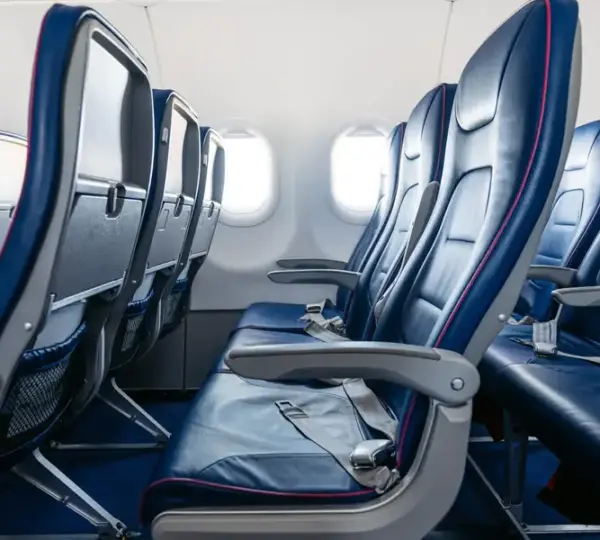
Airplane seats, particularly on commercial flights, are designed with narrow dimensions that barely accommodate the average adult.
According to the International Air Transport Association (IATA), the standard economy class seat width ranges from 17 to 18 inches on most major airlines.
For passengers who are larger than average, this is often insufficient. Sitting in a standard seat can be uncomfortable at best and painful at worst.
Not only does it restrict movement, but it can also cause stress and anxiety about encroaching on a neighboring passenger’s space.
For years, I struggled with these limitations, often feeling embarrassed or apologetic when my body pressed into the adjacent seat. This was not only physically uncomfortable but emotionally draining.
The simple act of trying to rest, read, or watch a movie on a flight became stressful, as I constantly worried about invading someone else’s personal space.
After experiencing this repeatedly, I made the decision to purchase an additional seat. By buying both the window seat and the adjacent one, I could create a buffer that allowed me to sit comfortably without affecting anyone else.
The Strategy: Buying Two Seats
Buying an extra seat is not a cheap solution, but it is one that has provided immense peace of mind. Over the years, I have flown across the United States, Europe, and Asia using this strategy.
Most flights went smoothly: I could rest, work, or enjoy in-flight entertainment without worrying about being crowded or feeling anxious.
The additional seat also made it easier to manage personal items, such as laptops, bags, or jackets, which often end up squeezed awkwardly into the tiny space provided by standard airplane seating.
The choice to pay for two seats is not about indulgence or entitlement; it is a pragmatic solution to a very real problem.
Airlines, while increasingly aware of the needs of larger passengers, have yet to universally implement wider seating or more accommodating options. Until then, purchasing a second seat remains one of the most effective ways to ensure a dignified flying experience.
A Disruptive Incident: My Recent Flight Experience
Despite my preparation and careful planning, a recent flight challenged my approach and taught me a deeper lesson about empathy, communication, and personal boundaries.
I had booked two seats, as I always do: the window seat for myself and the seat beside it, ensuring sufficient space to sit comfortably and avoid any awkward interactions with neighboring passengers.
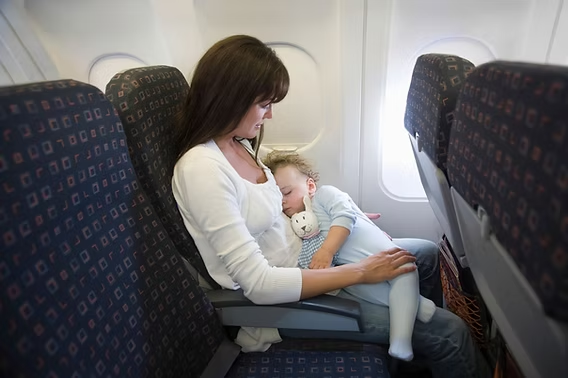
The flight was routine — until a woman with a young child approached and placed her child in the seat I had purchased without asking.
I was taken aback. For a moment, my instinct was to react emotionally, but I reminded myself to remain composed. I politely said, “Excuse me, ma’am, but I purchased this seat as well.
I need it for personal reasons.” This is a truth I have learned to communicate clearly, calmly, and respectfully over many flights. However, the woman immediately protested loudly, claiming that it was unfair for one person to occupy two seats while her child needed one.
The cabin’s atmosphere changed quickly. Other passengers glanced over, whispering among themselves. I could feel the tension mounting, yet I kept my composure.
I understood her frustration — traveling with children is difficult, and finding space on an airplane can feel stressful — but the fact remained that I had legally purchased the seat.
Handling the Situation Calmly
I took a deep breath and spoke again, maintaining a calm and assertive tone: “I understand that traveling with a child can be stressful, but I have paid for both seats. I truly need the space.” My goal was not to escalate the situation but to assert my rights while remaining empathetic to her perspective.
Unfortunately, she refused to move her child, which left me with little choice but to call over a flight attendant.
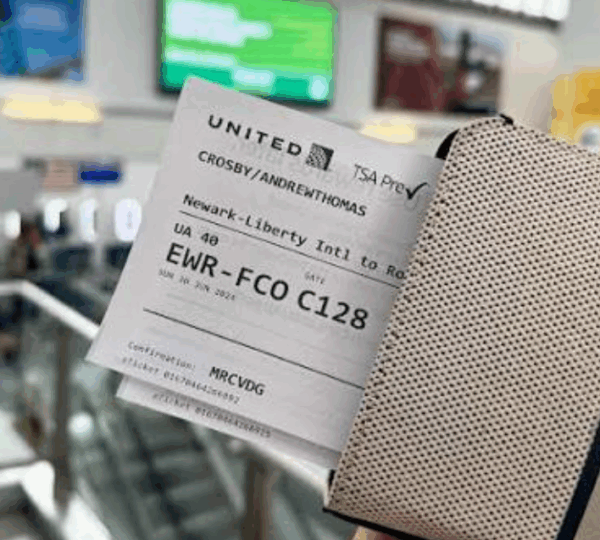
When the attendant arrived, I calmly explained the situation, showing proof of purchase for both seats. The attendant listened carefully and then addressed the woman with both kindness and firmness, explaining that I was within my rights.
After a few minutes, the woman reluctantly accepted the guidance and moved to find another seat for her child.
The cabin atmosphere returned to normal, and I sat back, feeling a wave of relief. The incident, while stressful, reinforced the importance of preparation, clear communication, and remaining calm under pressure.
Reflections on Empathy and Boundaries
This experience reminded me of something fundamental: empathy is a two-way street. Traveling, particularly by plane, is challenging for everyone — families with children, frequent business travelers, and those with physical limitations all face unique difficulties.
While it’s essential to consider the needs of others, it is equally important to assert personal boundaries respectfully.
Buying an extra seat is not simply a luxury; it is a method of ensuring dignity for myself while minimizing potential conflicts with others.
Without that extra space, I would have been physically uncomfortable and likely more vulnerable to judgment or misunderstanding from my fellow passengers. By taking proactive measures, I could protect my own well-being while respecting the needs of those around me.
The Broader Implications for Airline Travel
My experience reflects a broader issue in commercial aviation: the lack of accommodations for larger passengers. While airlines have introduced options such as premium economy seating, wider seats, and additional legroom, these solutions often come at a high cost and are not always sufficient.
Many passengers, particularly those in the overweight category, find themselves caught between limited space and social pressure.
In addition to physical discomfort, there is also a psychological impact. Being forced to sit in a cramped seat, feeling the need to apologize for one’s body, or being judged by other passengers can create stress and anxiety.
For frequent travelers like myself, these experiences accumulate, making flying an exhausting endeavor rather than a routine journey.
Practical Advice for Larger Passengers
Over the years, I’ve developed several strategies for traveling more comfortably:
-
Purchase an extra seat when possible: As discussed, this is the most effective way to guarantee personal space.
-
Choose the right airline and aircraft: Some airlines provide more generous seat widths and legroom. Researching the aircraft layout in advance can make a significant difference.
-
Request seating accommodations discreetly: Calling the airline ahead of time to explain your needs can prevent misunderstandings during boarding.
-
Bring compact personal items: Minimize items that take up additional space in the seat area to ensure comfort and avoid obstructing neighboring passengers.
-
Communicate calmly when conflicts arise: If another passenger attempts to use a purchased seat, assert your rights politely and involve flight attendants if necessary.
These measures not only improve comfort but also help avoid potential conflict, as I experienced on my recent flight.
A Lesson in Respect and Humanity
Perhaps the most important takeaway from my experience is the lesson in empathy and mutual respect. While I had every right to the seat I purchased, the woman with the child was also facing a stressful situation.
By remaining calm and involving airline staff professionally, the situation was resolved without escalating to conflict. This balance — asserting one’s rights while acknowledging the challenges of others — is essential for fostering a civil and respectful travel environment.
Traveling can be a microcosm of society at large: different people with different needs must coexist in confined spaces.
Whether it’s on a plane, in public transportation, or at crowded events, empathy, clear communication, and patience go a long way toward minimizing stress for everyone involved.
Reflections on Dignity and Personal Comfort
For me, buying an extra seat is about more than comfort — it is about protecting personal dignity. Feeling safe, respected, and at ease while traveling is essential for mental well-being.
In an era where airlines are increasingly packed and seats are shrinking, larger passengers must take proactive steps to safeguard their space.
This experience also reinforced the importance of self-advocacy. By calmly asserting my right to the seat I purchased, I modeled behavior that prioritizes self-respect while remaining considerate of others.
The presence of airline staff ensured fairness, and the resolution demonstrated that policies designed to protect passengers can be applied successfully when handled professionally.
Conclusion: Flying with Confidence and Empathy
Air travel is a shared experience, and passengers of all sizes face challenges. For those like me who are larger than average, navigating cramped seating requires foresight, patience, and, occasionally, the purchase of an extra seat. While this is not the most cost-effective solution, it ensures comfort, dignity, and respect for oneself and others.
My recent experience on the flight — encountering a conflict with a mother and child — reminded me that empathy must be reciprocal.
Traveling is stressful for everyone, but clear communication, calm assertiveness, and adherence to airline policies can prevent misunderstandings. By advocating for oneself respectfully, it is possible to travel safely, comfortably, and without shame.
Ultimately, the experience reaffirmed my belief in the importance of personal boundaries, preparation, and compassion. Flying may never be perfect for larger passengers, but with the right strategies and mindset, it can be dignified, manageable, and even enjoyable.
Buying an extra seat is not just a personal choice — it is a declaration that all passengers, regardless of size, deserve a safe and respectful journey.
And while the incident with the woman and her child was stressful in the moment, it became a valuable lesson in empathy, patience, and the importance of standing up for one’s needs in a considerate way. For anyone facing similar challenges, my advice is simple: plan ahead, advocate calmly, and travel with dignity.
