
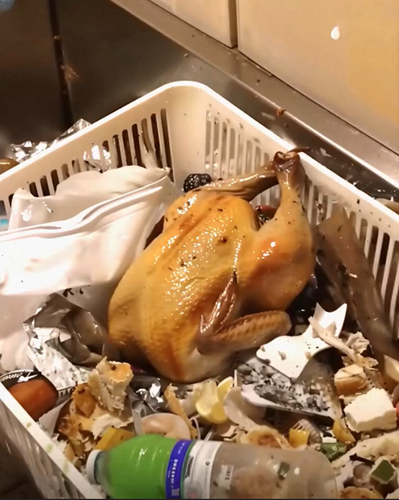
I had spent the entire day preparing a special dinner for my husband, Neil. It wasn’t an anniversary. It wasn’t a birthday.
There was no milestone to celebrate. In fact, that was precisely why I wanted to do it. The past few weeks had felt distant. We had both been busy, but it was more than that.
Conversations had grown shorter, silences had grown longer, and the small gestures that once held us together seemed to have quietly disappeared. I wanted to bring something warm back into our home. Something intentional. So I decided to cook.
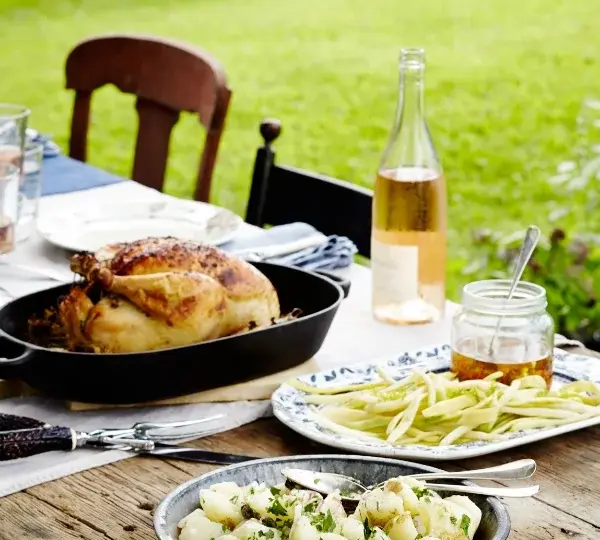
It wasn’t anything extravagant — just a simple roast chicken with lemon and herbs, paired with orzo tossed in olive oil, garlic, and fresh parsley. Comfort food. Familiar.
The kind of meal that fills a home with a gentle, welcoming aroma. I started early, seasoning the chicken carefully, letting it marinate while I tidied the house.
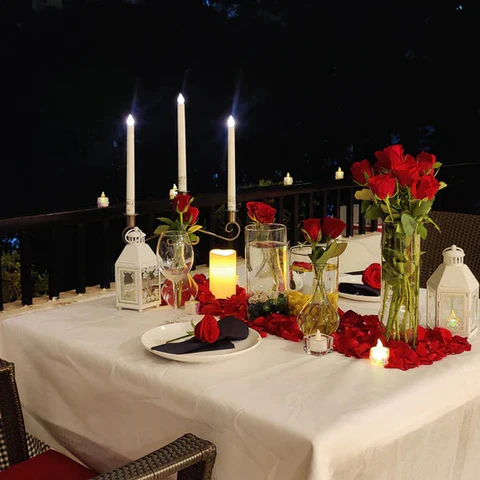
I set the table with our best plates — the ones we used only when guests came over. I placed two candles in the center and dimmed the lights slightly. I even changed into a dress Neil once said he liked.
As the chicken roasted, the scent filled the kitchen. I remember standing there, watching through the oven glass, feeling hopeful. Not because of the meal itself — but because it represented effort. It represented love. It represented my desire to reconnect.
By the time I heard the garage door open, everything was ready. The table was set. The food was plated. The candles were lit.
When Neil walked in, I smiled.
He didn’t.
He stepped into the kitchen, looked at the table, then at the stove. There was no expression of surprise, no warmth in his eyes. Without saying hello, without asking about my day, he walked straight to the counter where the chicken rested.
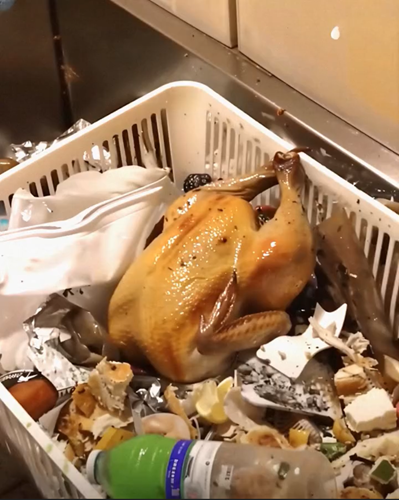
And then, without warning, he picked up the dish and dumped it into the trash.
The sound was abrupt — ceramic against metal, food hitting plastic. I stood frozen, unable to process what had just happened.
“You’ll thank me later,” he said flatly.
I stared at him.
“The chicken’s been out too long. It’s not safe. You’re careless sometimes.”
Careless.
The word echoed in my mind.
I knew it wasn’t true. I had timed everything carefully. The chicken had been in the oven until just before he arrived. It hadn’t been sitting out for hours.
I had been attentive — almost obsessively so — because I knew how particular he could be. I had double-checked the temperature. I had been careful.
This wasn’t about food safety.
It was about something else.
It was about control.
For years, there had been little comments. Quiet corrections. Subtle disapprovals.
“You’re wearing that?”
“Why would you say it like that?”
“You overcooked this.”
“You under-seasoned that.”
“You’re too sensitive.”
“You’re overreacting.”
Each statement small on its own. Each one easy to dismiss. But over time, they accumulated. Like water wearing down stone. Slowly. Quietly. Persistently.
I hadn’t noticed how much I had changed.
I second-guessed my clothing choices. I edited myself mid-sentence. I avoided inviting friends over because I feared something wouldn’t be perfect enough. I apologized constantly — even when I didn’t know what I had done wrong.

Standing in that kitchen, watching my effort thrown away as if it were nothing, I felt something shift inside me.
I didn’t scream.
I didn’t cry.
I didn’t argue.
I simply turned off the oven light, walked to the living room, and ordered a pizza.
We ate separately that night. He in front of the television. Me at the table set for two.
The candles burned all the way down.
And somewhere between the first and last bite, I realized something: this life I was living wasn’t the life I deserved.
It wasn’t about a chicken.
It was about dignity.
It was about feeling small in my own home.
It was about walking on eggshells.
It was about love feeling like fear instead of safety.
The next morning, I woke up with a clarity that surprised me. My chest felt heavy, but my mind felt steady. I called a lawyer.
Filing for divorce wasn’t dramatic. There was no shouting. No broken plates. Just paperwork. Signatures. Quiet logistics.
When Neil told people why we were separating, he laughed.
“It was over a chicken,” he would say, shaking his head as if it were ridiculous.
People chuckled.
But they didn’t see the years behind that moment.
They didn’t see the accumulation of dismissal. The erosion of confidence. The way I had slowly become smaller in my own life.
Leaving wasn’t impulsive.
It was the result of finally recognizing a pattern.
The months that followed were not easy. Divorce is rarely simple, even when it’s necessary. There were legal meetings. Financial discussions. Emotional aftershocks.
There were nights when I questioned myself.
Was I overreacting?
Was I too sensitive?
But then I would remember the trash can. The look in his eyes. The cold certainty in his voice. And I would remember how small I felt.
Healing didn’t happen overnight.
At first, my apartment felt too quiet. I had to relearn how to make decisions without anticipating criticism. I bought a bright yellow throw pillow simply because I liked it. No one told me it was too bold. I cooked meals and left leftovers in the fridge without anxiety.
Slowly, I began to rediscover who I was.
I reconnected with friends I hadn’t seen in years. I started therapy. I took long walks in the evenings and listened to music without worrying if it was too loud.
And then, months later, I met Theo.
It wasn’t dramatic. No grand entrance. No cinematic moment. We met through mutual friends at a small gathering. He was kind. Observant. He listened more than he spoke.
When he asked questions, they felt genuine.
When he complimented me, it felt effortless.
The first time I cooked for him, I felt a flicker of nervousness. Old habits linger. I worried about seasoning. Presentation. Timing.
But when I placed the plate in front of him, he smiled — a real smile. Warm. Grateful.
“This looks amazing,” he said.
And he meant it.
One night, months into our relationship, something unexpected happened. We had roasted a chicken together — laughing, experimenting with spices, making a small mess in the kitchen.
After dinner, we got distracted watching a movie and forgot the leftovers on the counter. Hours later, we realized our mistake. I felt a familiar pang of panic.
Theo walked into the kitchen, lifted the lid, sniffed, and shrugged. “Well,” he said, laughing softly, “guess we’re ordering takeout.” No blame. No accusation.
No criticism.
Just acceptance.
We ordered Thai food and ate it straight from the containers on the couch.
And I felt tears well up — not because of the spoiled chicken, but because of the contrast.
Love did not have to feel sharp.
It did not have to feel conditional.
It did not have to come with fear.
In that small moment, I saw how far I had come.
I was building a new life — one where my effort was valued, not scrutinized. Where mistakes were human, not moral failures. Where laughter replaced tension.
Theo is not perfect. Neither am I. But our relationship is rooted in respect. In partnership. In mutual care.
We talk through disagreements.
We apologize when necessary.
We support each other’s growth.
Most importantly, I feel safe.
Looking back, I see that night with Neil as a breaking point — painful but necessary. Sometimes it takes a single, unmistakable moment to illuminate years of quiet discomfort.
That chicken was not the cause of my divorce.
It was the catalyst.
It was the moment I stopped minimizing my own pain.
Healing from years of subtle emotional wear takes time. I still occasionally catch myself bracing for criticism that never comes. I still sometimes apologize for things that require no apology.
But I am learning.
I am learning that love should not shrink you.
It should expand you.
It should make you feel seen.
It should make you feel valued.
The road ahead will not always be smooth. Growth rarely is. But for the first time in a long time, I feel grounded in myself.
I know I am worthy of kindness.
I know I deserve respect.
I know that partnership means encouragement, not control.
This chapter of my life is about more than romantic love. It is about self-respect. About boundaries. About choosing peace over tension.
It is about trusting my instincts when something feels wrong.
It is about recognizing that small moments often reveal big truths.
I no longer measure my worth by someone else’s approval.
I no longer accept criticism disguised as care.
And I will never again allow myself to be diminished in my own home.
The table I set now — whether for one or for two — feels different.
It feels like mine.
And that makes all the difference.
