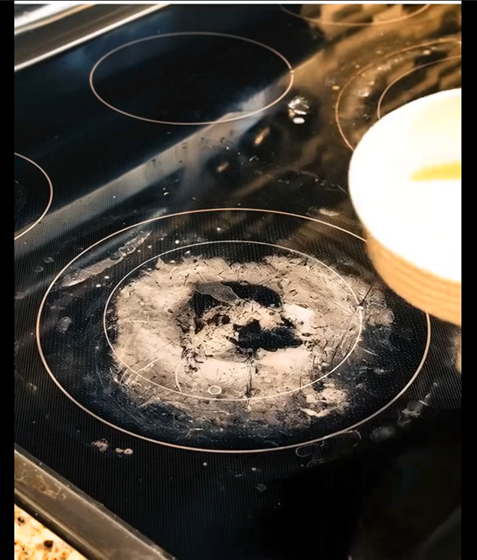
My Glass Cooktop Looks Terrible and Could Be Damaged — How Should I Handle It?
For many households, the kitchen is more than just a place to cook—it’s the heart of the home. It’s where the aroma of morning coffee fills the air.
Where Sunday dinners bring family together, and where conversations unfold naturally as pots simmer and recipes come to life.
For seniors and anyone who spends time preparing meals at home, a clean and functional kitchen isn’t just about aesthetics—it’s also about safety, comfort, and enjoying the process of cooking without unnecessary stress or hazards.
Modern glass and ceramic stove tops have become a popular choice in many homes for their sleek design and efficiency. However, they require careful maintenance to stay both beautiful and safe.
Unlike traditional coil burners, glass cooktops reveal every spill, scorch mark, and scratch, and neglecting them can lead to permanent damage.
The good news is that with proper cleaning, preventive habits, and attention to early wear, your glass stove top can remain a functional and visually appealing centerpiece in your kitchen for many years.
This guide covers everything you need to know about understanding, cleaning, repairing, and protecting your glass or induction stove top, with tips specifically designed to help seniors and anyone looking to maintain a safe and efficient cooking environment.
Why Glass Stove Tops Are So Popular
Glass stove tops, whether ceramic or induction, have become increasingly common in modern kitchens. Their popularity comes from several advantages:
Sleek and modern design: The smooth, glossy surface enhances the look of any kitchen, complementing countertops, cabinetry, and appliances.
Efficient heating: Induction cooktops, in particular, heat pots and pans directly using electromagnetic energy, meaning water boils faster and less energy is wasted.
Ease of cleaning: Smooth surfaces wipe clean much more easily than traditional coil burners, though they require careful handling to avoid scratches.
Extra counter space: When not in use, a flat glass cooktop can double as a convenient surface for prep work.
For seniors, these features are especially valuable. A cooktop that heats quickly reduces time spent handling heavy pots, and a smooth surface reduces the effort required to clean and maintain it.
However, despite these benefits, glass cooktops are delicate. Scratches, discoloration, chips, and cracks can occur if the surface isn’t treated with care, and improper use can lead to functional issues or even safety hazards.
How to Spot Damage on Your Glass Stove Top
Understanding the difference between normal wear-and-tear and actual damage is crucial before attempting any cleaning or repair. Here’s what to look for:
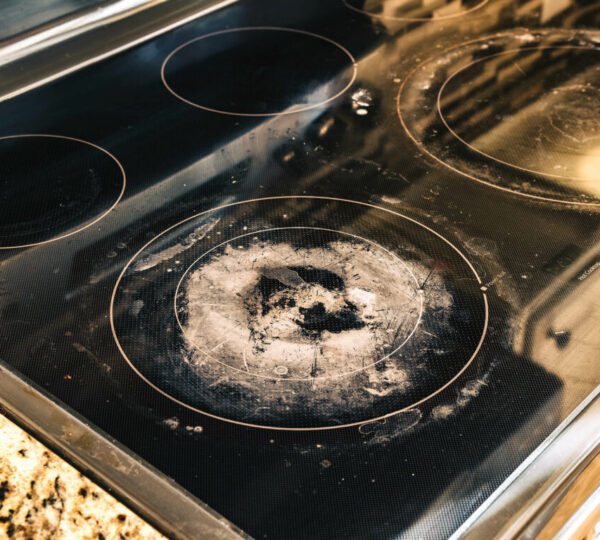
Scratches: Minor surface scratches are common and often only cosmetic. Deeper scratches, however, can compromise the smoothness of the cooking area and potentially grow worse over time.
Cracks or chips: Even tiny cracks or chips weaken the glass and can expand under heat, posing a serious safety risk.
Stains or discoloration: White rings, cloudy spots, or burnt marks may be permanent if ignored but are often treatable with proper cleaning.
Uneven heating or buzzing sounds: If pans don’t heat evenly or you hear unusual noises, this could indicate a problem with the heating elements or electrical components beneath the glass.
Tip: Always start with a thorough cleaning before assuming the surface is damaged. Many issues that look like scratches or stains are often just stubborn food residue or mineral buildup.
Assessing the Severity of Damage
Once your cooktop is clean, carefully inspect it:
Minor scratches or light stains: These usually don’t affect performance and can often be polished out.
Deep cracks or chips: These are red flags. Even if the stove still functions, the structural integrity is compromised, and further damage could occur suddenly.
Persistent discoloration: While not immediately dangerous, persistent stains or heat marks can indicate repeated overheating or improper cookware usage.
Malfunctioning heating zones: If one or more burners aren’t heating correctly, professional evaluation is recommended.
When to Call a Professional
Some stove problems require the expertise of a technician. You should call a professional if:
The glass is cracked or chipped.
Heating elements are unresponsive or uneven.
There are electrical issues, sparking, or unusual sounds.
Multiple burners are affected.
Even if your stove appears functional, cooking on cracked or structurally compromised glass can be dangerous. A professional can determine whether repair is possible or if replacement is the safer choice.
Safe and Effective Cleaning Tips
Regular cleaning is the best way to maintain your glass stove top. Follow these steps to protect both appearance and functionality:
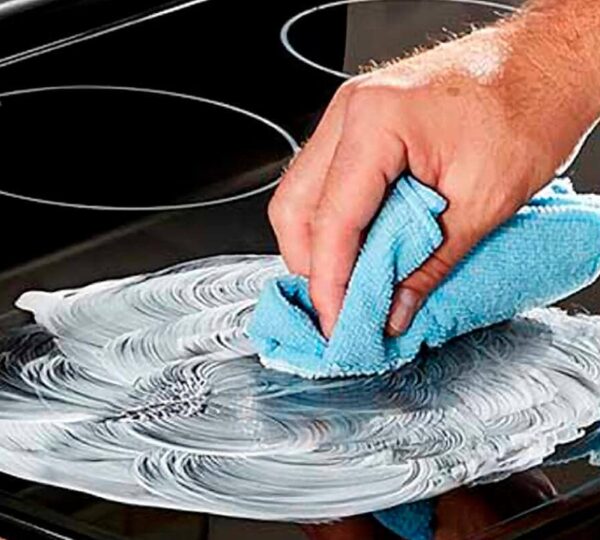
Daily Wipe-Down: After the stove cools, use a damp microfiber cloth with mild dish soap. This removes grease and prevents buildup without scratching the surface.
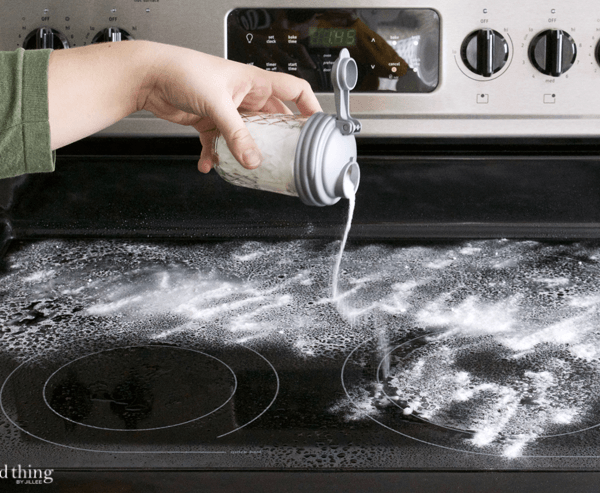
Stubborn Stains: Create a paste using baking soda and water. Apply to the stain and allow it to sit for 10–15 minutes before gently scrubbing with a non-abrasive pad.
Specialized Cleaners: Commercial glass stove top cleaners polish the surface, remove stains, and leave a streak-free shine.
Razor Blade Scraper: For hardened, burnt-on messes, hold the blade at a 45-degree angle and carefully scrape residue. Only use this method on a cooled surface and take your time to avoid scratches.
Rinse and Buff: Finish by wiping with a damp cloth and buffing with a soft towel to restore shine.
Common Mistakes to Avoid
Knowing what not to do is as important as cleaning itself:
Avoid steel wool or abrasive pads—they scratch instantly.
Never spray glass cleaner directly onto a hot surface.
Clean up sugary spills quickly; caramel or jam can etch the glass if left to harden.
Lift pots instead of sliding them to prevent scratching.
Avoid placing hot lids or heavy cookware on the surface, which can create suction and crack the glass.
DIY Repair for Minor Damage
Some light scratches or tiny chips can be repaired at home:
Scratch repair kits: Available at hardware stores, these include polishing compounds and buffing pads. They can reduce the appearance of scratches but cannot fully remove deep damage.
Clear epoxy for chips: Fills small chips to prevent them from spreading. Make sure the stove is clean and cool before applying.
Polishing creams: Specialized for ceramic and glass cooktops, these can restore shine and reduce minor blemishes.
Important: If you’re unsure about any repair, it’s safer to consult a professional. A small DIY repair is not worth risking damage to a costly appliance.
Preventing Future Damage
Maintaining your cooktop requires daily habits:
Use proper cookware: Flat-bottomed pots and pans distribute heat evenly. Avoid rough or warped bottoms.
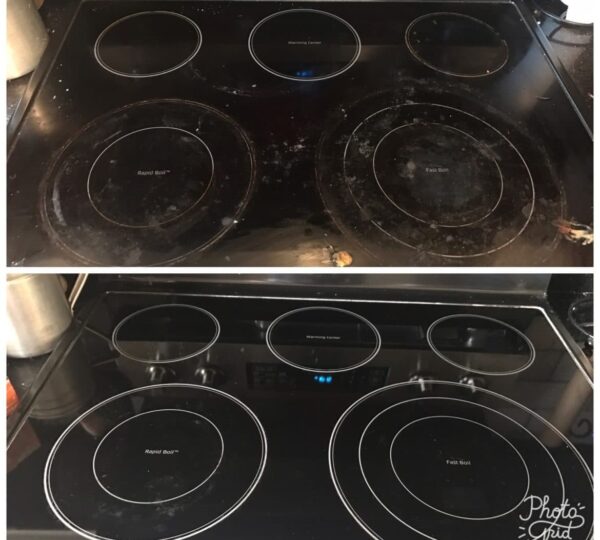
Lift, don’t slide: Sliding cookware can grind grit into the glass and create scratches.
Wipe spills immediately: Acidic or sugary spills can etch the surface permanently if left.
Burner covers: Protect the surface when not in use and add a layer of safety.
Check cookware regularly: Remove stuck-on residue or sand down rough spots before cooking.
When It’s Time to Replace
Even with proper care, sometimes replacement is the best option:
A large crack spans the glass.
Repair costs exceed half the price of a new stove.
Frequent electrical or heating issues occur.
The appliance is nearing 10–15 years old.
Modern induction and ceramic cooktops are often safer, more efficient, and easier to maintain than older units. While the initial investment may seem high, a new stove can save time, energy, and stress in the long run.
Protecting Both Beauty and Function
Glass stove tops combine elegance with utility, but their sleek design demands careful attention. The key to longevity is regular cleaning, prompt attention to early signs of wear, and the adoption of preventive habits.
By understanding the difference between dirt, minor wear, and true damage, you can take steps that ensure your stove remains both beautiful and safe for years.
Remember: a clean stove isn’t just aesthetically pleasing—it’s safer, more efficient, and makes cooking an enjoyable, stress-free experience.
With proper care, your glass or induction stove top can continue to be the centerpiece of your kitchen, ready to handle every family meal, holiday gathering, or quiet evening cooking session.
For many households, the kitchen is more than just a place to cook—it’s the heart of the home. It’s where the aroma of morning coffee fills the air.
Where Sunday dinners bring family together, and where conversations unfold naturally as pots simmer and recipes come to life.
For seniors and anyone who spends time preparing meals at home, a clean and functional kitchen isn’t just about aesthetics—it’s also about safety, comfort, and enjoying the process of cooking without unnecessary stress or hazards.
Modern glass and ceramic stove tops have become a popular choice in many homes for their sleek design and efficiency. However, they require careful maintenance to stay both beautiful and safe.
Unlike traditional coil burners, glass cooktops reveal every spill, scorch mark, and scratch, and neglecting them can lead to permanent damage.
The good news is that with proper cleaning, preventive habits, and attention to early wear, your glass stove top can remain a functional and visually appealing centerpiece in your kitchen for many years.
This guide covers everything you need to know about understanding, cleaning, repairing, and protecting your glass or induction stove top, with tips specifically designed to help seniors and anyone looking to maintain a safe and efficient cooking environment.
Why Glass Stove Tops Are So Popular
Glass stove tops, whether ceramic or induction, have become increasingly common in modern kitchens. Their popularity comes from several advantages:
Sleek and modern design: The smooth, glossy surface enhances the look of any kitchen, complementing countertops, cabinetry, and appliances.
Efficient heating: Induction cooktops, in particular, heat pots and pans directly using electromagnetic energy, meaning water boils faster and less energy is wasted.
Ease of cleaning: Smooth surfaces wipe clean much more easily than traditional coil burners, though they require careful handling to avoid scratches.
Extra counter space: When not in use, a flat glass cooktop can double as a convenient surface for prep work.
For seniors, these features are especially valuable. A cooktop that heats quickly reduces time spent handling heavy pots, and a smooth surface reduces the effort required to clean and maintain it.
However, despite these benefits, glass cooktops are delicate. Scratches, discoloration, chips, and cracks can occur if the surface isn’t treated with care, and improper use can lead to functional issues or even safety hazards.
How to Spot Damage on Your Glass Stove Top
Understanding the difference between normal wear-and-tear and actual damage is crucial before attempting any cleaning or repair. Here’s what to look for:
Scratches: Minor surface scratches are common and often only cosmetic. Deeper scratches, however, can compromise the smoothness of the cooking area and potentially grow worse over time.
Cracks or chips: Even tiny cracks or chips weaken the glass and can expand under heat, posing a serious safety risk.
Stains or discoloration: White rings, cloudy spots, or burnt marks may be permanent if ignored but are often treatable with proper cleaning.
Uneven heating or buzzing sounds: If pans don’t heat evenly or you hear unusual noises, this could indicate a problem with the heating elements or electrical components beneath the glass.
Tip: Always start with a thorough cleaning before assuming the surface is damaged. Many issues that look like scratches or stains are often just stubborn food residue or mineral buildup.
Assessing the Severity of Damage
Once your cooktop is clean, carefully inspect it:
Minor scratches or light stains: These usually don’t affect performance and can often be polished out.
Deep cracks or chips: These are red flags. Even if the stove still functions, the structural integrity is compromised, and further damage could occur suddenly.
Persistent discoloration: While not immediately dangerous, persistent stains or heat marks can indicate repeated overheating or improper cookware usage.
Malfunctioning heating zones: If one or more burners aren’t heating correctly, professional evaluation is recommended.
When to Call a Professional
Some stove problems require the expertise of a technician. You should call a professional if:
The glass is cracked or chipped.
Heating elements are unresponsive or uneven.
There are electrical issues, sparking, or unusual sounds.
Multiple burners are affected.
Even if your stove appears functional, cooking on cracked or structurally compromised glass can be dangerous. A professional can determine whether repair is possible or if replacement is the safer choice.
Safe and Effective Cleaning Tips
Regular cleaning is the best way to maintain your glass stove top. Follow these steps to protect both appearance and functionality:
Daily Wipe-Down: After the stove cools, use a damp microfiber cloth with mild dish soap. This removes grease and prevents buildup without scratching the surface.
Stubborn Stains: Create a paste using baking soda and water. Apply to the stain and allow it to sit for 10–15 minutes before gently scrubbing with a non-abrasive pad.
Specialized Cleaners: Commercial glass stove top cleaners polish the surface, remove stains, and leave a streak-free shine.
Razor Blade Scraper: For hardened, burnt-on messes, hold the blade at a 45-degree angle and carefully scrape residue. Only use this method on a cooled surface and take your time to avoid scratches.
Rinse and Buff: Finish by wiping with a damp cloth and buffing with a soft towel to restore shine.
Common Mistakes to Avoid
Knowing what not to do is as important as cleaning itself:
Avoid steel wool or abrasive pads—they scratch instantly.
Never spray glass cleaner directly onto a hot surface.
Clean up sugary spills quickly; caramel or jam can etch the glass if left to harden.
Lift pots instead of sliding them to prevent scratching.
Avoid placing hot lids or heavy cookware on the surface, which can create suction and crack the glass.
DIY Repair for Minor Damage
Some light scratches or tiny chips can be repaired at home:
Scratch repair kits: Available at hardware stores, these include polishing compounds and buffing pads. They can reduce the appearance of scratches but cannot fully remove deep damage.
Clear epoxy for chips: Fills small chips to prevent them from spreading. Make sure the stove is clean and cool before applying.
Polishing creams: Specialized for ceramic and glass cooktops, these can restore shine and reduce minor blemishes.
Important: If you’re unsure about any repair, it’s safer to consult a professional. A small DIY repair is not worth risking damage to a costly appliance.
Preventing Future Damage
Maintaining your cooktop requires daily habits:
Use proper cookware: Flat-bottomed pots and pans distribute heat evenly. Avoid rough or warped bottoms.
Lift, don’t slide: Sliding cookware can grind grit into the glass and create scratches.
Wipe spills immediately: Acidic or sugary spills can etch the surface permanently if left.
Burner covers: Protect the surface when not in use and add a layer of safety.
Check cookware regularly: Remove stuck-on residue or sand down rough spots before cooking.
When It’s Time to Replace
Even with proper care, sometimes replacement is the best option:
A large crack spans the glass.
Repair costs exceed half the price of a new stove.
Frequent electrical or heating issues occur.
The appliance is nearing 10–15 years old.
Modern induction and ceramic cooktops are often safer, more efficient, and easier to maintain than older units. While the initial investment may seem high, a new stove can save time, energy, and stress in the long run.
Protecting Both Beauty and Function
Glass stove tops combine elegance with utility, but their sleek design demands careful attention. The key to longevity is regular cleaning, prompt attention to early signs of wear, and the adoption of preventive habits.
By understanding the difference between dirt, minor wear, and true damage, you can take steps that ensure your stove remains both beautiful and safe for years.
Remember: a clean stove isn’t just aesthetically pleasing—it’s safer, more efficient, and makes cooking an enjoyable, stress-free experience.
With proper care, your glass or induction stove top can continue to be the centerpiece of your kitchen, ready to handle every family meal, holiday gathering, or quiet evening cooking session.


