...

My Ex-Husband Married My Daughter – But On Their Wedding Day, My Son Whispered a Shocking Secret to Me

They say weddings bring families together, but mine nearly tore us apart.

I thought the hardest part would be watching my daughter marry my ex-husband, a man I once promised forever to.

I couldn’t have imagined the full weight of the day until my son pulled me aside, a calm but urgent look in his eyes, and whispered something that shattered the world I thought I knew.

That one revelation changed everything in an instant — a moment that would make my knees shake and my stomach turn in ways I didn’t think possible.

I need to begin at the beginning, because without it, the rest will make no sense.
I married my first husband, Mark, when I was just twenty. It wasn’t a love story born of wild passion or late-night romance.

It was a life mapped out, a union expected of two families who prided themselves on tradition and status.

Our families were intertwined long before Mark and I met.

They vacationed together every summer, attended charity galas, served on boards of local foundations, and exchanged glossy holiday cards — complete with professional photographs that captured perfectly staged smiles and expensive clothing.

My parents even hosted a joint engagement party for us before we were officially engaged.

We were, in every sense, two perfectly polished children of privilege, swept into a life of obligation.

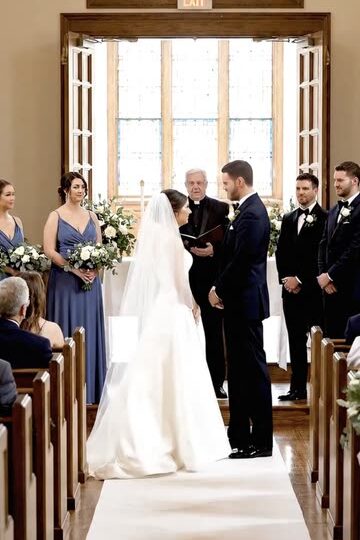
I remember walking down the aisle in a designer gown chosen by my mother, hardly noticing what it looked like or how it felt. We were told we were a perfect match.

“Two young adults raised right, ready to live the life we’ve always envisioned,” they said. And for a while, we bought into it.

We had children soon after — our daughter Rowan, born the same year as our wedding, followed by our son Caleb two years later.

Our life outwardly mirrored perfection. Holiday cards with pristine family portraits. Dinners that adhered to social calendars.

Charity events and society galas where we smiled, shook hands, and exchanged pleasantries while pretending everything was perfect.

Even our home, with its manicured lawn, white picket fences, and carefully curated decor, spoke of the ideal family life.

But behind closed doors, the picture was different. Our marriage was quiet, but not happy.

We weren’t cruel to each other; we were merely suffocating under expectations neither of us had chosen.

We didn’t fight because silence was easier than conflict. Expressing anger or disappointment felt disloyal, and any attempt to grow individually seemed impossible under the watchful eyes of those who expected us to grow as a unit.

After 17 years of living side by side, surviving chaos, raising our children, and silently resenting the life we had, we finally untied the knot.

It was quiet, painless, almost clinical — nothing like the drama movies promised. Our parents were horrified, but privately, we both exhaled a breath we didn’t realize we had been holding.

Five years later, I met Arthur. He was different — a man not of performance or expectation, but of substance and quiet charm.

Divorced, raising three children, he was grounded, warm, and lived without pretense. At 38, he was a high school teacher with a love for poetry, classic cars, and long conversations that stretched into the night.

With Arthur, I didn’t have to perform. I could be real, vulnerable, even imperfect, and it felt safe. For the first time in my adult life, I felt understood.

We married quickly, perhaps too quickly. For six months, it was blissful.
There were no public fights, no scandals, just a slow unraveling I didn’t see coming. Arthur withdrew — not emotionally in a dramatic sense, but practically.

He stopped initiating dates, stopped planning the future. I tried to interpret it as stress from his previous family, or unresolved grief, but ultimately, we parted amicably. Or so I thought.

Then, two years later, my world tilted. Rowan, my ambitious and headstrong daughter, sat me down in our living room.

At 24, she already had an MBA and a rising career in marketing. Her gaze was steady, her cheeks flushed, and her confidence unmistakable. And then she said the words that would make my heart sink.

“Mom, I’m in love.”

I smiled instinctively. Until she said his name.

“It’s Arthur.”

I froze. My throat tightened. My daughter, my own child, was dating the man I had married after Mark.

The man I thought I had left in my past. My thoughts raced, but Rowan, in her wisdom and certainty, cut through the silence with an ultimatum only a determined young adult could deliver.
“You either accept this, or I cut you out of my life,” she said.

I didn’t protest. I couldn’t. The thought of losing her was unbearable. So, I swallowed my shock, my fear, my history with Arthur, and lied. I told her I supported her.

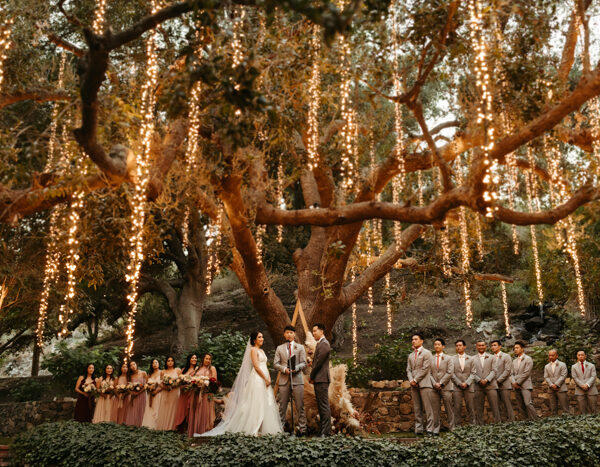
A year later, I found myself at her wedding. The venue was adorned with eucalyptus garlands, twinkling fairy lights, and soft jazz music that swirled around elegantly dressed guests.

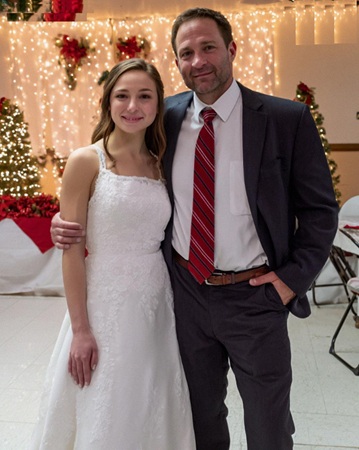
Rowan looked radiant, a vision in ivory, walking toward a man who had once been my husband. I smiled for the cameras, posed for photos, toasted politely with champagne, all while my stomach twisted in knots.

Then, Caleb found me. My son, quieter than his sister but equally perceptive, gripped my arm and whispered, “Mom, we need to talk.”

He led me out into the parking lot, away from the music and laughter, the murmurs of celebration.

The night air was crisp, my heels clicking against the pavement as I followed him.

“I hired a private investigator,” he said, voice low, urgent. “I couldn’t trust him. Not with you, not with Rowan. And now, I have everything I needed.”

I stared, speechless. “What are you talking about?”

Arthur’s past, Caleb explained, was not as clean as he presented. He had filed for bankruptcy years before, defaulted on loans, left unpaid taxes, and faced a lawsuit from his previous wife for missed alimony and concealed finances.

He was a manipulator, targeting women with stability, connections, and money. My chest tightened.

The pieces fell into place — his charm, his quiet withdrawal from me, the subtle manipulations.

Caleb and I devised a plan. We couldn’t tell Rowan privately; she trusted him. But publicly, at the reception, there would be no room for deceit.
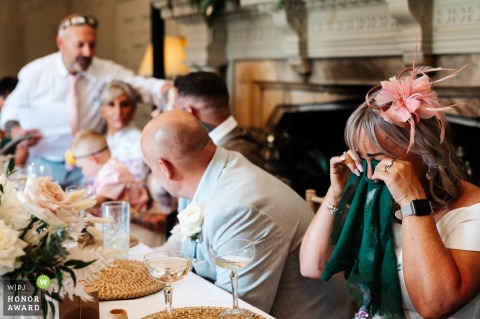
The moment arrived when Caleb took the stage, a microphone in hand. Calm, composed, he addressed the crowd with a polite but firm tone.

“I want to congratulate my sister and her… husband. Marriage is built on honesty. So tonight, I want to toast to that. And I have a question for Arthur.”

The room fell silent. “How’s your ex-wife doing these days? Are you keeping up with your bankruptcy, your lawsuits, your unpaid debts?”

Gasps echoed. Rowan’s smile faltered. Arthur’s face went pale. Caleb continued, holding up documents to the crowd — legal records, verifiable evidence, undeniable truths.

Rowan’s gaze shifted between Arthur and the evidence. “Is it true?” she asked, voice trembling but firm.

Arthur stammered. “I… It’s complicated.”

“No,” she said. “It’s not.” And with that, she walked out, leaving Arthur and the guests stunned. Within the hour, the wedding was over.

Rowan filed for an annulment, citing fraud and concealment.

She moved back in with me temporarily, and for the first time, we truly talked — about love, mistakes, family, and the dangers of repeating patterns we never wanted to live again.

Days later, over coffee in my kitchen, she asked the question I hadn’t anticipated.

“Did you love him?”

I thought. “I thought I did,” I said. “But I loved the version of him I imagined, not the truth. I loved the quiet, the idea of comfort, not him.”

Rowan nodded. “Same,” she said, and we laughed softly, shakily, the kind of laughter born from grief but infused with relief.

Caleb was our hero. His careful investigation, his courage to confront the truth publicly, and his love for his sister saved her from a life that could have been devastating.
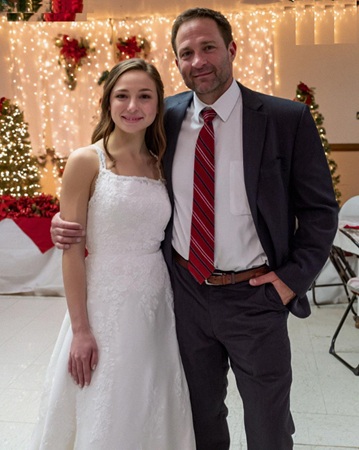
That day, I understood the true power of vigilance, honesty, and family bonds. Arthur never tried to contact us again. Perhaps he knew his web of lies had finally unraveled.

Rowan began to heal. Therapy, solo trips, and the quiet rebuilding of her independence allowed her to reclaim her life and identity.

One evening, she looked at me across the kitchen table and said, “I don’t know what’s next, but I know who I am again.”

And in that moment, I realized something profound. We were going to be okay — truly, fully okay.

We were no longer the well-mannered, picture-perfect family of my childhood and early adulthood. We were something stronger: real, resilient, and unafraid of truth.

They say weddings bring families together, but mine nearly tore us apart.

I thought the hardest part would be watching my daughter marry my ex-husband, a man I once promised forever to.

I couldn’t have imagined the full weight of the day until my son pulled me aside, a calm but urgent look in his eyes, and whispered something that shattered the world I thought I knew.

That one revelation changed everything in an instant — a moment that would make my knees shake and my stomach turn in ways I didn’t think possible.

I need to begin at the beginning, because without it, the rest will make no sense.

I married my first husband, Mark, when I was just twenty. It wasn’t a love story born of wild passion or late-night romance.

It was a life mapped out, a union expected of two families who prided themselves on tradition and status.

Our families were intertwined long before Mark and I met.

They vacationed together every summer, attended charity galas, served on boards of local foundations, and exchanged glossy holiday cards — complete with professional photographs that captured perfectly staged smiles and expensive clothing.

My parents even hosted a joint engagement party for us before we were officially engaged.

We were, in every sense, two perfectly polished children of privilege, swept into a life of obligation.

I remember walking down the aisle in a designer gown chosen by my mother, hardly noticing what it looked like or how it felt. We were told we were a perfect match.

“Two young adults raised right, ready to live the life we’ve always envisioned,” they said. And for a while, we bought into it.

We had children soon after — our daughter Rowan, born the same year as our wedding, followed by our son Caleb two years later.

Our life outwardly mirrored perfection. Holiday cards with pristine family portraits. Dinners that adhered to social calendars.

Charity events and society galas where we smiled, shook hands, and exchanged pleasantries while pretending everything was perfect.

Even our home, with its manicured lawn, white picket fences, and carefully curated decor, spoke of the ideal family life.

But behind closed doors, the picture was different. Our marriage was quiet, but not happy.

We weren’t cruel to each other; we were merely suffocating under expectations neither of us had chosen.

We didn’t fight because silence was easier than conflict. Expressing anger or disappointment felt disloyal, and any attempt to grow individually seemed impossible under the watchful eyes of those who expected us to grow as a unit.

After 17 years of living side by side, surviving chaos, raising our children, and silently resenting the life we had, we finally untied the knot.

It was quiet, painless, almost clinical — nothing like the drama movies promised. Our parents were horrified, but privately, we both exhaled a breath we didn’t realize we had been holding.

Five years later, I met Arthur. He was different — a man not of performance or expectation, but of substance and quiet charm.

Divorced, raising three children, he was grounded, warm, and lived without pretense. At 38, he was a high school teacher with a love for poetry, classic cars, and long conversations that stretched into the night.

With Arthur, I didn’t have to perform. I could be real, vulnerable, even imperfect, and it felt safe. For the first time in my adult life, I felt understood.

We married quickly, perhaps too quickly. For six months, it was blissful.

There were no public fights, no scandals, just a slow unraveling I didn’t see coming. Arthur withdrew — not emotionally in a dramatic sense, but practically.

He stopped initiating dates, stopped planning the future. I tried to interpret it as stress from his previous family, or unresolved grief, but ultimately, we parted amicably. Or so I thought.

Then, two years later, my world tilted. Rowan, my ambitious and headstrong daughter, sat me down in our living room.

At 24, she already had an MBA and a rising career in marketing. Her gaze was steady, her cheeks flushed, and her confidence unmistakable. And then she said the words that would make my heart sink.

“Mom, I’m in love.”

I smiled instinctively. Until she said his name.

“It’s Arthur.”

I froze. My throat tightened. My daughter, my own child, was dating the man I had married after Mark.

The man I thought I had left in my past. My thoughts raced, but Rowan, in her wisdom and certainty, cut through the silence with an ultimatum only a determined young adult could deliver.

“You either accept this, or I cut you out of my life,” she said.

I didn’t protest. I couldn’t. The thought of losing her was unbearable. So, I swallowed my shock, my fear, my history with Arthur, and lied. I told her I supported her.

A year later, I found myself at her wedding. The venue was adorned with eucalyptus garlands, twinkling fairy lights, and soft jazz music that swirled around elegantly dressed guests.

Rowan looked radiant, a vision in ivory, walking toward a man who had once been my husband. I smiled for the cameras, posed for photos, toasted politely with champagne, all while my stomach twisted in knots.

Then, Caleb found me. My son, quieter than his sister but equally perceptive, gripped my arm and whispered, “Mom, we need to talk.”

He led me out into the parking lot, away from the music and laughter, the murmurs of celebration.

The night air was crisp, my heels clicking against the pavement as I followed him.

“I hired a private investigator,” he said, voice low, urgent. “I couldn’t trust him. Not with you, not with Rowan. And now, I have everything I needed.”

I stared, speechless. “What are you talking about?”

Arthur’s past, Caleb explained, was not as clean as he presented. He had filed for bankruptcy years before, defaulted on loans, left unpaid taxes, and faced a lawsuit from his previous wife for missed alimony and concealed finances.

He was a manipulator, targeting women with stability, connections, and money. My chest tightened.

The pieces fell into place — his charm, his quiet withdrawal from me, the subtle manipulations.

Caleb and I devised a plan. We couldn’t tell Rowan privately; she trusted him. But publicly, at the reception, there would be no room for deceit.

The moment arrived when Caleb took the stage, a microphone in hand. Calm, composed, he addressed the crowd with a polite but firm tone.

“I want to congratulate my sister and her… husband. Marriage is built on honesty. So tonight, I want to toast to that. And I have a question for Arthur.”

The room fell silent. “How’s your ex-wife doing these days? Are you keeping up with your bankruptcy, your lawsuits, your unpaid debts?”

Gasps echoed. Rowan’s smile faltered. Arthur’s face went pale. Caleb continued, holding up documents to the crowd — legal records, verifiable evidence, undeniable truths.

Rowan’s gaze shifted between Arthur and the evidence. “Is it true?” she asked, voice trembling but firm.

Arthur stammered. “I… It’s complicated.”

“No,” she said. “It’s not.” And with that, she walked out, leaving Arthur and the guests stunned. Within the hour, the wedding was over.

Rowan filed for an annulment, citing fraud and concealment.

She moved back in with me temporarily, and for the first time, we truly talked — about love, mistakes, family, and the dangers of repeating patterns we never wanted to live again.

Days later, over coffee in my kitchen, she asked the question I hadn’t anticipated.

“Did you love him?”

I thought. “I thought I did,” I said. “But I loved the version of him I imagined, not the truth. I loved the quiet, the idea of comfort, not him.”

Rowan nodded. “Same,” she said, and we laughed softly, shakily, the kind of laughter born from grief but infused with relief.

Caleb was our hero. His careful investigation, his courage to confront the truth publicly, and his love for his sister saved her from a life that could have been devastating.

That day, I understood the true power of vigilance, honesty, and family bonds. Arthur never tried to contact us again. Perhaps he knew his web of lies had finally unraveled.

Rowan began to heal. Therapy, solo trips, and the quiet rebuilding of her independence allowed her to reclaim her life and identity.

One evening, she looked at me across the kitchen table and said, “I don’t know what’s next, but I know who I am again.”

And in that moment, I realized something profound. We were going to be okay — truly, fully okay.

We were no longer the well-mannered, picture-perfect family of my childhood and early adulthood. We were something stronger: real, resilient, and unafraid of truth.