...

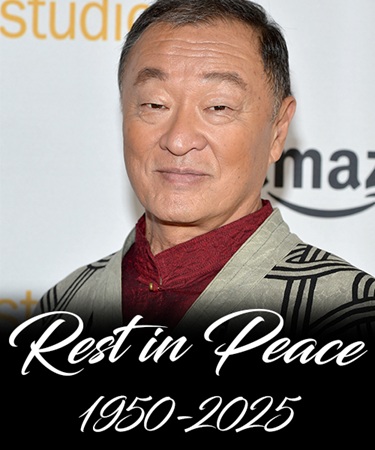
‘Mortal Kombat’ Legend Cary-Hiroyuki Tagawa Dead at 75

Cary‑Hiroyuki Tagawa, the Japanese‑American actor whose commanding presence, intense charisma, and masterful portrayals of villains defined generations of action and fantasy cinema.

Has passed away at the age of 75. His manager confirmed that he died in Santa Barbara, California, on December 4, 2025, due to complications following a stroke.

He was surrounded by his family, leaving behind a legacy that spans decades of unforgettable performances.

Known for his unique ability to embody the perfect villain, Tagawa’s roles often combined elegance, menace, and a deep sense of gravitas.

While audiences worldwide came to love to hate his on-screen personas, colleagues and friends consistently described him as warm, humble, and deeply committed to his craft — a man whose life and career reflected both discipline and passion.
From Tokyo to Hollywood — Early Life and Background

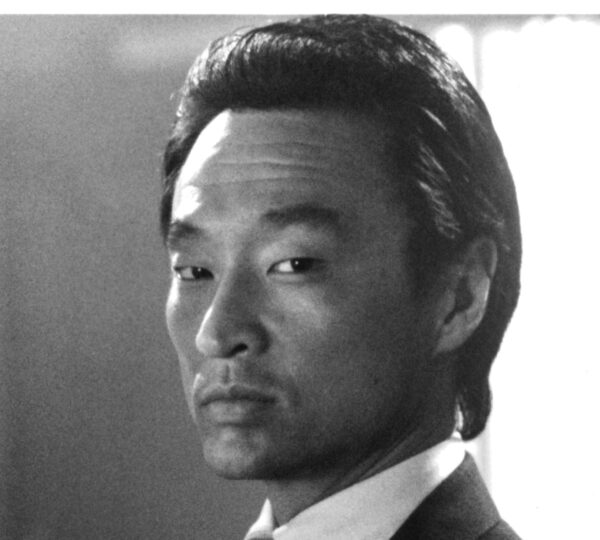
Cary‑Hiroyuki Tagawa was born on September 27, 1950, in Tokyo, Japan.

His early years were marked by frequent relocations, as his father served in the U.S. military and was stationed at different bases across the country.

These formative years imbued Tagawa with a sense of adaptability and exposure to multiple cultures, experiences that later informed his nuanced performances.

Eventually, the family settled in Southern California, a move that would become pivotal in shaping his future in the entertainment industry.

During his adolescence, Tagawa developed a deep interest in martial arts, studying kendo in junior high school and later expanding his training to karate while attending the University of Southern California.

He eventually returned to Japan to study under Master Nakayama of the Japan Karate Association, solidifying his martial arts expertise.

Over the years, he developed his own martial arts system, Chu Shin, blending traditional techniques with modern training principles.
A Career Built on Craft and Discipline

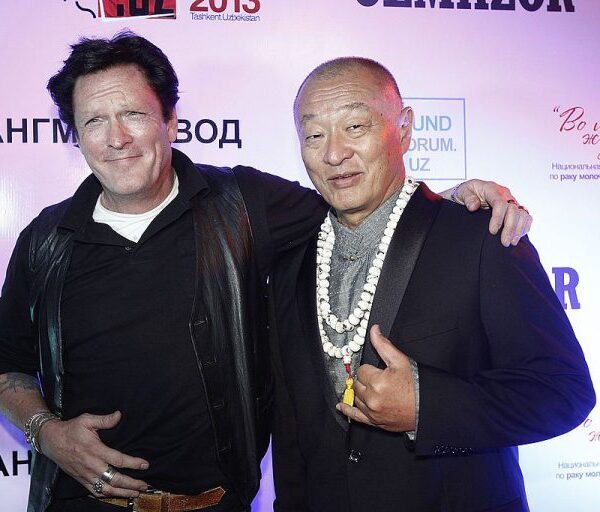
Although Tagawa explored non-acting work in his early adulthood, he pivoted to professional acting at the age of 36 — a decision that launched a career spanning nearly four decades.

His first major breakthrough came with Bernardo Bertolucci’s The Last Emperor (1987), where he portrayed Chang, the emperor’s driver.

Though a small role, it was pivotal, opening doors for Tagawa and helping him navigate the often-limiting landscape of Hollywood roles for Asian actors at the time.

From that moment on, Tagawa became one of Hollywood’s most reliable and versatile character actors, particularly known for his ability to portray complex, memorable villains.

His physicality, refined by years of martial arts training, allowed him to bring authenticity and menace to action roles, while his disciplined approach to craft ensured that each performance carried emotional depth and credibility.

Signature Roles and Iconic Performances

Mortal Kombat and Shang Tsung

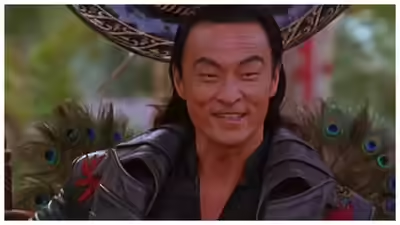
Tagawa’s most iconic role came in New Line Cinema’s 1995 adaptation of Mortal Kombat, where he brought to life the sinister sorcerer Shang Tsung.

His portrayal was both theatrical and intensely threatening, turning the character into a cult favorite and cementing Tagawa’s status as a pop culture icon.
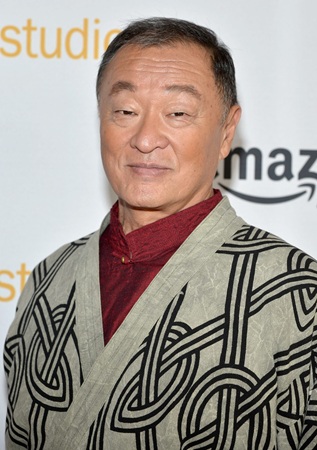
He reprised the role in Mortal Kombat: Annihilation (1997), the web series Mortal Kombat: Legacy (2013), and lent his voice and likeness to video games, including Mortal Kombat 11 (2019) and Mortal Kombat:

Onslaught (2023). Across these adaptations, Tagawa’s embodiment of Shang Tsung remained consistent, blending elegance, cunning, and an almost hypnotic presence that fans adored.

Other Film Highlights

Tagawa’s versatility allowed him to take on a wide range of roles in major studio productions, cult classics, and independent films. His notable credits include:

Big Trouble in Little China (1986) – A cult classic blending martial arts and comedy.

Licence to Kill (1989) – A James Bond installment showcasing his ability to play a compelling antagonist.

Rising Sun (1993) – A thriller highlighting his skill in dramatic roles.

Pearl Harbor (2001) – A supporting role in a major historical epic.

Planet of the Apes (2001) – Demonstrating his adaptability to science-fiction settings.

Memoirs of a Geisha (2005) – Adding subtlety and nuance to his performances in historical dramas.

47 Ronin (2013) – Bringing his martial arts and cinematic presence to a legendary story.

On television, Tagawa earned critical acclaim for roles such as Trade Minister Tagomi in The Man in the High Castle, as well as guest appearances on popular shows like MacGyver, Star Trek:

The Next Generation, and Miami Vice. He also held recurring roles in series like Hawaii, Revenge, and the animated series Blue Eye Samurai.
Across nearly four decades, he accumulated over 150 acting credits, a testament to his talent, professionalism, and versatility.

Martial Arts and Dedication to Authenticity

Martial arts were central to Tagawa’s identity, both on and off-screen.

He trained rigorously in kendo, karate, and other combat disciplines, incorporating these skills into his performances to ensure authenticity.

His system, Chu Shin, reflected his dedication to discipline, self-control, and teaching others

Tagawa often mentored younger actors and martial artists, emphasizing that physical performance must be rooted in respect, precision, and technique.

This expertise allowed him to choreograph fight scenes and portray action sequences with unmatched realism.

Many of his fight scenes, particularly in Mortal Kombat, remain studied and admired by martial arts enthusiasts and actors alike.

A Villain Loved Off-Screen

Though often cast as villains, those who knew Tagawa described him as generous, kind-hearted, and humble.

His longtime manager praised him as “a rare soul — generous, thoughtful, and endlessly committed to his craft.”

He frequently shared advice with aspiring actors, emphasizing the importance of focusing on craft over fame, and warned against getting lost in Hollywood hype.

Tagawa lived a quiet life outside the studio, spending recent years on Kauai, Hawaii, with his family.

His children, Calen, Brynne, and Cana, and his grandchildren, River and Thea Clayton, were central to his life, and he remained devoted to them until his final days.

Legacy and Impact

Cary‑Hiroyuki Tagawa’s death is a profound loss to fans of cinema, television, and martial arts alike.
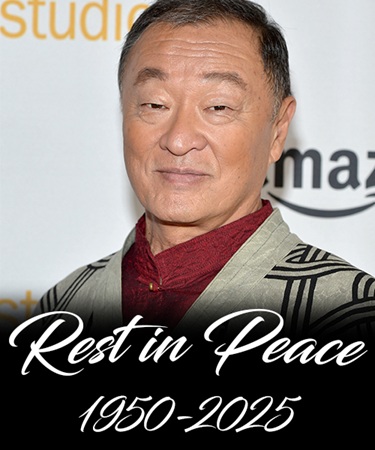
He broke barriers as an Asian-American actor in Hollywood, created some of the most memorable villains in film history, and influenced countless actors and martial artists worldwide.

He once noted that people often associate him with a “villain face,” but in reality, he used his intelligence, discipline, and craft to transform stereotypes, proving that villains could be as compelling and layered as heroes.

His performances — the intensity in his eyes, the precision of his movements, and the depth of his voice — remain immortalized in film and video games.

For fans, colleagues, and aspiring actors, Tagawa’s career is a blueprint of dedication, perseverance, and authenticity.

His line as Shang Tsung, “Your soul is mine,” will echo for generations, a haunting reminder of the actor who brought unforgettable life to characters that demanded both fear and admiration.

Cary‑Hiroyuki Tagawa may have left this world, but his legacy, influence, and artistry will endure forever.

Cary‑Hiroyuki Tagawa, the Japanese‑American actor whose commanding presence, intense charisma, and masterful portrayals of villains defined generations of action and fantasy cinema.

Has passed away at the age of 75. His manager confirmed that he died in Santa Barbara, California, on December 4, 2025, due to complications following a stroke.

He was surrounded by his family, leaving behind a legacy that spans decades of unforgettable performances.

Known for his unique ability to embody the perfect villain, Tagawa’s roles often combined elegance, menace, and a deep sense of gravitas.

While audiences worldwide came to love to hate his on-screen personas, colleagues and friends consistently described him as warm, humble, and deeply committed to his craft — a man whose life and career reflected both discipline and passion.

From Tokyo to Hollywood — Early Life and Background

Cary‑Hiroyuki Tagawa was born on September 27, 1950, in Tokyo, Japan.

His early years were marked by frequent relocations, as his father served in the U.S. military and was stationed at different bases across the country.

These formative years imbued Tagawa with a sense of adaptability and exposure to multiple cultures, experiences that later informed his nuanced performances.

Eventually, the family settled in Southern California, a move that would become pivotal in shaping his future in the entertainment industry.

During his adolescence, Tagawa developed a deep interest in martial arts, studying kendo in junior high school and later expanding his training to karate while attending the University of Southern California.

He eventually returned to Japan to study under Master Nakayama of the Japan Karate Association, solidifying his martial arts expertise.

Over the years, he developed his own martial arts system, Chu Shin, blending traditional techniques with modern training principles.

A Career Built on Craft and Discipline

Although Tagawa explored non-acting work in his early adulthood, he pivoted to professional acting at the age of 36 — a decision that launched a career spanning nearly four decades.

His first major breakthrough came with Bernardo Bertolucci’s The Last Emperor (1987), where he portrayed Chang, the emperor’s driver.

Though a small role, it was pivotal, opening doors for Tagawa and helping him navigate the often-limiting landscape of Hollywood roles for Asian actors at the time.

From that moment on, Tagawa became one of Hollywood’s most reliable and versatile character actors, particularly known for his ability to portray complex, memorable villains.

His physicality, refined by years of martial arts training, allowed him to bring authenticity and menace to action roles, while his disciplined approach to craft ensured that each performance carried emotional depth and credibility.

Signature Roles and Iconic Performances

Mortal Kombat and Shang Tsung

Tagawa’s most iconic role came in New Line Cinema’s 1995 adaptation of Mortal Kombat, where he brought to life the sinister sorcerer Shang Tsung.

His portrayal was both theatrical and intensely threatening, turning the character into a cult favorite and cementing Tagawa’s status as a pop culture icon.

He reprised the role in Mortal Kombat: Annihilation (1997), the web series Mortal Kombat: Legacy (2013), and lent his voice and likeness to video games, including Mortal Kombat 11 (2019) and Mortal Kombat:

Onslaught (2023). Across these adaptations, Tagawa’s embodiment of Shang Tsung remained consistent, blending elegance, cunning, and an almost hypnotic presence that fans adored.

Other Film Highlights

Tagawa’s versatility allowed him to take on a wide range of roles in major studio productions, cult classics, and independent films. His notable credits include:

Big Trouble in Little China (1986) – A cult classic blending martial arts and comedy.

Licence to Kill (1989) – A James Bond installment showcasing his ability to play a compelling antagonist.

Rising Sun (1993) – A thriller highlighting his skill in dramatic roles.

Pearl Harbor (2001) – A supporting role in a major historical epic.

Planet of the Apes (2001) – Demonstrating his adaptability to science-fiction settings.

Memoirs of a Geisha (2005) – Adding subtlety and nuance to his performances in historical dramas.

47 Ronin (2013) – Bringing his martial arts and cinematic presence to a legendary story.

On television, Tagawa earned critical acclaim for roles such as Trade Minister Tagomi in The Man in the High Castle, as well as guest appearances on popular shows like MacGyver, Star Trek:

The Next Generation, and Miami Vice. He also held recurring roles in series like Hawaii, Revenge, and the animated series Blue Eye Samurai.

Across nearly four decades, he accumulated over 150 acting credits, a testament to his talent, professionalism, and versatility.

Martial Arts and Dedication to Authenticity

Martial arts were central to Tagawa’s identity, both on and off-screen.

He trained rigorously in kendo, karate, and other combat disciplines, incorporating these skills into his performances to ensure authenticity.

His system, Chu Shin, reflected his dedication to discipline, self-control, and teaching others

Tagawa often mentored younger actors and martial artists, emphasizing that physical performance must be rooted in respect, precision, and technique.

This expertise allowed him to choreograph fight scenes and portray action sequences with unmatched realism.

Many of his fight scenes, particularly in Mortal Kombat, remain studied and admired by martial arts enthusiasts and actors alike.

A Villain Loved Off-Screen

Though often cast as villains, those who knew Tagawa described him as generous, kind-hearted, and humble.

His longtime manager praised him as “a rare soul — generous, thoughtful, and endlessly committed to his craft.”

He frequently shared advice with aspiring actors, emphasizing the importance of focusing on craft over fame, and warned against getting lost in Hollywood hype.

Tagawa lived a quiet life outside the studio, spending recent years on Kauai, Hawaii, with his family.

His children, Calen, Brynne, and Cana, and his grandchildren, River and Thea Clayton, were central to his life, and he remained devoted to them until his final days.

Legacy and Impact

Cary‑Hiroyuki Tagawa’s death is a profound loss to fans of cinema, television, and martial arts alike.

He broke barriers as an Asian-American actor in Hollywood, created some of the most memorable villains in film history, and influenced countless actors and martial artists worldwide.

He once noted that people often associate him with a “villain face,” but in reality, he used his intelligence, discipline, and craft to transform stereotypes, proving that villains could be as compelling and layered as heroes.

His performances — the intensity in his eyes, the precision of his movements, and the depth of his voice — remain immortalized in film and video games.

For fans, colleagues, and aspiring actors, Tagawa’s career is a blueprint of dedication, perseverance, and authenticity.

His line as Shang Tsung, “Your soul is mine,” will echo for generations, a haunting reminder of the actor who brought unforgettable life to characters that demanded both fear and admiration.

Cary‑Hiroyuki Tagawa may have left this world, but his legacy, influence, and artistry will endure forever.