...

More Unfavorable News Emerges for Donald Trump

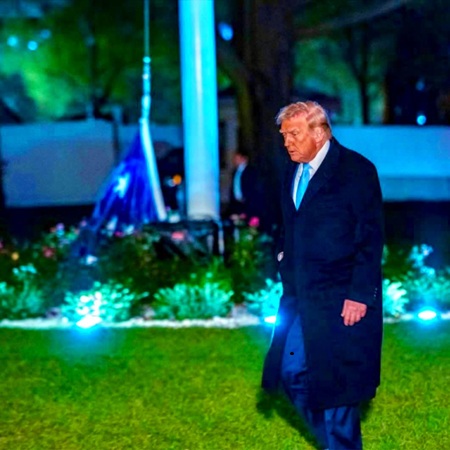
The United States entered uncharted territory when federal prosecutors unveiled a sweeping criminal indictment against former President Donald Trump.

An event that immediately captured national attention and reverberated far beyond Washington.

Never before had a former U.S. president faced federal charges of this scope tied directly to actions taken while in office and in the aftermath of an election.

The announcement stunned many Americans not only because of who was charged, but because of what the charges represent: a direct legal examination of how far presidential power can extend before it collides with criminal law.
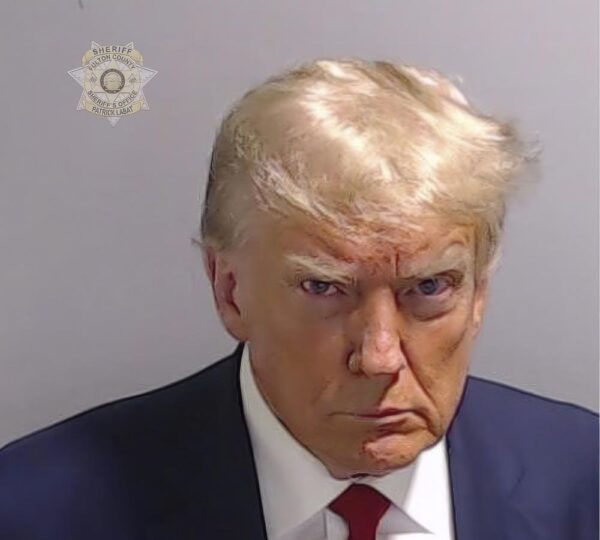
According to prosecutors, the indictment centers on allegations that Trump orchestrated a broad and deliberate effort to overturn the results of the 2020 presidential election.

The charges include conspiracy to defraud the United States, obstruction of an official proceeding, and conspiracy against rights—serious offenses that, taken together, accuse a former commander in chief of attempting to interfere with the peaceful transfer of power.

Prosecutors argue that these actions, if proven, strike at the heart of the constitutional system and undermine the democratic process itself.

The legal filing describes a multifaceted strategy that prosecutors say unfolded over weeks and months following the election.

Rather than framing the case as a single impulsive act, the indictment outlines a series of steps allegedly designed to sow doubt about the election’s legitimacy, pressure state and federal officials, and disrupt the certification of electoral votes.

Prosecutors emphasize that the case is not about disputing election results through lawful means, but about allegedly using deception and obstruction to achieve an unlawful outcome.

Central to the government’s argument is the claim that Trump knew his assertions of widespread voter fraud were false, yet continued to promote them as part of a broader plan to remain in power.

Prosecutors contend that dozens of advisors, campaign staff, and government officials repeatedly told Trump there was no evidence that could change the outcome of the election.

Despite these warnings, the indictment alleges, Trump persisted, viewing the false claims as a tool rather than a misunderstanding.

The charge of conspiracy to defraud the United States is particularly significant.

It does not require proof that the government lost money or property, but instead focuses on whether the defendant allegedly interfered with lawful government functions through deceit.

In this case, prosecutors argue that the function at issue was the federal government’s role in certifying and counting electoral votes—a core democratic process explicitly outlined in the Constitution.

Equally consequential is the charge of obstruction of an official proceeding.

Prosecutors assert that Trump’s actions were aimed at disrupting Congress’s certification of the Electoral College results on January 6, 2021.

This charge has been used in numerous cases related to the events of that day, but its application to a former president elevates its significance.

The government argues that no individual, regardless of position, is exempt from laws designed to protect democratic institutions.

The indictment also includes a conspiracy against rights charge, which alleges that Trump and others sought to interfere with citizens’ constitutional right to have their votes counted.

This charge underscores the broader stakes of the case. It frames the alleged conduct not merely as an internal government dispute, but as an action that potentially harmed millions of voters by attempting to nullify the outcome of a lawful election.

Trump has categorically denied all allegations, calling the indictment politically motivated and without merit.

His legal team argues that his actions were protected by the First Amendment and fall squarely within the realm of political speech and advocacy.

They maintain that challenging election results, lobbying officials, and expressing grievances are common features of American political life, even when those actions are controversial or unpopular.

The defense is expected to argue that prosecutors are criminalizing conduct that has historically been addressed through political processes rather than the courts.

According to this view, using the justice system to pursue such charges risks setting a dangerous precedent—one that could deter future presidents from forcefully advocating their positions or contesting disputed outcomes.

Trump’s attorneys are likely to frame the case as an overreach that blurs the line between aggressive politics and criminal behavior.

Legal scholars are divided on these arguments. Some emphasize that the Constitution does not grant presidents immunity from criminal prosecution, particularly for actions taken outside their official duties.

They argue that if evidence shows intentional deception and obstruction, the rule of law demands accountability, regardless of the defendant’s former office.

Others caution that the case raises complex questions about intent, free speech, and the appropriate limits of criminal law in politically charged contexts.

Beyond the courtroom, the indictment has intensified political polarization across the country.

Supporters of Trump view the case as confirmation of long-standing claims that institutions are being weaponized against him.

Critics see it as a necessary and overdue step to defend democratic norms. Public opinion remains sharply divided, reflecting broader tensions about trust in government, the media, and the justice system.

The timing of the trial adds another layer of complexity. With Trump actively seeking a return to the presidency, the legal proceedings are unfolding alongside a heated election cycle.

This overlap raises unprecedented logistical and constitutional questions, including how a criminal trial might proceed if a defendant is also a major-party nominee or, hypothetically, an elected president.

While the Constitution does not explicitly address these scenarios, courts may soon be asked to navigate them.

Judges overseeing the case are expected to face difficult decisions regarding evidence, jury selection, and scheduling, all under intense public scrutiny.

Ensuring a fair trial while maintaining public confidence in the process will be a formidable challenge.

The judiciary’s handling of the case may influence how Americans view the independence and credibility of the courts for years to come.

Internationally, the indictment has drawn significant attention. As a nation that often promotes democratic values abroad, the United States now finds itself confronting those principles at home.

Allies and adversaries alike are watching closely to see whether American institutions can address allegations against a former leader through lawful and transparent means.

The outcome may shape perceptions of U.S. democracy on the global stage.

Regardless of the verdict, the case is already reshaping conversations about presidential power and accountability.

It forces a reexamination of long-held assumptions that former presidents are effectively shielded from criminal consequences related to their time in office.

At the same time, it underscores the importance of carefully distinguishing between lawful political advocacy and actions that cross into illegality.

For many Americans, the indictment represents a sobering moment of reflection. It highlights the fragility of democratic systems and the extent to which they depend on shared norms, good faith, and respect for the rule of law.

The charges suggest that these norms can be tested, and potentially strained, even at the highest levels of government.

As the case moves forward, its ultimate significance may lie less in the fate of one individual and more in the precedent it sets.
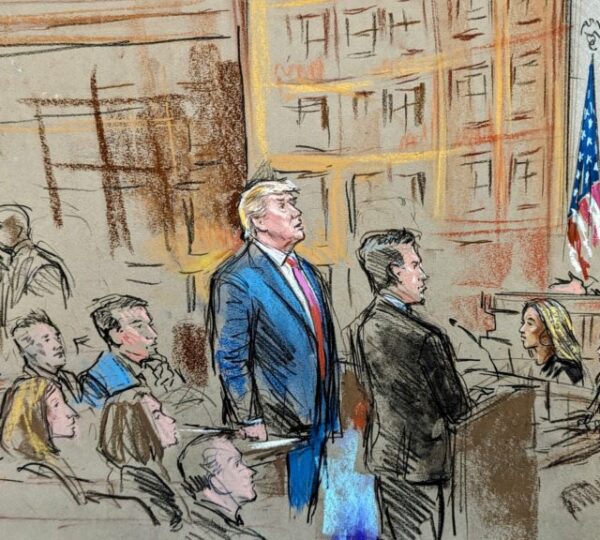
The trial will help define where the legal boundaries lie for future presidents and candidates.

It will clarify whether the justice system can address alleged threats to democracy without becoming entangled in partisan conflict.

In the end, the indictment of Donald Trump stands as a defining chapter in American legal and political history.

It represents a collision between power and accountability, between political ambition and constitutional limits.

Whether viewed as a necessary defense of democracy or a troubling expansion of prosecutorial reach, the case underscores a fundamental principle:

in a constitutional system built on laws rather than individuals, even the most powerful figures may ultimately be called to answer for their actions.

The United States entered uncharted territory when federal prosecutors unveiled a sweeping criminal indictment against former President Donald Trump.

An event that immediately captured national attention and reverberated far beyond Washington.

Never before had a former U.S. president faced federal charges of this scope tied directly to actions taken while in office and in the aftermath of an election.

The announcement stunned many Americans not only because of who was charged, but because of what the charges represent: a direct legal examination of how far presidential power can extend before it collides with criminal law.

According to prosecutors, the indictment centers on allegations that Trump orchestrated a broad and deliberate effort to overturn the results of the 2020 presidential election.

The charges include conspiracy to defraud the United States, obstruction of an official proceeding, and conspiracy against rights—serious offenses that, taken together, accuse a former commander in chief of attempting to interfere with the peaceful transfer of power.

Prosecutors argue that these actions, if proven, strike at the heart of the constitutional system and undermine the democratic process itself.

The legal filing describes a multifaceted strategy that prosecutors say unfolded over weeks and months following the election.

Rather than framing the case as a single impulsive act, the indictment outlines a series of steps allegedly designed to sow doubt about the election’s legitimacy, pressure state and federal officials, and disrupt the certification of electoral votes.

Prosecutors emphasize that the case is not about disputing election results through lawful means, but about allegedly using deception and obstruction to achieve an unlawful outcome.

Central to the government’s argument is the claim that Trump knew his assertions of widespread voter fraud were false, yet continued to promote them as part of a broader plan to remain in power.

Prosecutors contend that dozens of advisors, campaign staff, and government officials repeatedly told Trump there was no evidence that could change the outcome of the election.

Despite these warnings, the indictment alleges, Trump persisted, viewing the false claims as a tool rather than a misunderstanding.

The charge of conspiracy to defraud the United States is particularly significant.

It does not require proof that the government lost money or property, but instead focuses on whether the defendant allegedly interfered with lawful government functions through deceit.

In this case, prosecutors argue that the function at issue was the federal government’s role in certifying and counting electoral votes—a core democratic process explicitly outlined in the Constitution.

Equally consequential is the charge of obstruction of an official proceeding.

Prosecutors assert that Trump’s actions were aimed at disrupting Congress’s certification of the Electoral College results on January 6, 2021.

This charge has been used in numerous cases related to the events of that day, but its application to a former president elevates its significance.

The government argues that no individual, regardless of position, is exempt from laws designed to protect democratic institutions.

The indictment also includes a conspiracy against rights charge, which alleges that Trump and others sought to interfere with citizens’ constitutional right to have their votes counted.

This charge underscores the broader stakes of the case. It frames the alleged conduct not merely as an internal government dispute, but as an action that potentially harmed millions of voters by attempting to nullify the outcome of a lawful election.

Trump has categorically denied all allegations, calling the indictment politically motivated and without merit.

His legal team argues that his actions were protected by the First Amendment and fall squarely within the realm of political speech and advocacy.

They maintain that challenging election results, lobbying officials, and expressing grievances are common features of American political life, even when those actions are controversial or unpopular.

The defense is expected to argue that prosecutors are criminalizing conduct that has historically been addressed through political processes rather than the courts.

According to this view, using the justice system to pursue such charges risks setting a dangerous precedent—one that could deter future presidents from forcefully advocating their positions or contesting disputed outcomes.

Trump’s attorneys are likely to frame the case as an overreach that blurs the line between aggressive politics and criminal behavior.

Legal scholars are divided on these arguments. Some emphasize that the Constitution does not grant presidents immunity from criminal prosecution, particularly for actions taken outside their official duties.

They argue that if evidence shows intentional deception and obstruction, the rule of law demands accountability, regardless of the defendant’s former office.

Others caution that the case raises complex questions about intent, free speech, and the appropriate limits of criminal law in politically charged contexts.

Beyond the courtroom, the indictment has intensified political polarization across the country.

Supporters of Trump view the case as confirmation of long-standing claims that institutions are being weaponized against him.

Critics see it as a necessary and overdue step to defend democratic norms. Public opinion remains sharply divided, reflecting broader tensions about trust in government, the media, and the justice system.

The timing of the trial adds another layer of complexity. With Trump actively seeking a return to the presidency, the legal proceedings are unfolding alongside a heated election cycle.

This overlap raises unprecedented logistical and constitutional questions, including how a criminal trial might proceed if a defendant is also a major-party nominee or, hypothetically, an elected president.

While the Constitution does not explicitly address these scenarios, courts may soon be asked to navigate them.

Judges overseeing the case are expected to face difficult decisions regarding evidence, jury selection, and scheduling, all under intense public scrutiny.

Ensuring a fair trial while maintaining public confidence in the process will be a formidable challenge.

The judiciary’s handling of the case may influence how Americans view the independence and credibility of the courts for years to come.

Internationally, the indictment has drawn significant attention. As a nation that often promotes democratic values abroad, the United States now finds itself confronting those principles at home.

Allies and adversaries alike are watching closely to see whether American institutions can address allegations against a former leader through lawful and transparent means.

The outcome may shape perceptions of U.S. democracy on the global stage.

Regardless of the verdict, the case is already reshaping conversations about presidential power and accountability.

It forces a reexamination of long-held assumptions that former presidents are effectively shielded from criminal consequences related to their time in office.

At the same time, it underscores the importance of carefully distinguishing between lawful political advocacy and actions that cross into illegality.

For many Americans, the indictment represents a sobering moment of reflection. It highlights the fragility of democratic systems and the extent to which they depend on shared norms, good faith, and respect for the rule of law.

The charges suggest that these norms can be tested, and potentially strained, even at the highest levels of government.

As the case moves forward, its ultimate significance may lie less in the fate of one individual and more in the precedent it sets.

The trial will help define where the legal boundaries lie for future presidents and candidates.

It will clarify whether the justice system can address alleged threats to democracy without becoming entangled in partisan conflict.

In the end, the indictment of Donald Trump stands as a defining chapter in American legal and political history.

It represents a collision between power and accountability, between political ambition and constitutional limits.

Whether viewed as a necessary defense of democracy or a troubling expansion of prosecutorial reach, the case underscores a fundamental principle:

in a constitutional system built on laws rather than individuals, even the most powerful figures may ultimately be called to answer for their actions.