...

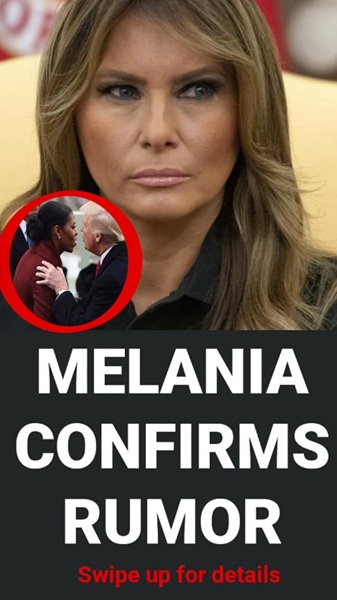
Melania Trump has revealed unexpected details about what the Obamas did before they left the White House.

In a recent and revealing interview aired on Fox & Friends, Melania Trump, the former First Lady of the United States, spoke candidly about her personal experience during the historic 2016 transition of power between the Obama and Trump administrations. Her comments, which many found both surprising and thought-provoking, shed light on the complex and often unseen challenges that take place behind the scenes when one president leaves office and another takes over.

Melania described the transition as “difficult and emotional,” a phrase that immediately caught the attention of political analysts, media outlets, and viewers alike. According to her account, the process was not as smooth or respectful as expected, and the cooperation typically extended by the outgoing administration to the incoming First Family was, in her words, lacking and even deliberately withheld.

“We didn’t have much of the information—it was upheld from us by the previous administration,” Melania said during the interview. Her choice of words suggests a clear sense of frustration and disappointment, as she recounted what she believed was a lack of transparency and goodwill from the Obama team during one of the most sensitive and important transitions in American political history.

Transitions between administrations are supposed to be grounded in a tradition of peaceful handover of power, a cornerstone of American democracy. This includes not only formal briefings and logistical support but also symbolic acts of unity and cooperation—especially between First Ladies, who often meet privately to help ease the transition for one another. However, Melania suggested that the Obama administration did not extend such courtesies or assistance in the way it had been traditionally expected.

She indicated that the Trump family entered the White House with minimal support and little access to key information, which made the move-in process unnecessarily complicated and emotionally taxing. As someone stepping into the national spotlight for the first time, and into a highly scrutinized public role, Melania said this lack of support added extra pressure and confusion during what was already a historic and life-altering period for her and her family.

Despite the struggles of that time, Melania Trump expressed that the experience has made her stronger and more prepared for the future. With her husband, former President Donald Trump, actively campaigning for a potential return to the White House in the 2024 election, she spoke confidently about being better equipped to handle another transition—this time on her own terms.

“This time, I have everything,” she said with certainty, hinting at her full readiness to re-enter the White House if her husband wins a second term. Her tone implied a sense of control, organization, and preparedness that she felt was missing during her first experience in 2017.

Her comments have reignited national conversations about the importance of professionalism, respect, and cooperation between political opponents—especially during a transfer of power, when unity and stability are crucial for the country. Several commentators pointed out that Melania’s interview brings attention to how personal dynamics and behind-the-scenes decisions during a transition can have long-term effects on the tone, efficiency, and even emotional well-being of those stepping into office.

Moreover, her remarks highlight how First Ladies often play a significant yet underappreciated role during these transitions. While much of the media focuses on the President-elect, the First Lady must also adapt to a radically new lifestyle, take on ceremonial duties, and settle into one of the most famous—and most scrutinized—residences in the world. A lack of support or cooperation from her predecessor, as Melania described, can make this adjustment far more difficult than the public realizes.

While supporters of the Obamas have challenged or dismissed Melania’s claims, arguing that the 2016 transition was conducted according to protocol, her firsthand account adds another layer to the ongoing discussion about the human side of political transitions—how feelings, personalities, and interpersonal behavior affect what is often portrayed as a purely procedural event.

The timing of her comments is also significant, as the 2024 presidential election approaches. With Donald Trump leading in several Republican polls and actively campaigning, Melania’s reappearance in the media signals that she may take on a more public and proactive role this time around. In previous years, she was often known for keeping a lower profile, preferring privacy over publicity. However, her recent remarks suggest a shift—perhaps reflecting a stronger sense of experience, clarity, and influence in shaping what her role would be in a potential second term.

Regardless of where one stands politically, Melania Trump’s recent interview offers an insightful reminder that the process of transitioning from one presidency to another is more than just moving boxes and hosting ceremonies. It’s an emotionally charged, deeply personal, and politically sensitive time—not just for the presidents, but for their families as well.

As the American public looks ahead to the 2024 election, this reflection on the past adds nuance to how we understand the responsibilities and expectations placed on political leaders and their spouses—not only while they serve in office, but during the critical moments when one chapter ends and another begins.

In a recent and revealing interview aired on Fox & Friends, Melania Trump, the former First Lady of the United States, spoke candidly about her personal experience during the historic 2016 transition of power between the Obama and Trump administrations. Her comments, which many found both surprising and thought-provoking, shed light on the complex and often unseen challenges that take place behind the scenes when one president leaves office and another takes over.

Melania described the transition as “difficult and emotional,” a phrase that immediately caught the attention of political analysts, media outlets, and viewers alike. According to her account, the process was not as smooth or respectful as expected, and the cooperation typically extended by the outgoing administration to the incoming First Family was, in her words, lacking and even deliberately withheld.

“We didn’t have much of the information—it was upheld from us by the previous administration,” Melania said during the interview. Her choice of words suggests a clear sense of frustration and disappointment, as she recounted what she believed was a lack of transparency and goodwill from the Obama team during one of the most sensitive and important transitions in American political history.

Transitions between administrations are supposed to be grounded in a tradition of peaceful handover of power, a cornerstone of American democracy. This includes not only formal briefings and logistical support but also symbolic acts of unity and cooperation—especially between First Ladies, who often meet privately to help ease the transition for one another. However, Melania suggested that the Obama administration did not extend such courtesies or assistance in the way it had been traditionally expected.

She indicated that the Trump family entered the White House with minimal support and little access to key information, which made the move-in process unnecessarily complicated and emotionally taxing. As someone stepping into the national spotlight for the first time, and into a highly scrutinized public role, Melania said this lack of support added extra pressure and confusion during what was already a historic and life-altering period for her and her family.

Despite the struggles of that time, Melania Trump expressed that the experience has made her stronger and more prepared for the future. With her husband, former President Donald Trump, actively campaigning for a potential return to the White House in the 2024 election, she spoke confidently about being better equipped to handle another transition—this time on her own terms.

“This time, I have everything,” she said with certainty, hinting at her full readiness to re-enter the White House if her husband wins a second term. Her tone implied a sense of control, organization, and preparedness that she felt was missing during her first experience in 2017.

Her comments have reignited national conversations about the importance of professionalism, respect, and cooperation between political opponents—especially during a transfer of power, when unity and stability are crucial for the country. Several commentators pointed out that Melania’s interview brings attention to how personal dynamics and behind-the-scenes decisions during a transition can have long-term effects on the tone, efficiency, and even emotional well-being of those stepping into office.

Moreover, her remarks highlight how First Ladies often play a significant yet underappreciated role during these transitions. While much of the media focuses on the President-elect, the First Lady must also adapt to a radically new lifestyle, take on ceremonial duties, and settle into one of the most famous—and most scrutinized—residences in the world. A lack of support or cooperation from her predecessor, as Melania described, can make this adjustment far more difficult than the public realizes.

While supporters of the Obamas have challenged or dismissed Melania’s claims, arguing that the 2016 transition was conducted according to protocol, her firsthand account adds another layer to the ongoing discussion about the human side of political transitions—how feelings, personalities, and interpersonal behavior affect what is often portrayed as a purely procedural event.

The timing of her comments is also significant, as the 2024 presidential election approaches. With Donald Trump leading in several Republican polls and actively campaigning, Melania’s reappearance in the media signals that she may take on a more public and proactive role this time around. In previous years, she was often known for keeping a lower profile, preferring privacy over publicity. However, her recent remarks suggest a shift—perhaps reflecting a stronger sense of experience, clarity, and influence in shaping what her role would be in a potential second term.

Regardless of where one stands politically, Melania Trump’s recent interview offers an insightful reminder that the process of transitioning from one presidency to another is more than just moving boxes and hosting ceremonies. It’s an emotionally charged, deeply personal, and politically sensitive time—not just for the presidents, but for their families as well.

As the American public looks ahead to the 2024 election, this reflection on the past adds nuance to how we understand the responsibilities and expectations placed on political leaders and their spouses—not only while they serve in office, but during the critical moments when one chapter ends and another begins.