
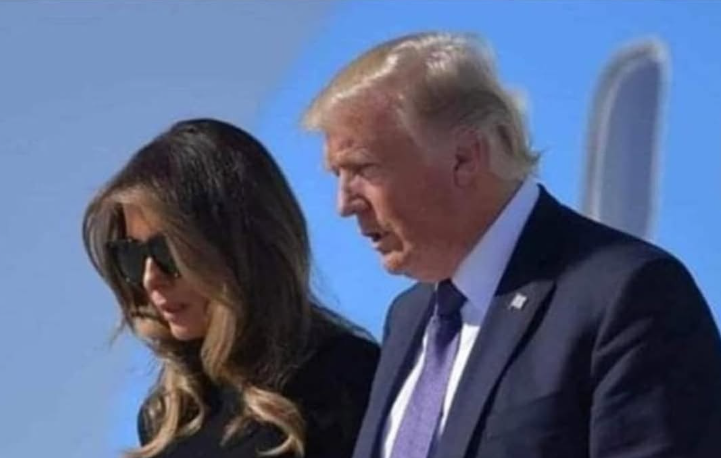
In 2025, former President Donald J. Trump underwent several high-profile medical evaluations, which have attracted significant public and media attention.
These assessments, conducted at the prestigious Walter Reed National Military Medical Center, were intended to monitor and confirm the former president’s ongoing fitness for public duties.
The information has been widely reported by credible outlets, including the Associated Press, Reuters, and other leading news organizations, providing a detailed picture of Trump’s health status.
Annual Medical Examination – April 2025
President Trump’s annual medical examination took place in April 2025. According to official statements from the White House and reporting from multiple news agencies.
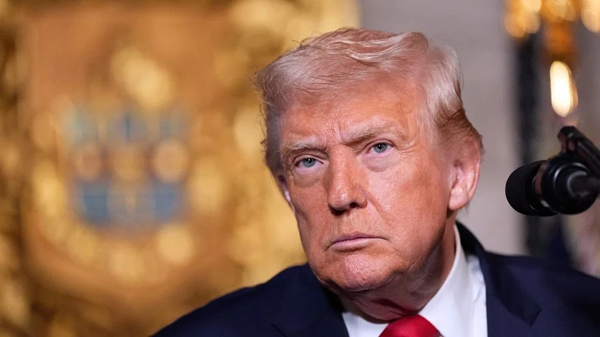
Trump’s personal physician conducted a full evaluation, covering cardiovascular health, metabolic function, neurological assessments, and general physical fitness.
The physician concluded that Trump was “fully fit for duty” and described his overall health as good. While this assessment was consistent with previous years, it emphasized the former president’s ability to perform the physical and cognitive tasks associated with public office.
The evaluation included standard tests such as blood work to monitor cholesterol, glucose, and other metabolic indicators, as well as a thorough cardiovascular examination including blood pressure monitoring and heart rhythm checks. Trump’s results showed no acute or immediately concerning health issues.
Follow-Up Evaluation – October 2025
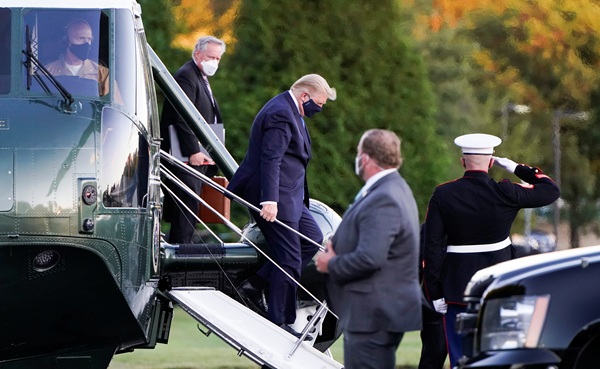
Later in October 2025, Trump returned to Walter Reed for a follow-up evaluation. The White House described this visit as a “planned, ongoing assessment of health,” emphasizing the continuity of monitoring for any age-related conditions. This examination included a comprehensive suite of tests, such as:
-
Laboratory tests – routine blood panels, liver and kidney function tests, and lipid profiles.
-
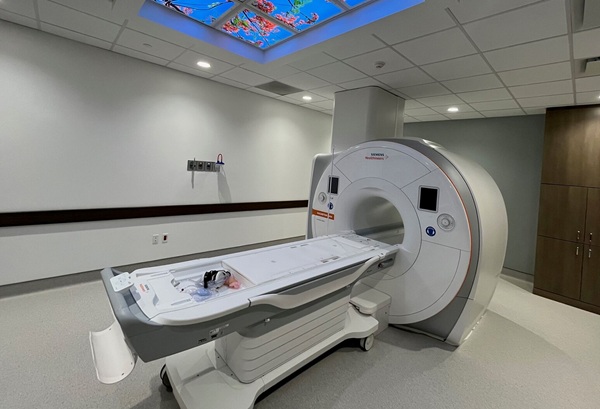
Imaging studies – CT scans and echocardiograms to evaluate heart and lung health.
-
Vaccinations and preventive care – ensuring up-to-date immunizations.
-
Neurological and cognitive assessments – including memory, attention, and executive function screenings.
The results from this October evaluation were notably positive. Trump’s physician described him as being in “excellent health,” a statement that was highlighted by several news outlets as confirmation of his robust physical condition despite being in his late seventies.
Chronic Venous Insufficiency Diagnosis
During the summer of 2025, the White House publicly disclosed that Trump had been diagnosed with chronic venous insufficiency (CVI), a condition affecting the veins of the legs.
CVI occurs when the veins are unable to efficiently return blood from the lower extremities to the heart, often leading to swelling, discomfort, or visible varicose veins.
This condition is common among older adults and is generally not considered life-threatening. Symptoms can usually be managed with lifestyle modifications, compression therapy, and in some cases, minimally invasive procedures.
According to medical experts, CVI does not impede an individual’s ability to perform high-level professional or public duties, although it may require ongoing monitoring.
Cognitive Health and Assessments
Cognitive function has been a topic of public interest regarding Trump’s health, particularly given the demands of political and public life.
According to statements issued by Trump and his representatives, the former president underwent cognitive testing as part of his routine medical assessments.
Trump has publicly stated that he “successfully passed” the Montreal Cognitive Assessment (MoCA), a widely used screening tool for memory and executive function.
Medical professionals note that while screening tools like the MoCA provide an overview of cognitive function, comprehensive assessments often include additional neuropsychological tests for a full picture of mental performance.
However, the reported outcomes indicate that Trump maintained cognitive abilities consistent with his age and professional activity.
Public Communication and Transparency
The White House has emphasized transparency regarding Trump’s health evaluations.
The disclosure of CVI and statements regarding cognitive testing are examples of efforts to provide factual information to the public while maintaining medical confidentiality where appropriate.
Media organizations such as Reuters and the Associated Press have corroborated these reports through independent sources and public records, reinforcing the credibility of the information.
Importantly, no verified reports have indicated that Trump’s health status posed any immediate risk to life or functional ability.
Contextualizing Age-Related Health
As a public figure in his late seventies, Trump’s health assessments provide insight into the management of age-related conditions among high-profile individuals.
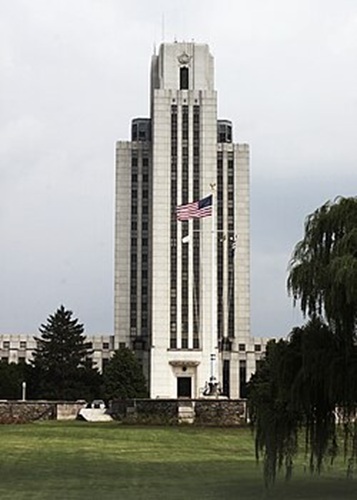
Regular evaluations at facilities like Walter Reed ensure that any potential health concerns are identified and addressed proactively.
This approach aligns with best practices for preventive health care, particularly for individuals in demanding public or leadership roles.
Implications for Public Perception
The repeated confirmations of Trump’s fitness for duty have broader implications for public perception. By undergoing routine examinations and publicly sharing aspects of his health status, Trump and his team aim to reinforce confidence in his physical and cognitive capabilities.
This transparency is particularly relevant given ongoing discussions about the age and health of former and current political leaders.
Media reports and expert commentary have generally concluded that Trump’s documented health conditions, including CVI, do not impair his ability to carry out responsibilities in professional or public contexts.
The overall picture presented by the evaluations suggests a former president who remains physically active and cognitively capable.
Conclusion
President Donald Trump’s 2025 medical evaluations at Walter Reed National Military Medical Center provide a comprehensive view of his health status.

The annual and follow-up examinations, including blood work, imaging, cognitive assessments, and preventive care, indicate that Trump was in good to excellent health throughout the year.
The diagnosis of chronic venous insufficiency, while notable, is a manageable age-related condition that does not pose an immediate threat to life.
Public statements regarding cognitive testing, including the MoCA assessment, further reinforce the perception of a former president maintaining functional cognitive abilities.
Combined with transparent reporting from the White House and confirmation from reputable media sources, the 2025 health updates paint a picture of a public figure committed to proactive health management and ongoing monitoring of age-related medical conditions.
Overall, the 2025 health assessments confirm that former President Donald Trump remained in stable physical and cognitive condition, with age-appropriate medical findings that are effectively managed through regular monitoring and care.
