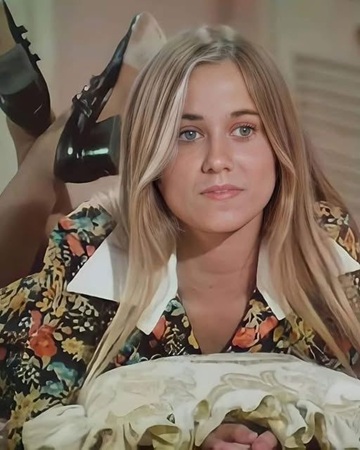
While “The Brady Bunch” initially aired from 1969 to 1974 with only modest ratings, it evolved into a cultural touchstone through syndicated reruns.
Eventually inspiring spin-offs, movies, specials, and a loyal multi-generational following.
The show’s concept — blending two families into one household — resonated with viewers, presenting an idealized version of suburban family life in a period of social change.
Yet beyond the bright sets, scripted laughter, and iconic theme song, the cast’s behind-the-scenes dynamics played a crucial role in the show’s lasting appeal, balancing camaraderie, youthful mischief, and personal challenges that reflected the complexities of growing up in the public eye.
The young cast members, ranging from pre-teens to teenagers, developed close friendships during filming.
Their daily routines involved long hours on the Paramount Studios lot, a setting that became both workplace and playground.
Many of the actors recounted engaging in playful antics during breaks or between scenes, often exploring other sets or climbing scaffolding to discover new vantage points.

These explorations were more than mere entertainment; they fostered trust, cooperation, and a sense of community among cast members navigating the pressures of early stardom.
The shared experiences on set, from rehearsals to filming challenging scenes, strengthened bonds and created a support network that would remain meaningful for years.
Off-screen relationships also contributed to the cast’s unique chemistry. Romantic tensions emerged naturally as the young actors navigated adolescence in close proximity.
Barry Williams, who played Greg Brady, dated Maureen McCormick, known for her portrayal of Marcia Brady, while Christopher Knight, portraying Peter Brady, had a relationship with Eve Plumb, who played Jan Brady.
These relationships, though relatively innocent by contemporary standards, added depth to on-screen interactions and provided authentic insights into adolescent experiences.
The blending of personal life and professional responsibilities required maturity and negotiation, helping the young cast develop social and emotional skills alongside their craft.
Despite the show’s wholesome and comedic image, cast members faced significant personal challenges, both during and after filming.
Maureen McCormick, for example, later shared in her memoir her struggles with anxiety, depression, and addiction, providing a candid glimpse into the pressures of early fame.
The disparity between the public’s perception of the cheerful Brady household and the cast members’ private realities underscores the complexities of child and teen stardom.
The demands of maintaining a public image, coupled with rigorous filming schedules, created environments that could exacerbate underlying vulnerabilities.
Production itself presented numerous challenges, requiring dedication and adaptability from the cast.
Filming schedules were demanding, with long days that often extended beyond typical school hours.
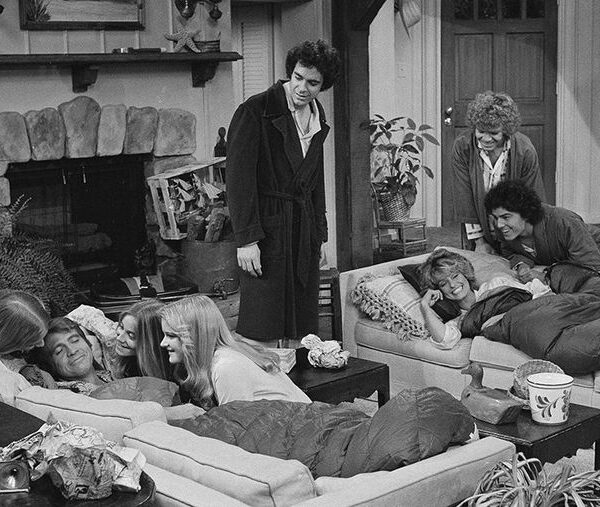
Despite these pressures, the actors demonstrated professionalism, consistently delivering performances that balanced humor with genuine emotion.
Notable examples include scenes requiring physical coordination, precise comedic timing, or interactions with live animals.
Christopher Knight, for instance, recalled filming a scene with a real tarantula, which tested both his courage and concentration while providing authentic reactions that translated to on-screen engagement.
The show’s narrative structure — blending situational comedy with moral lessons — demanded versatility from the cast.
Episodes often addressed typical family issues such as sibling rivalry, dating, school challenges, and social responsibility, requiring actors to navigate emotional beats that resonated with viewers of all ages.
These storylines, while scripted, offered opportunities for the young actors to explore a range of emotions and interpersonal dynamics, strengthening their craft and fostering audience empathy.
Camaraderie among cast members extended beyond the immediate filming environment.
Social activities, informal rehearsals, and shared meals cultivated a sense of belonging and stability in an otherwise unusual professional context.
Interviews with cast members suggest that these experiences contributed to long-term friendships and mutual support networks that endured decades after the show’s original run.
The combination of work and play provided a unique formative environment, blending mentorship, peer support, and collaborative creativity.
The cultural impact of “The Brady Bunch” was amplified by the rise of television syndication in the 1970s and 1980s.
Initially underperforming in network ratings, the show found new life in reruns, reaching a broader audience and solidifying its status as a classic.
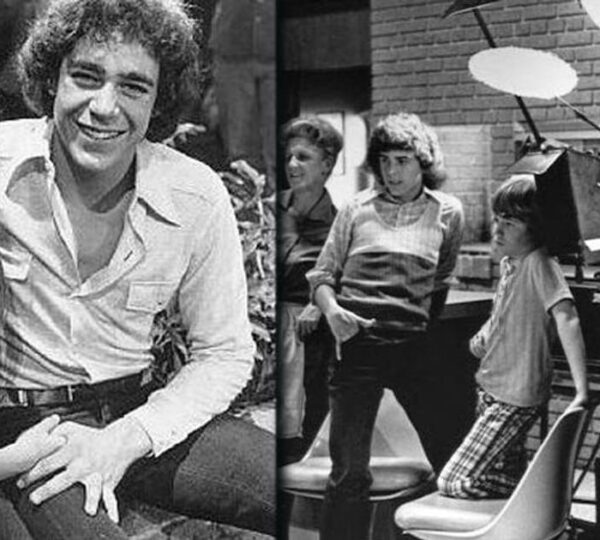
Syndication allowed younger viewers to experience the show for the first time, while older audiences reconnected with the nostalgia of its original run.
This phenomenon contributed to spin-offs, made-for-TV movies, and musical adaptations, each reinforcing the enduring charm and relevance of the Brady family.
Media coverage of the cast’s off-screen experiences added another layer to public fascination.
Stories of friendships, romances, and personal struggles humanized the actors and provided context for their performances.
The contrast between the scripted harmony of the Brady household and the individual journeys of the cast created a compelling narrative that extended beyond the television screen.
Fans were drawn not only to the storylines but also to the personalities and experiences of the actors themselves, enhancing engagement and fostering a sense of intimacy with viewers.
In addition to interpersonal dynamics, the production design and technical aspects of the show contributed to its lasting legacy.
Brightly colored sets, coordinated costumes, and signature hairstyles became visual shorthand for the show’s optimistic tone.
These elements, coupled with the actors’ performances, established a recognizable and appealing aesthetic that continues to be celebrated in popular culture.
Behind the scenes, actors often participated in shaping their performances to align with the show’s comedic timing and emotional beats, reflecting a collaborative environment that valued creativity and authenticity.
The Brady cast also navigated public expectations regarding behavior and image.
Child labor laws, studio guidelines, and parental oversight shaped daily routines, while fans and media exerted additional pressure on maintaining a positive image.
These factors required maturity and resilience, particularly as actors managed the transition from child performers to adult careers.
Long-term, these experiences influenced career trajectories, personal development, and public perceptions, underscoring the interconnectedness of professional and personal growth in the entertainment industry.
Ultimately, the enduring appeal of “The Brady Bunch” arises from a combination of factors: engaging storytelling, relatable themes, memorable performances, and the authentic connections formed among cast members.
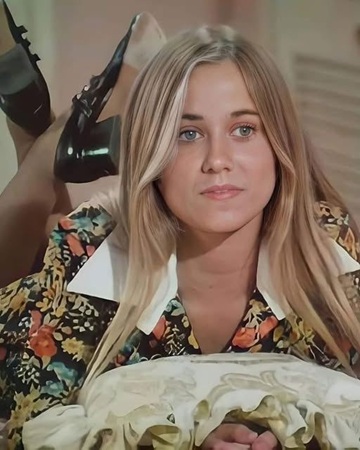
Behind the polished on-screen experience, the actors’ friendships, romances, personal challenges, and shared experiences enriched the show’s authenticity and resonance.
Their collective dedication, creativity, and resilience allowed audiences to connect with the Brady family across generations, ensuring that the series remains a beloved cultural touchstone.
Even decades after its original broadcast, reflections on the show highlight lessons in collaboration, empathy, and personal growth.
The cast’s ability to navigate adolescence under public scrutiny, maintain professionalism amidst challenges, and foster meaningful relationships offers insight into the broader dynamics of child and teen stardom.
Their stories demonstrate that behind every iconic performance lies a complex interplay of talent, friendship, personal development, and perseverance.
In summary, “The Brady Bunch” represents more than a television series; it is a cultural phenomenon shaped by compelling performances, enduring storylines, and the intricate dynamics of its cast.
The bonds formed during production, the challenges navigated off-screen, and the dedication to craft collectively contributed to a legacy that continues to captivate audiences.
Through syndication, spin-offs, and continued engagement with fans, the show illustrates the enduring power of television to entertain, educate, and foster a sense of shared cultural experience.
While “The Brady Bunch” initially aired from 1969 to 1974 with only modest ratings, it evolved into a cultural touchstone through syndicated reruns.
Eventually inspiring spin-offs, movies, specials, and a loyal multi-generational following.
The show’s concept — blending two families into one household — resonated with viewers, presenting an idealized version of suburban family life in a period of social change.
Yet beyond the bright sets, scripted laughter, and iconic theme song, the cast’s behind-the-scenes dynamics played a crucial role in the show’s lasting appeal, balancing camaraderie, youthful mischief, and personal challenges that reflected the complexities of growing up in the public eye.
The young cast members, ranging from pre-teens to teenagers, developed close friendships during filming.
Their daily routines involved long hours on the Paramount Studios lot, a setting that became both workplace and playground.
Many of the actors recounted engaging in playful antics during breaks or between scenes, often exploring other sets or climbing scaffolding to discover new vantage points.
These explorations were more than mere entertainment; they fostered trust, cooperation, and a sense of community among cast members navigating the pressures of early stardom.
The shared experiences on set, from rehearsals to filming challenging scenes, strengthened bonds and created a support network that would remain meaningful for years.
Off-screen relationships also contributed to the cast’s unique chemistry. Romantic tensions emerged naturally as the young actors navigated adolescence in close proximity.
Barry Williams, who played Greg Brady, dated Maureen McCormick, known for her portrayal of Marcia Brady, while Christopher Knight, portraying Peter Brady, had a relationship with Eve Plumb, who played Jan Brady.
These relationships, though relatively innocent by contemporary standards, added depth to on-screen interactions and provided authentic insights into adolescent experiences.
The blending of personal life and professional responsibilities required maturity and negotiation, helping the young cast develop social and emotional skills alongside their craft.
Despite the show’s wholesome and comedic image, cast members faced significant personal challenges, both during and after filming.
Maureen McCormick, for example, later shared in her memoir her struggles with anxiety, depression, and addiction, providing a candid glimpse into the pressures of early fame.
The disparity between the public’s perception of the cheerful Brady household and the cast members’ private realities underscores the complexities of child and teen stardom.
The demands of maintaining a public image, coupled with rigorous filming schedules, created environments that could exacerbate underlying vulnerabilities.
Production itself presented numerous challenges, requiring dedication and adaptability from the cast.
Filming schedules were demanding, with long days that often extended beyond typical school hours.
Despite these pressures, the actors demonstrated professionalism, consistently delivering performances that balanced humor with genuine emotion.
Notable examples include scenes requiring physical coordination, precise comedic timing, or interactions with live animals.
Christopher Knight, for instance, recalled filming a scene with a real tarantula, which tested both his courage and concentration while providing authentic reactions that translated to on-screen engagement.
The show’s narrative structure — blending situational comedy with moral lessons — demanded versatility from the cast.
Episodes often addressed typical family issues such as sibling rivalry, dating, school challenges, and social responsibility, requiring actors to navigate emotional beats that resonated with viewers of all ages.
These storylines, while scripted, offered opportunities for the young actors to explore a range of emotions and interpersonal dynamics, strengthening their craft and fostering audience empathy.
Camaraderie among cast members extended beyond the immediate filming environment.
Social activities, informal rehearsals, and shared meals cultivated a sense of belonging and stability in an otherwise unusual professional context.
Interviews with cast members suggest that these experiences contributed to long-term friendships and mutual support networks that endured decades after the show’s original run.
The combination of work and play provided a unique formative environment, blending mentorship, peer support, and collaborative creativity.
The cultural impact of “The Brady Bunch” was amplified by the rise of television syndication in the 1970s and 1980s.
Initially underperforming in network ratings, the show found new life in reruns, reaching a broader audience and solidifying its status as a classic.
Syndication allowed younger viewers to experience the show for the first time, while older audiences reconnected with the nostalgia of its original run.
This phenomenon contributed to spin-offs, made-for-TV movies, and musical adaptations, each reinforcing the enduring charm and relevance of the Brady family.
Media coverage of the cast’s off-screen experiences added another layer to public fascination.
Stories of friendships, romances, and personal struggles humanized the actors and provided context for their performances.
The contrast between the scripted harmony of the Brady household and the individual journeys of the cast created a compelling narrative that extended beyond the television screen.
Fans were drawn not only to the storylines but also to the personalities and experiences of the actors themselves, enhancing engagement and fostering a sense of intimacy with viewers.
In addition to interpersonal dynamics, the production design and technical aspects of the show contributed to its lasting legacy.
Brightly colored sets, coordinated costumes, and signature hairstyles became visual shorthand for the show’s optimistic tone.
These elements, coupled with the actors’ performances, established a recognizable and appealing aesthetic that continues to be celebrated in popular culture.
Behind the scenes, actors often participated in shaping their performances to align with the show’s comedic timing and emotional beats, reflecting a collaborative environment that valued creativity and authenticity.
The Brady cast also navigated public expectations regarding behavior and image.
Child labor laws, studio guidelines, and parental oversight shaped daily routines, while fans and media exerted additional pressure on maintaining a positive image.
These factors required maturity and resilience, particularly as actors managed the transition from child performers to adult careers.
Long-term, these experiences influenced career trajectories, personal development, and public perceptions, underscoring the interconnectedness of professional and personal growth in the entertainment industry.
Ultimately, the enduring appeal of “The Brady Bunch” arises from a combination of factors: engaging storytelling, relatable themes, memorable performances, and the authentic connections formed among cast members.
Behind the polished on-screen experience, the actors’ friendships, romances, personal challenges, and shared experiences enriched the show’s authenticity and resonance.
Their collective dedication, creativity, and resilience allowed audiences to connect with the Brady family across generations, ensuring that the series remains a beloved cultural touchstone.
Even decades after its original broadcast, reflections on the show highlight lessons in collaboration, empathy, and personal growth.
The cast’s ability to navigate adolescence under public scrutiny, maintain professionalism amidst challenges, and foster meaningful relationships offers insight into the broader dynamics of child and teen stardom.
Their stories demonstrate that behind every iconic performance lies a complex interplay of talent, friendship, personal development, and perseverance.
In summary, “The Brady Bunch” represents more than a television series; it is a cultural phenomenon shaped by compelling performances, enduring storylines, and the intricate dynamics of its cast.
The bonds formed during production, the challenges navigated off-screen, and the dedication to craft collectively contributed to a legacy that continues to captivate audiences.
Through syndication, spin-offs, and continued engagement with fans, the show illustrates the enduring power of television to entertain, educate, and foster a sense of shared cultural experience.