
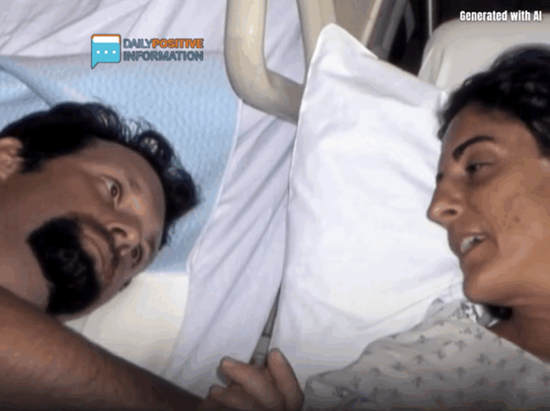
Life often feels predictable, yet in reality, it can change in an instant. Ryan Finley had always believed that the ordinary rhythm of weekends would continue indefinitely, never imagining that one morning would alter everything forever.
On a seemingly ordinary Sunday, Ryan awoke to the warmth of sunlight streaming through their bedroom window. His wife, Jill, was still asleep beside him, but when he attempted to wake her, a chilling silence greeted him instead.
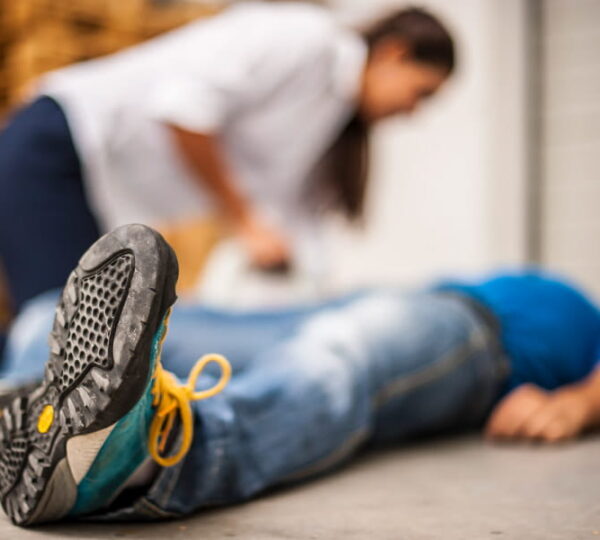
Alarm immediately gripped Ryan’s heart. Jill was unresponsive. Fear flooded every thought. Without hesitation, he dialed emergency services and followed the dispatcher’s instructions to perform CPR, his hands trembling while adrenaline surged through his veins.
Paramedics arrived within minutes, expertly taking over, while Ryan held Jill’s hand tightly. Her face was pale, her breaths shallow, as she was rushed into the ambulance. The drive to the hospital felt interminable, every red light magnifying Ryan’s growing dread.
At the hospital, the team confirmed Jill had suffered a cardiac arrest, a sudden and critical interruption of the heart’s rhythm that had deprived her brain of vital oxygen for precious minutes. Doctors warned Ryan that her condition was extremely serious.
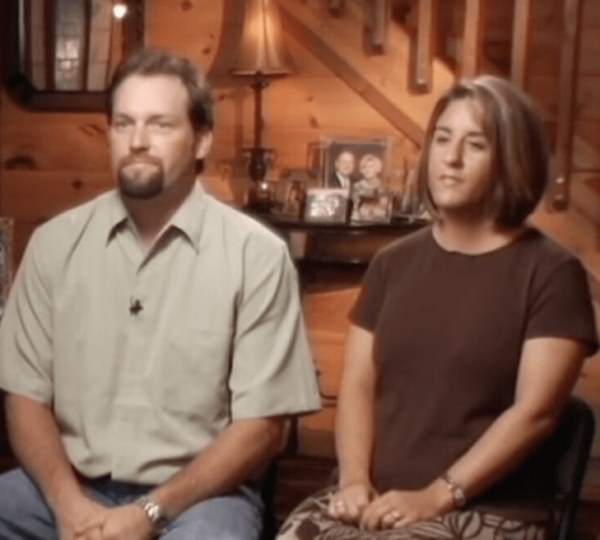
Within hours, Jill fell into a coma, her body mechanically supported by life-sustaining measures. Ryan sat vigil at her bedside, silently praying, desperate for any sign of consciousness, clinging to hope amid the terrifying uncertainty of the ICU.
Family and friends rallied immediately. Jill’s cousin volunteered to read the Bible to her daily, filling the room with quiet words of scripture and faith. Each passage was read slowly, with the hope that it might reach her subconscious mind.
Ryan also joined the daily reading ritual. With a shaky voice at first, he began reading passages aloud, feeling a growing mixture of despair and hope. He recited favorite verses from memory, believing that Jill could hear and recognize the love embedded in each word.
For fourteen long days, Jill remained unresponsive. Time seemed suspended. Every beep from the machines, every movement in the sterile hospital room, carried enormous weight, each a reminder of the fragile line between life and death.
Doctors reviewed her condition daily. Though machines supported her vital functions, the prognosis was grim. Specialists explained that prolonged cardiac arrest often results in severe brain injury, sometimes irreversible, leaving loved ones with agonizing decisions about continued care.
On the fourteenth day, doctors sat with Ryan to discuss the possibility of discontinuing life support. They explained that most patients in prolonged comas with no neurological improvement rarely regain consciousness. Ryan faced the heart-wrenching choice alone.
After deep reflection, Ryan made the painful decision to follow Jill’s previously expressed wishes: she did not want to live in a vegetative state. He consented to remove life support, trusting her prior voice even in her absence.
Hours passed with a tense quiet. The beeping of monitors became a haunting symphony, each note amplifying the emotional weight Ryan carried. He whispered prayers, tears streaming silently, bracing for a loss he could scarcely imagine.
Then, something extraordinary occurred. About five hours after the removal of life support, Jill’s fingers twitched, and she began to move slowly. Ryan leaned closer, heart pounding, unsure if his eyes deceived him.
Jill spoke. Her first words were simple yet profound: “Get me out of here. I want to go home.” The clarity of her voice astonished medical staff and visitors alike, filling the room with disbelief and wonder.
She answered questions correctly, recalling names, places, and memories with accuracy. Despite the trauma, her cognitive faculties seemed largely intact, defying the grim predictions that had loomed over the family for weeks.
Jill immediately asked about her favorite Mexican restaurant. Ryan smiled through tears, recognizing her sense of humor and normalcy returning, evidence that she retained the essence of herself beyond the critical event.
Ryan regards Jill’s recovery as a miracle, a moment of divine intervention that cannot be fully explained by medicine alone. Every detail—from the timing to her unexpected awakening—felt impossibly precise, almost supernatural.
Though she required extensive rehabilitation to regain strength and mobility, each step forward was celebrated. Jill learned to walk, eat, and perform basic activities with patient guidance, supported constantly by Ryan and loving family members.
Together, they navigated the complex emotional aftermath of the event. Fear, gratitude, and trauma coexisted. Ryan found himself savoring small moments: Jill’s laughter, her gentle hand squeezes, the return of routines once taken for granted.
Jill supported Ryan’s decision regarding life support, understanding that the alternative would have been a life she could not have wanted. Their shared understanding strengthened the bond between them, reaffirming mutual respect and love.
Ryan confesses that every night he gently wakes Jill to confirm she is truly there beside him. This ritual is both a reassurance and a reminder of the fragility of life and the value of every shared day.
Friends and extended family often visit, bearing gifts, meals, and encouraging words. These social connections proved vital, providing emotional support and a network to assist in Jill’s gradual return to independence.
Medical follow-ups are frequent. Neurologists, cardiologists, and rehabilitation specialists monitor her progress carefully, ensuring no complications arise and that her recovery remains on track, adjusting treatments and therapies as needed.
Physical therapy has become a cornerstone of her daily routine. Exercises designed to rebuild core strength, flexibility, and endurance are performed patiently, sometimes with frustration, but always with incremental progress and steadfast determination.
Occupational therapy also plays a critical role. Jill relearns tasks such as cooking, dressing, and fine motor skills, helping restore independence and confidence in performing everyday functions that were temporarily lost.
Psychological support is equally essential. Both Ryan and Jill attend counseling sessions to process the trauma, anxiety, and lingering fear associated with the near-death experience, ensuring emotional resilience alongside physical healing.
Ryan often reflects on the fragility of life. He expresses gratitude for every moment, emphasizing that the unexpected nature of existence demands both mindfulness and appreciation for relationships and shared experiences.
The couple also engages in spiritual practices. Daily readings, meditations, and quiet reflections provide emotional grounding, reinforcing hope and maintaining a sense of purpose during recovery.
They share their story publicly, inspiring others who have faced similar crises. The narrative highlights faith, perseverance, and the human capacity to endure unimaginable stress and emerge stronger.
Jill’s recovery has transformed family dynamics. Children, siblings, and extended relatives approach life with renewed appreciation for health and togetherness, understanding firsthand the precarious nature of mortality.
Community support has played a vital role. Local friends and neighbors have organized meals, transportation, and visits, helping alleviate practical burdens and allowing the family to focus entirely on Jill’s recovery.
Ryan remains vigilant about her health, tracking medications, vital signs, and emotional wellbeing daily. Preventive measures are prioritized, including balanced nutrition, adequate sleep, and regular checkups to safeguard against future emergencies.
Gratitude is central to their daily lives. Each day is approached with intentionality, whether sharing meals, going for walks, or simply enjoying quiet moments together at home, recognizing that life is a precious, unpredictable gift.
Medical professionals involved in Jill’s care continue to marvel at her recovery. Their assessments highlight that while miraculous recoveries are rare, consistent support, vigilance, and patient-centered care can yield extraordinary outcomes.
Jill now participates in community activities and volunteer efforts, sharing her experience to educate others about cardiac risks, CPR importance, and the value of preparedness in life-threatening situations.
Ryan emphasizes the importance of CPR training for all family members, reflecting on how immediate action and knowledge contributed significantly to Jill’s survival and eventual miraculous awakening.
Together, they have adjusted long-term plans to account for her cardiac history, incorporating lifestyle changes that support heart health, reduce stress, and maintain overall wellness.
They practice daily mindfulness and stress management techniques, including breathing exercises, short meditation sessions, and gentle yoga, helping both to maintain calm and emotional balance.
Dietary changes are implemented thoughtfully. Heart-healthy foods, reduced sodium intake, and balanced macronutrients are prioritized, alongside hydration and avoidance of unnecessary medications or supplements that could interfere with recovery.
The couple’s relationship has grown deeper. Shared vulnerability and the experience of near-tragedy have strengthened trust, communication, and mutual appreciation, reinforcing the foundation of love that sustains them through ongoing challenges.
Ryan often speaks about the event’s lessons: life’s fragility, the importance of readiness, and the necessity of living with gratitude for each unassumed day, emphasizing that miracles often require human action in tandem with faith.
They celebrate small victories with ritual significance: each regained skill, each walk, each shared meal serves as a marker of progress, a tangible reminder that Jill’s recovery is real, ongoing, and profoundly meaningful.
The couple plans cautiously for future adventures, resuming hobbies and travel with mindfulness, balancing excitement with practical considerations for Jill’s cardiac health and ongoing monitoring of physical endurance.
Through their journey, Ryan and Jill have become advocates for CPR awareness, emergency preparedness, and holistic support for cardiac patients, sharing knowledge that could literally save lives within their community.
Medical check-ins remain frequent but are now less stressful. Jill’s vitals are monitored, and incremental improvements are celebrated. Doctors continue to be cautiously optimistic, recognizing that her resilience and determination play as much a role as medical interventions.
Community and family engagement remains central. Friends often accompany them on outings, ensuring support is available while allowing Jill to regain confidence in mobility and independence gradually.
Ryan emphasizes that faith, patience, and love were critical throughout. Daily prayers, scripture readings, and mindful meditation helped sustain hope when medical odds seemed insurmountable.
They are often invited to speak at local gatherings, sharing firsthand experience about the intersection of medical care, faith, and personal perseverance, inspiring audiences with tangible lessons from their story.
Jill’s ongoing rehabilitation is a mix of structured therapy, self-directed exercises, and adaptive strategies, creating a comprehensive approach to regaining pre-arrest functionality and enjoying life fully.
Ryan notes the importance of emotional regulation. Both practice communication strategies to reduce stress, manage fear, and support each other emotionally, ensuring that trauma does not permanently disrupt their relationship.
The couple continues to advocate for heart health, emphasizing early detection, CPR training, and awareness of cardiac arrest symptoms, encouraging proactive engagement rather than passive hope.
They also prioritize mindfulness in family life, incorporating gratitude journals, reflective discussions, and daily acknowledgments of small successes to reinforce positive mental health and appreciation.
Ryan reflects on how close calls change life perspective. Everyday annoyances become less important; time together, simple routines, and shared laughter gain a new depth of meaning in light of near-tragedy.
They have created a sustainable recovery environment at home, with adaptive furniture, safety measures, and medical equipment discreetly integrated to support ongoing health while preserving normalcy and independence.
The couple has documented their journey, combining personal reflection, medical observations, and emotional milestones into a journal, creating both a record of survival and a source of inspiration for others.
Their children participate actively in the recovery process, learning responsibility, compassion, and the importance of family cohesion during crises, fostering resilience and emotional intelligence.
Ryan emphasizes community education. He encourages workshops on emergency response, cardiac awareness, and family support strategies, helping others be better prepared should similar emergencies arise.
Jill’s miraculous recovery continues to inspire medical professionals, family members, and the broader community, illustrating that hope, care, and immediate action can combine to produce extraordinary outcomes.
Daily routines remain structured but flexible. Exercise, therapy, meditation, and shared meals form the core of their day, ensuring both physical and emotional needs are addressed consistently.
They continue to engage in social activities, balancing caution with enjoyment, reinforcing the importance of reintegration into normal life after trauma while maintaining vigilance for health concerns.
Ryan often reflects on mortality, emphasizing gratitude for each waking moment and the preciousness of time spent together, reinforcing the lesson that life’s fragility demands intentional, heartfelt living.
Together, Ryan and Jill have created a life that honors survival, cherishes each day, and recognizes the miracle inherent in their shared recovery, inspiring those around them to value family, faith, and resilience above all.
