
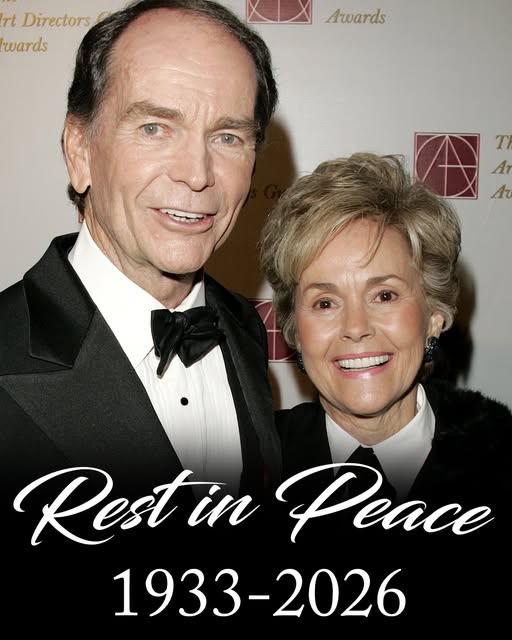
Hollywood is saying goodbye to one of its enduring faces from the golden age of television. Lory Patrick, an actress, writer, and former model.
Passed away peacefully at her home in Gettysburg, Pennsylvania, on January 26, 2026, at the age of 92. Surrounded by family and close friends, Patrick’s passing marks the end of an era for those who remember the warmth, charm, and dedication she brought to the small screen during a career that spanned decades.
Born Loretta Basham on April 8, 1933, in Beckley, West Virginia, Patrick’s early life was rooted in small-town America.
She grew up surrounded by family, learning the values of perseverance and independence that would later define her career.
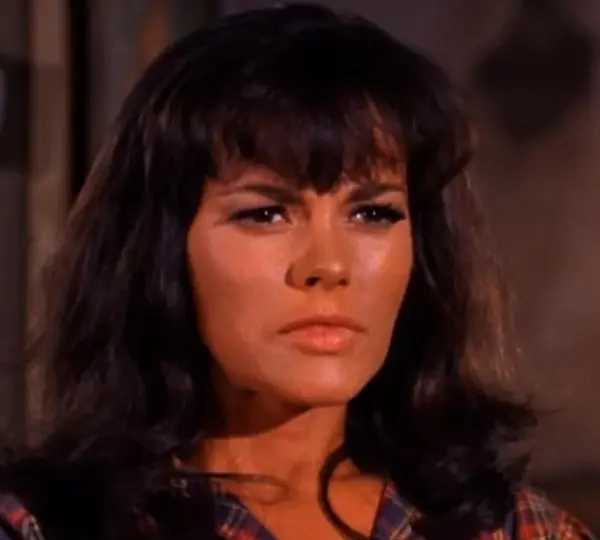
After graduating high school, Lory moved to Detroit to begin her career in modeling, quickly gaining recognition for her poise, beauty, and professionalism.
Detroit in the 1950s offered opportunities, but Lory had larger ambitions; she longed to break into the world of film and television.
From Modeling to Hollywood Dreams
Patrick eventually moved to New York City, where the competitive modeling world tested her resilience. While attending a film interview in Manhattan, she faced a discouraging moment that could have ended many careers.
A producer dismissed her outright, saying, “Pretty girls can’t act.” For Patrick, this judgment ignited determination rather than discouragement.
She resolved to prove that talent, ambition, and dedication could overcome superficial assumptions. Packing her belongings, she headed west to Los Angeles with dreams of becoming a working actress.
Her perseverance quickly paid off. Within three days of arriving in Hollywood, Patrick landed her first role on The Loretta Young Show, a major achievement for any aspiring actress of the era.
Her appearance on the show marked the beginning of a prolific decade in television, establishing her as a familiar and beloved presence on the small screen.
Television Stardom: From Westerns to Sitcoms
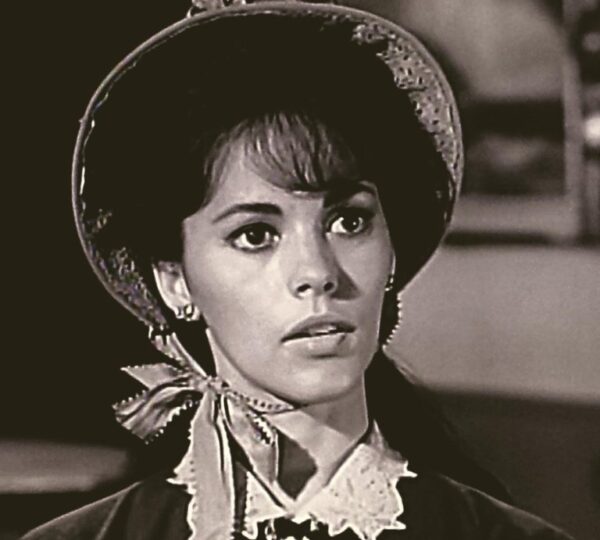
Lory Patrick became a recognizable figure to millions of viewers as schoolteacher Tina Swenson on NBC’s hit series Tales of Wells Fargo.
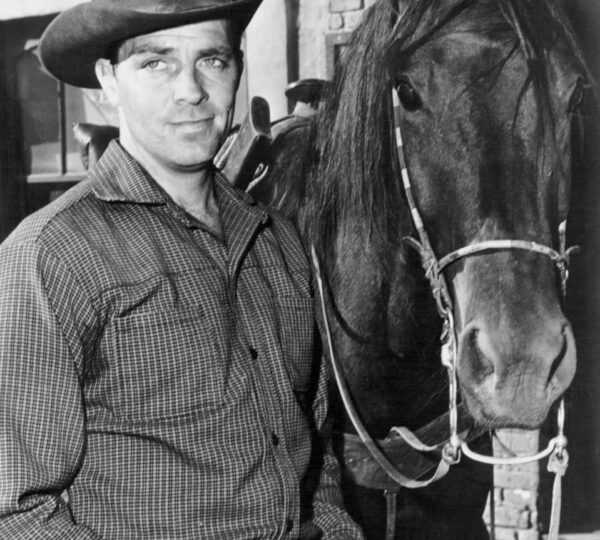
She starred alongside Dale Robertson during the show’s final season, earning praise for her natural charm, approachable demeanor, and ability to hold her own alongside veteran actors.
This role cemented her reputation as a talented performer capable of portraying both strength and warmth.
Patrick’s television career spanned more than 70 appearances over the course of the 1960s, making her a familiar face to audiences tuning in to the era’s most popular series.
She guest-starred in shows like Bonanza, Wagon Train, Dr. Kildare, The Adventures of Ozzie and Harriet, and The Many Loves of Dobie Gillis.
Each role allowed her to showcase her range, from the spirited young woman navigating romance and life challenges to more dramatic characters confronting conflict and adversity.
During a 1961 interview, Patrick emphasized that her success was the result of relentless work and dedication rather than luck. “You can’t just be beautiful and expect doors to open,” she explained.
“It’s hard work, persistence, and a willingness to learn that make a career.” This philosophy guided her through the fast-paced, often unforgiving world of 1960s television, allowing her to maintain consistent work in an industry notorious for its volatility.
Big Screen Roles and Diverse Talents
Although television was her primary medium, Patrick also appeared in several feature films. She had roles in the 1964 beach-party classic Surf Party and the 1967 comedy How to Succeed in Business Without Really Trying.
While these films are remembered for their charm and humor, Patrick’s contributions demonstrated her ability to move fluidly between genres, balancing comedic timing with dramatic presence.
Her talents extended beyond acting. At a time when few women worked as television writers, Patrick wrote episodes for Bonanza, demonstrating her creative versatility and ability to contribute meaningfully behind the camera.
Later, she became a columnist for a writers’ magazine and authored the faith-based book Hearing God in 1993. She also directed the stage production St. John in Exile in 1984, which starred her husband, showcasing her continued passion for the arts in multiple forms.
A Life of Love and Partnership
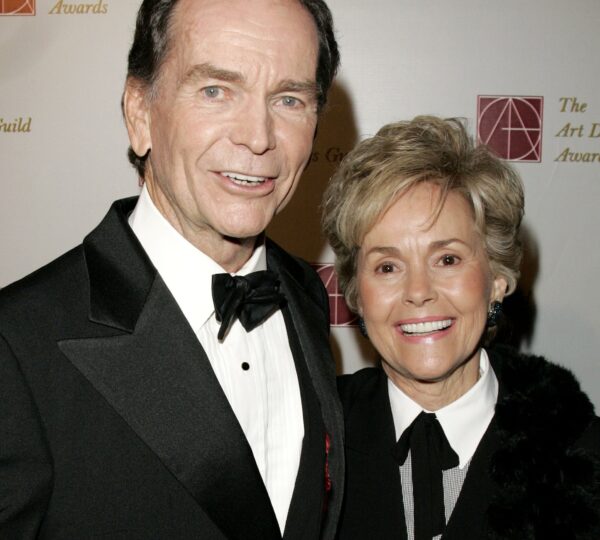
Lory Patrick’s personal life was marked by enduring love and commitment. She married Disney star Dean Jones in 1973, and their partnership lasted until his death in 2015.
Known for iconic family films such as That Darn Cat!, The Love Bug, and The Shaggy D.A., Jones shared Patrick’s dedication to faith, service, and family.
The couple’s marriage spanned 42 years, during which they actively engaged in ministry work, serving as elders at The Church on the Way in California and helping to establish the Christian Rescue Fund, a humanitarian organization devoted to aiding those in need.
Earlier in her life, Patrick was briefly married to acclaimed science-fiction writer Harlan Ellison in 1966, reflecting the diversity of her personal experiences and connections in both creative and literary circles.
However, it was her marriage to Jones that provided long-term stability and partnership, both personally and professionally.
Faith and Advocacy
Following her retirement from acting in the late 1960s, Patrick dedicated herself to faith, family, writing, and artistic pursuits.
Her work extended beyond the screen, reflecting a deeply spiritual life focused on service and community engagement. Alongside Jones, she participated in ministry efforts and humanitarian initiatives, emphasizing compassion, support, and leadership through faith.
Patrick’s later years were marked by continued advocacy, mentorship, and contributions to the Christian community, leaving an impact that went far beyond Hollywood.
Legacy and Family
After Dean Jones’s passing in 2015, Patrick relocated from California to Gettysburg, Pennsylvania, to be closer to her family.
She is survived by three children, eight grandchildren, nine great-grandchildren, three brothers, and a sister. Her large and loving family reflects the breadth of her life outside the public eye, emphasizing her devotion to those closest to her.
For fans of classic television, Patrick was a warm, familiar presence—a reassuring figure who brought humor, humanity, and relatability to a variety of roles.
Beyond her acting, she built a life rooted in faith, service, and creativity, leaving behind a multi-faceted legacy. From the bright lights of Hollywood to the quiet work of ministry and writing, Patrick’s life serves as a testament to resilience, dedication, and compassion.
Impact on Hollywood and Television History
Lory Patrick’s career exemplified the transition of television during the golden age. She witnessed firsthand the evolution of Hollywood from the studio-driven system to the more independent, network-centric approach of the 1960s and beyond.
Her work on multiple popular series demonstrated not only her adaptability but also the potential for female performers to contribute meaningfully in an era dominated by men, both in front of and behind the camera.
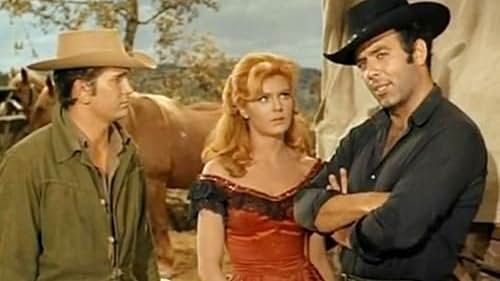
As an actress, Patrick brought authenticity to her roles, whether portraying a determined teacher, a supportive friend, or a character navigating the challenges of frontier life in Western series.
Her appearances resonated with audiences not because of celebrity or scandal, but because of her ability to evoke real emotion and warmth on screen.
For viewers growing up in the 1960s and 1970s, Patrick represented the ideal of approachable, talented, and grounded television stars who could inspire without overwhelming the story.
Breaking Barriers as a Woman in Hollywood
Patrick’s work as a television writer on Bonanza highlighted her trailblazing spirit. Writing for a major Western series at a time when women were rarely given such opportunities demonstrated not only her talent but also her determination to expand her influence beyond acting.
Her work in writing and directing set a precedent for other women in the industry, showing that creative contributions were not limited to traditional roles.
Later, as a columnist and author, Patrick shared her insights and experiences with broader audiences, empowering others to pursue their own creative paths.
Life Beyond the Screen
Off-screen, Patrick lived a life centered on family, faith, and service. Her dedication to the Christian Rescue Fund and other charitable efforts reflected a commitment to using her platform for positive impact.
Alongside her husband, she exemplified partnership, faith, and community engagement, mentoring others and creating opportunities for support and service. In her later years, Patrick focused on enjoying family life, sharing her wisdom and love with her children, grandchildren, and great-grandchildren.
Her relocation to Gettysburg marked a quieter chapter, emphasizing personal fulfillment and connection over public attention.
Patrick’s decision to prioritize family and faith illustrates a life lived intentionally, guided by values rather than fame or recognition. She remained intellectually active and creatively engaged, continuing to write, reflect, and mentor until the end of her life.
Remembering Lory Patrick
Lory Patrick’s passing at the age of 92 leaves a significant void in the hearts of those who knew her personally, as well as fans of classic television.
For many Americans who grew up watching Westerns, sitcoms, and family-oriented shows, Patrick was more than an actress—she was a symbol of a bygone era when television combined storytelling, charm, and moral lessons in accessible ways.
Her life story also serves as a reminder of perseverance. From being dismissed as “just a pretty girl” in New York to becoming a beloved television star, writer, director, and humanitarian, Patrick overcame obstacles through determination, talent, and a commitment to growth.
Her legacy is multi-dimensional, spanning acting, writing, ministry, and family, reflecting a life that was both publicly admired and privately fulfilling.
Conclusion: A Legacy of Talent, Faith, and Love
Lory Patrick will be remembered not only for her contributions to television and film but also for her dedication to her family, faith, and community.
From her early modeling days in Detroit and New York to her decades-long career in Hollywood, she broke barriers, inspired audiences, and cultivated a life rich with meaning and purpose.
Her passing reminds us that true legacy extends beyond fame or recognition. It is measured in the lives we touch, the love we cultivate, and the integrity with which we live.
Lory Patrick’s life exemplified all of these qualities. She leaves behind a family that loved her dearly, a body of work that will continue to entertain and inspire, and a legacy of faith, perseverance, and service that will endure for generations.
As Hollywood and fans worldwide reflect on her life, it is clear that Lory Patrick’s influence was profound, touching both the entertainment industry and the hearts of countless individuals who admired her on screen and in life.
She may have left this world, but her impact—through her performances, her writings, and her family—will continue to shine brightly for decades to come.
