

Kurt Russell’s journey through Hollywood is one of remarkable longevity, discipline, adaptability, and quiet resilience. In an industry known for rapid rises and equally swift declines.
Russell has sustained a career that spans more than six decades. His story is not defined by tabloid headlines or constant reinvention, but by consistency, craftsmanship, and an unwavering commitment to both his work and his family.
From his early days as a child actor to his evolution into a respected leading man and later a seasoned character performer, Russell’s path reflects a steady dedication to the craft of acting rather than the pursuit of celebrity itself.
Early Life and Family Influence
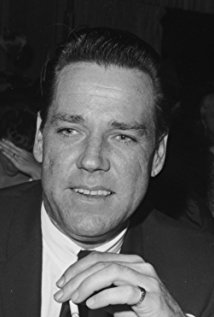
Kurt Russell was born on March 17, 1951, into a family already connected to the entertainment industry. His father, Bing Russell, was a working character actor best known for his role as Deputy Clem Foster on the television western Bonanza.
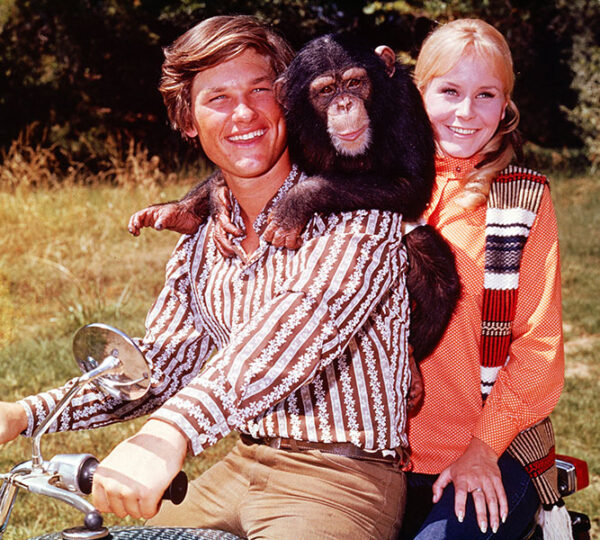
Growing up around film sets and television productions meant that Kurt was exposed to the rhythms of Hollywood from an early age.
However, being raised in an acting household brought both opportunity and responsibility. Acting was not presented to him as a glamorous dream but as a profession — one that required discipline, punctuality, and resilience.
Bing Russell understood the uncertainties of the industry. Roles came and went. Success was never guaranteed. That realism shaped Kurt’s understanding of what it meant to build a sustainable career.
Beyond acting, Bing Russell had a deep passion for baseball and later became known for owning the independent Portland Mavericks baseball team in the 1970s.
His entrepreneurial spirit and willingness to operate outside the Hollywood mainstream left a lasting impression on his son.
Kurt has often acknowledged that his father’s example taught him independence and self-reliance — qualities that would define his own career decisions.
When Bing Russell passed away in 2003, the loss was deeply personal. Their relationship extended beyond family ties into mentorship and shared creative values.
Processing that grief required time, particularly because Kurt’s early identity was so closely tied to his father’s guidance and example.
The Disney Years: A Young Star in the Making
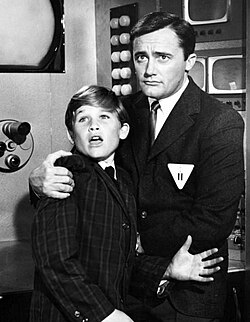
Kurt Russell’s acting career began early. As a child performer, he appeared in television shows during the late 1950s and early 1960s. His natural presence on screen led to a long-term contract with The Walt Disney Company in the 1960s.
During this period, he starred in a series of family-oriented films that made him one of Disney’s most recognizable young actors.
Titles such as The Computer Wore Tennis Shoes, The Barefoot Executive, and Now You See Him, Now You Don’t positioned him as a wholesome, relatable figure for younger audiences.
For many child actors, early success can be difficult to navigate. The transition from adolescence to adulthood often exposes the fragility of fame.
Yet Russell approached the period with a workmanlike attitude. He did not chase notoriety. Instead, he focused on professionalism and growth.
At one point, Disney reportedly considered him among their most valuable young stars. A widely repeated anecdote notes that Walt Disney once wrote “Kurt Russell” as one of the last names on a piece of paper before his death in 1966.
While the exact meaning of that note remains speculative, it has become part of Hollywood lore — a reflection of the studio’s confidence in Russell’s potential.
A Parallel Passion: Baseball
Acting was not Russell’s only ambition. Throughout his youth and into early adulthood, he pursued baseball seriously. He played in minor league baseball during the early 1970s, demonstrating real athletic ability.
Ultimately, a shoulder injury ended his professional baseball aspirations. That turning point redirected his focus fully back to acting.
In later interviews, Russell has suggested that losing baseball may have strengthened his commitment to film, as it clarified where his long-term path lay.
This period reinforced a recurring theme in his life: resilience in the face of change. Rather than viewing setbacks as failures, he treated them as redirections.
Reinvention in Adulthood
As Russell transitioned from youthful Disney roles into adult performances, he avoided becoming trapped by his early image. This transformation required careful role selection and creative risk-taking.
A pivotal collaboration began with director John Carpenter. Their partnership would produce several defining films of Russell’s career.
In 1981, Russell starred as Snake Plissken in Escape from New York. The character — an eye-patched antihero navigating a dystopian Manhattan — represented a dramatic departure from his family-friendly beginnings. The performance established him as a credible action star and cult favorite.

The following year, he appeared in The Thing, also directed by Carpenter. Initially, the film received mixed reviews and modest box office returns.
Over time, however, it has been widely reassessed as one of the most influential science fiction horror films of its era. Russell’s portrayal of helicopter pilot R.J. MacReady is now considered one of his most iconic roles.
This period demonstrated his willingness to embrace darker, more complex material rather than remain within the safety of his earlier image.
Dramatic Depth: Silkwood and Beyond
Russell’s dramatic range became particularly evident in Silkwood, directed by Mike Nichols. Starring alongside Meryl Streep and Cher, Russell portrayed Drew Stephens, the partner of Karen Silkwood.
The performance was understated and emotionally grounded, showcasing his ability to support intense, character-driven storytelling. Although he did not receive major awards recognition for the role, critics acknowledged his strong contribution to the ensemble.
Throughout the 1980s and 1990s, Russell continued to build a diverse filmography. In Tombstone, he portrayed Wyatt Earp, anchoring a cast that included Val Kilmer and Sam Elliott. The film became a modern western classic, praised for its performances and dialogue.
Later, he starred in Miracle, portraying hockey coach Herb Brooks. The film chronicled the U.S. Olympic hockey team’s 1980 victory over the Soviet Union.
Russell’s portrayal was disciplined and inspiring, reflecting his lifelong respect for sports and leadership.
Recognition Without Reliance on Awards
Despite an extensive body of work, Kurt Russell has often existed outside the traditional awards spotlight.
He has received nominations, including an Emmy nomination for the television film Elvis (1979), but he has not built his identity around awards campaigns or industry accolades.
Instead, his career reflects endurance over hype. He has maintained steady work across genres — action, drama, western, comedy — earning a reputation as a dependable and collaborative professional.
In Hollywood, where public image can overshadow substance, Russell’s legacy is rooted in craftsmanship rather than spectacle.
Partnership with Goldie Hawn
One of the most enduring aspects of Russell’s life has been his partnership with Goldie Hawn. The two began their relationship in 1983 after reconnecting while filming Swing Shift.
Over the decades, they have become one of Hollywood’s most stable and private couples. Notably, they chose not to marry, emphasizing commitment over ceremony.
Both have publicly stated that their relationship thrives on mutual respect, independence, and communication.
Together, they raised a blended family that includes actress Kate Hudson, Hawn’s daughter from a previous marriage, and actor Wyatt Russell, their son.
Russell has often spoken about the importance of fatherhood and the pride he feels in his children’s accomplishments.
For him, family has consistently taken precedence over career ambition. In interviews, he has described success not in terms of box office numbers, but in terms of relationships and stability at home.
A Career That Continues to Evolve
Even in later decades, Russell has continued to adapt. He joined the ensemble of the Fast & Furious franchise and appeared in Quentin Tarantino’s The Hateful Eight.
These roles introduced him to new audiences while reinforcing his reputation as a seasoned performer capable of blending authority with subtle humor.
Unlike many actors who seek reinvention through dramatic image shifts, Russell’s evolution has been gradual and organic. He chooses projects that interest him rather than chasing trends.
Endurance Over Headlines
Russell’s story stands out because it lacks the dramatic peaks and valleys often associated with Hollywood biographies. He navigated childhood fame, career transitions, personal loss, and industry shifts without allowing any single phase to define him.
He did not rely on controversy for relevance. He did not aggressively pursue awards campaigns. He maintained a steady, disciplined presence in an unpredictable field.
That steadiness may be his most remarkable achievement.
Legacy and Perspective
Today, Kurt Russell’s career is widely respected for its breadth and consistency. From Disney comedies to science fiction thrillers, from western epics to sports dramas, he has demonstrated adaptability while preserving authenticity.
His legacy illustrates that success in Hollywood is not measured solely by trophies or headlines. It can also be defined by:
-
Longevity across generations
-
Loyalty to collaborators
-
Commitment to family
-
Professional reliability
-
Willingness to evolve
In an industry driven by rapid change, Russell’s durability is rare. He built a career not through constant reinvention, but through steady dedication to craft.
Conclusion
Kurt Russell’s life in Hollywood reflects more than celebrity. It represents discipline shaped by early responsibility, resilience strengthened by personal loss, and a philosophy grounded in family and craftsmanship.
From the influence of Bing Russell to his decades-long partnership with Goldie Hawn, from cult classics like The Thing to mainstream hits like Tombstone and Miracle, his journey is one of quiet perseverance.
In a profession often defined by fleeting recognition, Kurt Russell demonstrates that integrity, adaptability, and lasting relationships may be the most meaningful measures of success.
