
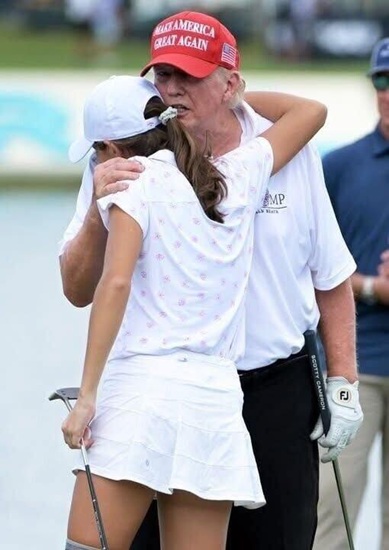
Kai Madison Trump, born on May 12, 2007, in New York City, is the eldest daughter of Donald Trump Jr. and Vanessa Trump, and the granddaughter of former President Donald J. Trump.
She has gradually become known for her athletic pursuits rather than her political heritage. Her name reflects her family’s diverse lineage, inspired in part by her maternal grandfather, Danish jazz musician Kai Ewans.
From birth, she was surrounded by family attention and media curiosity due to her position within the Trump dynasty.
Kai’s early arrival reportedly occurred slightly earlier than expected while her parents attended a charity event, an anecdote often shared within family circles. This story hints at the blend of normalcy and public attention that has shaped her upbringing.
Growing up within a large family, Kai formed close relationships with her siblings and cousins, creating a support network that emphasized strong family bonds despite the family’s frequent presence in national headlines and media coverage.
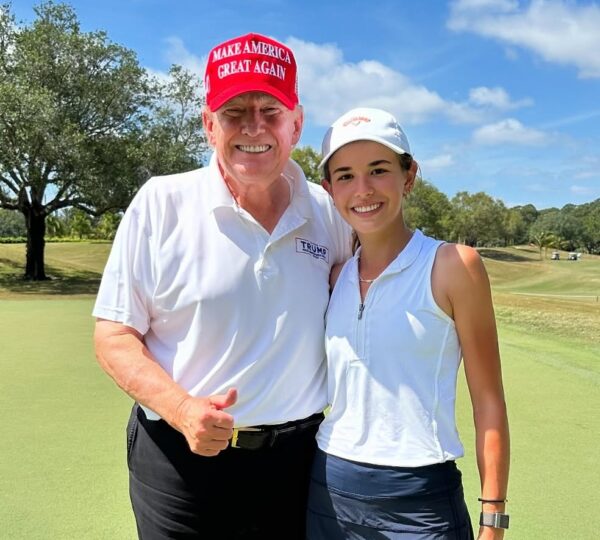
Her childhood largely remained private, with occasional appearances in family photos or events at Mar-a-Lago, while her parents focused on providing a relatively normal upbringing amidst the constant glare of public scrutiny.
Academically, Kai has maintained consistent engagement with her studies, balancing school responsibilities with the demands of early athletic development, illustrating a disciplined approach to her dual commitments.
Golf became a central component of her early life, providing both a structured activity and a platform where individual effort directly influences results, offering an environment removed from the pressures of public visibility.
From a young age, she demonstrated patience, concentration, and composure on the golf course, skills critical to the sport, which also served to instill resilience and focus that extend into other areas of her life.
By her pre-teen years, Kai had begun entering youth golf competitions, where she cultivated competitive discipline and gradually learned to measure her progress through skill rather than external recognition or family reputation.
Observers of youth tournaments often remark on her calm demeanor under pressure, noting that her composure during competitive play reflects a maturity unusual for someone her age.
Social media accounts occasionally showcase her dedication to early-morning training sessions, practice routines, and time spent refining technical aspects of her swing, revealing an emerging identity rooted in achievement.
Kai’s first notable public recognition outside family events occurred during the 2024 Republican National Convention, where she delivered a speech that emphasized her personal connection with her grandfather rather than political messaging.
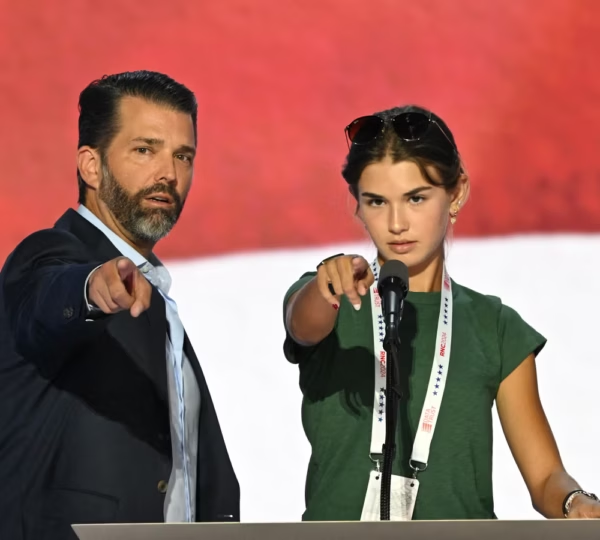
During the speech, she described Donald Trump as a supportive figure who regularly engaged with her academic progress and golf training, offering insight into the family dynamic and his role in nurturing her interests.
The appearance highlighted her poise under national scrutiny, with her confidence and articulate delivery reflecting both her upbringing and early exposure to public speaking opportunities.
Following the convention, public attention toward Kai increased, though she has largely remained focused on personal goals rather than seeking media-driven influence, maintaining an emphasis on golf and self-improvement.
Analysts of youth golf circuits observe that her consistent practice and competitive mindset may allow her to progress to higher-level tournaments, provided she maintains her commitment and continues skill refinement.
Her dedication to golf illustrates a deliberate attempt to cultivate a personal identity separate from her family’s political legacy, allowing her efforts to be judged on measurable performance rather than surname recognition.
Kai’s training regimen combines technical skill development, physical conditioning, and mental preparation, reflecting a structured approach often recommended for competitive adolescent athletes aiming for elite performance.
Participation in regional and national youth golf tournaments has provided her with valuable exposure to competitive environments, teaching lessons in sportsmanship, resilience, and strategic thinking essential for advancement.
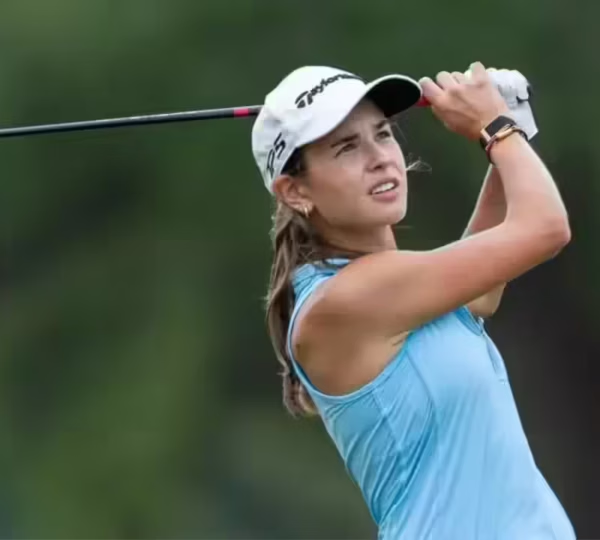
Through these experiences, she has gradually cultivated a reputation in athletic circles as a disciplined competitor, earning respect from coaches, peers, and observers based on effort and commitment rather than inherited visibility.
The combination of a structured family environment, supportive mentorship, and disciplined practice has contributed to her ability to navigate public attention while focusing on her personal development and athletic ambitions.
Her parents have emphasized balance, encouraging academic diligence alongside sporting endeavors, and have maintained family privacy while supporting her growth in competitive golf and public appearances.
Kai’s upbringing within a prominent family has included lessons in managing media attention, understanding public perception, and developing self-confidence independent of external validation.
Through her adolescence, she has increasingly demonstrated maturity in balancing family expectations, public curiosity, and personal interests, a skill that is critical for young individuals under national scrutiny.
Her progress in golf reflects a combination of natural aptitude, sustained effort, and the support of coaches, mentors, and family, illustrating the interplay between talent and environment in athletic development.
Observers note that her early commitment to structured training, including mental conditioning and course strategy, signals a serious approach to competitive sport rather than casual participation.
Kai’s participation in tournaments also involves logistical and strategic planning, including course study, equipment preparation, and adherence to rules, fostering both independence and organizational skills.

Her public appearances, including those at family events, have increasingly focused on sportsmanship and personal achievements, signaling a shift from a purely inherited spotlight to earned recognition.
The contrast between her family’s political visibility and her emerging identity as a competitive golfer emphasizes her desire to create an individual narrative defined by effort, skill, and personal growth.
Golf, as a sport emphasizing precision, patience, and mental resilience, provides an ideal framework for Kai to channel her energies constructively while establishing measurable benchmarks for personal success.
As she approaches her late teens, her trajectory suggests that future collegiate-level competition or higher athletic achievement is possible, contingent on continued dedication and strategic development in the sport.
Kai’s emerging identity also serves as a model for managing visibility responsibly, demonstrating how young individuals can navigate public attention while pursuing personal ambitions without succumbing to distraction.
Her experiences highlight the intersection of privilege and discipline, illustrating how access to resources and structured support can be effectively combined with personal determination to achieve meaningful goals.
Family support, particularly from parents and her grandfather, has remained central to her growth, providing guidance, encouragement, and practical resources while allowing her independence in developing her competitive approach.
Public perception of Kai is evolving, as audiences increasingly recognize her for accomplishments and dedication rather than solely for her surname or familial associations, reflecting a shift toward earned credibility.

Her journey underscores the value of consistent effort, structured practice, and resilience, serving as an example for peers who may also balance high visibility with personal ambition and skill development.
By focusing on golf, Kai Trump continues to cultivate an identity rooted in personal achievement, skill refinement, and measured progress, distinguishing her from the inherited public attention that has long surrounded her family.
The combination of training, competition, and careful public engagement demonstrates that Kai is building a foundation for a sustainable and respected presence within athletic and public spheres.
As media coverage grows, she continues to manage visibility thoughtfully, emphasizing performance and effort over spectacle, signaling a deliberate approach to reputation and personal branding.
Ultimately, Kai Trump’s story reflects a young athlete navigating adolescence, family prominence, and competitive sport with discipline, poise, and focus, crafting an emerging identity defined by personal accomplishment and athletic ambition.
