

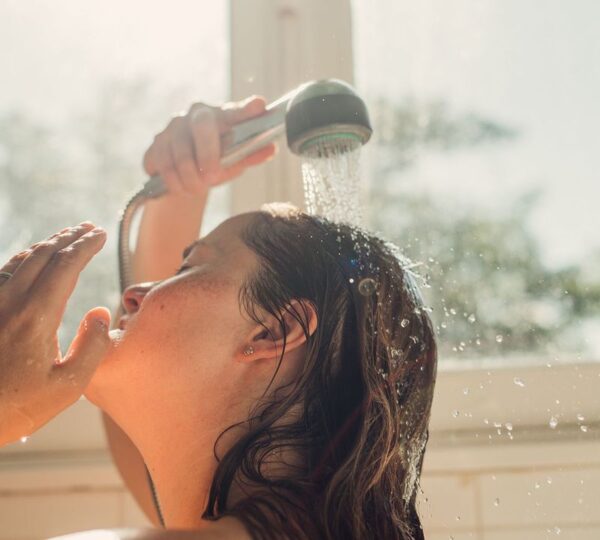
For many people, showering every day is ingrained as a natural part of daily life. It can serve as an energizing morning ritual or a relaxing evening routine that washes away the fatigue accumulated over a long day.
A warm shower, combined with soothing soap and a few quiet minutes alone, often feels essential. The psychological comfort and sensory pleasure of warm water flowing over the body create a sense of renewal that is hard to replicate.
However, dermatologists emphasize that effective hygiene is not simply about frequency. The long-term effects of bathing practices on skin health are equally important, particularly in preventing dryness, irritation, or disruption of the skin’s natural balance.
One critical factor in skin health is the role of natural oils. Sebum, produced by the skin, forms a protective barrier that keeps skin hydrated, smooth, and shielded from harmful bacteria, environmental pollutants, and irritants.
Frequent washing, particularly with hot water or harsh cleansers, can remove these essential oils faster than the body can replenish them. Over time, this may lead to tightness, flakiness, redness, or persistent dryness on the skin.

The type of soap used also significantly influences skin health. Many commercially available soaps contain strong surfactants or antibacterial chemicals that, while effective at cleaning, can strip away lipids and beneficial microbiota from the skin’s surface.
Experts recommend gentle, pH-balanced cleansers to minimize disruption of the skin’s natural barrier. These products are designed to remove dirt and sweat without excessively removing the oils that maintain moisture and elasticity.
The skin’s microbiome is another crucial consideration. This ecosystem of beneficial microorganisms protects against harmful bacteria, aids in immune function, and contributes to the skin’s natural resilience.
Overwashing, scrubbing too vigorously, or using strong antibacterial soaps can disrupt this microbial balance. A disturbed microbiome may increase susceptibility to irritation, infections, or inflammatory skin conditions over time.
Water temperature plays an underestimated role in skin health. While very hot showers may feel comforting, prolonged exposure can accelerate the removal of natural oils and compromise the skin’s moisture retention.
Lukewarm water is widely recommended. It effectively removes dirt, sweat, and debris while preserving a higher proportion of the skin’s natural sebum, allowing it to maintain hydration and elasticity.
The duration of showers also matters. Prolonged exposure to water, even at moderate temperatures, can contribute to skin dryness by leaching water-soluble components and weakening the barrier function of the outermost skin layer.
Moisturizing immediately after bathing is another essential habit. Applying a hydrating lotion or cream within a few minutes of showering helps lock in water, replenishes lipids, and supports the integrity of the skin barrier.
The frequency of hair washing should also be considered alongside overall hygiene. The scalp produces natural oils that protect and nourish hair, preventing brittleness and breakage, which are often exacerbated by daily shampooing.
Hair type and scalp condition influence washing needs. People with oily scalps may benefit from more frequent washing, while individuals with dry or textured hair often maintain better scalp and hair health with less frequent cleansing.
Shampoo choice matters as well. Gentle, sulfate-free shampoos minimize disruption of natural oils while still cleansing hair and scalp effectively, reducing the risk of dryness, frizz, and irritation.
For individuals who exercise frequently, sweat and sebum accumulation can necessitate more regular showers. However, even in these cases, a brief rinse with lukewarm water and mild soap may suffice, preserving natural oils and microbiome balance.
Environmental conditions also influence optimal bathing frequency. People living in hot, humid climates or engaging in outdoor labor may require more regular hygiene practices than those in cooler, drier environments.
Conversely, individuals in arid or cold climates may find that daily full-body showers exacerbate dryness and irritation, making less frequent bathing more beneficial for skin health.

Personal comfort is another guiding principle. Hygiene routines should balance cleanliness with the preservation of the skin barrier and overall dermatological health, ensuring the individual feels fresh without causing harm.
Excessive scrubbing, particularly with loofahs, abrasive brushes, or rough washcloths, can irritate the skin. Gentle application of cleanser, using the hands rather than harsh tools, is often sufficient for effective cleansing.
Exfoliation, while beneficial in moderation, should be tailored to skin type. Over-exfoliating can weaken the skin barrier, disrupt microbiota, and exacerbate dryness or redness, particularly for sensitive skin.
Moisturizer selection is also important. Products containing ceramides, glycerin, hyaluronic acid, and other humectants are especially effective at restoring hydration and supporting barrier function after washing.
Applying moisturizer immediately after towel-drying, while the skin is still slightly damp, enhances absorption and reduces water loss, maximizing the benefits of the skincare routine.
Fragrance-free and hypoallergenic products are often preferred for sensitive or reactive skin. They reduce the likelihood of irritation or allergic reactions, which can compound damage caused by over-washing.
For individuals with specific dermatological conditions, such as eczema, psoriasis, or rosacea, frequent hot showers or harsh soaps can aggravate symptoms. Consulting a dermatologist to develop a tailored bathing routine is highly recommended.
Children and infants require additional care in bathing. Their skin is thinner, more sensitive, and more prone to dryness, making brief, lukewarm baths with gentle cleansers ideal for maintaining barrier integrity.
Even the frequency of towel-drying can affect skin. Patting the skin dry gently, rather than rubbing vigorously, reduces micro-abrasions and preserves hydration, maintaining the protective function of the epidermis.

Some dermatologists also recommend alternating showering methods. For example, combining full showers with quick rinses in less critical areas can help maintain overall hygiene while preserving natural oils and microbiome balance.
Hair conditioning is another important element. Regular use of a conditioner or leave-in treatment restores moisture and protects hair cuticles, helping maintain softness, manageability, and shine over time.
Shampooing too frequently or using products with sulfates, parabens, or alcohols can strip essential oils and contribute to scalp dryness, itchiness, and hair damage, especially in chemically treated or textured hair.
Body cleansing frequency should also be adjusted according to activity level. Sedentary individuals may require less frequent showers, while athletes may need daily washing or targeted cleaning of areas prone to sweat accumulation.
Hot tub or swimming pool use introduces additional considerations. Chlorine and other chemicals can dry out skin and hair, making post-swim rinses and moisturization essential for maintaining skin integrity.
Showering routines should also take seasonal changes into account. Winter air is typically drier, requiring shorter showers, lower water temperatures, and more intensive moisturization, whereas summer heat may necessitate more frequent cleansing.
Fragrance and additive considerations matter. Some body washes or soaps contain artificial fragrances or dyes that can irritate sensitive skin, disrupt microbiome balance, and increase dryness or allergic reactions.
Handwashing frequency is another critical hygiene factor. Overwashing with harsh soaps, particularly during cold or flu seasons, can cause chapped, cracked skin, emphasizing the importance of emollient hand creams.
Feet and toenail care also benefits from moderate cleansing. Over-washing or soaking feet in very hot water can compromise the skin barrier, leading to dryness, fungal susceptibility, or irritation between toes.
Body scrubs, peels, and other intensive cleansing treatments should be used sparingly. Overuse can remove healthy oils, disrupt microbiome balance, and reduce skin resilience over time.
Using a shower filter to reduce mineral buildup from hard water can help protect the skin and hair from excessive dryness or irritation caused by calcium and magnesium in tap water.
Shaving and hair removal also intersect with bathing habits. Moistening the skin first and using appropriate shaving creams or gels reduces irritation, ingrown hairs, and micro-cuts that compromise skin health.
Moisturization after shaving or hair removal is particularly crucial. Applying a humectant-rich cream or oil supports barrier restoration and prevents post-shaving dryness, redness, or itching.
Bathing aids such as bath oils, oatmeal-infused products, or emollient-based body washes can provide additional moisture and protect sensitive skin during routine showers or baths.
Some people benefit from alternating bathing frequency. For instance, rinsing with water on less active days preserves skin oils while still providing a refreshing, hygienic experience.
Physical activity, diet, hydration, and sleep also affect skin condition. Maintaining adequate water intake and nutrition supports natural oil production, helping the skin remain resilient to daily cleansing.
Clothing choice interacts with skin health. Breathable, moisture-wicking fabrics can reduce friction and irritation after showers, complementing hygiene routines for active individuals or those with sensitive skin.
Lifestyle habits, including alcohol consumption, smoking, and stress management, influence the skin’s response to bathing. Excessive stress can reduce skin barrier function, making gentle care more important.
Sun exposure and protection are additional factors. Post-shower application of sunscreen, moisturizers, or barrier creams helps maintain skin health and prevent UV damage that can exacerbate dryness.
The benefits of mindful showering extend beyond skin health. Taking intentional time for self-care can reduce stress, improve mood, and foster a stronger mind-body connection, making hygiene a holistic practice.
Showering routines are therefore personal and should be adapted to the individual’s skin type, environmental conditions, and lifestyle needs. There is no universal “one-size-fits-all” approach to daily cleansing.
For oily or acne-prone skin, gentle daily washing may prevent clogged pores without over-stripping natural oils, while dry or sensitive skin types may benefit from showers every other day or every two days.
Recognizing signs of skin irritation, such as redness, itching, or flakiness, allows individuals to adjust shower frequency, water temperature, and product choices proactively, preventing long-term damage.
Ultimately, the goal is hygiene with balance — preserving cleanliness while supporting the skin’s natural barrier, microbiome, and hydration, ensuring the skin remains resilient, smooth, and comfortable.
Incorporating these principles into daily habits helps people maintain both cleanliness and dermatological health, supporting comfort, appearance, and protection against environmental stressors.
By paying attention to the interplay between water temperature, cleanser type, frequency, and moisturization, individuals can optimize their routines for maximum skin and hair health benefits.
The take-home message from dermatologists is that moderation, product choice, and mindfulness matter more than showering frequency alone. Healthy skin is preserved through balance and attentive care.
With awareness of these factors, daily hygiene routines can be both effective and protective, leaving the skin clean, hydrated, and resilient without unnecessary irritation or dryness.
This approach allows people to enjoy the benefits of showering, including refreshment and relaxation, while also maintaining long-term skin and hair health.
Showering, when approached thoughtfully, becomes a self-care ritual rather than just a routine, supporting physical and mental well-being simultaneously.
