
As the conflict between Iran, the United States, and Israel continues to intensify, a dramatic diplomatic confrontation unfolded at the United Nations Security Council.
Iran’s representative delivered a sharply worded message to the United States, condemning recent airstrikes as unlawful and asserting Tehran’s right to defend itself under international law.
The exchanges at the UN reflect how deeply the crisis has escalated — not just on the battlefield, but also in international diplomacy.
U.S. and Israeli Airstrikes Trigger Regional Escalation
The current confrontation began with coordinated military strikes by the United States and Israel against Iran.
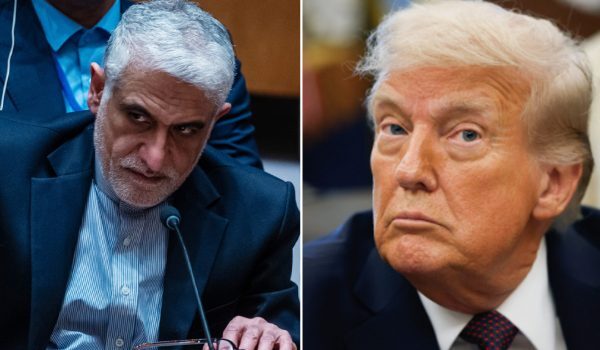
On February 28, 2026, both governments announced they had carried out air and missile attacks targeting Iranian military infrastructure and leadership compounds in Tehran and other cities.
Iranian officials confirmed that Supreme Leader Ayatollah Ali Khamenei was killed in the strikes, a development widely reported by international media outlets and acknowledged by Tehran’s own state media.
Menachem Milgrom, an expert on Middle Eastern geopolitics, described the operation as “the most ambitious attack on Iranian targets in decades,” underscoring the broad scale of the strikes and the dramatic impact on Iran’s leadership.
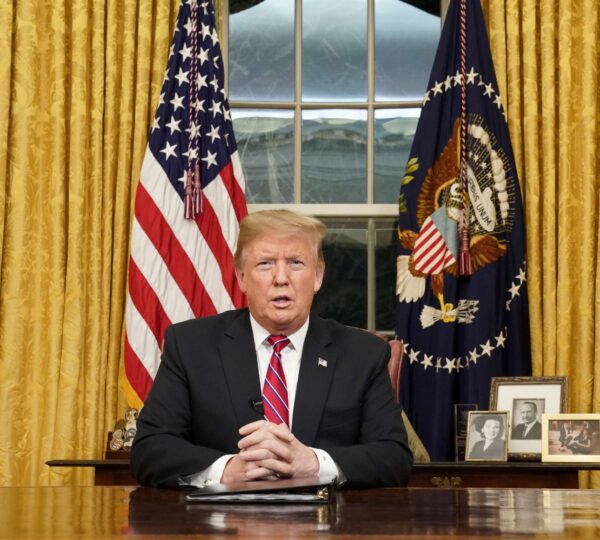
The U.S. government described its part of the campaign as “Operation Epic Fury,” a term used in official statements to frame the mission’s objectives in stark, militaristic language. In announcements and public remarks, President Donald Trump emphasized that the strikes were designed to prevent Iran from acquiring nuclear weapons and to eliminate missile threats.
According to a White House statement, the operation aimed to destroy Iran’s “ballistic missile arsenal, degrade its proxy terror networks, and cripple its naval forces.”
Trump posted on social media that Iran “will never have a nuclear weapon” and threatened further action if Tehran did not cease hostilities, stating: “Lay down your arms or face certain death.”
Iran’s Immediate Response and Escalation
Following the airstrikes, Iran announced what it described as the “first wave of extensive missile and drone attacks” targeting not only Israeli territory but also U.S. military bases in the Middle East.
Iranian state media and official statements asserted that these actions were defensive measures and a legitimate response under the United Nations Charter’s Article 51, which recognizes a nation’s right to self‑defence when attacked.
Iranian leaders were quoted in state‑controlled media as characterizing their response as one of the most violent and large‑scale military counteractions in the nation’s history, aimed at both “occupied territories” and “American terrorist bases.
” While these claims were made in highly charged official propaganda, they reflect Tehran’s intention to signal firmness and resolve in the face of what it sees as aggression.
Concurrently, senior Iranian political figures condemned the strikes in blunt terms. Mohammad Bagher Qalibaf, Speaker of Iran’s Parliament, labeled U.S. and Israeli leaders as “filthy criminals” who had crossed Iran’s “red line,” and vowed further retaliation if their nation’s sovereignty continued to be violated.
Scenes at the United Nations: Clash Over International Law
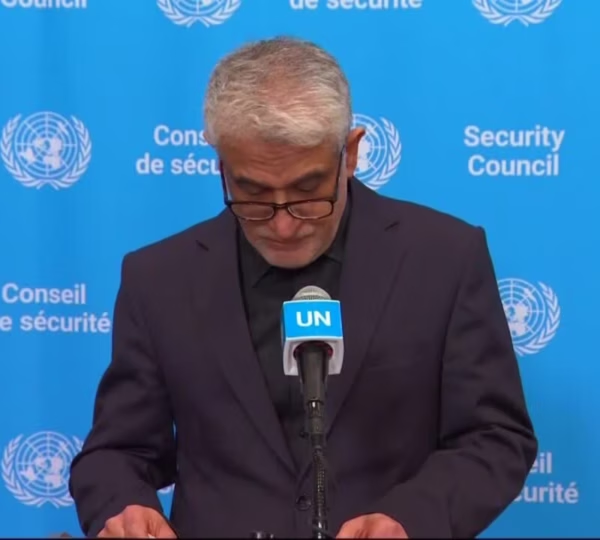
In an emergency Security Council session convened to address the crisis, Iran’s Ambassador to the United Nations, Amir Saeid Iravani, delivered a forceful and critical speech.
Iravani condemned the U.S. and Israeli airstrikes as a violation of international law and a breach of the United Nations Charter, particularly Article 2, which prohibits the use of force against the territorial integrity or political independence of any state except in cases of self‑defence or UN Security Council authorization.
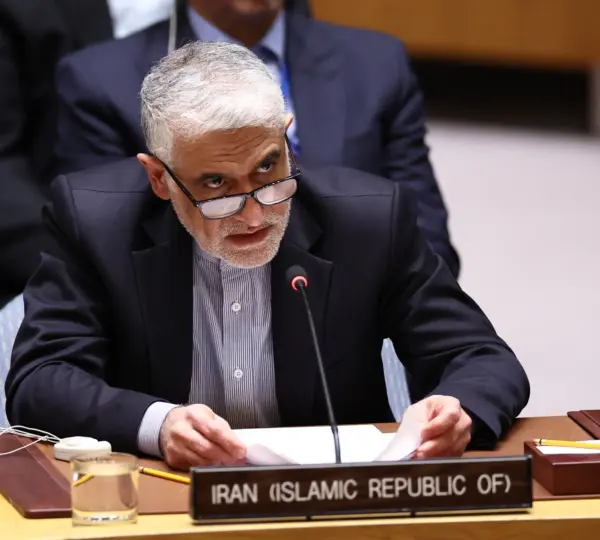
Iravani said that the strikes were “unprovoked and premeditated aggression” and described claims of imminent threat or preventive self‑defence as “unfounded legally, morally, and politically.”
He went further, labeling the assault a “war crime and a crime against humanity.” While such accusations reflect Iran’s official position, they have not been adjudicated by any international judicial body.
In the same address, Iravani issued a personal warning to the U.S. delegate, saying simply, “I have one word only — I advise the representative of the United States to be polite.” This remark drew attention for its directness and diplomatic sharpness.
U.S. Response and Justification
The United States ambassador to the United Nations, Mike Waltz, responded to Iran’s accusations with equal bluntness.
Waltz rejected the claim that the U.S. actions were unlawful or unwarranted, instead portraying the Iranian regime as a long‑standing threat that has engaged in violent behavior against Americans and others over decades.
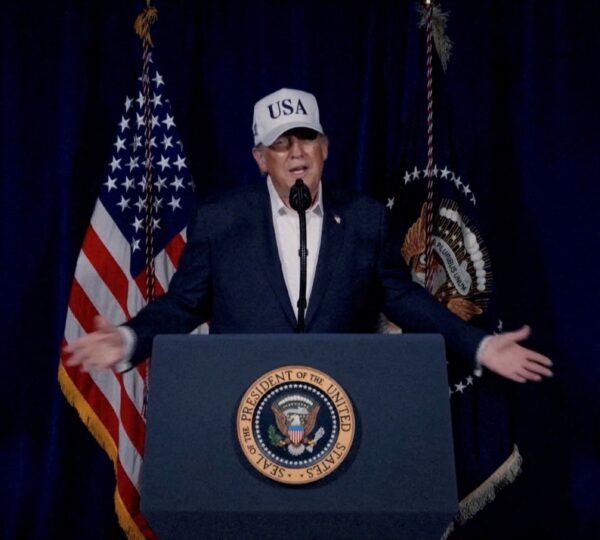
He referenced Iran’s history of involvement in regional conflict, support for proxy militias, and attacks on U.S. forces as part of the administration’s argument that the strikes were justified as defensive measures.
Waltz asserted that Iran’s leadership had “killed tens of thousands of its own people and imprisoned many more simply for wanting freedom from tyranny,” linking domestic repression with foreign policy threats.
This line of defense is consistent with longstanding U.S. rhetoric about the Iranian government but represents a political narrative rather than a formal legal finding on international legality.
United Nations Secretary‑General’s Comments
The UN Secretary‑General, António Guterres, also addressed the Security Council as the crisis unfolded. Guterres expressed deep concern over the rapid escalation, warning that the conflict posed a “grave threat to international peace and security.”
He emphasized that violations of international law — whether through unapproved military strikes or expansive retaliatory attacks — risk undermining the global rules‑based order established after World War II.
Guterres urged all parties to pursue diplomatic avenues and reduce hostilities, stating that there was “no viable alternative to the peaceful settlement of international disputes.
” While not singling out one state for blame, his remarks underscored the UN’s position that unilateral use of force without broad international backing is deeply destabilizing.
The Broader Context: Nuclear Talks and Diplomatic Fallout
The current military escalation occurred against a backdrop of faltering diplomacy between Washington and Tehran.
In the months leading up to the strikes, U.S. and Iranian negotiators had engaged in intermittent talks aimed at addressing Iran’s nuclear program — talks that some mediators believed could continue.
However, tensions grew when the Trump administration publicly expressed dissatisfaction with the pace and substance of negotiations, just before the military escalation began.
Critics argued that the abrupt move from diplomatic engagement to large‑scale warfare undermined trust and closed off peaceful avenues that had been in motion.
The White House justified the military action as necessary to prevent Iran from advancing what U.S. officials described as an imminent nuclear threat, though independent verification of specific nuclear capabilities remains limited in public reporting.
The U.S. authority for using force internationally is often grounded in interpretations of self‑defence, but such declarations are intensely debated by legal scholars and other governments.
International Reactions Beyond the UN
The conflict has drawn varied responses from global leaders and regional powers. Some nations have condemned the strikes as violations of international law, while others have expressed concern about Iran’s retaliatory actions.
Russia, for example, publicly denounced the killing of Ayatollah Khamenei as a cynical violation of moral and legal norms, portraying it as an unlawful assassination of a world leader and a rupture of diplomatic protocols.
European states and other UN member nations expressed alarm at the rapid expansion of hostilities and called for urgent de‑escalation to prevent a wider regional war.
Why the UN Debate Matters
The clash at the UN highlights a central tension in international affairs: when, if ever, is the use of military force justified under international law?
Article 2 of the UN Charter generally prohibits threats or use of force except in cases of self‑defence or with Security Council authorization.
Iran’s representative argued that neither condition was satisfied by U.S. and Israeli strikes, while U.S. officials maintained their actions were necessary to counter a perceived existential threat.
Legal scholars and international law experts have long debated how the Charter applies to anticipatory self‑defence — that is, using force in response to a threat that has not yet fully materialized but is believed imminent.
Assertions of “imminent threat” have historically been controversial when used to justify military action without clear evidence of immediate danger.
At the same time, the UN’s inability to mediate an immediate cessation of hostilities underscores ongoing challenges in enforcing its own principles during major power conflicts.
What Comes Next? Escalation or Diplomacy?
In public remarks since the strikes, both U.S. and Iranian leaders have signaled that the conflict could continue for weeks, raising fears of a protracted military campaign.
President Trump warned that Iran’s threats would be met with overwhelming force if they carried through, while Tehran’s officials have vowed further retaliation.
As the crisis unfolds, international observers and diplomats are watching closely to see whether diplomatic pressure — from neutral parties such as the European Union or United Nations mediators — can temper the tensions before they engulf the region in a far broader war.
Conclusion: A Diplomatic Storm Amid Warfare
The exchange at the United Nations between Iran and the United States is more than rhetoric; it reflects deep disagreements over international legal norms, national sovereignty, and the boundaries of military action.
As foreign ministers, ambassadors, and global leaders debate legality and legitimacy, millions of ordinary people around the world watch with concern, aware that decisions made in capitals and international forums carry profound consequences for regional stability, civilian safety, and the future of global diplomacy.
Amid the smoke of battle and the sharp words at the UN, one reality remains clear: the world is facing one of the most consequential international crises in decades, and how it is resolved — through force, negotiation, or a combination of both — will shape international relations for years to come.
