
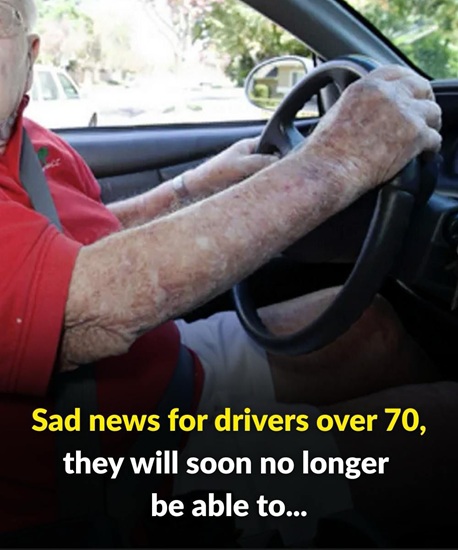
The discussion around older drivers is complex, encompassing safety, independence, and social implications. As populations age and people remain active longer, society faces a growing need to balance freedom of mobility with the protection of everyone on the road.
Driving is more than transportation for most people. It symbolizes autonomy, routine, and personal freedom.
The ability to drive without relying on others allows older adults to maintain connections, access services, and participate fully in community life, reinforcing dignity and independence.
Recent events have highlighted the importance of this issue. In La Rochelle, an 83-year-old driver traveling in the wrong direction collided with a group of children riding bicycles. Multiple injuries occurred, sparking debate over age, ability, and road safety regulations.
Accident data provides critical insight. Drivers over seventy-five are involved in collisions at rates similar to those aged eighteen to twenty-four. While young drivers often face scrutiny for inexperience, risk-taking, and distraction, older drivers experience age-related changes affecting safety.

Aging introduces gradual challenges that may go unnoticed. Vision can decline subtly, reflexes slow, hearing diminishes, and cognitive processing may change. These factors influence reaction times, situational awareness, and decision-making, creating situations that require careful attention on the road.
Yet, age alone does not determine driving ability. Many older adults maintain excellent coordination, vision, and judgment. Individual variability means some drivers remain safe well past seventy-five, highlighting the need for nuanced approaches rather than blanket restrictions.
Different countries address these challenges in varied ways. France, for instance, does not mandate age-based testing. Licenses are valid for life unless revoked for legal reasons, relying on personal responsibility and self-assessment to ensure fitness to drive over time.
This approach emphasizes trust in older drivers’ judgment. It assumes people recognize declining abilities and act responsibly. However, gradual changes can make self-assessment unreliable, particularly in vision, cognition, or reflexes, highlighting potential risks when relying solely on individual evaluation.
Other nations implement structured assessments. Italy and Germany require medical evaluations around ages seventy to seventy-five. These focus on vision, hearing, reflexes, and overall physical condition, balancing independence with safety, and providing professional guidance on continuing to drive responsibly.
Mandatory testing offers clear advantages, creating consistent standards to protect road users. Yet it can also feel restrictive or unnecessary for competent drivers. Balancing fairness with safety remains a central challenge in policy discussions on older driver regulation.
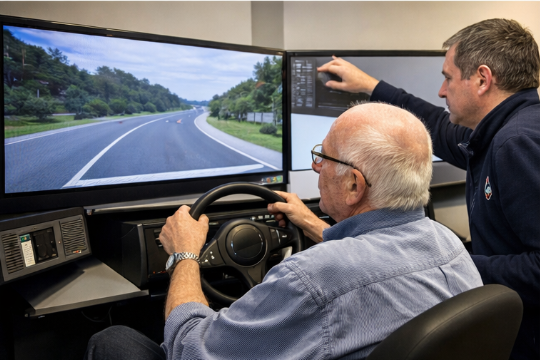
A middle-ground approach often involves voluntary assessments. Older drivers can consult specialists to evaluate vision, coordination, reflexes, and reaction time, receiving personalized guidance rather than pass/fail judgments, empowering informed decisions about their driving habits.
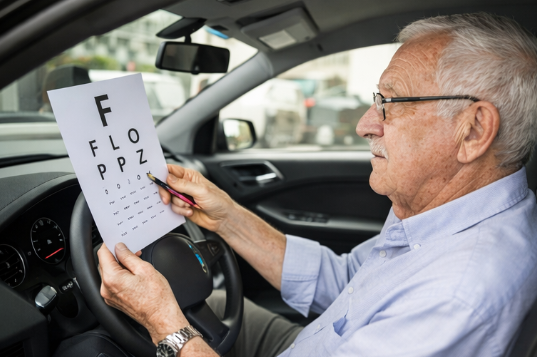
Adjustments based on evaluation results can significantly improve safety. Recommendations may include driving only during daylight, avoiding congested urban areas, limiting unfamiliar routes, or taking regular breaks. Small modifications can reduce risks while preserving independence and confidence behind the wheel.
Refresher courses tailored to older adults provide additional support. They review traffic laws, updated signage, and new road designs, offering opportunities to practice maneuvers, improve reaction times, and gain familiarity with evolving traffic conditions. Education reinforces competence and self-assurance.
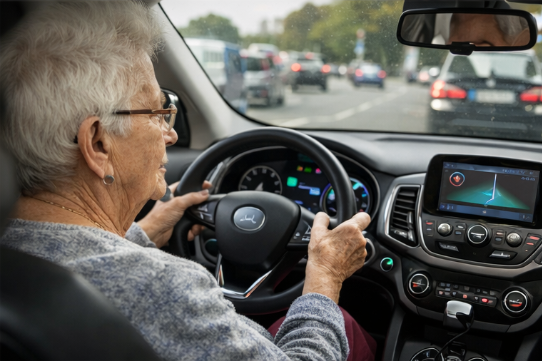
Vehicle adaptations also enhance safety. Switching from manual to automatic transmission reduces physical demands, while features such as lane departure warnings, collision detection, and parking assistance offer supplementary support, allowing older drivers to compensate for subtle declines in strength or reflexes.
Training programs for advanced vehicle technologies are becoming increasingly important. Learning to use adaptive cruise control, blind-spot monitoring, and GPS navigation systems ensures older drivers maintain situational awareness and can respond effectively to dynamic traffic environments.
Road safety for older drivers should be seen as an ongoing process, not a fixed state. Regular evaluations, training, and vehicle adjustments enable seniors to remain active on the road longer, prioritizing safety without unnecessarily restricting freedom or autonomy.
Public perception often emphasizes risk over experience. Many older drivers possess decades of knowledge and practical skill, accumulated over countless miles without incidents. Their familiarity with traffic patterns, rules, and situational judgment provides a level of insight younger drivers often lack.
Encouragement, education, and accessible resources enhance driving competence. Supporting older drivers in recognizing changes in ability and adopting safety measures ensures roads remain safer, while reinforcing a sense of autonomy and responsibility rather than imposing punitive restrictions.
Driving limitations should be personalized, reflecting individual health, cognitive function, and skill levels. Some older drivers may remain fully capable, while others may require modifications sooner. One-size-fits-all policies fail to address the nuanced spectrum of aging and ability.
Awareness is crucial. Recognizing early signs of reduced capacity, seeking professional guidance, and making gradual adjustments preserve independence while minimizing risk. Driving safely in later years depends on informed decision-making, not arbitrary age thresholds.
Ultimately, the goal is the same for all road users: arriving safely. Achieving this requires not only laws and regulations but also understanding, empathy, and acknowledgment that ability evolves over time and varies greatly among individuals.
Older drivers’ contributions extend beyond transportation. Their presence maintains community engagement, supports social interaction, and fosters continuity for family, friends, and neighbors. Limiting these connections unnecessarily can have broader social and emotional consequences.
Experience often outweighs youthful energy. Years of driving cultivate anticipation, pattern recognition, and defensive skills that mitigate many risks. These skills, combined with careful self-monitoring and adaptive measures, allow older drivers to continue contributing safely to road traffic.
Health monitoring is a key component of safe driving. Vision exams, hearing tests, and medical evaluations help identify issues that could impair performance. Awareness and proactive care ensure potential problems are addressed before they become hazardous behind the wheel.
Adaptation strategies include route planning, time-of-day driving restrictions, and fatigue management. Choosing familiar roads, avoiding nighttime or inclement weather, and scheduling breaks enhance safety while maintaining the convenience and independence of personal mobility.
Training programs for seniors increasingly incorporate cognitive and physical exercises. These activities enhance attention, reaction time, and coordination, complementing practical driving skills and reinforcing confidence in challenging traffic situations or complex intersections.
Technology plays an expanding role. Advanced driver-assistance systems (ADAS) provide real-time feedback, reduce stress, and mitigate errors. Adaptive braking, lane-keeping systems, and parking sensors offer additional safety layers without replacing human judgment or responsibility.
The integration of technology and training reflects a broader principle: driving safety is dynamic. It requires continuous assessment, adaptation, and learning. Policies, education, and vehicle enhancements together create a sustainable model for maintaining independence and security.
Family and community involvement is valuable. Encouragement to seek assessments, participate in training, and adopt safe habits strengthens adherence to recommendations. Social support also provides accountability, reinforcing responsible decisions regarding driving and mobility.
Insurance providers often support senior driver programs. Premium incentives, educational resources, and risk assessment consultations encourage proactive measures, aligning individual safety goals with broader public safety objectives while empowering informed choices.
Driver fatigue is another concern with aging. Older adults may experience longer recovery times, reduced stamina, or slower reaction to prolonged driving. Scheduling breaks and limiting long-distance trips can prevent fatigue-related errors while preserving mobility.
Vision care is essential. Conditions like cataracts, glaucoma, or macular degeneration impact driving safety. Regular eye exams and corrective measures, including updated prescriptions or specialized lenses, help maintain sharp vision critical for reading signs, judging distances, and reacting to hazards.
Hearing is also a factor. Declining auditory perception can affect the ability to hear emergency signals, horns, or auditory cues from other vehicles. Routine assessments, hearing aids, or adaptive alert systems enhance situational awareness.
Cognitive evaluations may identify early declines in memory, attention, or decision-making. Timely detection allows older drivers to implement compensatory strategies, modify routes, or limit high-demand situations, protecting both personal safety and that of others.
Community-based programs provide a supportive framework. Senior driving workshops, peer discussions, and mentorship opportunities allow knowledge-sharing, practical exercises, and social reinforcement, fostering safer, more confident driving habits among older adults.
Policy implications remain complex. Balancing personal freedom with public safety requires nuanced regulations, flexible options, and ongoing dialogue. Recognition of individual differences, combined with structured support, offers the most equitable approach to managing aging drivers.
Voluntary and mandatory measures can coexist. Optional refresher courses, periodic medical evaluations, and technology adoption provide layers of safety without eroding autonomy, offering a comprehensive approach that acknowledges both capability and vulnerability.
The ethical dimension matters. Denying the ability to drive purely based on age risks social isolation, reduced quality of life, and loss of independence. Policies should encourage self-awareness and adaptation rather than punitive age-based restrictions.
Insurance data often show that older drivers are among the most cautious and law-abiding on the road. While physical changes may increase risk in certain scenarios, careful management, training, and technological support mitigate these challenges effectively.
Vehicle selection is important. Cars with ergonomic design, automatic transmissions, and modern safety systems reduce strain and enhance reaction capacity. Adaptive modifications, such as steering aids or pedal adjustments, help maintain comfort and control.
Personal reflection is also necessary. Older drivers benefit from honest self-assessment, recognizing limitations, and making incremental adjustments. Awareness of subtle changes in reflexes, vision, or memory supports safer decisions and continued road participation.
Road safety education for older drivers should be proactive, not reactive. Periodic courses addressing evolving traffic laws, signage changes, and new technologies help seniors adapt, build confidence, and remain competent participants in modern transportation systems.
Legislation and community programs work best when integrated. Coordinated approaches—combining voluntary assessments, educational workshops, technological adoption, and supportive policies—create a framework that sustains independence while prioritizing safety.
Family involvement encourages compliance. Gentle conversations about driving ability, participation in training programs, and support for adaptive strategies help older adults balance autonomy with public responsibility, creating a cooperative rather than adversarial dynamic.
Ultimately, the focus should be on sustainable mobility. Older drivers can remain active and independent when policies, education, and technologies support safe engagement, recognizing both individual capability and age-related changes over time.
Aging drivers contribute knowledge, experience, and social connection. Their presence enriches communities, supports family logistics, and maintains personal freedom. Recognizing these contributions while managing risks ensures fairness, dignity, and safety for all road users.
Continuous evaluation is key. Drivers should monitor vision, hearing, reflexes, and cognition regularly. Adaptive strategies, medical guidance, and technology integration help extend safe driving years without compromising autonomy or safety.
Public discourse should shift from age-based restrictions to capability-focused guidance. Highlighting experience, resilience, and adaptability encourages respect, reduces stigma, and emphasizes shared responsibility among all drivers, regardless of age.
Infrastructure design also supports older drivers. Clear signage, accessible intersections, and well-maintained roads reduce cognitive load, increase reaction time, and improve safety, demonstrating that age-friendly urban planning benefits the broader community.
Ultimately, driving is a balance between skill, judgment, and adaptation. Older drivers can remain independent when supported with resources, technology, education, and family engagement, allowing safe, confident mobility well into advanced age.
Safety, independence, and social inclusion are intertwined. Older adults should have access to evaluation, training, and vehicle adaptations, empowering informed decisions that protect both themselves and other road users while preserving autonomy.
Responsibility evolves with age. Awareness, adaptation, and willingness to adopt new strategies ensure that older drivers continue contributing safely to transportation systems, emphasizing proactive management over arbitrary limitations or fear-based policies.
Experience enhances judgment. Older drivers’ decades on the road cultivate anticipatory skills, pattern recognition, and defensive habits that younger drivers often lack. Supporting these skills with education, technology, and health monitoring reinforces long-term safety.
Driving longevity depends on multiple factors: physical health, cognitive awareness, continuous learning, and access to supportive infrastructure. By integrating these elements, older adults maintain independence and safety while reducing accident risk.
Community, family, and professional support reinforce capability. Encouraging participation in training, regular health checkups, and technology adoption ensures older drivers remain safe, confident, and engaged, enhancing quality of life and public safety simultaneously.
Public policy should combine flexibility and structure. Mandatory evaluations for high-risk cases, voluntary assessments, and education programs provide multiple pathways to ensure safety without unnecessarily restricting independence.
Driving safety is not a static state. Continuous evaluation, adaptation, and technology integration help maintain skills over time. Older drivers who embrace these practices contribute positively to traffic systems while safeguarding themselves and others.
Ultimately, mobility is a human right intertwined with safety. Supporting older adults through education, adaptive technology, medical guidance, and social encouragement fosters responsible independence, reflecting a balanced approach to aging and driving.
Driving is responsibility expressed through skill, judgment, and adaptation. Age does not diminish this duty; it transforms it. Older drivers can maintain independence when informed, supported, and willing to adapt to evolving abilities and circumstances.
