
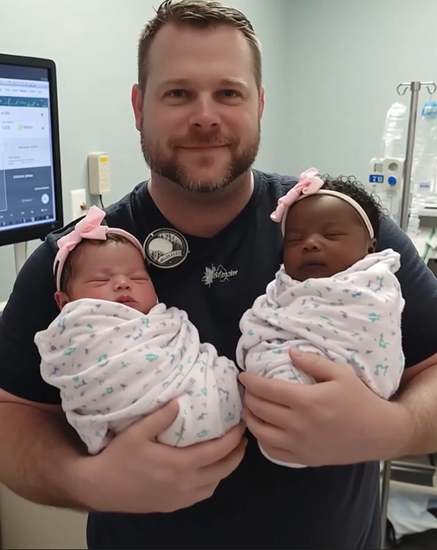
Driving to the hospital that morning, I was filled with anticipation and joy, imagining the smiles on my wife Suzie’s face and the warmth of bringing our newborn twins home after a challenging pregnancy.
I had prepared the nursery meticulously, ensuring every crib, blanket, and toy was arranged. I cooked a nourishing meal, hoping to surprise her, imagining the happiness of seeing our home finally ready for our growing family.
Suzie’s pregnancy had been exhausting, filled with relentless morning sickness, fatigue, and discomfort. Despite my mother Mandy’s constant criticisms and interference, she remained remarkably resilient, making me admire her strength and look forward to celebrating this long-awaited moment.
But when I arrived at the hospital, my excitement dissolved instantly. Suzie was nowhere to be found. The twins lay peacefully asleep in their bassinets, and beside them was a small, shocking note that changed everything.
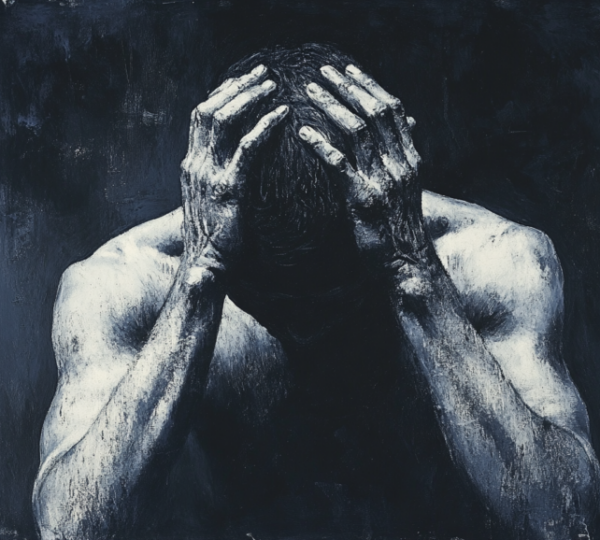
The note read, “Goodbye. Look after them. Find out why your mother did this to me.” My heart sank. Confusion and disbelief flooded me, and I struggled to understand how this could have happened.
Suzie had always seemed happy, despite my mother’s overbearing nature. Mandy often criticized her choices, dismissed her feelings, and tried to control our lives, making small, constant jabs that I had previously thought harmless.
I confronted my mother immediately. At first, she denied everything, claiming ignorance and innocence, insisting she had only been trying to support me. But my instincts told me something far darker was at play.
Later that day, while searching through Suzie’s belongings, I discovered a letter from my mother addressed to her. The words were cruel, accusing Suzie of inadequacy and urging her to leave my life entirely, leaving me heartbroken.
Confronting my mother with the letter led to tears and tension. She attempted to justify her actions, claiming she had only wanted to protect me from making a mistake. Her words rang hollow, revealing her manipulative intentions.
I realized in that moment that her interference had gone too far. Her bullying and constant undermining had driven Suzie to leave, and I could no longer allow her to harm our family in this way.

After a tearful and heated argument, my mother finally left our home. The silence she left behind was heavy, but it was also a relief, marking the first step toward regaining control of our lives.
Raising newborn twins alone was overwhelming. The responsibility of caring for two infants, managing household duties, and coping with my own emotional turmoil was daunting, leaving me physically exhausted yet determined to support my family.
I reached out to Suzie’s friends in the hope of understanding her perspective. They shared that she had felt trapped—not by me—but by the cumulative pressures of postpartum depression and my mother’s relentless criticism.
Postpartum depression had compounded her distress. Suzie felt isolated, fearful of speaking up, and uncertain about how to reclaim her life. Her departure was a desperate measure, a way to protect herself while processing deep emotional pain.
Months passed with little news. Each day was a mixture of hope and despair, checking for messages or signs that Suzie and the twins were safe, praying for her well-being despite the uncertainty that weighed heavily on me.
Then, one afternoon, a mysterious text arrived. It contained a photo of Suzie holding our twins at the hospital, her eyes reflective and vulnerable, accompanied by the message: “I yearn to be the kind of mother they deserve.”

Reading the message, my heart ached. The distance, the pain, and the uncertainty all hit me at once. Yet, a spark of hope ignited. I knew she still cared, and I vowed never to give up on her.
I continued supporting our twins, keeping their routines consistent and nurturing, while also maintaining boundaries for my own mental and emotional well-being. This balance was crucial for stability during the months of separation.
Slowly, through therapy and self-reflection, Suzie began addressing the emotional trauma she had experienced. The effects of postpartum depression, combined with years of feeling undermined, required patience, understanding, and consistent support from those who truly cared.
A year after she left, Suzie finally returned home. Her presence was tentative at first, fragile yet determined. She apologized for leaving, acknowledging the struggle she had faced and the courage it took to seek help.
We worked together to rebuild trust, navigating conversations about boundaries, family interference, and emotional needs. Our communication became more open, honest, and supportive, creating a foundation for healing that had previously been absent.
Parenting twins together again was challenging but transformative. Each feeding, diaper change, and bedtime routine became an opportunity to strengthen our bond and celebrate the small victories that marked recovery and resilience.
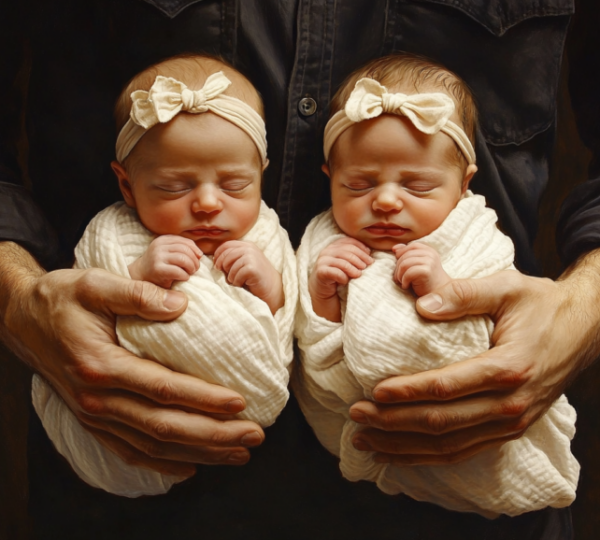
Therapy continued to play a vital role. Suzie’s professional guidance helped her process feelings of inadequacy, fear, and guilt, equipping her with tools to manage postpartum depression and rebuild confidence as a mother.
We also established firm boundaries with my mother, ensuring she could no longer interfere in our family life. Limiting her influence became essential to preserving our emotional health and protecting the children from toxic dynamics.
Through this journey, I learned that love, patience, and empathy could overcome even profound emotional wounds. Supporting each other through pain, rather than allowing external forces to dictate our choices, was crucial for our family’s survival.
Celebrating milestones with our twins became moments of joy, reinforcing our resilience. Their laughter, first steps, and early words reminded us why the struggle to reunite our family was worth every tear, every sleepless night.
In the months following Suzie’s return, our home became a space of healing and safety. We prioritized mental health, open communication, and mutual respect, creating an environment where both adults and children could thrive.
We also joined support groups for new parents navigating postpartum depression and family interference. Sharing experiences with others provided validation, guidance, and hope, reminding us that we were not alone in facing these challenges.

Rebuilding trust after her absence required constant effort. Every day, we chose understanding over blame, compassion over anger, and cooperation over conflict, reinforcing the bond that had been strained by external pressures and emotional trauma.
Suzie’s return transformed our family dynamics. She regained confidence as a mother, nurtured our twins with love and care, and became a stronger partner, demonstrating the power of perseverance and emotional healing.
Looking back, the experience taught me vital lessons about boundaries, empathy, and resilience. Protecting our family from toxic influences, advocating for emotional health, and fostering open communication became our guiding principles.
Raising twins under extraordinary circumstances highlighted the importance of patience, adaptability, and teamwork. Each challenge presented an opportunity to learn, grow, and reinforce the foundation of our family unit.
Our journey continues to remind us that even in moments of despair, hope remains. Through love, persistence, and professional guidance, we rebuilt what was nearly lost, creating a future full of promise and stability.
Through every step, I realized that family is not only about presence but also about commitment, trust, and the willingness to face adversity together, cultivating an environment where children and adults alike feel secure and supported.
Today, our family thrives despite the past challenges. We celebrate our twins’ milestones, our healing journey, and the resilience that allowed Suzie and I to overcome postpartum struggles, maternal interference, and emotional separation.
Ultimately, our story is one of hope and perseverance. It illustrates the transformative power of patience, communication, and mutual respect in overcoming deep emotional pain and rebuilding a family stronger than before.
